Archaeologists Uncover The Ancient School Where Aristotle Taught Alexander The Great
Archaeologists have unearthed hidden evidence of the ancient school where Aristotle mentored his most famous student, revealing a lost chapter of history.
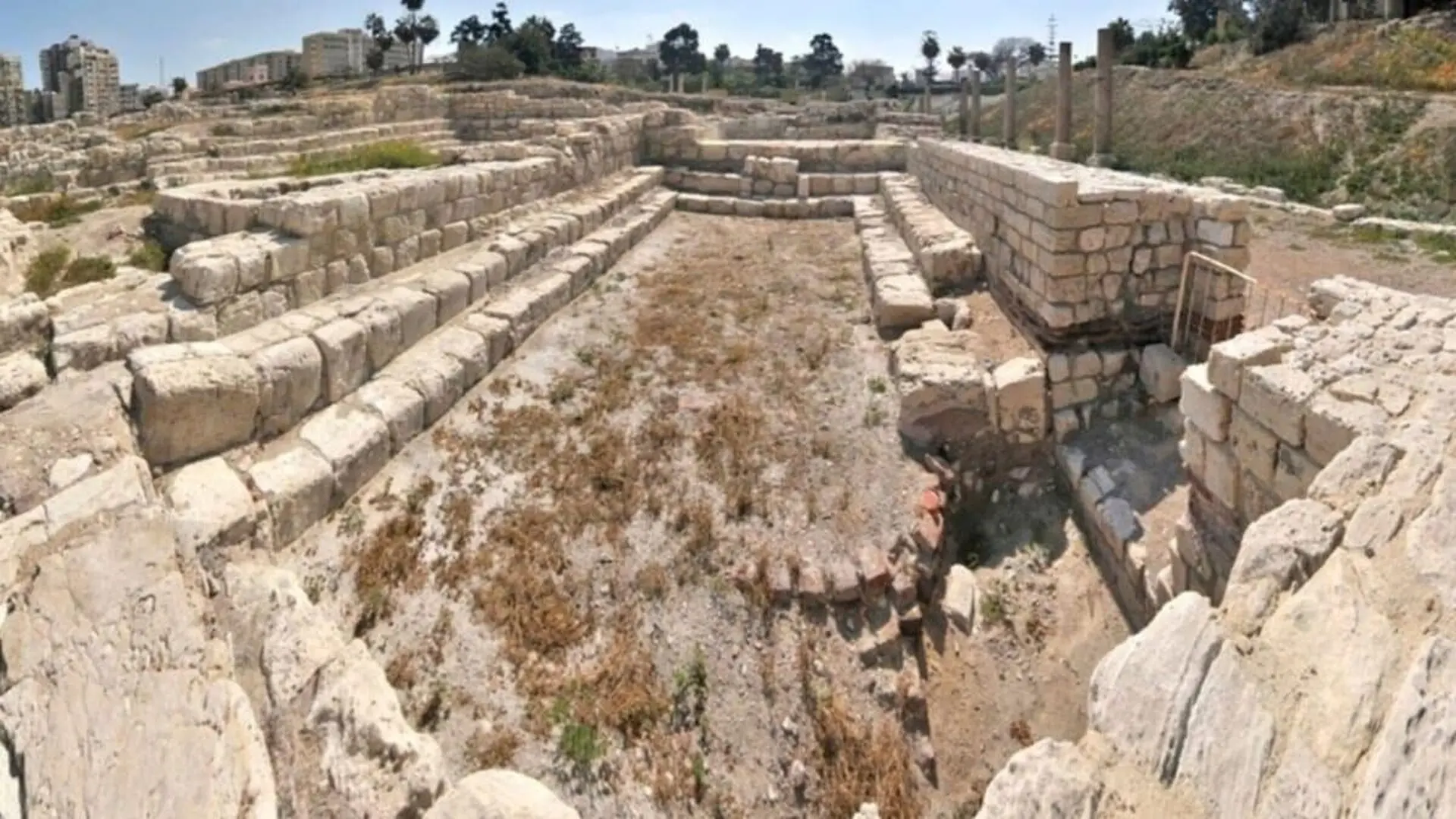
Archaeologists working in northern Greece have uncovered the remains of a sprawling 2,400-year-old educational complex in Mieza, a site identified by the Hellenic Ministry of Culture as the location where the philosopher Aristotle tutored a young Alexander the Great. The discovery offers a rare, tangible link to the formative years of one of history’s most influential figures, providing a window into the intellectual and physical training that shaped the future Macedonian leader.
A Sophisticated Center for Classical Learning
The excavated site reveals a multifaceted environment designed to foster a holistic education. Far from being a simple classroom, the complex includes dedicated spaces for academic lectures, communal gatherings, and physical conditioning. Excavators identified a primary lecture hall featuring stone desks, suggesting a structured approach to the pedagogical methods employed by Aristotle during his time as the prince’s mentor.
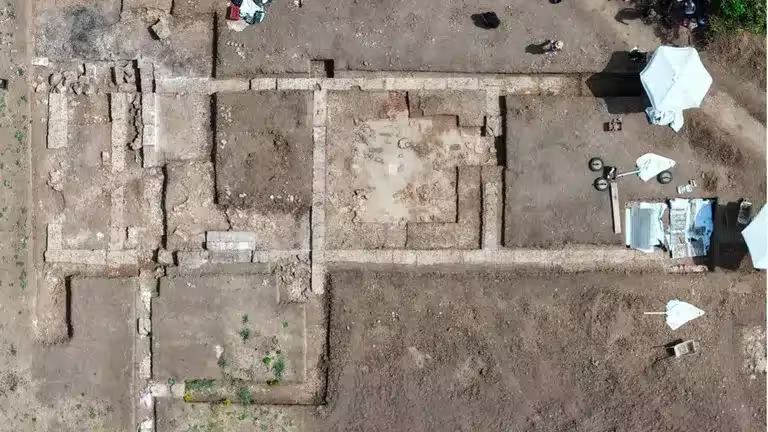
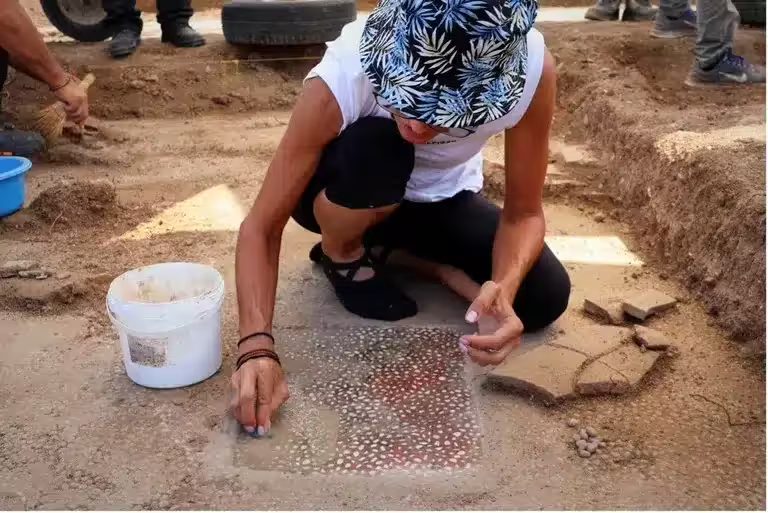
The complex also highlights the social dimensions of ancient elite education. Researchers uncovered two expansive banquet halls, equipped with raised platforms designed to hold nearly a dozen couches. These areas likely served as settings for high-level intellectual debate and shared meals, reflecting the integration of social life and rigorous instruction. The architectural remnants, which include elaborate mosaic flooring and decorative columns, underscore the high status of the individuals who studied and taught within these walls.
Balancing Intellect and Athletics
The discovery at Mieza reinforces the classical Greek ideal of the balanced individual, as the school grounds incorporated significant infrastructure for physical development. Alongside the academic halls, archaeologists identified a stadium and an athletic arena, confirming that the curriculum for Macedonia’s future king involved strenuous bodily training alongside philosophical inquiry. This synthesis of mental and physical rigor was a hallmark of the Hellenic approach to raising leaders, aiming to produce citizens capable in both council and conflict.
Connecting History to Physical Reality
Historical records have long documented the relationship between Aristotle and Alexander the Great, but the Mieza site translates these narratives into physical evidence. By situating the school in its original, sprawling context, researchers are gaining a clearer understanding of the daily environment that influenced the prince before he ascended the throne in 336 BCE.
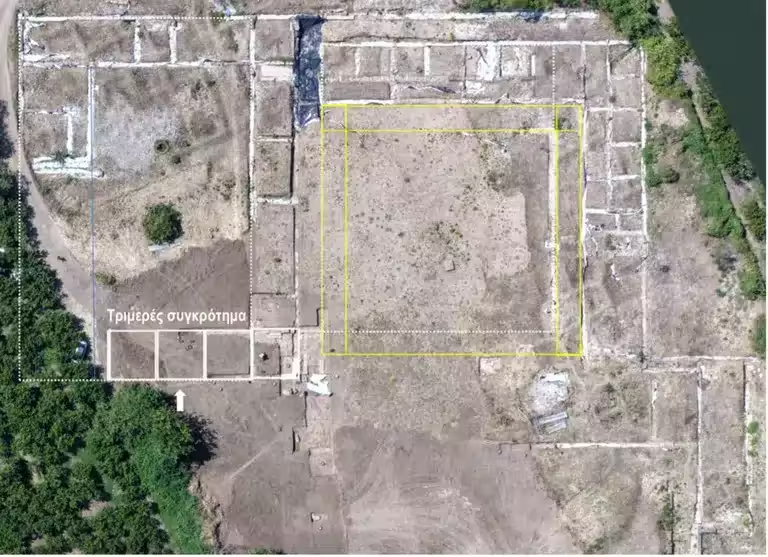
The ministry’s report highlights that the integrity of these structures provides vital clues regarding how education was structured within the Macedonian kingdom, emphasizing a high degree of organizational sophistication. As studies continue, this site stands as a crucial monument to the intellectual foundation of one of antiquity’s most significant eras.
This article has been fact checked for accuracy, with information verified against reputable sources. Learn more about us and our editorial process.
Last reviewed on .
Article history
- Latest version
Cite this page:
- Posted by Zara Tariq