Archaeologists Uncover The Ancient Gymnasium Where Alexander The Great Was Educated
Archaeologists have unearthed a lost Macedonian gymnasium, offering a rare glimpse into the formative training grounds where Alexander the Great once lived.
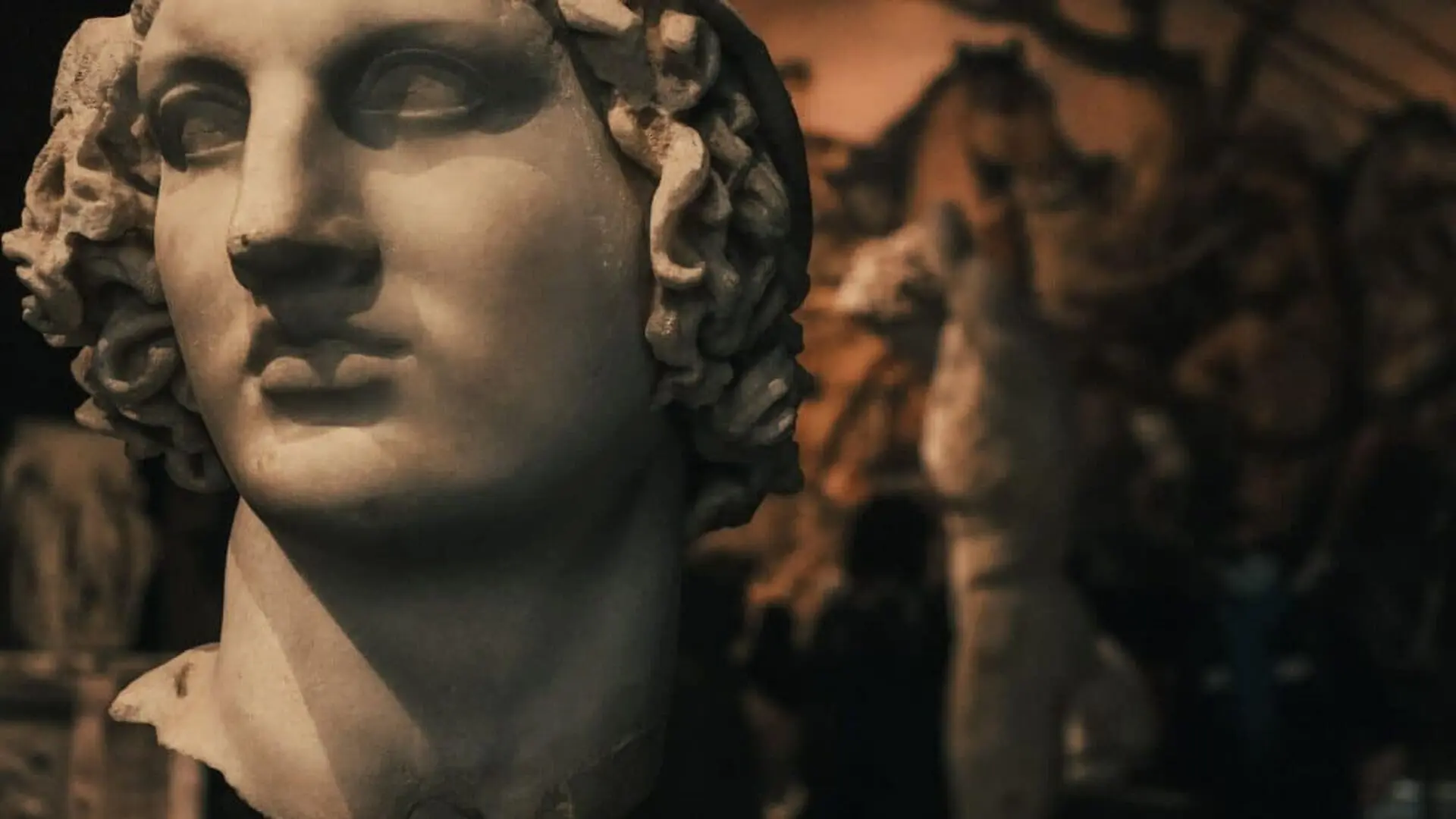
Archaeologists working in Greece have uncovered a sprawling 30-acre complex that offers a rare, tangible window into the formative years of Alexander the Great. The site, identified as the Royal Gymnasium of ancient Mieza, contains the architectural remnants of a world-class training and educational facility where the future conqueror and his noble peers—including future monarchs Ptolemy and Cassander—prepared for their roles in the Macedonian elite.
Excavation efforts that began in 2024 have unearthed a sophisticated urban environment. The site includes a traditional palaestra (wrestling ground), a stadium, expansive covered walkways, specialized water management systems, and a designated teaching facility known as the Didaskaleion. These findings provide researchers with a clearer understanding of the physical environment that shaped the young prince’s development.
Unveiling the Academic Heart of Mieza
Recent fieldwork has concentrated on the eastern portion of the gymnasium, where the discovery of the Didaskaleion stands out as a significant breakthrough. Within this structure, archaeologists identified stone seating, suggesting a space intended for academic lectures and scholarly discourse. Adjacent to this academic hub, the team revealed two excavation sites containing andrones—formal rooms designed to host intimate social gatherings or drinking parties for roughly 20 individuals. Each of these rooms was found to contain the traces of ten dining couches, accompanied by intricately preserved mosaic flooring.
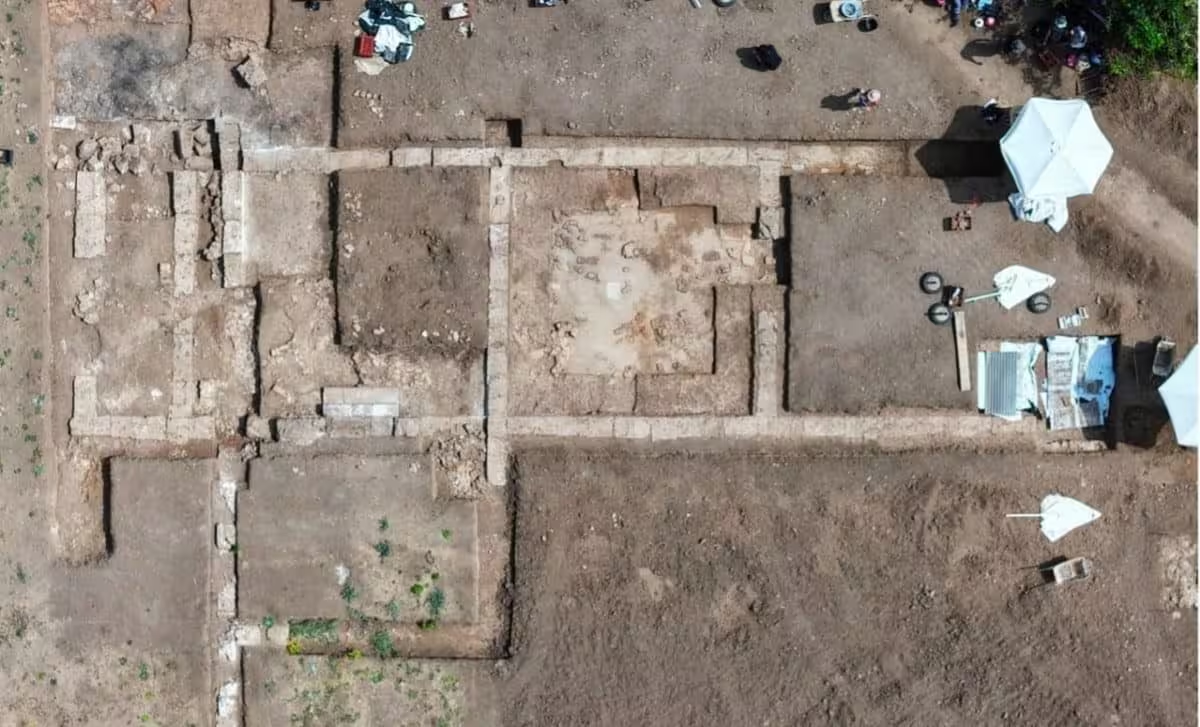
As noted by Archaeology Magazine, the integration of these athletic, intellectual, and social spaces highlights the multi-faceted nature of the gymnasium as a central pillar of Macedonian public life.
Establishing a Royal Connection Through Art and Architecture
The ornate mosaic work found throughout the Mieza complex serves as a critical chronological marker. Experts have observed that the craftsmanship and aesthetic design of these floors bear a striking resemblance to those discovered at the palace of Aigai. Given that the Aigai palace was commissioned during the reign of Philip II—Alexander’s father—this stylistic link allows archaeologists to date the Mieza gymnasium to the same era of royal influence.
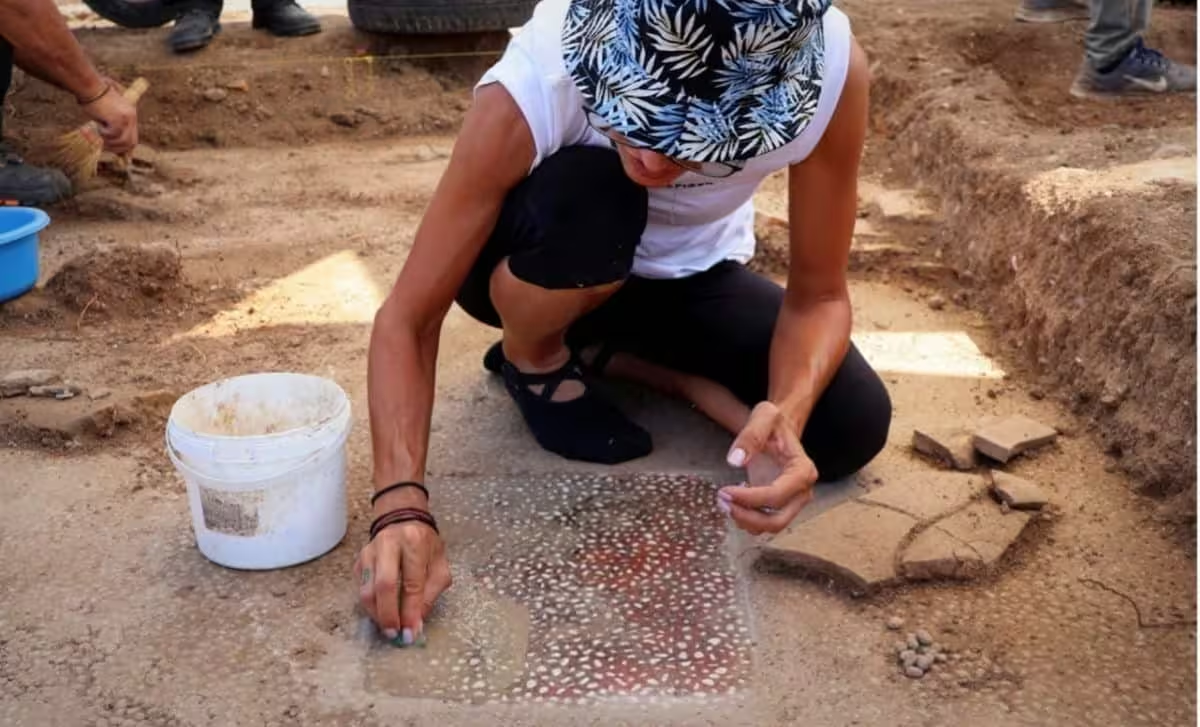
The connection to the palace is significant not just for its dating, but for the prestige it confers on the gymnasium. Some researchers have even speculated that the facility may have been influenced by the architect Pytheos, a figure also associated with the renowned Mausoleum at Halicarnassus, though this remains a point of scholarly debate rather than a proven fact.
Separating Fact from Folklore
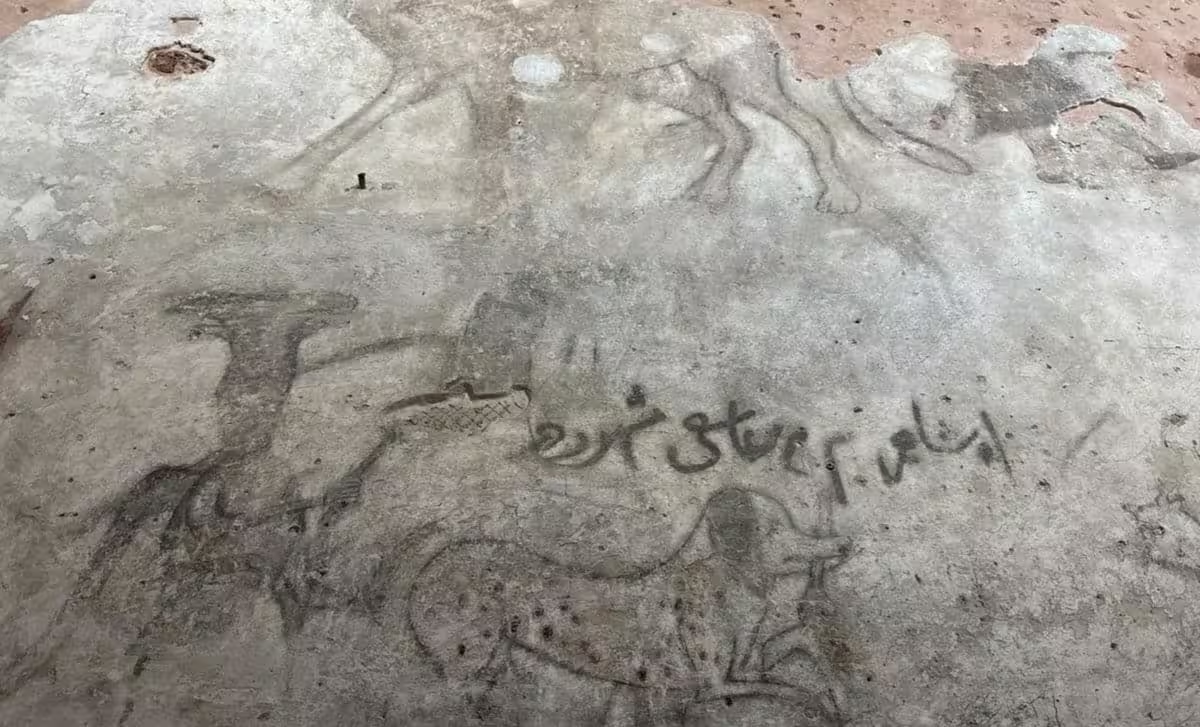
For centuries, the image of Alexander the Great has been filtered through layers of legend. Ancient texts, such as Plutarch’s On Tranquility of the Mind, recorded events written hundreds of years after his death, including a famous anecdote where the young ruler wept upon learning of the existence of infinite worlds from the philosopher Anaxarchus. While the story eventually morphed into the myth that he cried because there were no more worlds left to conquer, modern archaeology offers a grounding contrast.
By uncovering the actual structures where Alexander walked, studied, and lived, researchers can move past the romanticized interpretations of his life. These physical ruins ground the legendary king in the reality of his Macedonian upbringing, providing a clearer look at the environment that fostered the rise of one of history’s most influential figures.
This article has been fact checked for accuracy, with information verified against reputable sources. Learn more about us and our editorial process.
Last reviewed on .
Article history
- Latest version
Reference(s)
- Radley, Dario. “Ancient Macedonian gymnasium linked to Alexander the Great reveals new finds in Greece.”, September 18, 2026 Archaeology News Online Magazine <https://archaeologymag.com/2026/09/macedonian-gymnasium-linked-to-alexander/>.
- “Loading....” <https://www.aigai.gr/en/aigai-the-royal-metropolis-of-macedon/the-palace>.
- <https://www.britishmuseum.org/collection/galleries/mausoleum-halikarnassos>.
- Editors, Biography.com. “Alexander the Great.”, April 3, 2014 Biography <https://www.biography.com/political-figures/alexander-the-great>.
- “Plutarch • On Tranquillity of Mind.” <https://penelope.uchicago.edu/Thayer/E/Roman/Texts/Plutarch/Moralia/De_tranquillitate_animi*.html>.
Cite this page:
- Posted by Hassan Raza