Scientists Identified a Fossil Giant Scorpion That Reached 3 Feet Long and Roamed Britain 415 Million Years Before Humans Existed
Ancient scorpion fossil mystery solved after 150 years
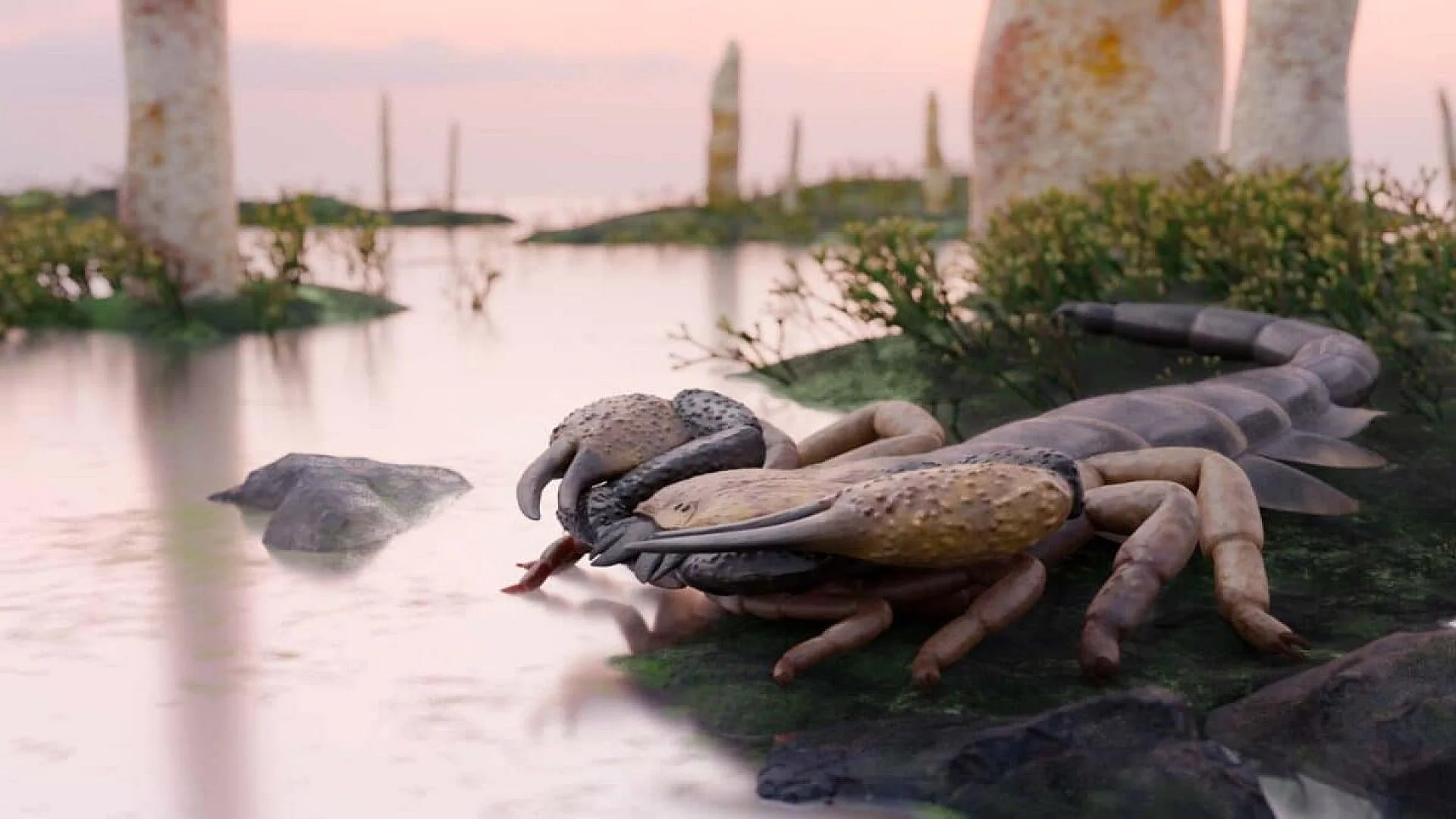
New analyses of Devonian fossils from England and Wales have confirmed that a colossal arachnid, measuring about one metre in length with six‑inch pincers, roamed what is now Britain roughly 415 million years ago. The creature, named Praearcturus gigas, is now recognised as the largest scorpion ever identified.
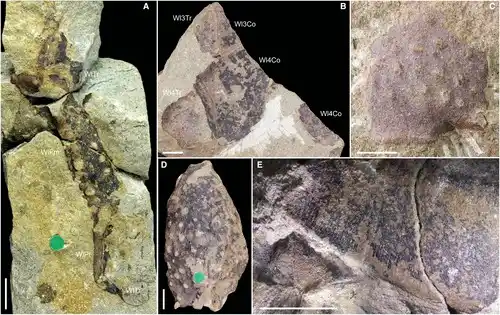
Using cutting‑edge imaging technology, an international team revisited specimens that have puzzled paleontologists for more than a century. The detailed scans revealed anatomical features unmistakably characteristic of scorpions, settling a long‑standing debate about the animal’s true identity.
Decades‑Long Mystery Resolved
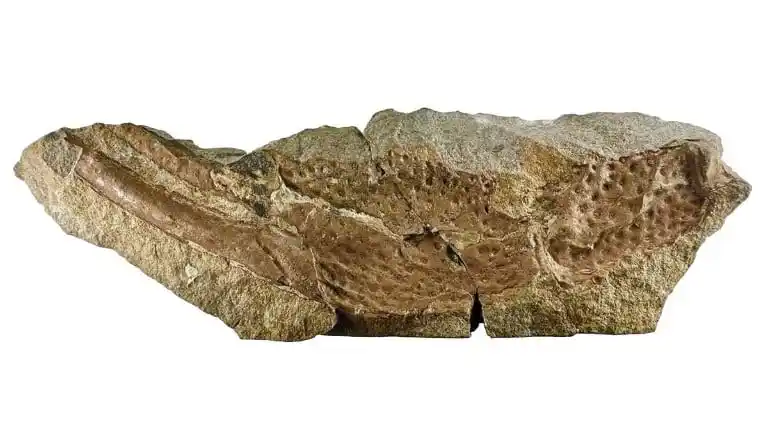
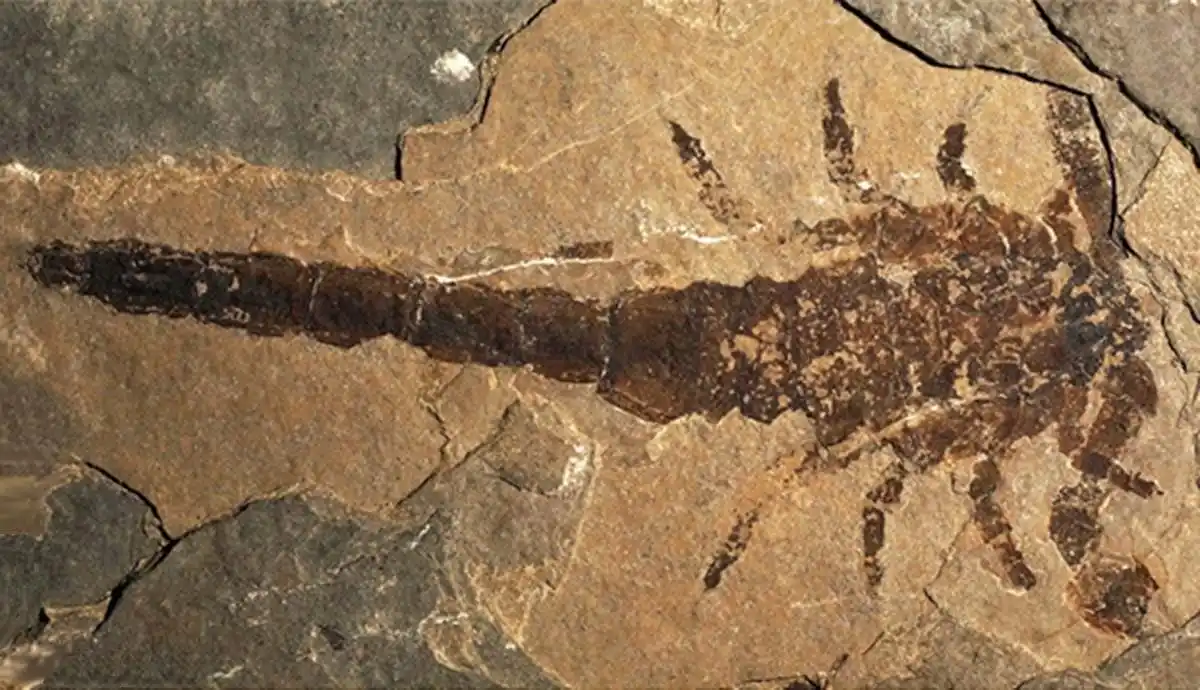
First described in the 1870s, the fragments of Praearcturus gigas sparked competing interpretations. Some early researchers argued the pieces belonged to a massive crustacean, while later scholars suggested a scorpion, yet the lack of a preserved telson prevented consensus.
The recent study, published in Palaeontology, re‑examined key fossils housed at the Natural History Museum in London. By comparing the material with other confirmed Devonian scorpions, the authors demonstrated that the segmented armor and pedipalp morphology align with scorpion anatomy.
Record‑Breaking Scorpion Dimensions
The clarified taxonomy allowed researchers to estimate the animal’s size with confidence. The team reported a total length of roughly one metre and chelae spanning about 16 centimetres, establishing Praearcturus gigas as the biggest scorpion known to science.
In the Early Devonian, terrestrial ecosystems were still in their infancy, dominated by small arthropods and lacking true forests. The presence of such a massive predator suggests that some lineages achieved remarkable body sizes far earlier than previously documented.
“Confirming that this animal is a scorpion fundamentally changes our understanding of how and when these creatures evolved to such extraordinary sizes.” lead author Richard Howard, curator of fossil arthropods at the Natural History Museum, said.
Hints of a Semi‑Aquatic Existence
Beyond taxonomy, the investigation shed light on the scorpion’s lifestyle. The authors identified epimeral plates—flattened extensions also seen in modern crustaceans such as lobsters and crabs—among the newly assigned specimens.
These structures, together with the sedimentary context of the fossils, support the idea that Praearcturus gigas spent at least part of its life in water. In an environment where terrestrial food webs were still rudimentary, a semi‑aquatic habit could have provided access to a broader prey base.
“Without complex ecosystems to support Praearcturus on land, these animals probably spent part of their lives hunting in water,” explained Howard.
This article has been fact checked for accuracy, with information verified against reputable sources. Learn more about us and our editorial process.
Last reviewed on .
Article history
- Latest version
Reference(s)
- Howard, Richard J.., et al. “A revision of Praearcturus gigas : a giant scorpion from the Lower Devonian (Lochkovian) of Britain.” Palaeontology, vol. 69, no. 3, June 2, 2026 Wiley, doi: 10.1111/pala.70064. <https://onlinelibrary.wiley.com/doi/10.1111/pala.70064>.
- <https://www.researchgate.net/profile/Richard-Howard-2>.
Cite this page:
- Posted by Hassan Raza