Scientists Unearth 27-Foot Crocodile That Once Hunted Early Humans Along Kenya’s Rivers
Fossils reveal a giant, extinct crocodile lurking in ancient Kenyan rivers far deadlier than any living today
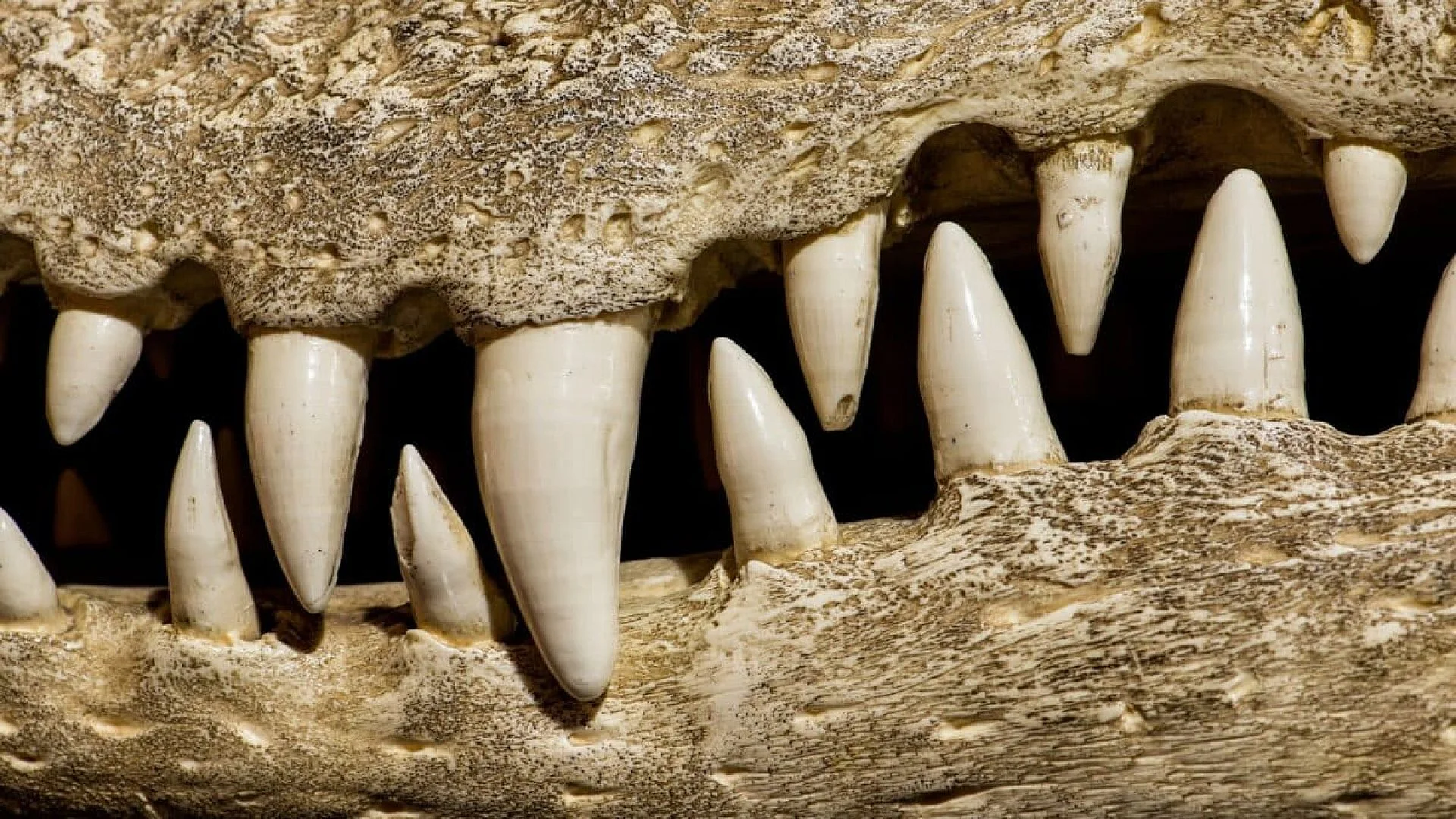
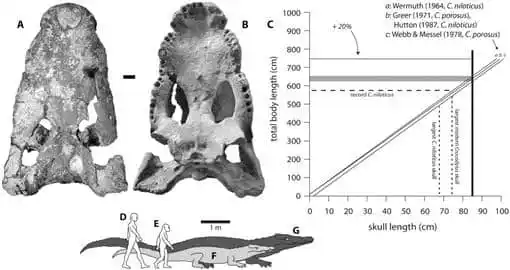
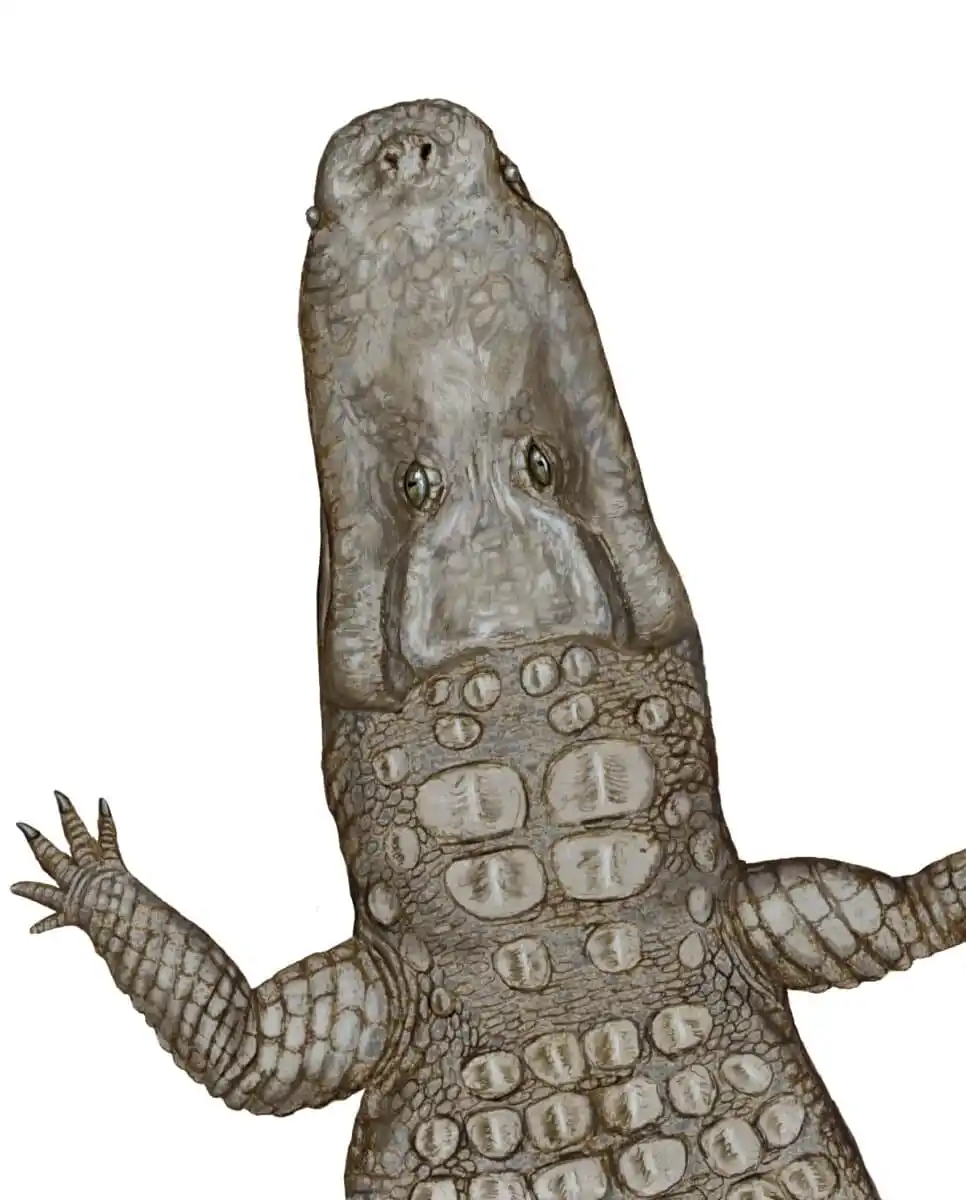
In the fossil‑rich Turkana Basin, paleontologists have identified a crocodylian that dwarfed every modern relative. Named Crocodylus thorbjarnarsoni, this extinct giant could have stretched beyond 27 feet, making it comparable in length to a small bus and far larger than any living crocodile.
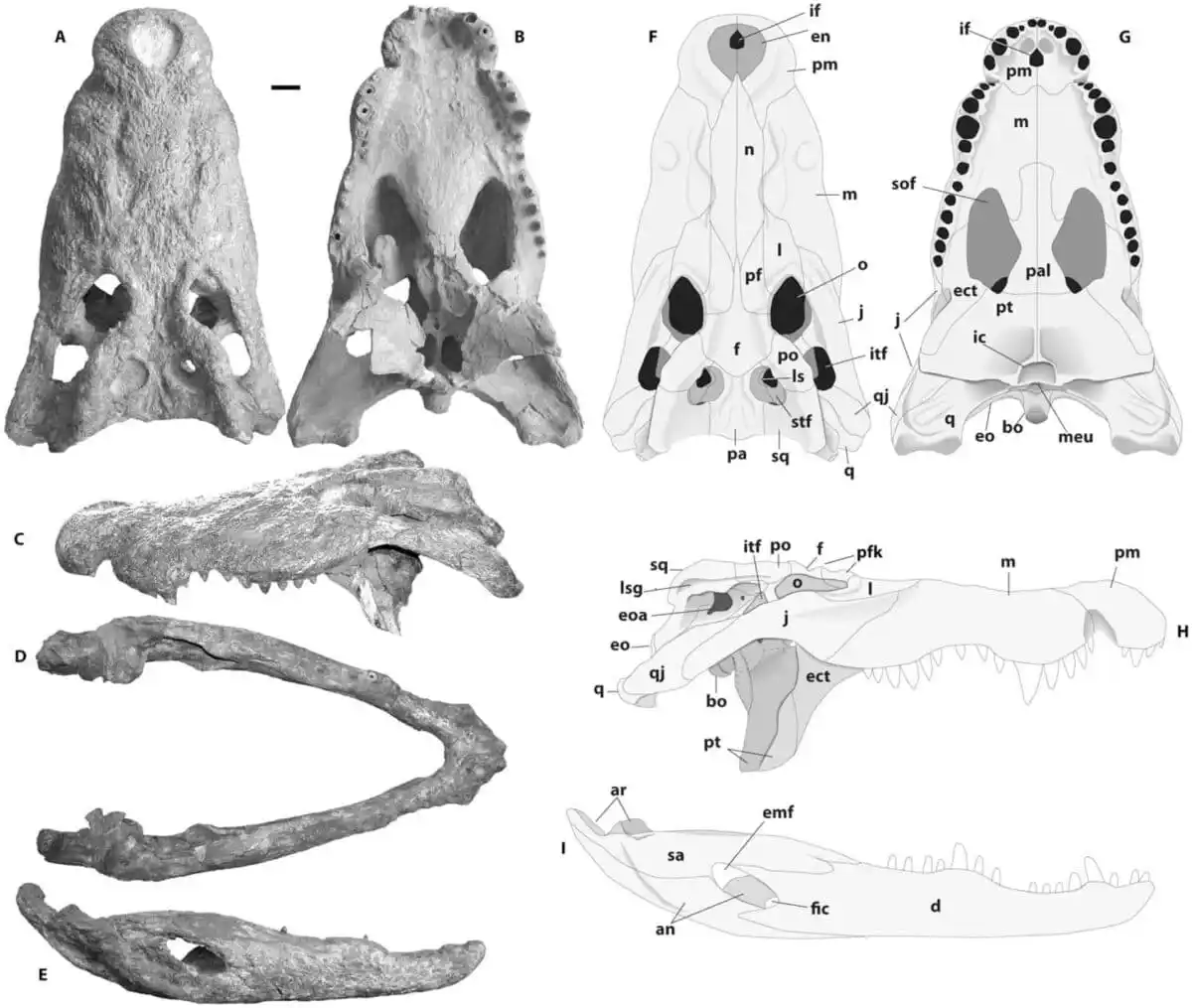
The skull and postcranial elements, now curated by the National Museum of Kenya in Nairobi, reveal a creature that closely resembled today’s Nile crocodile but sported pronounced bony protrusions behind each eye. The massive cranium was so heavy that four researchers were required to hoist it, underscoring the tremendous bite force the animal could have delivered.
Phylogenetic analysis links C. thorbjarnarsoni to the Tanzanian man‑eater Crocodylus anthropophagus, suggesting a long‑standing lineage of large, predatory crocodiles in Africa. This relationship hints that early hominins have been sharing river corridors with formidable ambush hunters for millions of years.
A Monster of the Waterways
According to research published in the Journal of Vertebrate Paleontology, the animal’s diet was likely opportunistic, encompassing fish, terrestrial mammals, and possibly other reptiles. Its sheer size positioned it at the apex of its ecosystem, reshaping the ancient African food web long before Homo sapiens appeared.
Early Hominins Faced a Lethal Water Hazard
Remains of crocodile bone fragments have been recovered alongside Australopithecus fossils, indicating that the early ancestors of humans frequented the same lakes and rivers (see related sites, river dynamics). In such environments, a careless step into the water could have resulted in a fatal encounter with the giant predator.
Because C. thorbjarnarsoni shares ancestry with the known man‑eater Crocodylus anthropophagus, scientists speculate that it may have also preyed on members of the genus Homo, adding another layer of danger to the daily lives of early humans (contextual analysis).
What the Fossils Reveal About Africa’s Prehistoric Ecosystems
The collection housed at the National Museum of Kenya provides a rare window into the dynamics of ancient riverine habitats. Detailed study of the animal’s cranium, postcranial skeleton, and evolutionary ties allows researchers to reconstruct its hunting tactics and assess its impact on co‑existing species, including early hominins.
Analyses suggest that the sheer power and ambush strategy of C. thorbjarnarsoni made it a dominant force in its environment, turning water sources into zones of heightened risk for early humans. The creature’s legacy underscores how prehistoric African waterways hosted some of the most formidable predators ever recorded.
This article has been fact checked for accuracy, with information verified against reputable sources. Learn more about us and our editorial process.
Last reviewed on .
Article history
- Latest version
Reference(s)
- Brochu, Christopher A.., et al. “A giant crocodile from the Plio-Pleistocene of Kenya, the phylogenetic relationships of Neogene African crocodylines, and the antiquity ofCrocodylusin Africa.” Journal of Vertebrate Paleontology, vol. 32, no. 3, May 1, 2012, pp. 587-602. Informa UK Limited, doi: 10.1080/02724634.2012.652324. <https://www.tandfonline.com/doi/abs/10.1080/02724634.2012.652324>.
- “Nairobi National Museum – National Museums of Kenya.” <https://museums.or.ke/nairobi-national-museum/>.
Cite this page:
- Posted by Hassan Raza