Researchers Found a Whale Fossil in New Zealand in 1988, It Took Decades to Realize It Belonged to a Previously Unknown Species
Fossil discovery in New Zealand reveals clues to ancient whale ancestors and their early ocean habitats
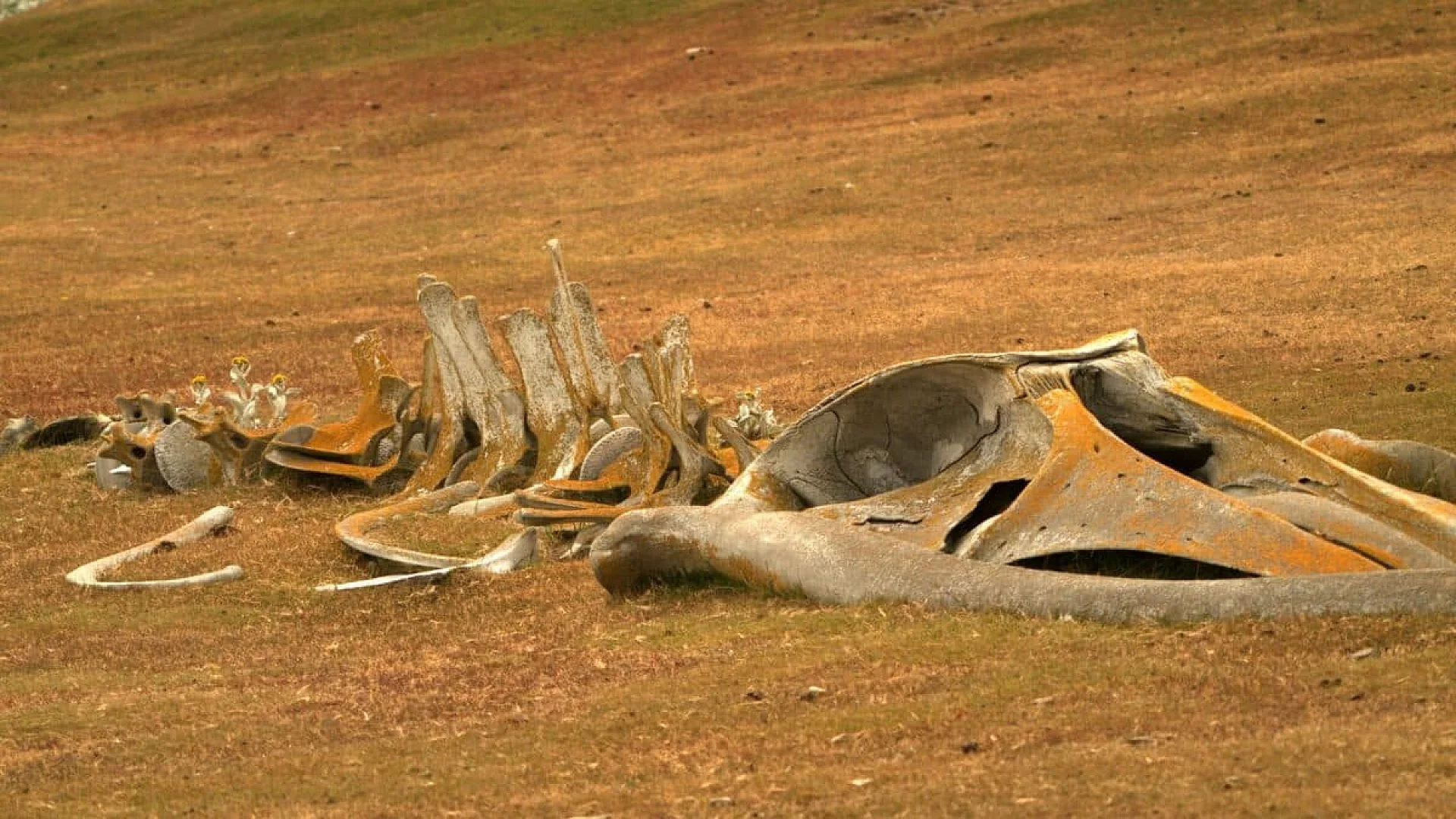
Paleontologists from the University of Otago have announced a new Oligocene‑age baleen whale from New Zealand, naming the extinct species Toipahautea waitaki. The animal lived roughly 27.5 million years ago and its remains were uncovered in the Hakataramea Valley.
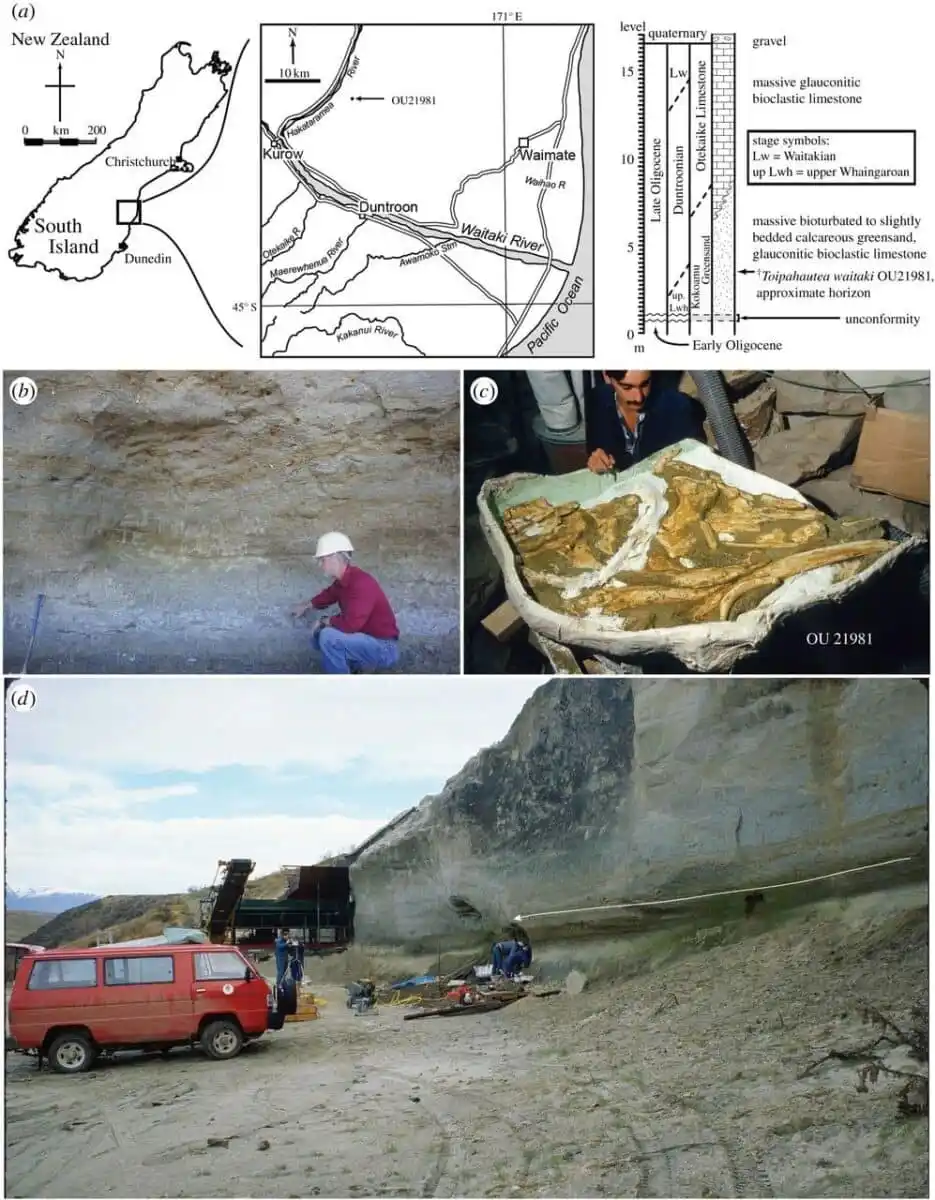
The fossil material—chiefly a skull and associated bones—originated from the Kokoamu Greensand, a sedimentary unit that yields abundant marine fossils across South Canterbury and the Waitaki district. At the time, during the Oligocene, present‑day New Zealand comprised a chain of islands surrounded by shallow, nutrient‑rich seas.
A Māori‑Inspired Name for an Ancient Filter‑Feeder
The designation Toipahautea waitaki draws on Māori language, translating to “baleen‑origin whale from the Waitaki region.” As a member of the mysticete group (Mysticeti), the species would have lacked teeth and relied on baleen plates to strain tiny prey such as krill from seawater.
Its age places the whale near the dawn of the line that gave rise to modern baleen giants like minke whales and right whales.
“This is a fantastic fossil find from a fascinating period of Earth’s history, when early whales were extremely diverse,” said David Hocking, an expert on aquatic mammal evolution at Monash University in Melbourne.
“This is a pretty old whale that goes almost halfway back to the age of the dinosaurs. We are tracking whale history back through time,” explained Professor Ewan Fordyce in a university statement.
A Small‑Sized Baleen Whale with Well‑Preserved Features
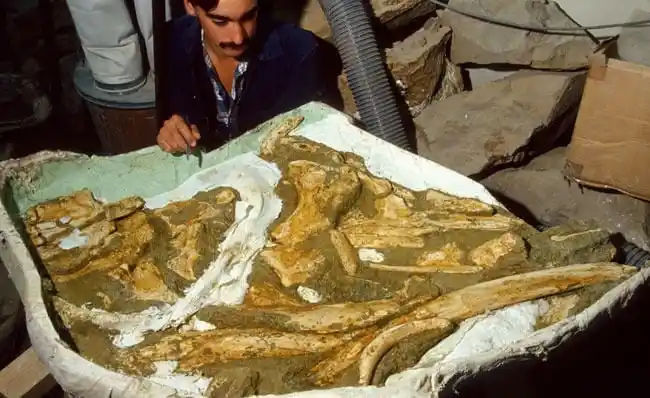
Although the skeleton was recovered disarticulated, the bones remained in close proximity, giving researchers enough material for a detailed anatomical assessment. The highly diagnostic earbones were intact, allowing the team to confirm the animal’s placement within mysticetes and to justify erecting a new genus.
The skull extends roughly one metre in length, and the total body size is estimated at about five metres, roughly “half the size of an adult minke whale,” according to Professor Fordyce.
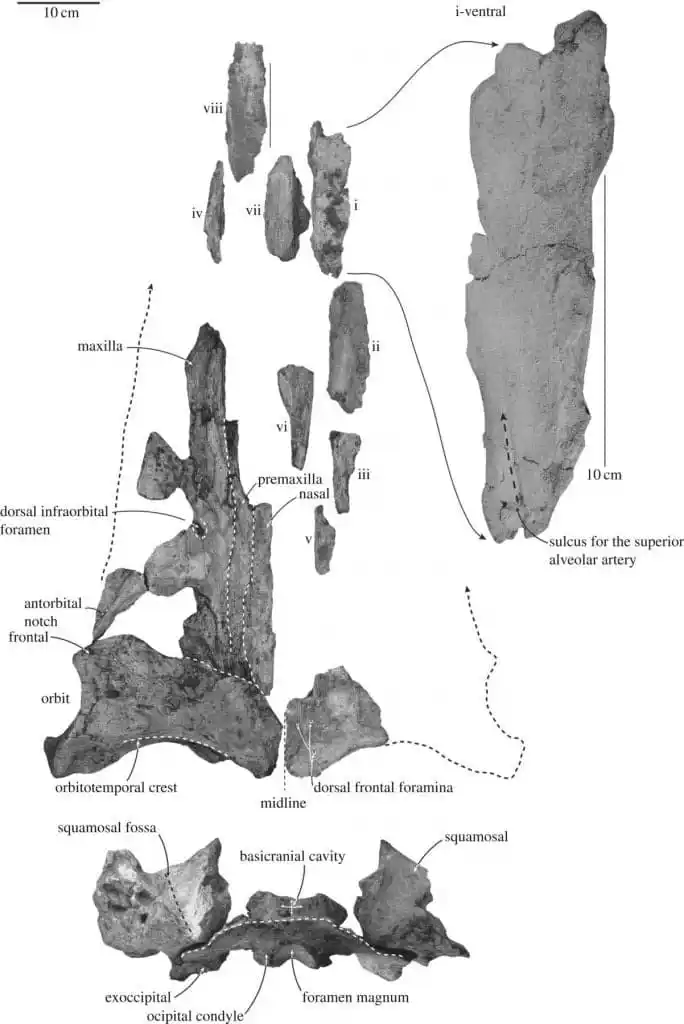
Its jaws are long, narrow and entirely toothless, indicating a feeding strategy that mirrors that of modern minke whales—taking in seawater and filtering prey with baleen.
From a 1988 Field Find to a 2026 Scientific Publication
The fossil was first uncovered in January 1988 during fieldwork in the Hakataramea Valley, but it remained unstudied until recent years. Dr. Cheng‑Hsiu Tsai, now at National Taiwan University, initiated the thesis research that provided the analytical framework for naming the new species.
The cause of death is still unknown; possibilities include a shark attack, beach stranding, or disease before the carcass settled on the seafloor and became a substrate for corals and other organisms.
The findings were published in Royal Society Open Science, where the authors argue that the specimen establishes a minimum age of 27.5 million years for the lineage leading to today’s baleen whales. They anticipate that even older representatives may yet be discovered, but for now this ancient cetacean provides a solid reference point for tracing the evolution of the world’s largest marine predators.
This article has been fact checked for accuracy, with information verified against reputable sources. Learn more about us and our editorial process.
Last reviewed on .
Article history
- Latest version
Reference(s)
- “David Hocking - Monash Lens.”, September 21, 2021 Monash Lens <https://lens.monash.edu/@david-hocking/>.
- <https://www.otago.ac.nz/geology/about/fordyce-fund>.
- “國立臺灣大學生命科學系.” <https://homepage.ntu.edu.tw/~deptlifesci/index_en.html?menu=faculty&item=ChengHsiuTsai>.
- <https://royalsocietypublishing.org/rsos/article/5/4/172453/87561/A-new-archaic-baleen-whale-Toipahautea-waitaki>.
Cite this page:
- Posted by Hassan Raza