Ancient Insects Grew Massive, and Scientists Say Oxygen May Not Explain It After All
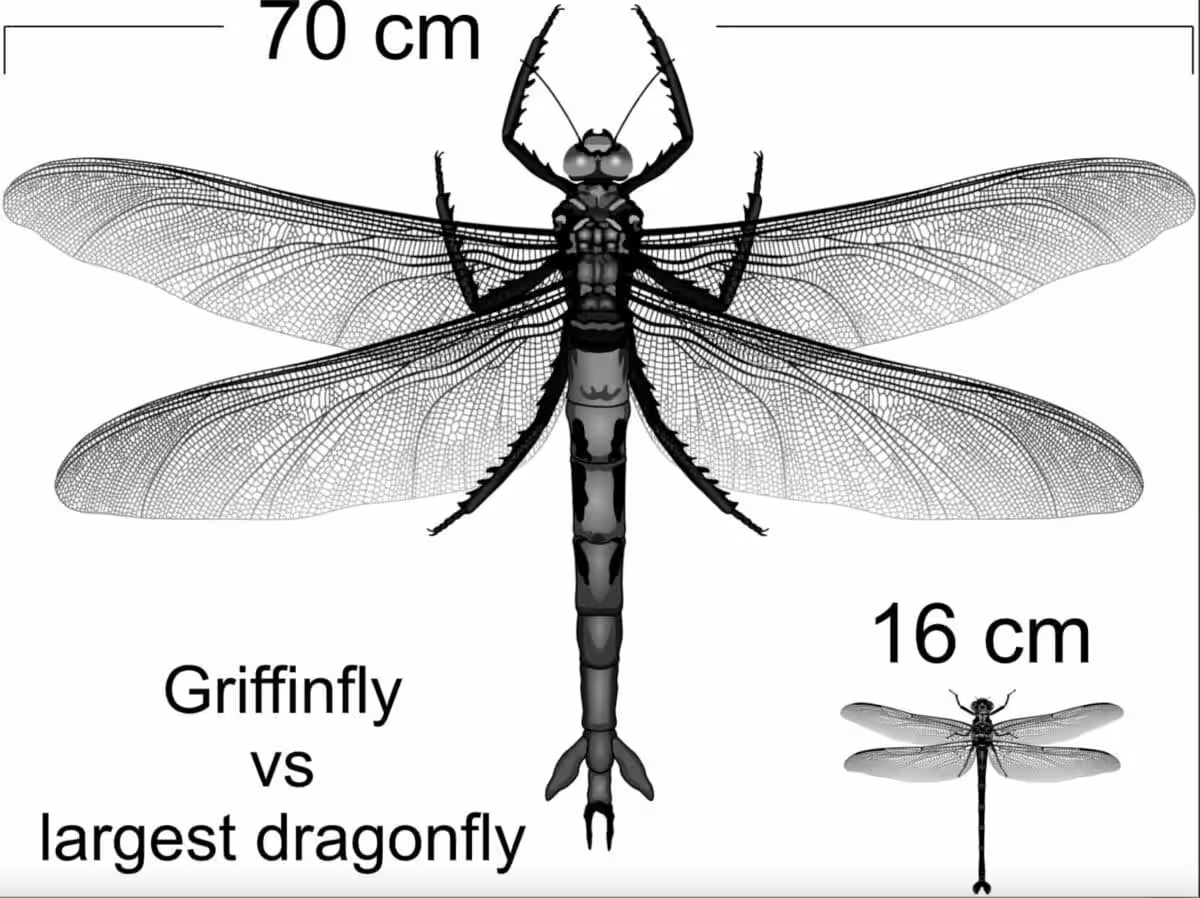
In the distant past, our planet teemed with winged insects sporting impressively vast wingspans, a phenomenon that researchers believed they fully understood.
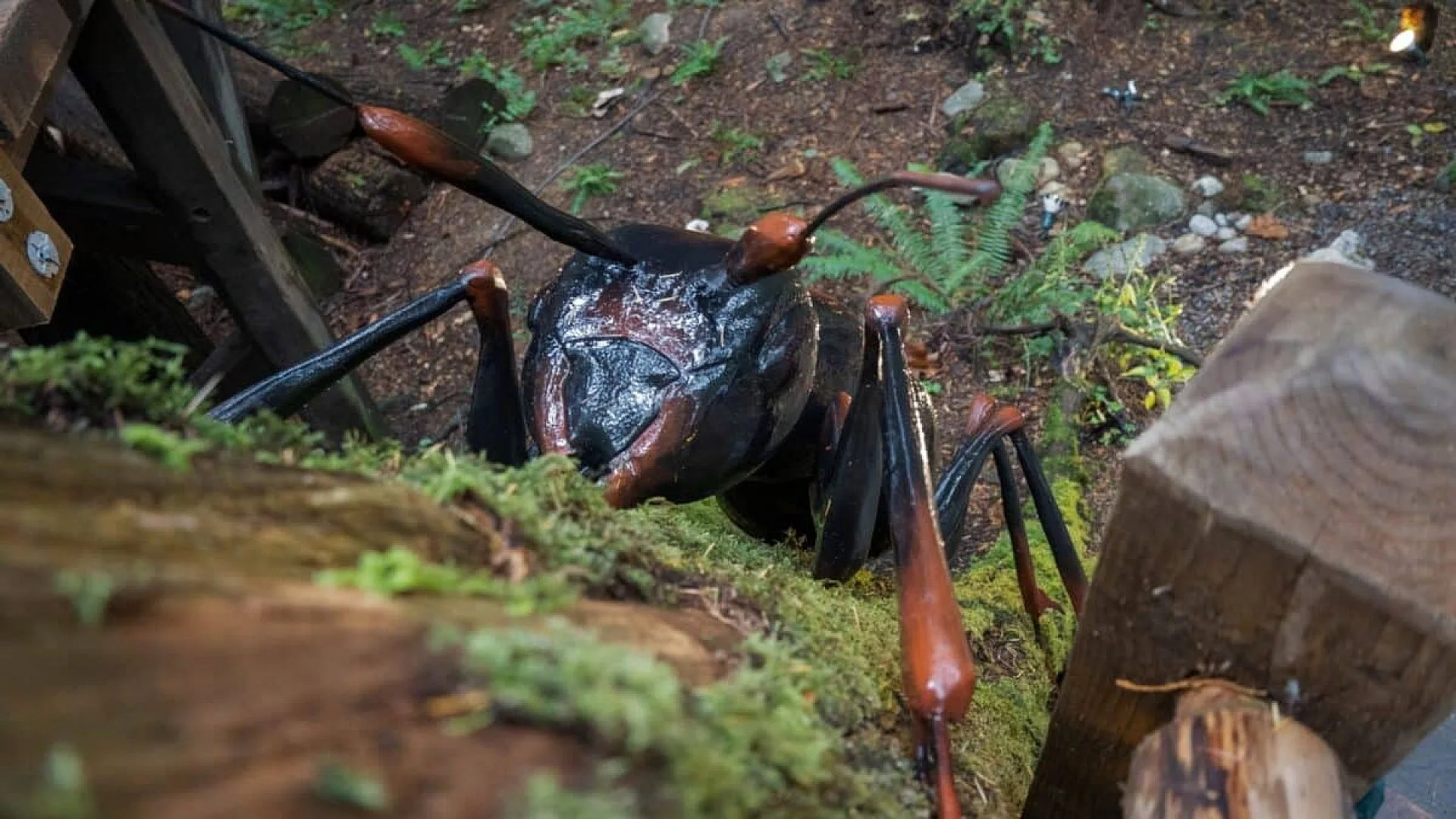
For centuries, giant prehistoric insects were seen as proof that Earth’s atmosphere once required oxygen-rich air to support oversized life forms. A groundbreaking new study published in Natureis now challenging that long-held assumption. The findings revisit a theory that has shaped paleontology and evolutionary biology for generations. Researchers say the new evidence suggests scientists may need to look beyond atmospheric oxygen to explain why enormous insects once dominated ancient skies.
Roughly 300 million years ago, Earth was a vastly different planet. The continents formed the supercontinent Pangaea, while dense coal-swamp forests covered the equatorial regions. This environment supported remarkable biodiversity. Amphibians, early reptiles, fish, and arthropods thrived, while giant invertebrates filled the air.
Scientists Once Blamed Oxygen for Giant Insects
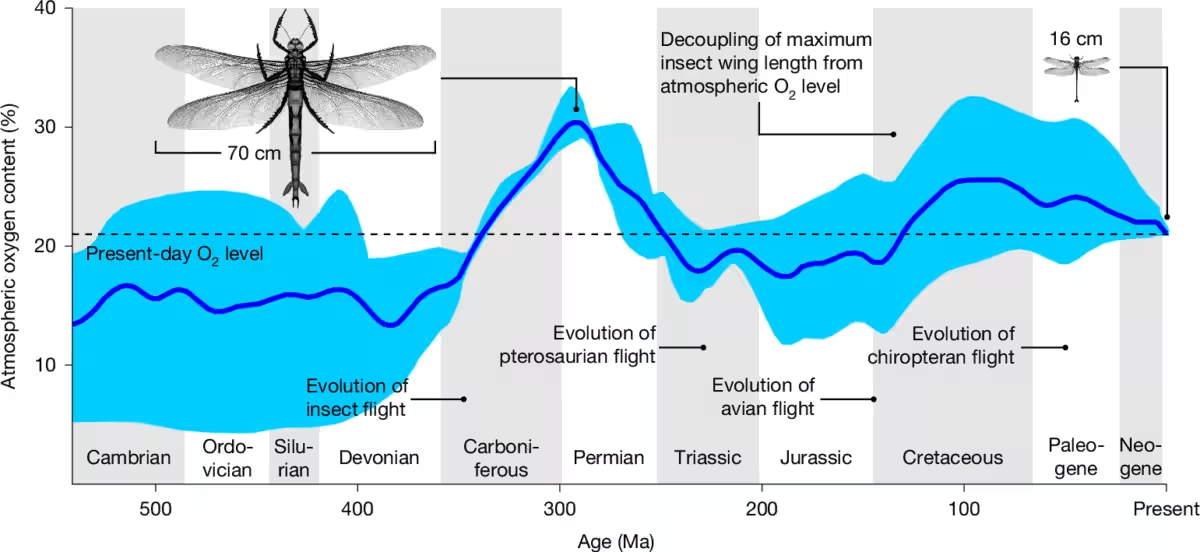
The connection between giant insects and atmospheric oxygen became widely accepted during the late twentieth century. In the 1980s, researchers developed techniques capable of reconstructing the composition of ancient atmospheres.
According to a 1995 study published in Nature, oxygen levels peaked around 300 million years ago, coinciding with the appearance of giant insects in the fossil record. Scientists proposed that elevated oxygen concentrations allowed them to grow much larger than modern species.
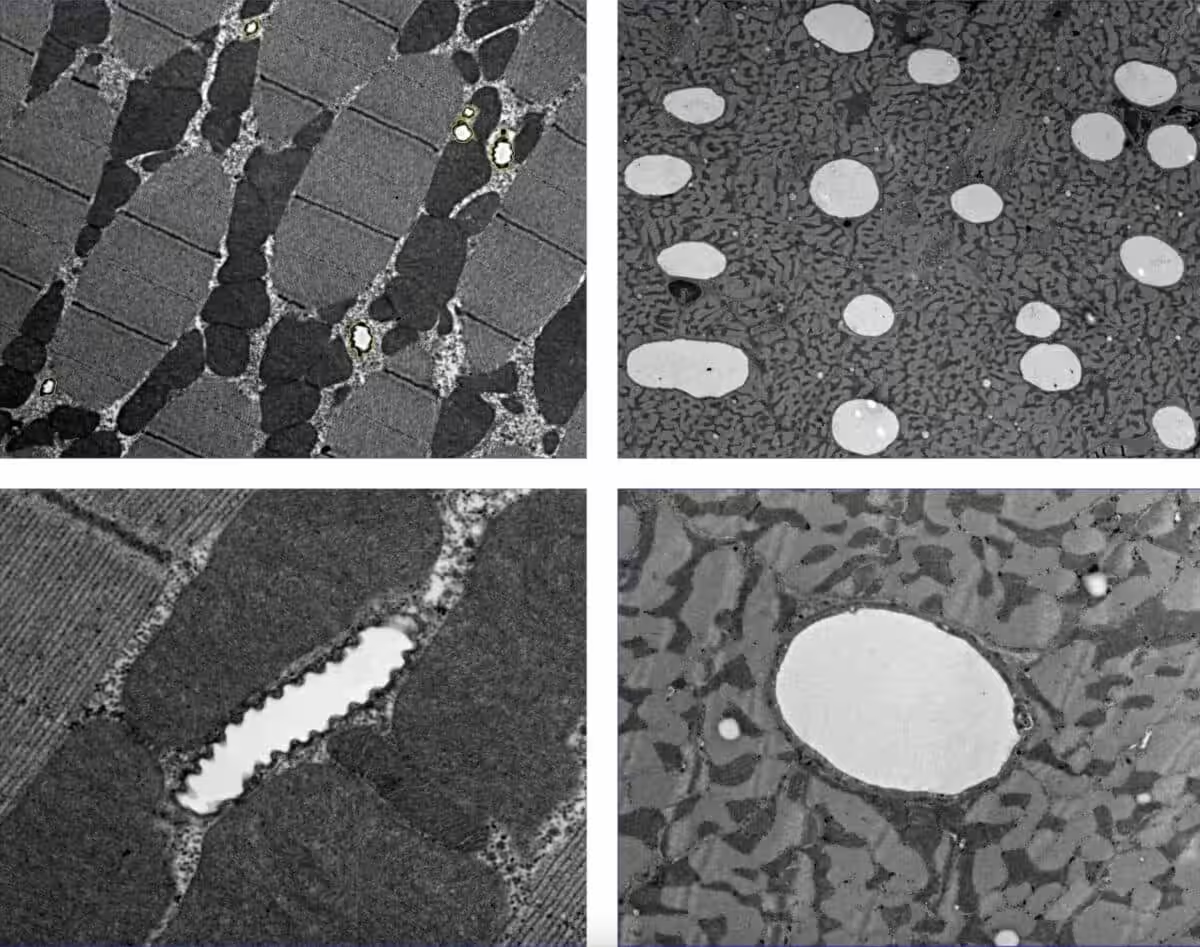
The theory centered on how they breathed. Unlike mammals, insects do not have lungs. Instead, they use a network of tiny air-filled tubes called the tracheal system, which moves oxygen directly through the body. Even smaller branches, known as tracheoles, carry oxygen to tissues and muscles through diffusion.
Scientists long believed this process placed strict physical limits on insect size. As crawlers grew larger, oxygen was thought to travel less efficiently through their bodies, especially to the flight muscles that need large amounts of energy.
New Evidence Challenges a Central Theory
The new study, led by Edward (Ned) Snelling of the University of Pretoria, examined insect flight muscles using high-powered electron microscopy. The team analyzed how tracheole density changes with body size across different insect species.
As explained by the findings, tracheoles occupy only about 1% or less of flight muscle volume in most insects. Even when researchers applied those measurements to giant prehistoric species, the relative space required for oxygen transport remained small.
“If atmospheric oxygen really sets a limit on the maximum body size of insects, then there ought to be evidence of compensation at the level of the tracheoles,” Snelling said. “There is some compensation occurring in larger insects, but it is trivial in the grand scheme of things.”
The study suggests they may have been able to develop more tracheoles without facing major structural problems, weakening the idea that oxygen delivery to flight muscles limited how large they could become.
Giant Ancient Insects Still Defy Explanation
Although the study challenges a key part of the oxygen theory, researchers say the mystery is far from solved. Oxygen may still play a role in insect size through other parts of the respiratory system or elsewhere in the body. The study team also compared them with vertebrates.Roger Seymourfrom University of Adelaide explained that:
“By comparison, capillaries in the cardiac muscle of birds and mammals occupy about ten-times the relative space than tracheoles occupy in the flight muscle of insects, so there must be great evolutionary potential to ramp up investment of tracheoles if oxygen transport were really limiting body size.”
Also ReadHiker Discovers 1,500-Year-Old Gold Sword Scabbard Under a Fallen Tree in a Norwegian Forest
The study points to other possible explanations, including pressure from vertebrate predators or physical limits caused by insect exoskeletons.
“If oxygen does not limit maximal insect size, then perhaps other culprits are responsible for the small size of insects, such as predation from vertebrates, or biomechanical support limits on the exoskeleton itself,” explained Seymour.
Even after decades of research, scientists still do not fully understand why giant insects once thrived, or why they eventually disappeared.
This article has been fact checked for accuracy, with information verified against reputable sources. Learn more about us and our editorial process.
Last reviewed on .
Article history
- Latest version
Reference(s)
- Snelling, Edward. “Oxygen supply through the tracheolar–muscle system does not constrain insect gigantism - Nature.”, March 25, 2026, pp. 1-5. Nature, doi: 10.1038/s41586-026-10291-3. <https://www.nature.com/articles/s41586-026-10291-3>.
- “Professor Edward Snelling.” University Of Pretoria <https://www.up.ac.za/research-matters/researcher/edward-snelling>.
- “EPrf Roger Seymour, Emeritus Professor | Adelaide University People Directory.” <https://www.adelaide.edu.au/directory/roger.seymour>.
Cite this page:
- Posted by Hassan Raza