Hiker Discovers 1,500-Year-Old Gold Sword Scabbard Under a Fallen Tree in a Norwegian Forest
A rambler’s leisurely stroll through the Norwegian forest unearthed a long-lost sword, hidden beneath the earth for generations. What makes this relic so significant to our past?
A chance discovery in the hills of Norway has unearthed a piece of history, dating back 1,500 years. A hiker stumbled upon a rare gold sword scabbard while walking through the countryside, which has shed new light on the social, political, and religious practices of the time.
The scabbard, crafted from gold, was discovered in the district of Austrått, located on Norway’s southwest coast. Its small size belies the significance of the find, which offers archaeologists a unique glimpse into the Migration Period of northern Europe. The scabbard’s heavy wear suggests it was used in battle, rather than being a purely ceremonial item.
A Significant Find in Norway’s Hills
The discovery of the gold sword scabbard has caught the attention of archaeologists and historians alike, offering a rare glimpse into 6th-century Norway. According to the University of Stavanger’s team of researchers, the hiker’s chance find is an extraordinary one, such items are extremely rare, with only 17 similar pieces known to exist across northern Europe.
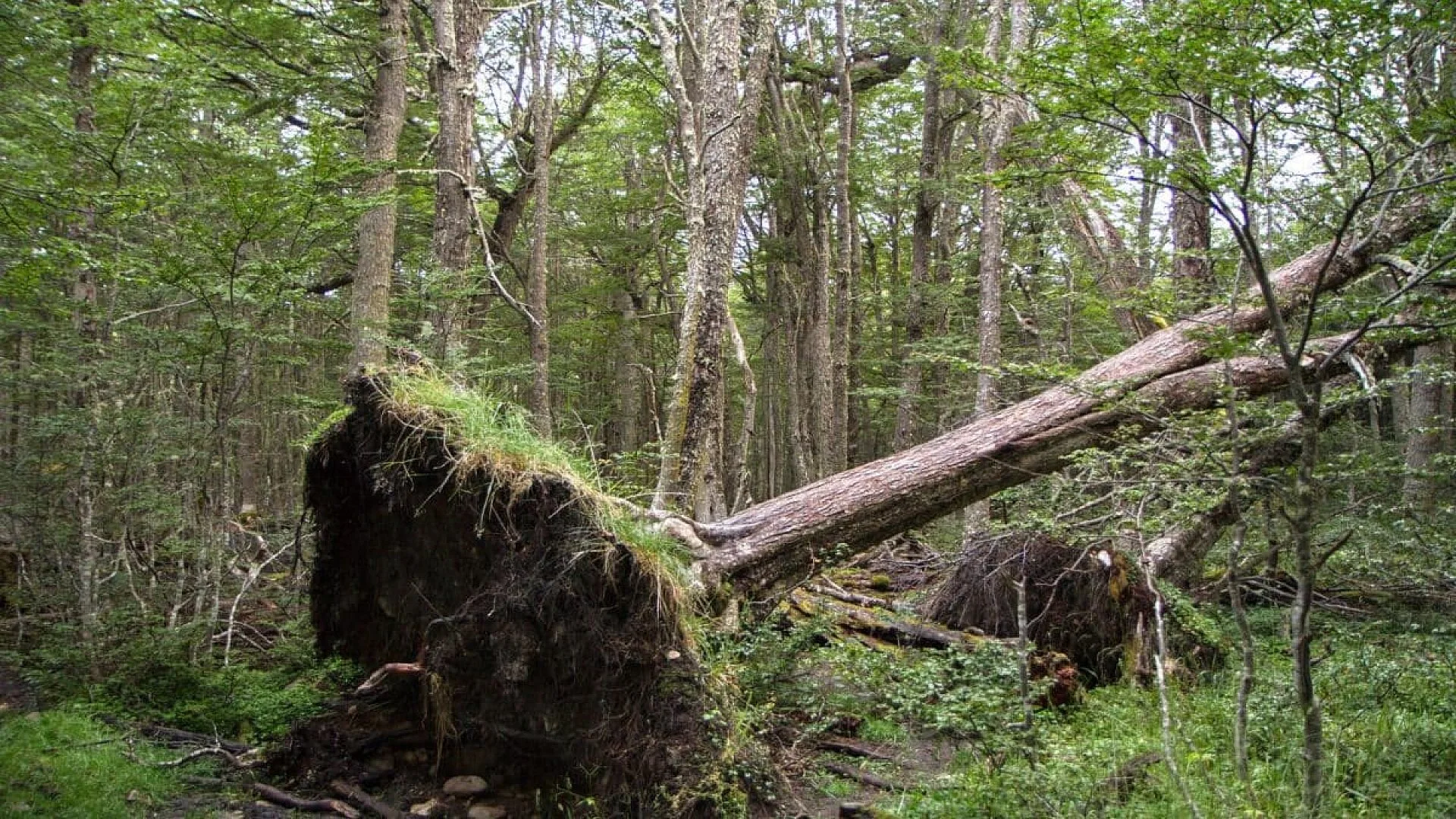
“I saw a mound in the ground under a tree and poked at it with a stick,” The hiker said in a translated university statement. “Suddenly, I saw something that glittered. I didn’t quite understand what I had found.”
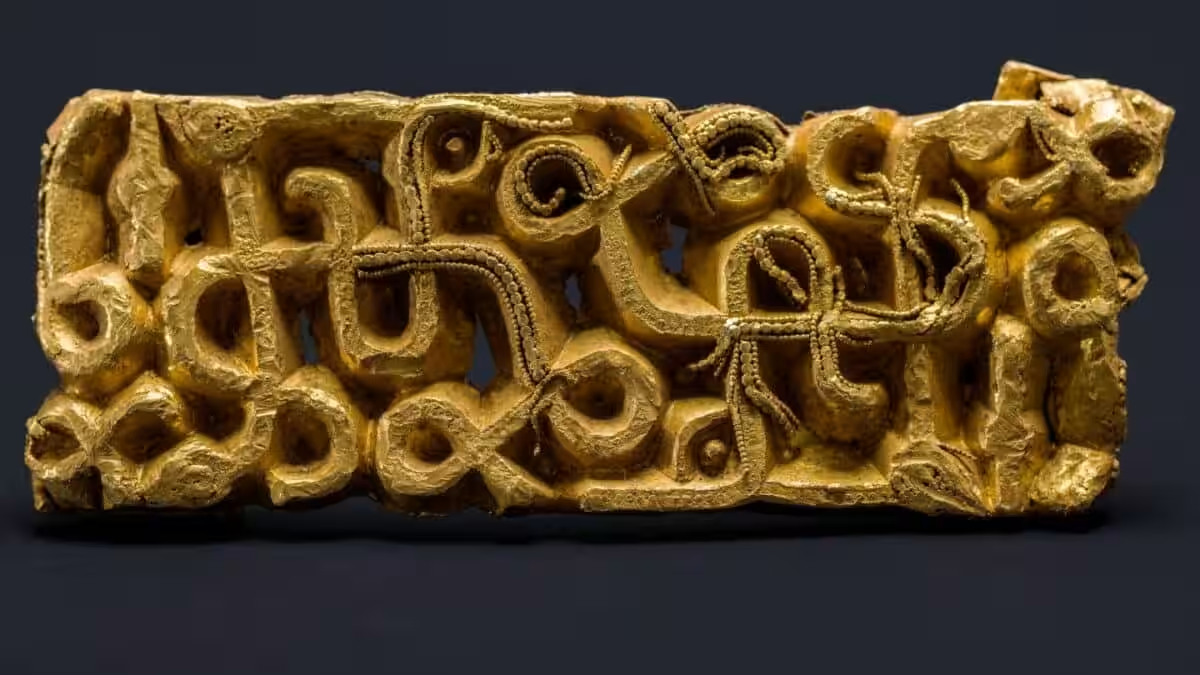
The scabbard, measuring just 2.4 inches wide and weighing 1.15 ounces, was found buried under the roots of an uprooted tree in the district of Austrått, a historically significant region along Norway’s western coast. It was crafted from gold, and the intricate design included animal motifs and hybrid human-animal figures.
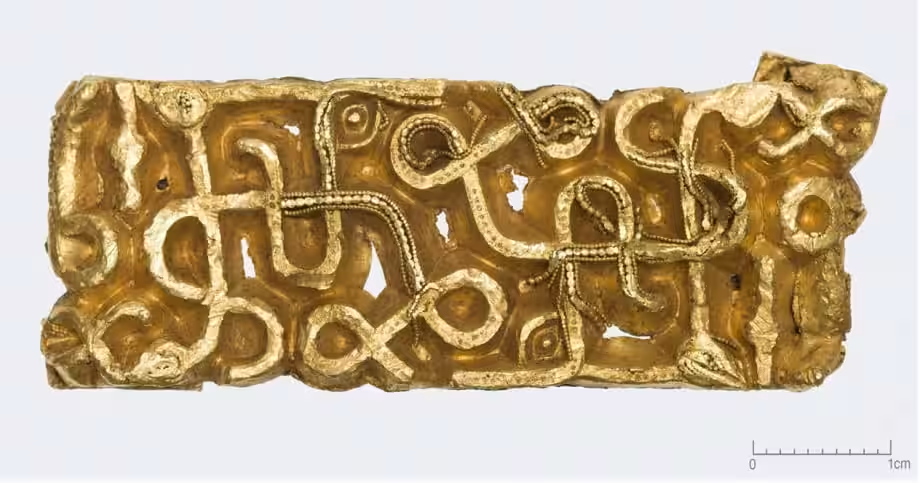
The discovery of the gold sword scabbard has shed new light on the social, political, and religious practices of 6th-century Norway. According to the University of Stavanger’s team of researchers, the scabbard’s design and craftsmanship suggest it belonged to someone of high status.
A Touch of Gold, A Whole Lot of Power
The scabbard’s design and craftsmanship suggest it belonged to someone of high status. As explained by Håkon Reiersen, an archaeologist from the University of Stavanger, its artistic elements point to its original owner.
“Whoever wore the sword it was on was probably the leader in this area in the first half of the 6th century and had a warrior retinue of loyal men attached to him,” he explained.
The location of the sword adds another layer of intrigue to its story. Archaeologists have determined that the scabbard was not carelessly discarded but instead deliberately placed inside a crack in the bedrock. This suggests that it may have been used as a religious offering, possibly in an attempt to gain favor from the gods during a challenging period.
The 6th century was a time of economic and cultural upheaval for many communities in northern Europe. Researchers have found that the region faced severe agricultural and social difficulties, which may have led leaders to offer precious items as a way to plead for divine protection or blessings.
By placing the artifact in a hidden crack in the earth, the ruler may have sought to communicate his power and wealth to both his followers and the divine. University of Stavanger museum director Kristin Armstrong-Oma added that:
“This allows us to further research the find itself and the ornamentation and find new answers about the power elite that ruled here at this time.”
Also ReadScientists Discover Rare Fossil Footprints in South Korea Preserved in 106-Million-Year-Old Rock
This article has been fact checked for accuracy, with information verified against reputable sources. Learn more about us and our editorial process.
Last reviewed on .
Article history
- Latest version
Reference(s)
- “Håkon Reiersen | Universitetet i Stavanger.”, February 16, 2024 <https://www.uis.no/nb/profile/hakon-reiersen>.
- “Kristin Armstrong-Oma | Universitetet i Stavanger.” <https://www.uis.no/nb/profile/kristin-armstrong-oma>.
Cite this page:
- Posted by Hassan Raza