In a Remote Part of the Great Wall of China, Archaeologists Unearth an Impressive, Massive Cannon
Deep within a remote stretch of the Great Wall, an old cannon bearing a cryptic inscription has been uncovered.
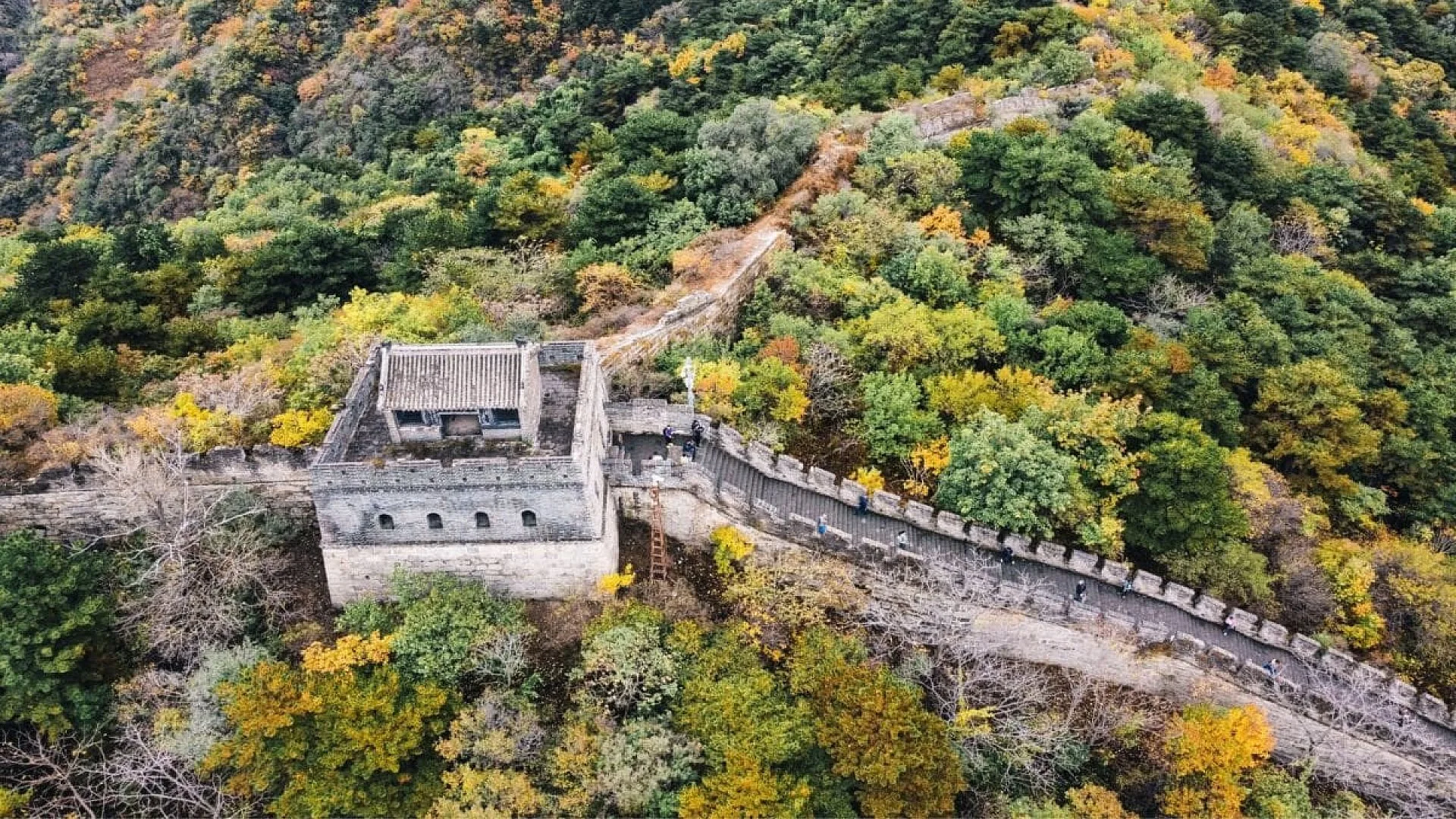
A monumental relic from China’s storied past has emerged from the depths of the Great Wall, casting new light on the lives of those who once called this iconic structure home. The recently unearthed cannon, a product of the Ming Dynasty, stands as a testament to the ingenuity and craftsmanship of a bygone era.
The Great Wall of China, an enduring symbol of defense and strength, has long been the subject of fascination and reverence. Yet, as ongoing excavations continue to unravel its secrets, it becomes increasingly clear that this ancient marvel was far more than a mere military fortification. Recent discoveries at Jiankou offer a glimpse into the lives of those who toiled on this behemoth, revealing a rich tapestry of history that was previously hidden beneath the stones.
Unveiling the Past
The crowning jewel of this excavation is undoubtedly the Ming Dynasty cannon, a behemoth of a firearm that has left archaeologists awestruck. According to Shang Heng, an associate research fellow at the Beijing Institute of Archaeology, the cannon’s inscription – “Chongzhen Year 5” – corresponds to 1632, a pivotal moment in Chinese history.
Weighing in at a substantial 247 pounds and measuring 35 inches in length, this cannon is a masterclass in craftsmanship. Its imposing size and design suggest that it was a formidable weapon, ideally positioned on the Wall’s watchtowers to bolster defenses.
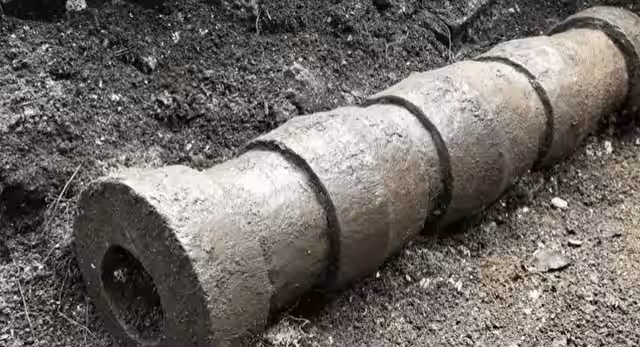
What makes this discovery even more captivating is the cannon’s design, which bears a striking resemblance to European red-coat cannons. This intriguing similarity suggests that military technology may have been exchanged between China and Europe during this period, revealing a level of cross-cultural influence that was previously unknown.
A Glimpse into Life on the Wall
While the cannon is undoubtedly the star of this excavation, it’s the everyday items found alongside it that truly bring this section of the Wall to life. Among the more unexpected discoveries were heated brick beds and stoves, which suggest that soldiers had to adapt to the harsh, cold environment in creative ways.
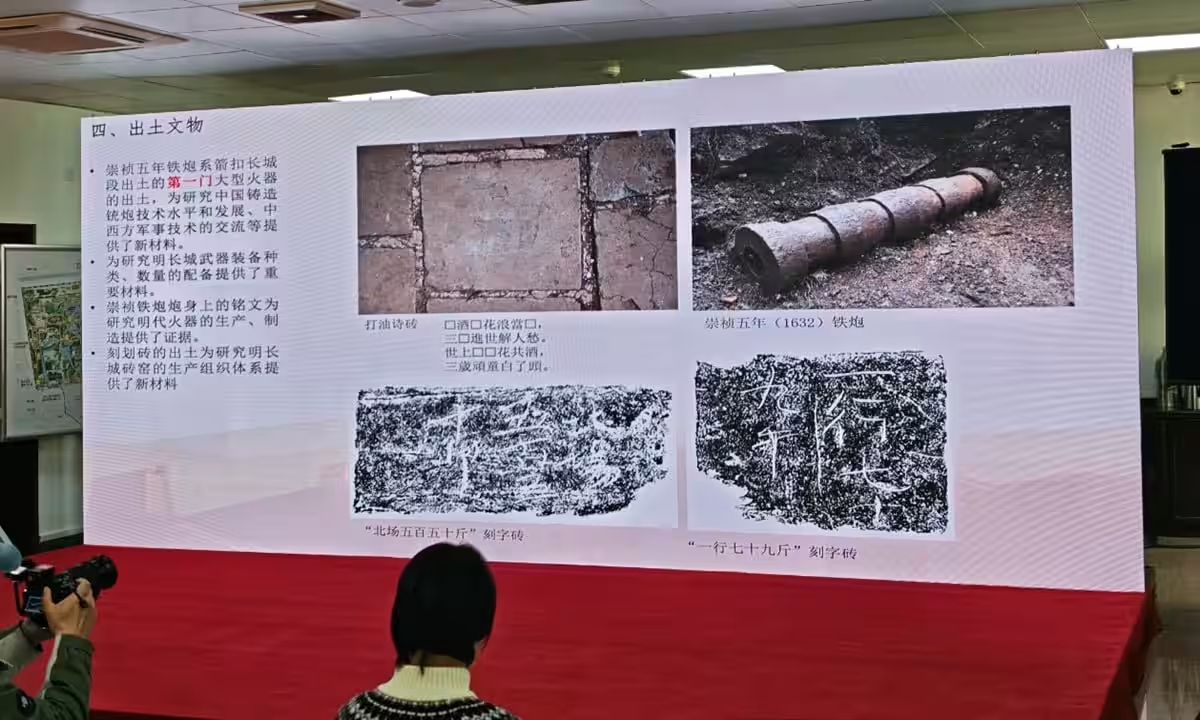
Besides these items, archaeologists have also uncovered animal bones, crops, and medicinal plants, which suggest that soldiers had access to basic resources for survival and health, even in such a remote location.
The Turquoise Enigma
Among the more surprising discoveries were 28 turquoise artifacts, believed to have originated from mines in Hubei, Henan, and Shaanxi. These pieces suggest that the Jiankou section of the Great Wall was part of a larger trade network, with connections stretching beyond the borders of the empire.
“These findings transform the Great Wall from a cold military structure into a living historical landscape integrating defense, cultural exchange, and daily life,” said Heng, as quoted in Global Times.
The presence of turquoise, a valuable commodity, hints at the intricate web of connections between the northern parts of China and other areas, and even possibly beyond the borders of the empire.
The Ongoing Mystery of the Great Wall
The work at Jiankou is far from over, and archaeologists are eager to see what else might be hidden beneath the Wall’s stones. As Heng noted, the Wall’s landscape has remained largely unchanged over the centuries, making it an ideal site for continued research.
“The Great Wall’s landscape and geography have barely changed, making it ideal for ‘time-travel’ style restoration research,” explained Heng.
As the excavation continues, further discoveries are expected, revealing even more layers of this multifaceted monument.
This article has been fact checked for accuracy, with information verified against reputable sources. Learn more about us and our editorial process.
Last reviewed on .
Article history
- Latest version
Cite this page:
- Posted by Hassan Raza