Scientists Found a Giant Squid in Australia’s Remote Canyons, No Submersible Needed
Un enorme calamar ha sido descubierto en las simas más profundas del océano... sin necesidad de sumergirse bajo la superficie.
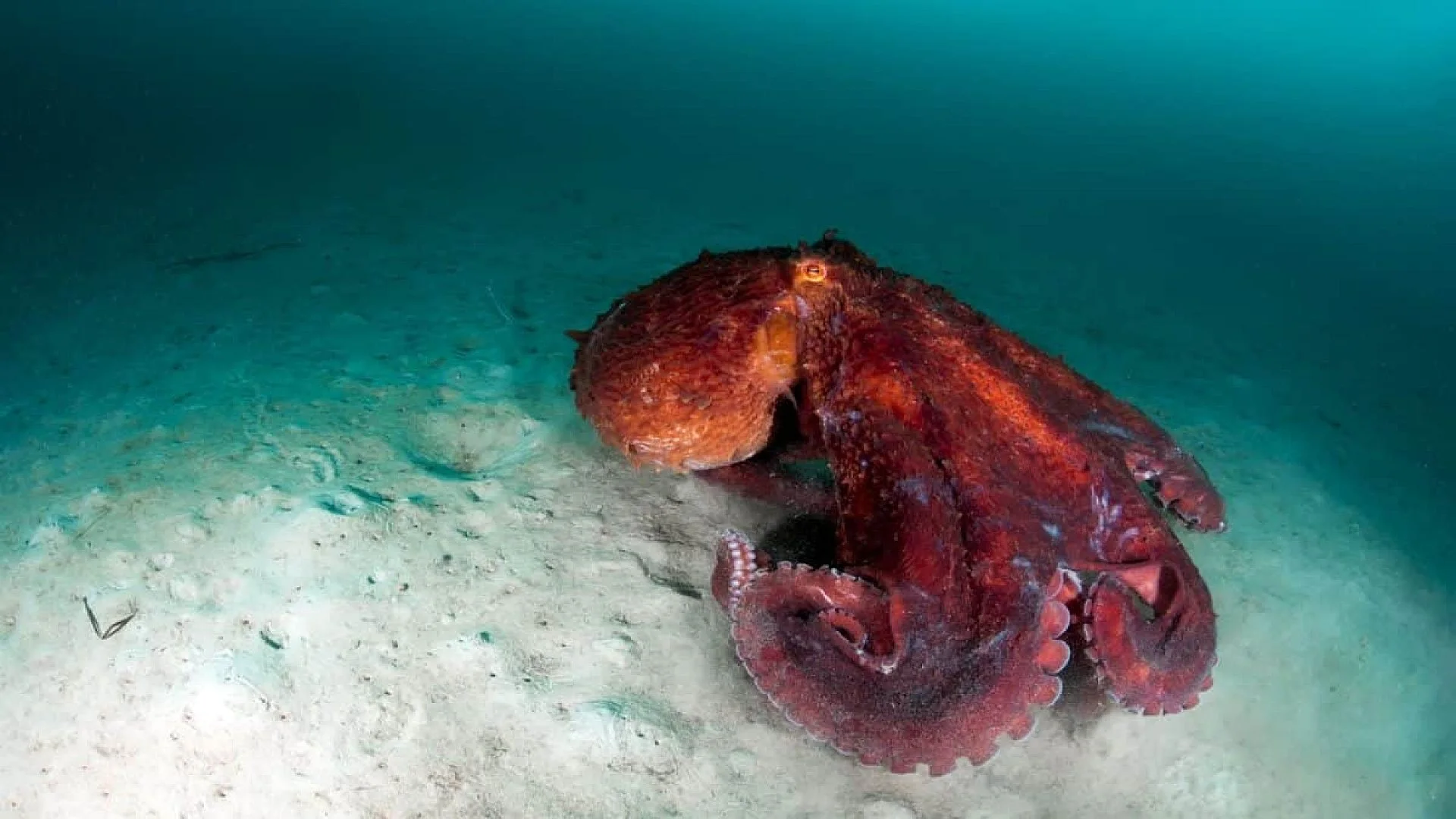
A Groundbreaking Discovery in the Deep Waters of Western Australia
A team of scientists embarked on an extraordinary journey to explore the uncharted waters off Western Australia, and their findings have left the scientific community abuzz. Utilizing cutting-edge environmental DNA (eDNA) technology, the researchers uncovered a treasure trove of marine species, including the elusive giant squid. This remarkable breakthrough, which sheds new light on the mysteries of the deep ocean, has far-reaching implications for our understanding of the marine ecosystem.
The research expedition, conducted aboard the R/V Falkor, a state-of-the-art research vessel from the Schmidt Ocean Institute, ventured into the Cape Range and Cloates submarine canyons, located approximately 1,200 kilometers north of Perth. These canyons, some of the deepest parts of the Indian Ocean, have long been a challenge for scientists due to their remote location and extreme depths. However, the team’s innovative use of eDNA technology allowed them to identify an astonishing 226 species across 11 different animal groups from depths of over 4 kilometers.
Unlocking the Secrets of eDNA in Ocean Exploration
eDNA is a revolutionary approach to gathering information about marine life without the need for visual identification or physical capture. By collecting over 1,000 water samples, each containing tiny traces of DNA left behind by marine organisms, researchers can identify species living in these remote waters, often without ever laying eyes on them. Dr. Georgia Nester, the lead researcher, shared her insights on the power of eDNA.
“We discovered a large number of species that don’t neatly match anything currently recorded,” she explained. “This doesn’t automatically mean they’re new to science, but it strongly suggests there is a vast amount of deep-sea biodiversity we’re only just beginning to uncover.”
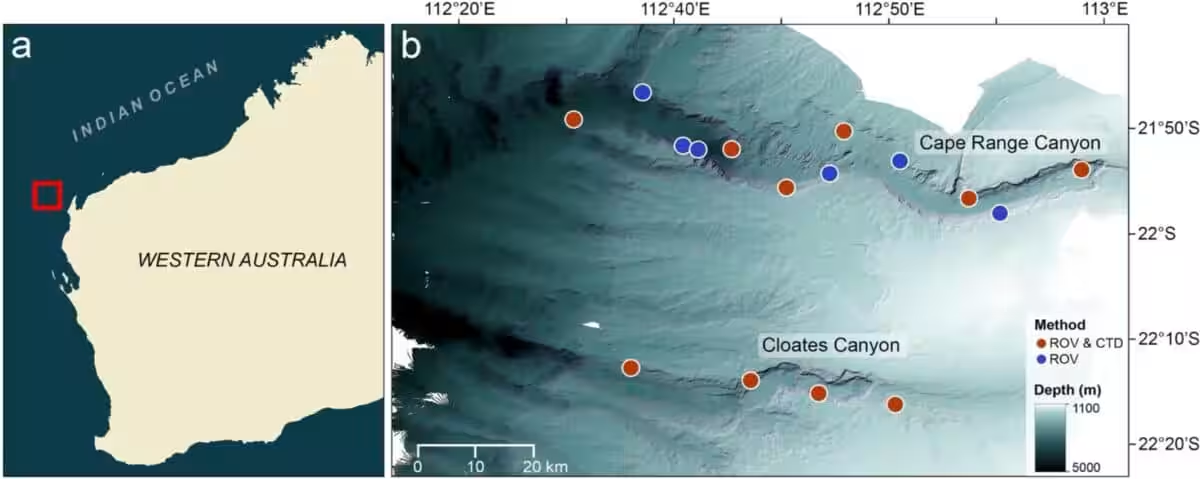
The fact that researchers were able to detect such a wide variety of species without visual confirmation suggests that the deep ocean is far more complex and varied than previously thought.
The Giant Squid: A Deep-Sea Enigma Revealed
Among the most significant discoveries was the detection of Architeuthis dux, the giant squid, a creature that has long fascinated the public. For over 25 years, no sightings of the giant squid had been recorded off Western Australia’s coast.
However, the team detected traces of its DNA in six separate samples from the Cape Range and Cloates Canyons. This marks the first time the giant squid has been identified in the region using eDNA, and it is the northernmost confirmed record of the species in the eastern Indian Ocean. Dr. Lisa Kirkendale, a researcher at the Western Australian Museum, noted the rarity of such discoveries.
“There were only two other records of giant squid from Western Australia, but there had not been a sighting or a specimen for more than 25 years,” she explained.
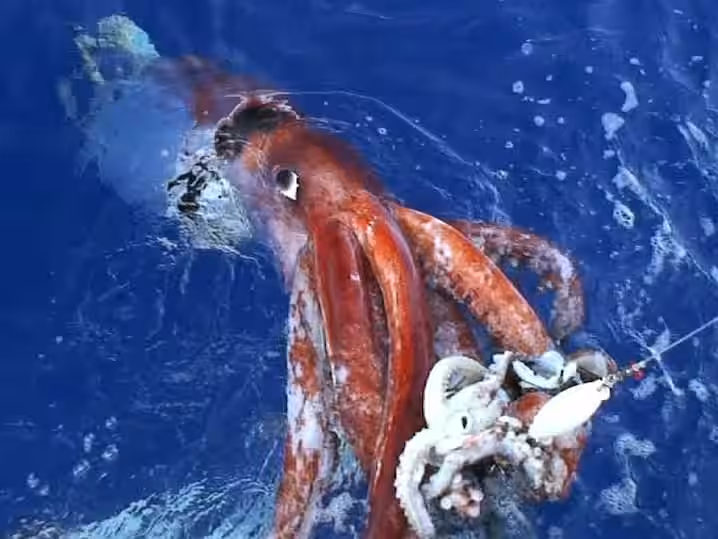
The giant squid, known for its enormous size and elusive nature, lives at depths where few humans have ventured. The DNA traces found in this study suggest that these deep-sea predators in the region could be more common than initially assumed.
A Glimpse into the Uncharted Depths of the Ocean
The giant squid may have stolen the spotlight, but the researchers also uncovered dozens of species never previously recorded in Western Australian waters, including the faceless cusk eel (Typhlonus nasus) and the slender snaggletooth (Rhadinesthes decimus), not to mention several species of deep-diving whales like the pygmy sperm whale (Kogia breviceps) and Cuvier’s beaked whale (Ziphius cavirostris).
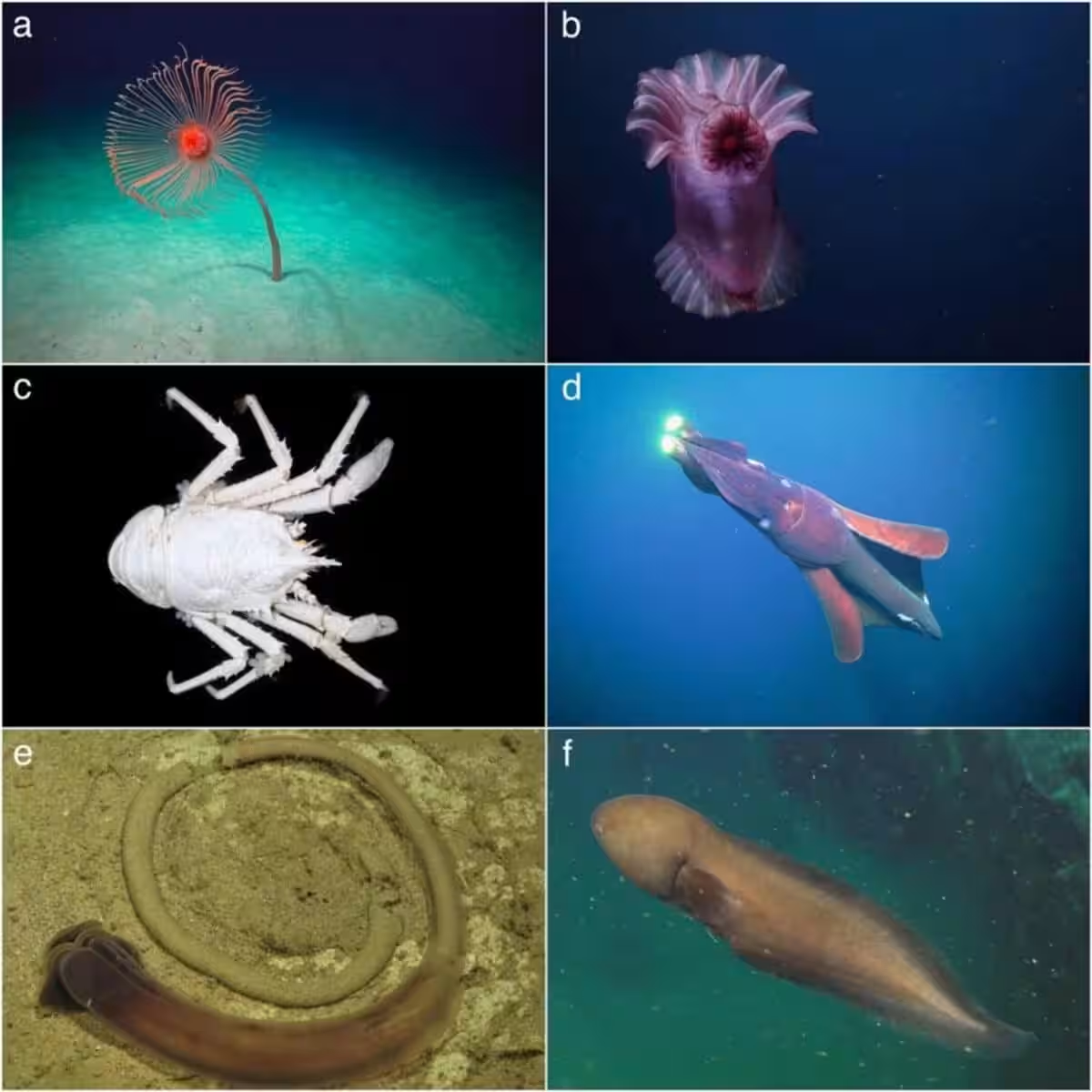
According to Dr. Nester, some of the DNA samples didn’t match any known species at all, suggesting that the team may have stumbled upon previously unknown creatures living in the depths. What’s particularly striking about these discoveries is the realization that we still know so little about the biodiversity of the ocean’s deepest regions.
“You can’t protect what you don’t know exists. The sheer number of discoveries, including megafauna, makes it clear that we still have so much to learn about what marine life lives in the Indian Ocean.”
This article has been fact checked for accuracy, with information verified against reputable sources. Learn more about us and our editorial process.
Last reviewed on .
Article history
- Latest version
Reference(s)
- “Dr Georgia Nester.”, September 3, 2025 Australian National Maritime Museum <https://www.sea.museum/ocean-futures/ocean-changemakers/dr-georgia-nester>.
- “Dr Lisa Kirkendale | Western Australian Museum.” Western Australian Museum <https://visit.museum.wa.gov.au/dr-lisa-kirkendale>.
Cite this page:
- Posted by Hassan Raza