A Student Found 16 Bite Marks On A Fossil And Confirmed That Tyrannosaurs Didn’t Just Hunt Prey, They Turned on Each Other
This ancient specimen gathered dust in storage for quite some time before experts finally conducted a thorough examination. Upon closer inspection, the patterns etched into its bones revealed details that challenge long-held beliefs about tyrannosaur anatomy and behavior.
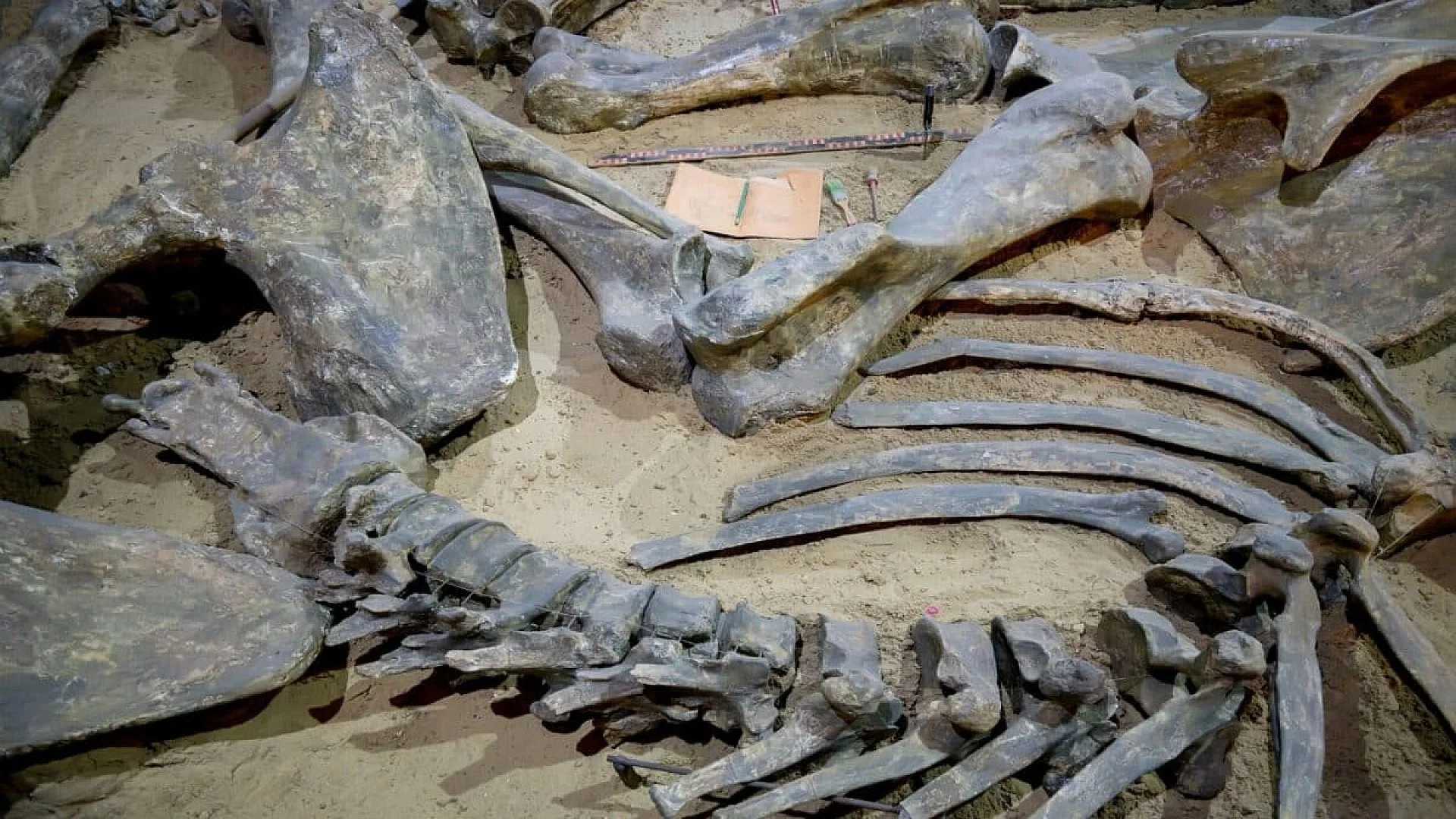
A groundbreaking fossil discovery has turned the tables on one of paleontology’s most enduring myths. A 75-million-year-old tyrannosaur foot bone, measuring a mere 10 centimeters in length, has revealed a shocking truth about these feared predators. According to new research, tyrannosaurs were not just deadly hunters, but also opportunistic scavengers, feeding on the carcasses of their own kind.
The iconic image of the tyrannosaur as a ruthless, unstoppable predator has long been etched in our collective imagination. However, the fossil record tells a more complex story, one that highlights the adaptability and resourcefulness of these ancient creatures.
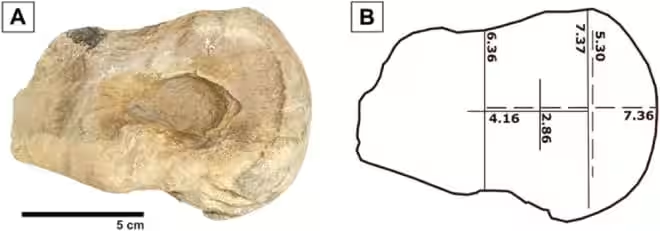
The study, led by Josephine Nielsen, a dedicated Master’s student at the Department of Geoscience at Aarhus University, was published in the prestigious journal Evolving Earth. At the heart of this research is a metatarsal bone, unearthed by an amateur collector in Montana’s Judith River Formation, a site renowned for its exceptional preservation of a Late Cretaceous ecosystem.
A Crime Scene 75 Million Years in the Making
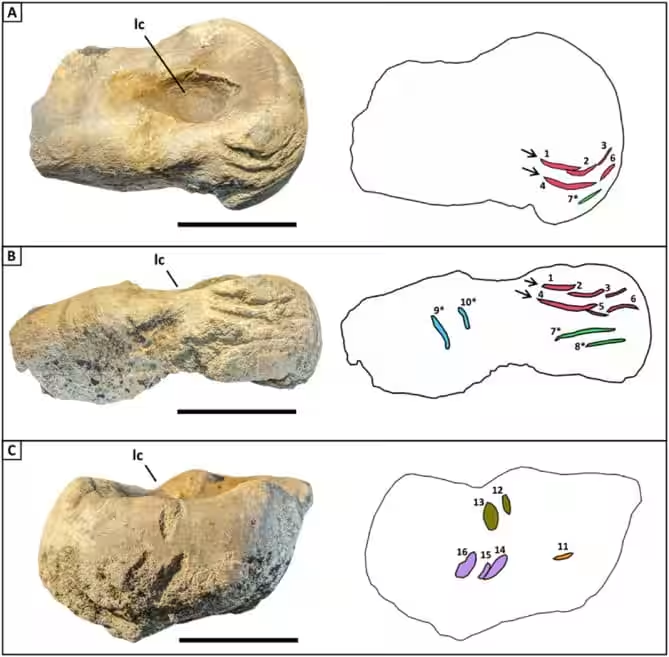
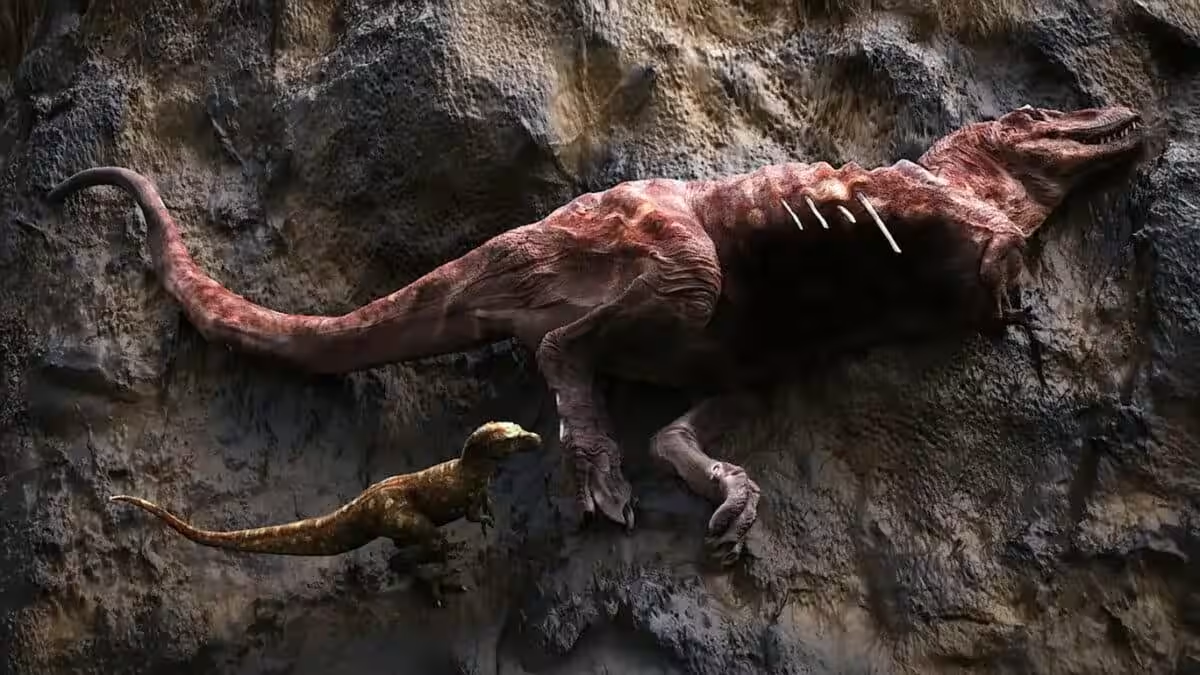
The key to this groundbreaking discovery lies in a fossilized foot bone belonging to a large tyrannosaur. Discovered in Montana’s Judith River Formation, the fossil bore 16 distinct bite marks, suggesting that a smaller tyrannosaur had fed on the remains of its much larger relative. Josephine Nielsen’s team utilized 3D scanning techniques to examine the fossil in great detail, analyzing the depth, angle, and precise placement of each bite mark.
The digital models revealed that the bites were not random but displayed the calculated precision of a smaller dinosaur feeding on tough, marrow-filled bones.
“The bone shows no signs of healing after the smaller dinosaur bites into it,” she explained. “Since the marks are located on the foot, where there is very little meat, it suggests that the dinosaur was ‘cleaning up’ the last remains of an old carcass.”
3D Technology Unlocks Hidden Details
Working directly with the original fossil was not an option, due to its fragility and the risks associated with handling it. Nielsen relied on high-resolution 3D scans and 3D-printed versions for detailed analysis. These digital tools allowed her to zoom in on minute surface details that would have been difficult to assess with the naked eye. To ensure the analysis was rigorous and replicable, Nielsen applied the Category-Modifier (CM) classification system, categorizing each bite mark based on its depth and structure.
“By creating a digital version, I’ve been able to zoom in on very small details,” she explained. “This method categorizes each individual mark based on fixed criteria, allowing us to distinguish everything from glancing tooth strikes to deep crushing bites. It has been like solving an ancient murder mystery, with metatarsal evidence.”
The use of digital technology also minimized the risks associated with handling the original fossil. Although Nielsen found working with the real bone appealing, sending such a delicate fossil through the mail was simply too risky.
A Collaborative Discovery
For decades, these dinosaurs have been portrayed as brutal apex predators, their massive jaws and powerful limbs built for hunting large prey. However, this research, published in Evolving Earth, suggests that tyrannosaurs were not just hunters but also opportunistic scavengers, taking advantage of available resources, even turning to cannibalism under the right circumstances. According to Nielsen, this discovery has important implications for how we view the diet and behavior of ancient carnivores.
“What makes this study special is not just the insight into how the food chain functioned among dinosaurs millions of years ago, but the technique we used to uncover these details.
This scavenging behavior is not unheard of in today’s animal kingdom, as many large carnivores, such as lions and hyenas, scavenge when the opportunity arises.
This article has been fact checked for accuracy, with information verified against reputable sources. Learn more about us and our editorial process.
Last reviewed on .
Article history
- Latest version
Reference(s)
- “Autor Josephine Nielsen, masterstudent at Aarhus University..” EurekAlert! <https://www.eurekalert.org/multimedia/1115827>.
- Nielsen, Josephine., et al. “Investigating size-asymmetric feeding among tyrannosaurids using tooth marks on a metatarsal from the Judith River Formation, Montana, USA.” Evolving Earth, vol. 4, January 1, 2026, pp. 100107 Elsevier BV, doi: 10.1016/j.eve.2026.100107. <https://www.sciencedirect.com/science/article/pii/S2950117226000038?via%3Dihub>.
Cite this page:
- Posted by Hassan Raza