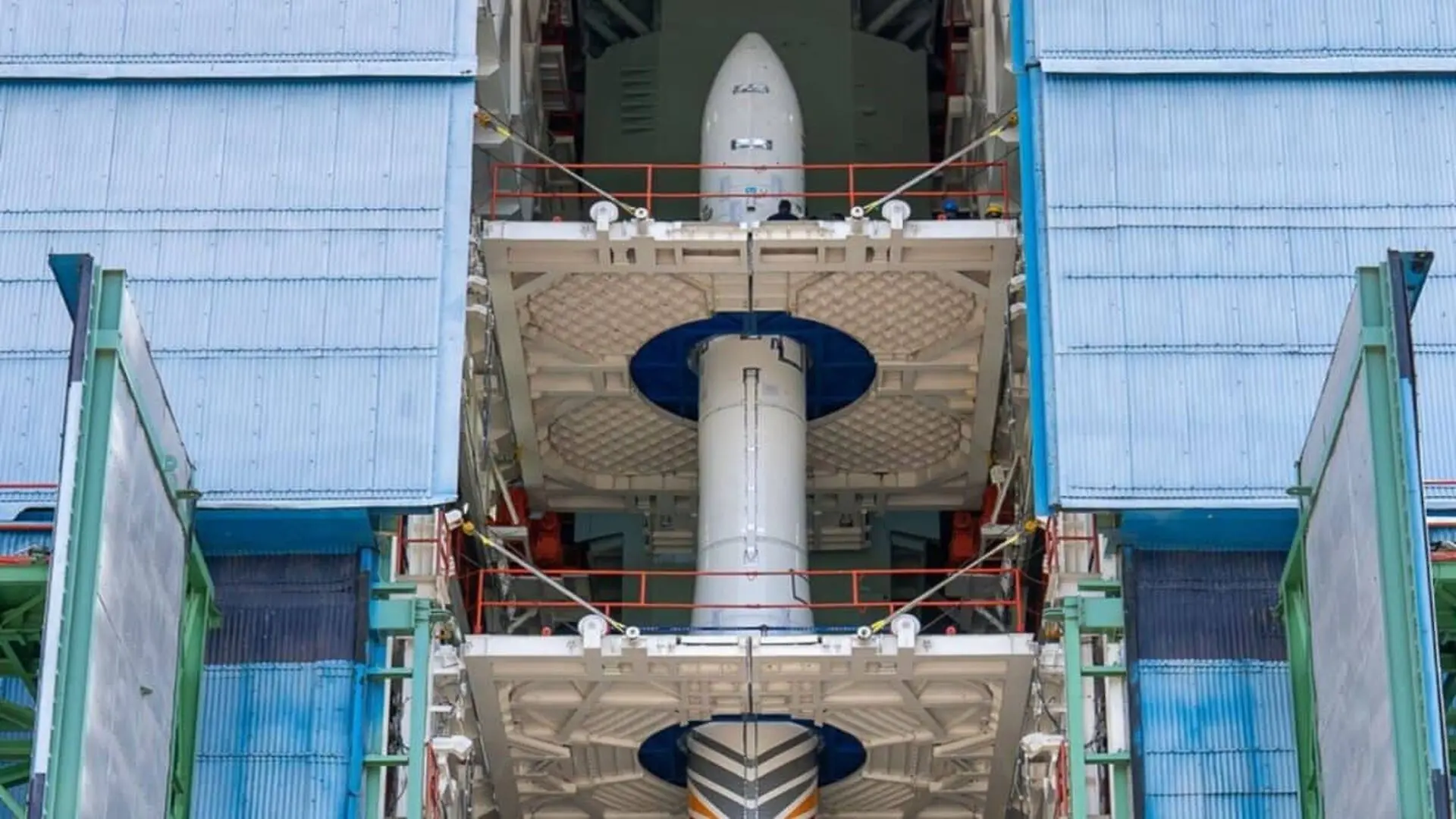
Credit: Skyroot Aerospace via X | Dungrela Publishing
India’s commercial space industry stands on the brink of a historic breakthrough as Skyroot Aerospace readies the first orbital flight of its Vikram‑1 launcher. Success would mark the debut of a privately built orbital vehicle from India and could reshape the market for commercial satellite access.
Skyroot Sets Its Sights on India’s First Private Orbital Rocket
Founded in 2018 by engineers who previously worked at the Indian Space Research Organisation, Skyroot Aerospace set out to deliver more flexible and cost‑effective launch options for satellite operators. While India’s space missions have traditionally been government‑run, the company aims to provide dedicated rides for customers who prefer specific orbital parameters over shared‑payload arrangements.
Co‑founder Pawan Kumar Chandana highlighted the firm’s focus on customer‑centric services. “The ‘cab’ market is what we want to put our mark on with the Vikram series,” he told Space.com. “There are very few opportunities for customers to reach customized orbits today.” By concentrating on small‑satellite launch needs rather than competing with heavy‑lift vehicles that carry dozens of payloads, Skyroot hopes to capture a growing niche that demands tailored orbital insertions. A successful Vikram‑1 flight would demonstrate that Indian private launchers can sit alongside established global providers.
Extensive Ground Tests Pave Way for Vikram‑1’s Mission
Developing an orbital rocket has required systematic validation of propulsion, structures, avionics, software and launch procedures. Over several years, Skyroot has run subsystem‑level tests to trim technical uncertainty ahead of its inaugural orbital attempt. Each ground campaign has bolstered confidence, even as engineers acknowledge that real‑world launch conditions remain the ultimate test.
The upcoming flight is expected to generate a wealth of engineering data beyond merely achieving orbit. “The whole idea is to go there as prepared as possible and to attain as much data as possible from the launch, so that we can get to fast‑paced, high‑frequency launches as soon as possible,” Chandana said. According to Space.com, every stage of the development program is structured to accelerate long‑term operational capability while preserving confidence in the rocket’s performance.
Announcing Vikram-1 Test Flight-1: Mission Aagaman, India’s first private orbital rocket launch.
Satish Dhawan Space Centre, Sriharikota
450 km, 60 degree inclination, Low Earth Orbit
Launch Window: July 12 – August 4, 2026
Early Optimism Fuels Rapid Development Amid Rocket Challenges
Skyroot entered the launch market with an ambitious timetable, betting that its ISRO‑rooted expertise would shorten the path to orbit. “We were very optimistic that we will get to an orbital launch in maybe two, three years from there,” Chandana recalled, adding that “rocket science is rocket science.” The statement captures a common industry reality: unforeseen engineering hurdles often necessitate redesigns, extra testing and extended qualification campaigns.
Despite those setbacks, the team’s initial confidence generated momentum rather than delay. “We learned a lot of things on the go,” Chandana said. “Because of that optimism, we were able to process progress very fast.” This iterative approach has allowed Skyroot to mature its technologies while keeping sight of a broader goal: establishing a competitive commercial launch service.
Leveraging National Infrastructure to Accelerate Commercial Launch Capability
India’s growing commercial space ecosystem has played a pivotal role in Skyroot’s progress. Instead of building every test facility from scratch, the company has tapped into shared resources and collaborations with national institutions. This strategy has trimmed development costs and shortened engineering cycles.
“That accelerates our development cycles, because we need not invest and put energy into building facilities,” Chandana explained. By focusing on rocket design, system validation and operational procedures, Skyroot can concentrate its effort on the core challenges of launch vehicle development.
Should Vikram‑1 reach orbit as planned, the flight would not only validate Skyroot’s technology but also underscore the strength of India’s emerging commercial space sector. Demonstrating that private firms can harness national expertise while delivering globally competitive launch services could attract new satellite customers seeking flexible access in one of the fastest‑growing segments of the international space economy.
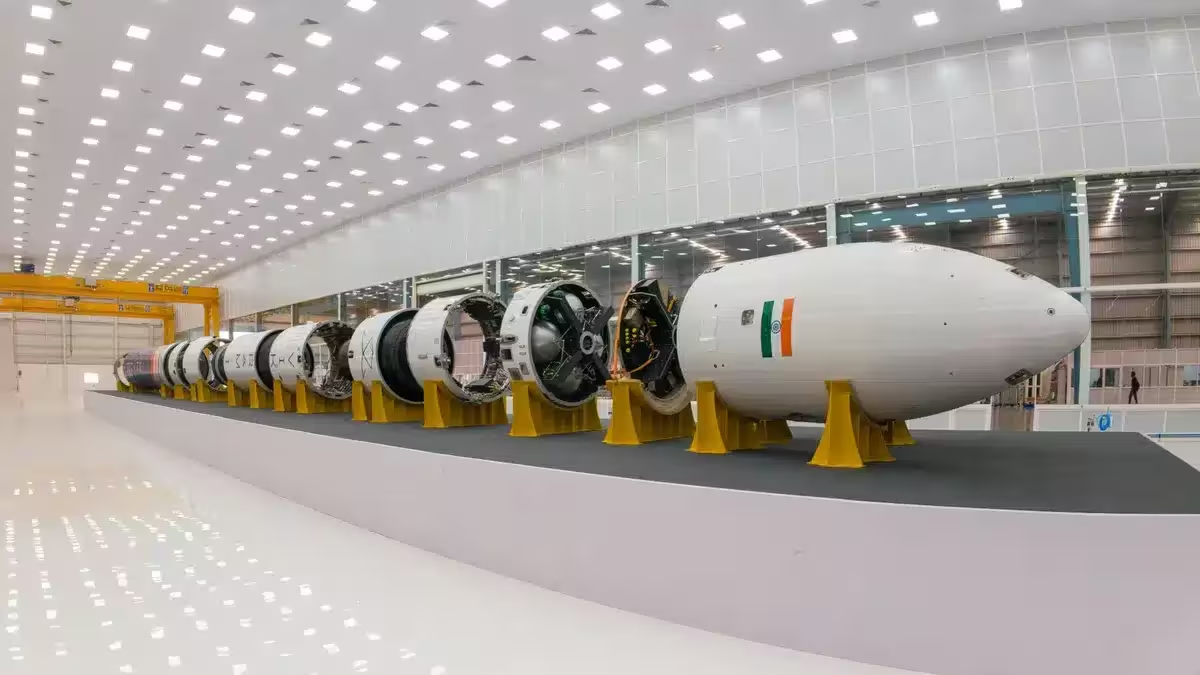
Skyroot Aerospace’s Vikram-1 rocket is seen inside the company’s Infinity Campus in Hyderabad, India. Credit: Sumil Sudhakaran/Skyroot Aerospace
Fact Checked
This article has been fact checked for accuracy, with information verified against reputable sources. Learn more about us and our editorial process.
Das, Karan. “Skyroot’s Vikram-1 Set to Make India’s First Private Orbital Launch: What It Means.” BioScience. BioScience ISSN 2521-5760, 13 July 2026. <https://www.bioscience.com.pk/en/subject/space-science/indias-private-space-race-is-about-to-reach-orbit-with-vikram-1>.
Das, K. (2026, July 13). “Skyroot’s Vikram-1 Set to Make India’s First Private Orbital Launch: What It Means.” BioScience. ISSN 2521-5760. Retrieved July 13, 2026 from https://www.bioscience.com.pk/en/subject/space-science/indias-private-space-race-is-about-to-reach-orbit-with-vikram-1
Das, Karan. “Skyroot’s Vikram-1 Set to Make India’s First Private Orbital Launch: What It Means.” BioScience. ISSN 2521-5760. https://www.bioscience.com.pk/en/subject/space-science/indias-private-space-race-is-about-to-reach-orbit-with-vikram-1 (accessed July 13, 2026).