2026 Perseid Peak Offers Moonless Skies Earthshine Moon And Venus Pairing
Catch the 2026 Perseids alongside a glowing Earthshine Moon for one of the season’s most stunning skywatching weeks.
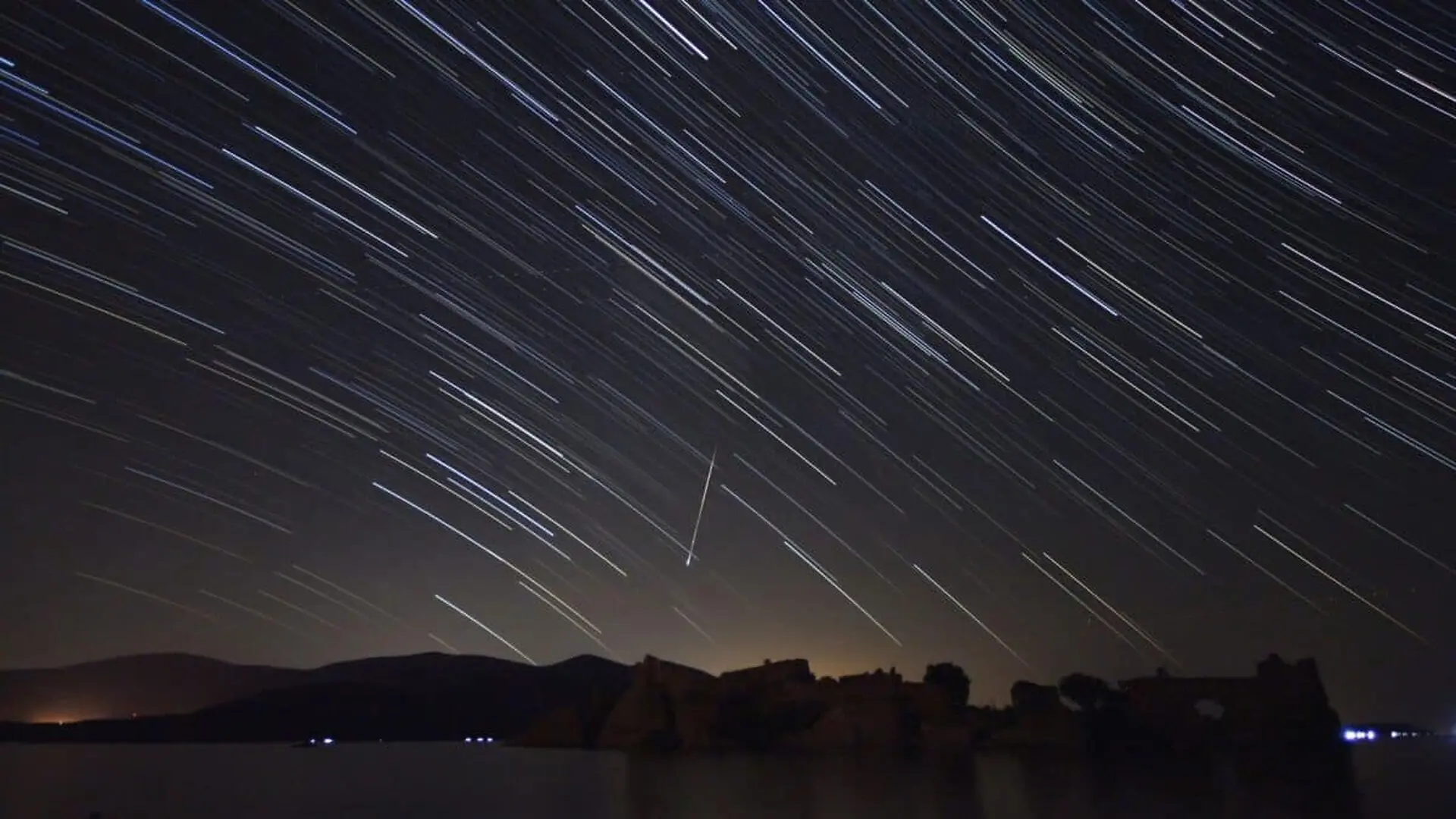
Astronomers and night‑sky enthusiasts have a rare treat this month: the Perseid meteor shower will peak under almost moonless conditions while a thin waxing crescent, illuminated by Earthshine, begins to emerge in the western twilight. The timing creates an ideal backdrop for both casual observers and seasoned photographers to capture the dynamics of our planetary neighborhood.
New Moon Sets the Scene for Dark‑Sky Observing
On July 14 the Moon reaches conjunction, positioning itself directly between Earth and the Sun and rendering its face invisible. This darkness produces some of the clearest night‑time vistas of the year, allowing faint stars, distant galaxies, and the Milky Way’s luminous band to stand out, especially far from city lights. The following evening, July 15, a slender waxing crescent appears low in the western sky, heralding the Moon’s gradual return to evening visibility.
Although only a narrow sliver is sunlit, the remaining portion glows faintly thanks to Earthshine—sunlight reflected off Earth’s clouds, oceans and land that bounces back onto the lunar surface. The resulting soft halo outlines the Moon’s full shape and can be seen with the naked eye on clear evenings. Each night the crescent widens and climbs higher, offering a dynamic target for those tracking its monthly progression.
Perseids Begin Their Annual Sweep
The Perseid meteor shower officially becomes active on July 17, marking the start of one of the most reliable meteor displays each year. The shower originates from debris left by Comet Swift‑Tuttle, which the Earth encounters as it orbits the Sun. Tiny particles burn up in the atmosphere at high speed, producing the characteristic “shooting stars” that pepper the night sky.
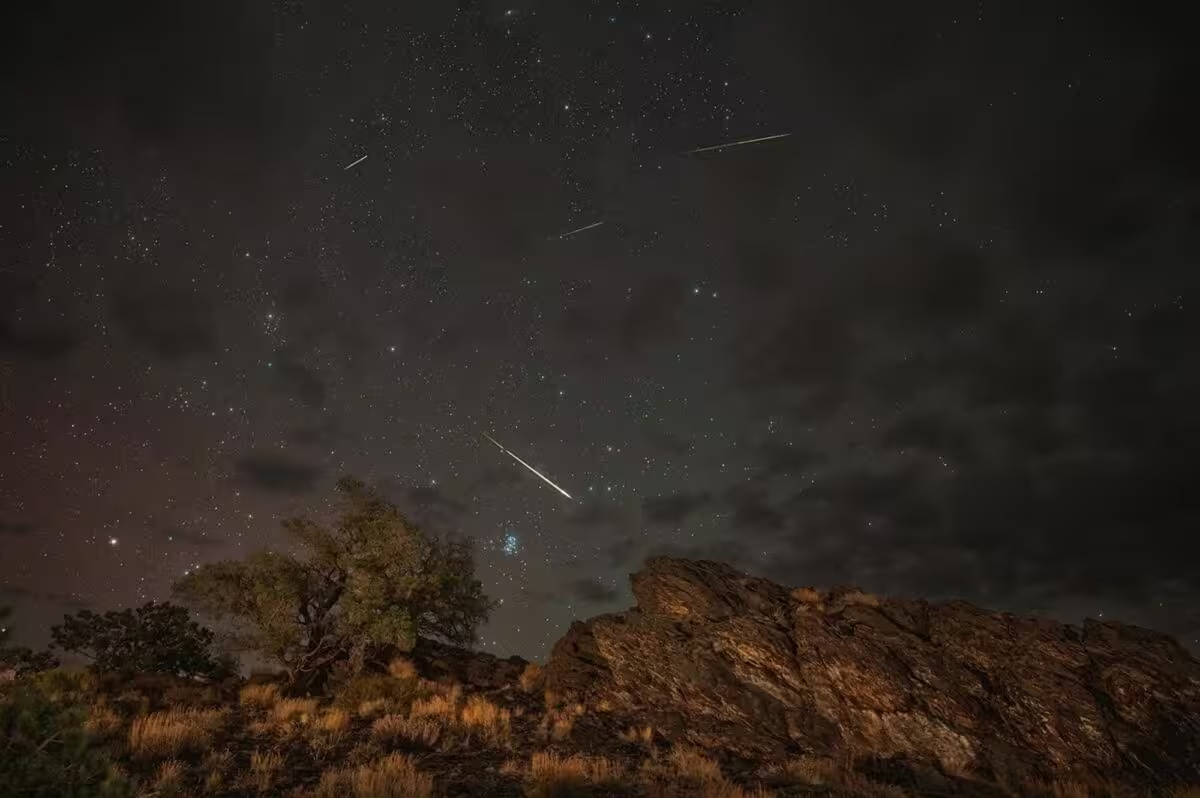
According to the American Meteor Society, activity will continue through August 24, with rates climbing toward a peak on the night of August 12–13. In optimal dark‑sky conditions, observers can expect 60–100 meteors per hour after midnight, including occasional bright fireballs that outshine surrounding stars. The 2026 peak benefits from virtually no moonlight, promising one of the most striking Perseid displays in recent memory for observers away from urban glow.
Venus Joins the Twilight Canvas
As darkness settles on July 16, the thin crescent moon rises low in the west while the brilliant planet Venus shines just above it. By July 17 the Moon has moved slightly left of Venus, creating an easy‑to‑spot pairing for observers of all skill levels. The thinness of the crescent accentuates Earthshine, allowing the faintly illuminated dark side of the Moon to stand out against the deepening twilight.
This trio—bright Venus, delicate crescent, and subtle Earthshine—forms one of the season’s most photogenic sky scenes and offers a tangible lesson in the geometry of the Earth‑Moon‑Sun system without the need for diagrams or simulations.
Why 2026 May Deliver a Record‑Breaking Perseid Show
The convergence of a nearly moonless peak, dark rural skies, and the Earth’s orbital motion toward the Perseid radiant after midnight creates conditions ripe for high meteor rates. Observers situated in low‑light‑pollution areas will benefit from a clear view of the Milky Way overhead, enhancing the visibility of both faint streaks and spectacular fireballs.
Adding to the celestial excitement, the Perseids follow a recent total solar eclipse that was visible across Greenland, Iceland and Spain, with a partial eclipse gracing much of North America and Western Europe. Together, these events make the summer of 2026 a standout period for anyone eager to experience the night sky’s evolving spectacle.
This article has been fact checked for accuracy, with information verified against reputable sources. Learn more about us and our editorial process.
Last reviewed on .
Article history
- Latest version
Reference(s)
- “Meteor Shower Calendar.” American Meteor Society <https://www.amsmeteors.org/meteor-showers/meteor-shower-calendar/>.
Cite this page:
- Posted by Karan Das