Tiny 9‑mm Fossil Jaw Reveals Unexpected Nerve Pattern and Sheds Light on Reptile Evolution
A tiny 225‑million‑year‑old fossil reveals hidden details about the earliest ancestors of modern reptiles, prompting fresh scientific insights.
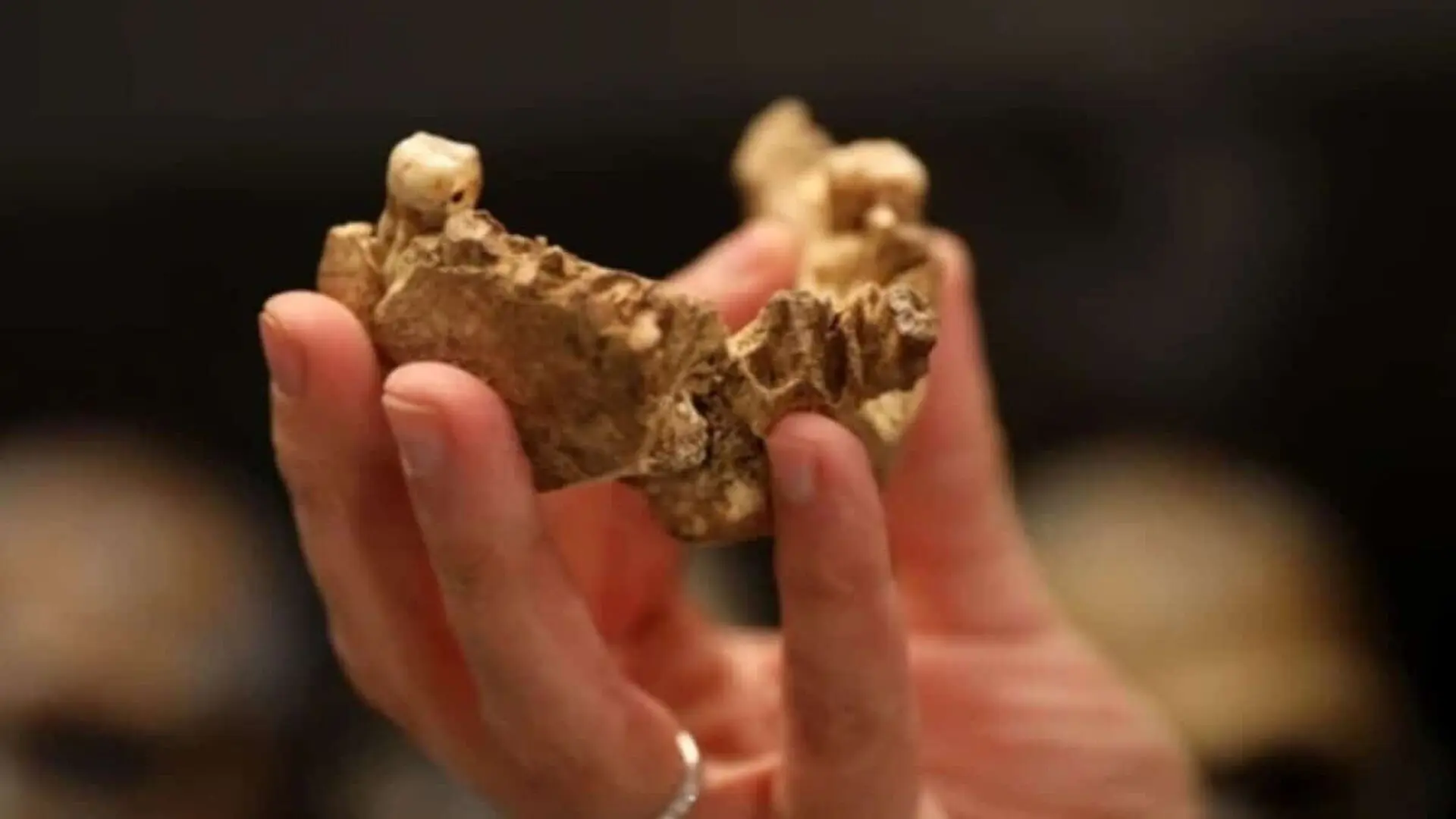
A diminutive fossil jaw unearthed in southern Brazil is shedding light on a missing chapter of reptile evolution that eventually led to today’s lizards, snakes and the tuatara. The bone belongs to Cargninia enigmatica, a scarce species that inhabited Earth roughly 225 million years ago during the Late Triassic.
The newly described specimen supplies anatomical details that were absent from the original find more than ten years ago. By coupling cutting‑edge imaging methods with an expanded phylogenetic framework, scientists now have a clearer picture of where this obscure reptile sits on the evolutionary ladder.
Modern lepidosaurs rank among the most species‑rich vertebrate groups, yet their deep‑time origins remain murky because early members are rarely preserved. Cargninia enigmatica falls within Lepidosauromorpha, the broader clade that gave rise to all living lepidosaurs, making each new fossil a crucial data point.
Living in the early Norian stage of the Late Triassic, the animal shared its environment with some of the planet’s first dinosaurs, early mammal relatives, primitive crocodile‑line archosaurs, and several proto‑tuatara species. Until now, the species was documented from a single fragment of its lower jaw, leaving many aspects of its morphology unresolved.
Additional Jaw Fragment Expands Anatomical Record
Cargninia enigmatica was first introduced to science in 2010 based on an isolated left dentary. That lone piece served as the foundation for every subsequent analysis, limiting confidence in its phylogenetic placement.
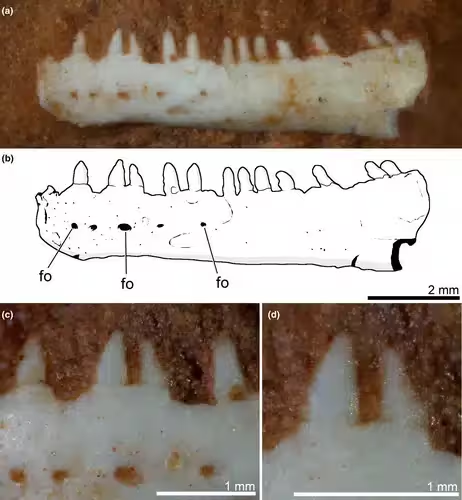
The new fragment was collected from the Linha São Luiz locality in Faxinal do Soturno, Rio Grande do Sul, Brazil—the same formation that yielded the original specimen. Though the partial left lower jaw measures under 9 mm in length, it retains twelve teeth and suggests the complete dentary may have accommodated up to eighteen.
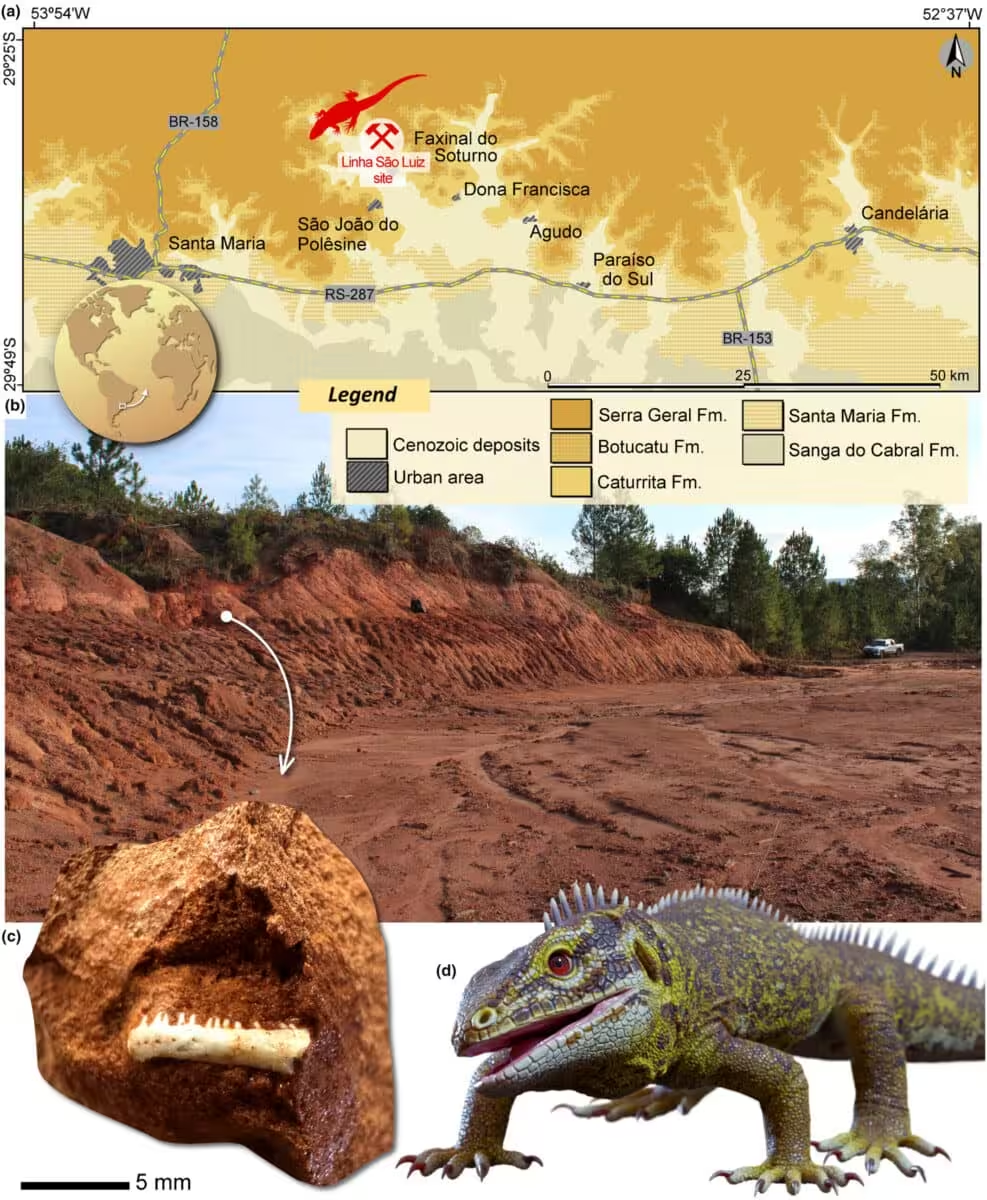
Researchers note that Cargninia enigmatica remains the sole known representative of this stem lineage from Brazilian deposits. The original description highlighted its minute teeth—about 0.4–0.5 mm across—and a subacrodont implantation pattern, which led to its classification as a non‑rhynchocephalian lepidosaur. The study also pointed out a similarity in tooth implantation with the Late Triassic kuehneosaurid Icarosaurus from the United States.
“They also noted similarities between the tooth implantation of Cargninia and that of Icarosaurus, a kuehneosaurid reptile from the Late Triassic Lockatong Formation of the United States.”
Micro‑CT Reveals Hidden Internal Features
To probe the specimen further, the team employed micro‑CT scanning, which captures internal structures without harming the fossil.
The scans disclosed the pathway of the trigeminal nerve, a key conduit for facial sensation and jaw movement. As reported in The Anatomical Record, the nerve’s branching pattern mirrors that observed in extant lepidosaurs.
The authors interpret the findings as evidence that this Triassic reptile likely processed trigeminal sensory input in a manner comparable to modern lepidosaurs. The newly observed internal anatomy also provides data that were unavailable from the original 2010 fragment.
Positioning the Species Within Early Reptile Phylogeny
For the first time, scientists incorporated Cargninia enigmatica into a comprehensive phylogenetic analysis. The results consistently placed the taxon as a non‑lepidosaur lepidosauromorph, reinforcing earlier hypotheses about its evolutionary role.
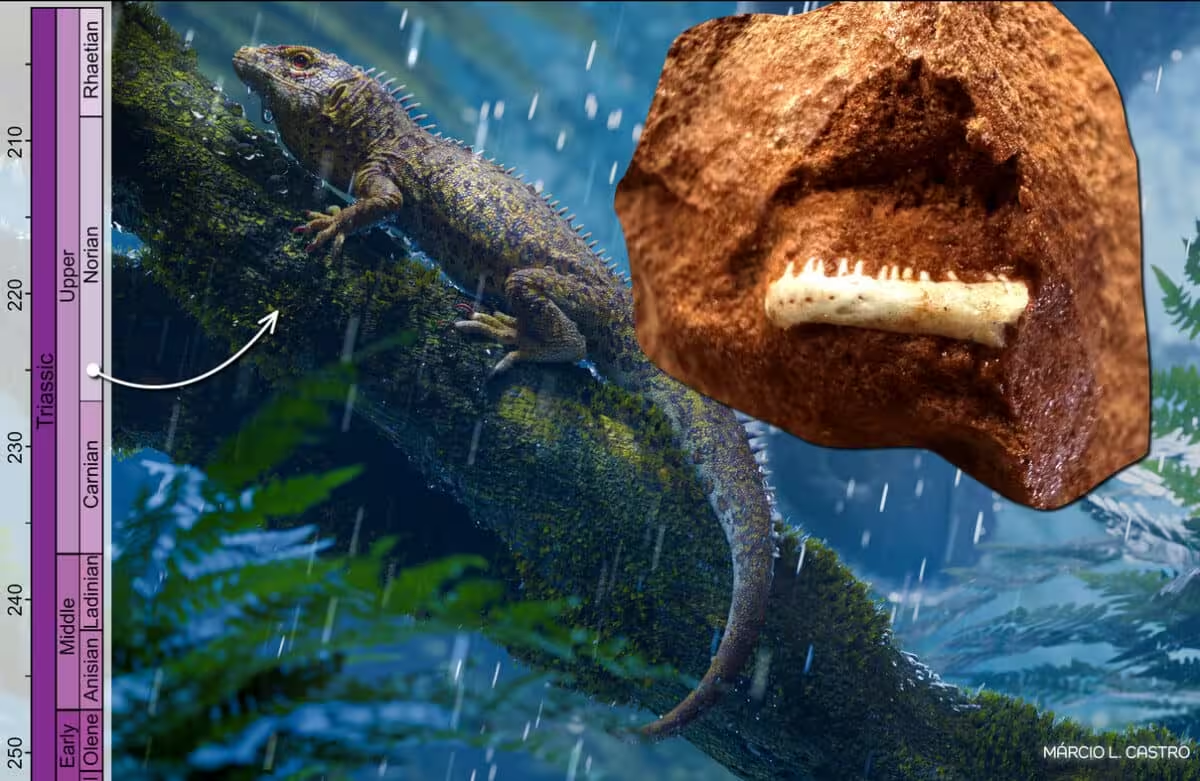
The study underscores the gaps that still exist in our understanding of early lepidosauromorph evolution. While Lepidosauromorpha and Archosauromorpha split near the end of the Permian, several basal members of the lepidosauromorph line lack definitive positions on the evolutionary tree.
This article has been fact checked for accuracy, with information verified against reputable sources. Learn more about us and our editorial process.
Last reviewed on .
Article history
- Latest version
Reference(s)
- Damke, Lísie Vitória Soares., et al. “New fossil unveils the dentary anatomy of the rare lepidosauromorph Cargninia enigmatica from the Upper Triassic of Southern Brazil.” The Anatomical Record, July 4, 2026 Wiley, doi: 10.1002/ar.70268. <https://anatomypubs.onlinelibrary.wiley.com/doi/10.1002/ar.70268>.
Cite this page:
- Posted by Hassan Raza