Ancient Rainforest Fossils Preserved in Rusty Iron Rock Reveal Cellular Details
Extraordinary fossils capture impossible‑to‑see details and unveil the natural process behind their remarkable preservation.
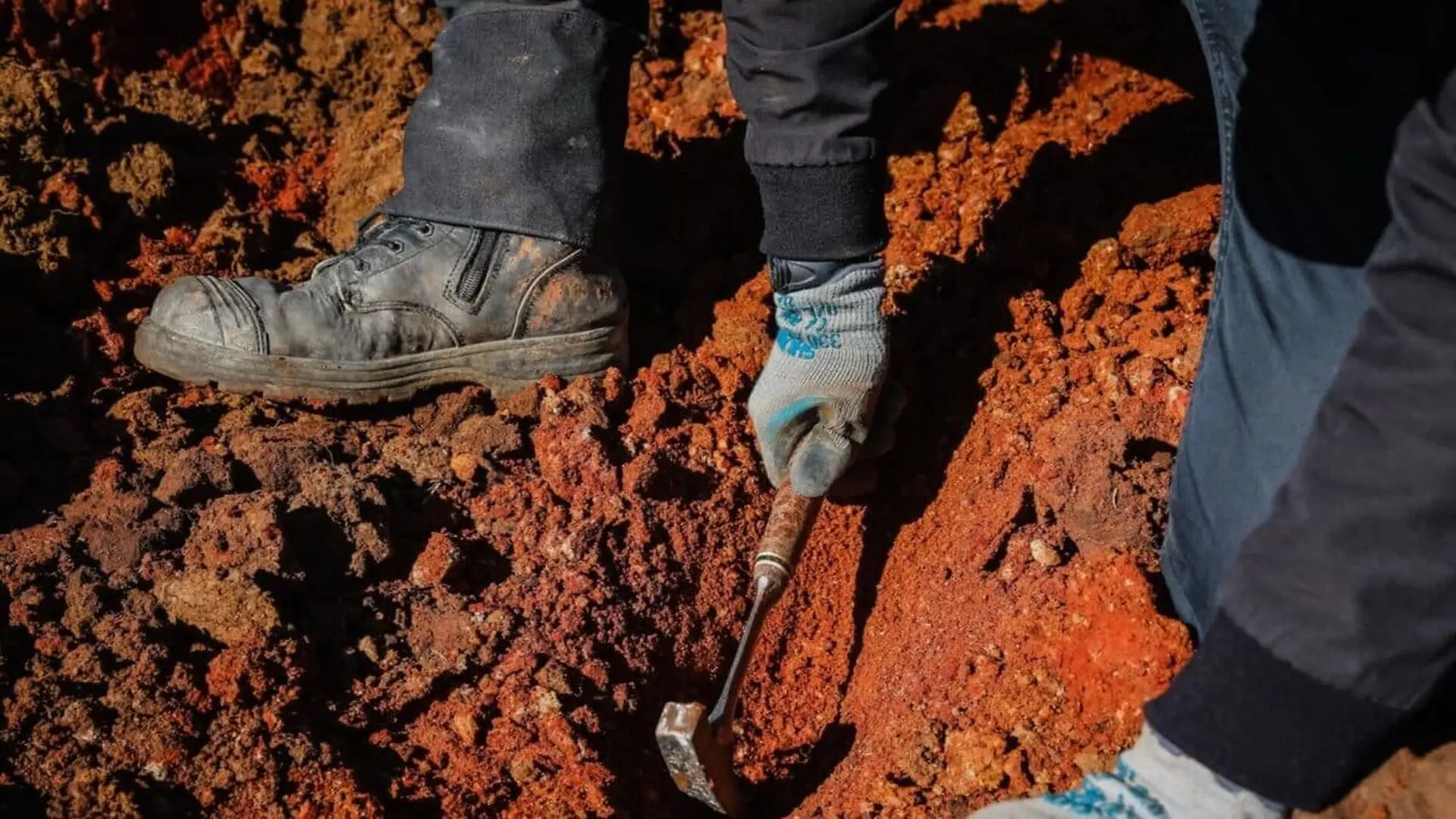
Beneath a dry, dusty stretch of New South Wales farmland lies one of Australia’s most extraordinary fossil archives. The site, known as McGraths Flat, contains iron‑laden rock that has locked in the remains of a Miocene rainforest ecosystem dating from roughly 11 to 16 million years ago.
Modern‑day McGraths Flat is dominated by arid scrub, but during the Miocene the area was blanketed by a humid, tropical forest that supported a diverse array of insects, spiders, fish, birds and plant life. Researchers from the Australian Museum Research Institute have spent several years investigating the sediments, and their latest paper in Gondwana Research reveals how iron‑rich deposits captured this ancient world in astonishing detail.
Iron‑Based Rock Preserves a Lost Rainforest
Typical fossil sites are built on shale, limestone, sandstone or volcanic ash—materials that can quickly entomb organisms and protect delicate tissues. Iconic examples include Germany’s Messel Pit, where 47‑million‑year‑old specimens retain fur and feathers, and Canada’s Burgess Shale, famed for soft‑bodied creatures from about 500 million years ago (rock formations).
McGraths Flat, however, is composed almost entirely of goethite, an iron‑oxyhydroxide mineral that gives the outcrop its vivid red hue. Such iron‑rich lithologies are usually linked to deep‑time geological processes rather than the preservation of terrestrial flora and fauna, making the discovery unexpected.
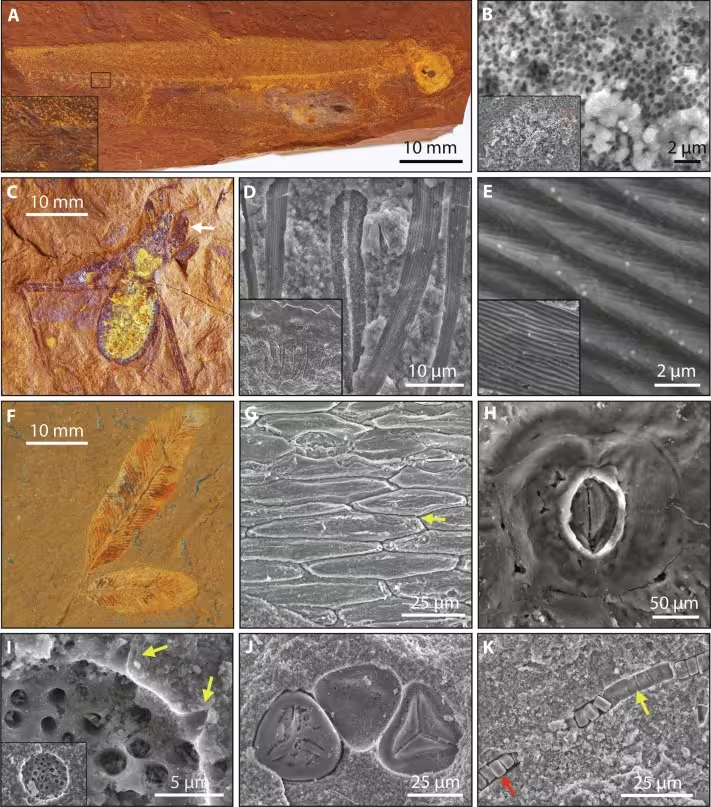
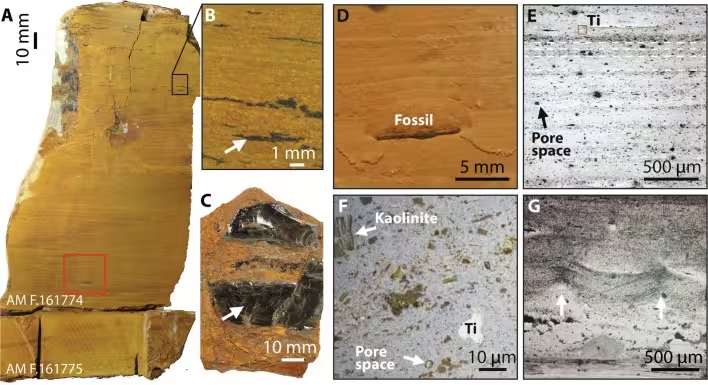
The key to this preservation lies in a fine‑grained ferricrete that forms the rock matrix. Microscopic analysis shows particles as small as 0.005 mm filling the pores of buried organisms, essentially mineralizing tissues at a cellular level (Gondwana Research).
Microscopic Details Reveal Unexpected Biology
Because the iron particles infiltrated living tissue before mineralization, scientists can observe features that rarely survive fossilization. Among the finds are pigment cells in fish eyes, internal organ outlines in insects and fish, spider setae, and even traces of nerve tissue. Such soft‑tissue preservation is especially valuable for terrestrial sites, which are far less common than marine deposits (marine fossil deposits tend to dominate the record).
Rainforest Waters and Iron: A Perfect Preservation Cocktail
The team proposes that during the Miocene, weathering of basalt released iron into the landscape. Acidic groundwater then transported the dissolved metal into an oxbow lake—a former river bend cut off from the main channel. Within this isolated water body, ultra‑fine iron sediments settled on the lakebed, rapidly encasing any organism that fell to the bottom.
As the sediments hardened, they locked in cellular structures, creating the ferricrete that now forms the fossil‑bearing rock. Understanding this pathway may guide paleontologists to analogous sites in other regions where iron‑rich waters intersected with lush ecosystems.
This article has been fact checked for accuracy, with information verified against reputable sources. Learn more about us and our editorial process.
Last reviewed on .
Article history
- Latest version
Reference(s)
- Djokic, Tara., et al. “Taphonomy of soft-tissue preservation in ferricrete at the McGraths Flat Lagerstätte.” Gondwana Research, vol. 149, January 1, 2026, pp. 429-444. Elsevier BV, doi: 10.1016/j.gr.2025.08.012. <https://sciencedirect.com/science/article/pii/S1342937X25002771?via%3Dihub=&__cf_chl_tk=zLFlrqZRJeBcBFWLklMLmpBf_8a11VCcZCPvuMCLBP8-1781953296-1.0.1.1-ZVZevaVN7lXT1Zm3oAMYtWcJi8MhgNBjU7GffXzDlbY>.
Cite this page:
- Posted by Hassan Raza