Why Scientists Propose a Lunar Quarantine Lab to Shield Earth From Alien Life
Scientists call on NASA to build a lunar biocontainment lab to stop dangerous alien microbes from ever reaching Earth.
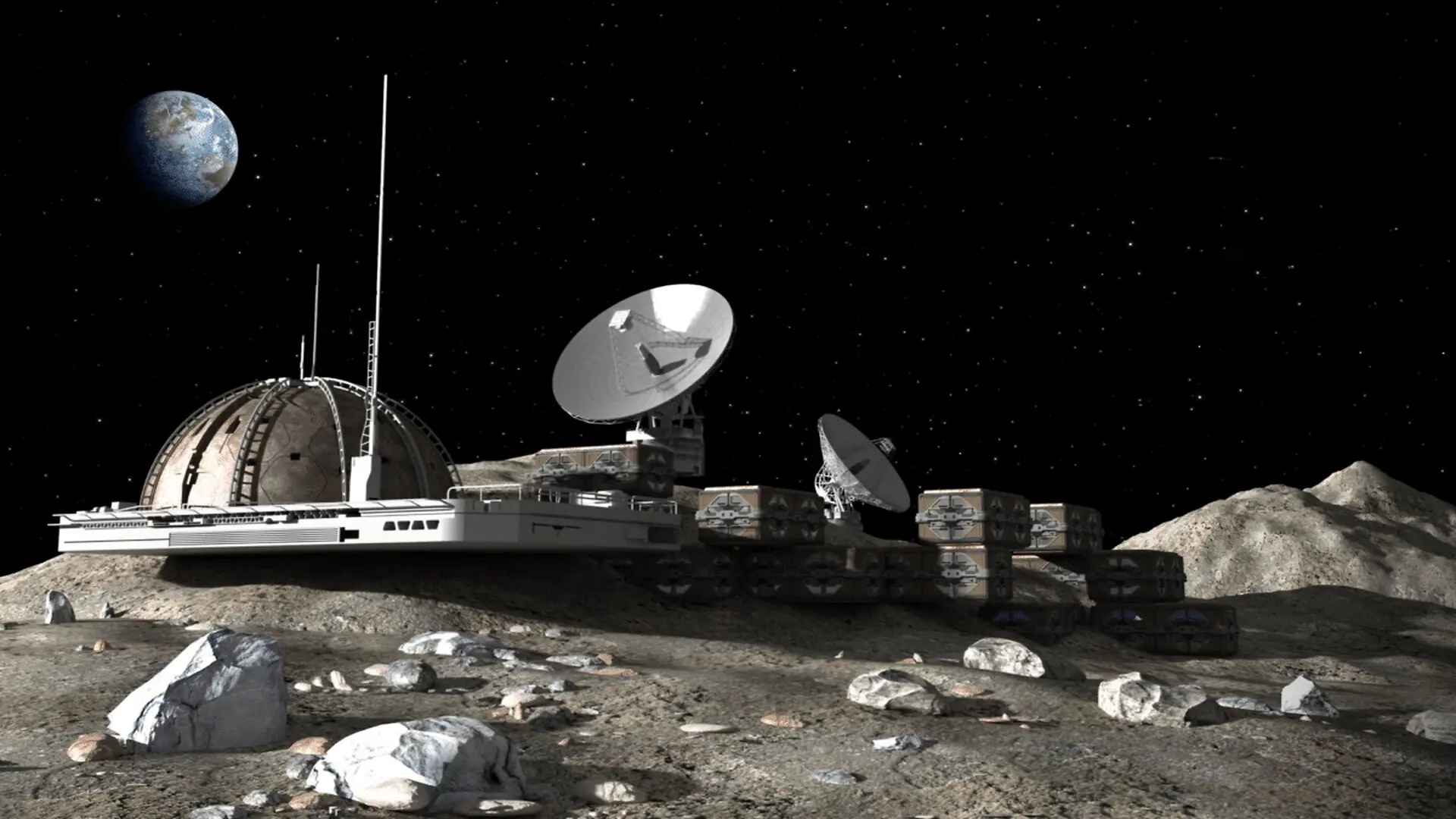
As space agencies gear up to retrieve material from the Moon, Mars and other celestial bodies, a new policy dilemma is emerging: what if the samples carry alien life? While the scenario remains speculative, a coalition of scientists warns that the introduction of an unknown extraterrestrial organism could have far‑reaching effects on Earth’s ecosystems. In a recent Ambio paper, they propose that NASA establish a dedicated biocontainment complex on the lunar surface to isolate and examine space‑borne samples before they ever reach Earth.
Researchers Call for a Space‑Based Bio‑security Hub
Traditional planetary protection rules have centred on keeping Earth’s biosphere separate from other worlds. The prospect of bringing back Mars specimens and similar cargo, however, is stretching those guidelines into uncharted territory. While confirming extraterrestrial life would be a landmark scientific breakthrough, scientists stress that it could also usher in unprecedented biological hazards.
The authors suggest constructing a secure lunar laboratory where every extraterrestrial sample undergoes rigorous analysis prior to receiving clearance for Earth‑bound transport. Such a checkpoint would sit roughly 240,000 miles away from the planet, giving researchers a safe buffer to assess potential threats in isolation.
According to the team, existing Earth‑based containment protocols may fall short when confronting organisms with entirely novel biochemistry. Although space agencies already operate strict safety measures for hazardous biological material, no terrestrial facility can guarantee containment of a life form that defies current scientific understanding. As the cadence and ambition of sample‑return missions increase, the risk of a containment breach grows proportionally, prompting the call for pre‑emptive safeguards.
Lunar Outpost as a Safeguard Against Extraterrestrial Bio‑Hazards
The proposal is straightforward yet ambitious: rather than ferrying samples directly to Earth, missions would first deliver them to a sealed laboratory on the Moon. Robotic systems would manage all handling, testing and containment steps, minimizing human contact and lowering the chance of accidental release.
Proponents argue that the Moon’s remote location offers a natural protective barrier. Any incident occurring within the lunar facility would remain physically detached from Earth’s ecosystems, buying valuable time for scientists to evaluate and, if necessary, neutralize threats.
“Humanity is entering a new era of space exploration, but our planetary protection strategies have not kept pace with the risks associated with returning extraterrestrial samples to Earth,” said paper co-author Frederick I. Moxley, Director of Strategic Threat Analysis and Research Laboratories, an Idaho-based consultancy.
“The proposed facility would essentially act as a firewall between Earth and any potentially hazardous live organisms that could accompany returning future space missions,” said Moxley, whose co-author is Anthony Ricciardi, a James McGill Professor of Biology and the Director of the Bieler School of Environment at McGill University.
The concept underscores a shifting perspective: future missions will likely involve more than rock and dust collection. Projects seeking signs of ancient or present life may eventually encounter biological markers that demand an unprecedented level of caution.

Invasive‑Species Lessons Inform the Precautionary Stance
The authors draw on ecological history rather than space science to frame their warning. Invasive species introductions on Earth have repeatedly shown how organisms lacking natural predators can rapidly dominate new habitats, reshaping ecosystems and causing long‑lasting damage.
Citing the Ambio study, they argue that these precedents provide a useful analog for assessing the risks of extraterrestrial contamination. Even if the odds of encountering alien microbes are uncertain, the potential impact of a novel life form entering Earth’s biosphere warrants serious pre‑emptive planning.
“Decades of research on invasive species have demonstrated how an organism introduced to the wrong place at the wrong time can spread uncontrollably with potentially devastating and irreversible long-term impacts on ecosystems,” said Ricciardi, an expert on biological invasions. “This research justifies a strong precautionary approach against introductions of extraterrestrial origin.”
The team emphasizes that their recommendation does not stem from evidence of existing alien life, but from the principle that low‑probability, high‑consequence events deserve proactive mitigation. They argue that waiting for a biological hazard to appear would be far riskier than establishing safeguards now.
This article has been fact checked for accuracy, with information verified against reputable sources. Learn more about us and our editorial process.
Last reviewed on .
Article history
- Latest version
Reference(s)
- Moxley, Frederick I.., et al. “Protecting earth from extraterrestrial contamination: The case for a lunar biocontainment facility.” Ambio, May 28, 2026 Springer Science and Business Media LLC, doi: 10.1007/s13280-026-02428-5. <https://link.springer.com/article/10.1007/s13280-026-02428-5>.
Cite this page:
- Posted by Hassan Raza