CT Scan Reveals New 210‑Million‑Year‑Old Croc Predator From 1948 Ghost Ranch Fossil
A long‑lost fossil reveals a new 200‑million‑year‑old predator, shedding light on an ancient world previously unknown to science.
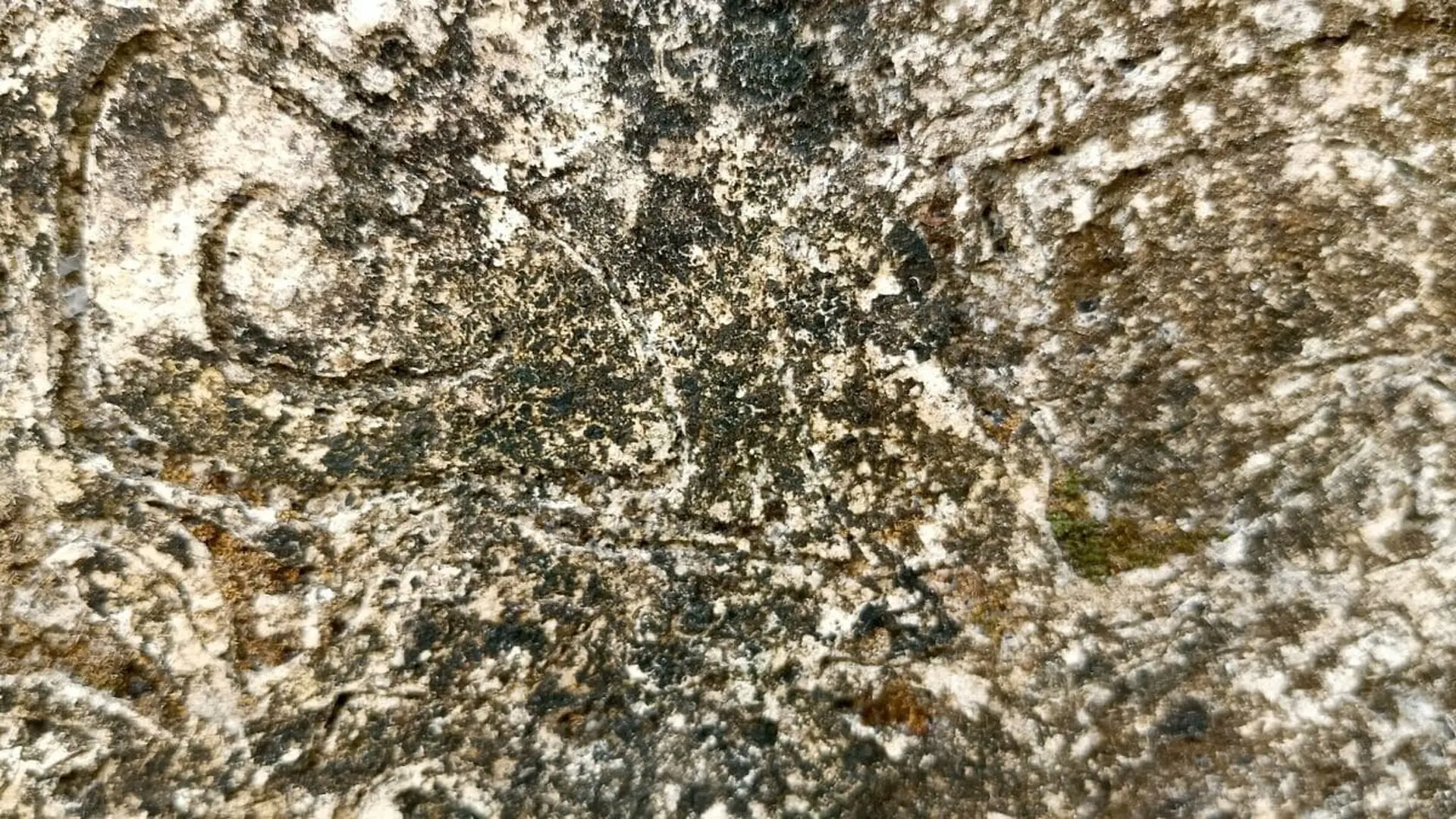
Researchers have unveiled a previously unknown crocodile‑like reptile that roamed what is now northern New Mexico about 210 million years ago. The specimen, unearthed in 1948 at the renowned Ghost Ranch fossil site, lay dormant in Yale’s Peabody Museum collection for decades before modern imaging revealed its distinct anatomy.
Late Triassic Predator Distinct from Its Speedy Contemporary
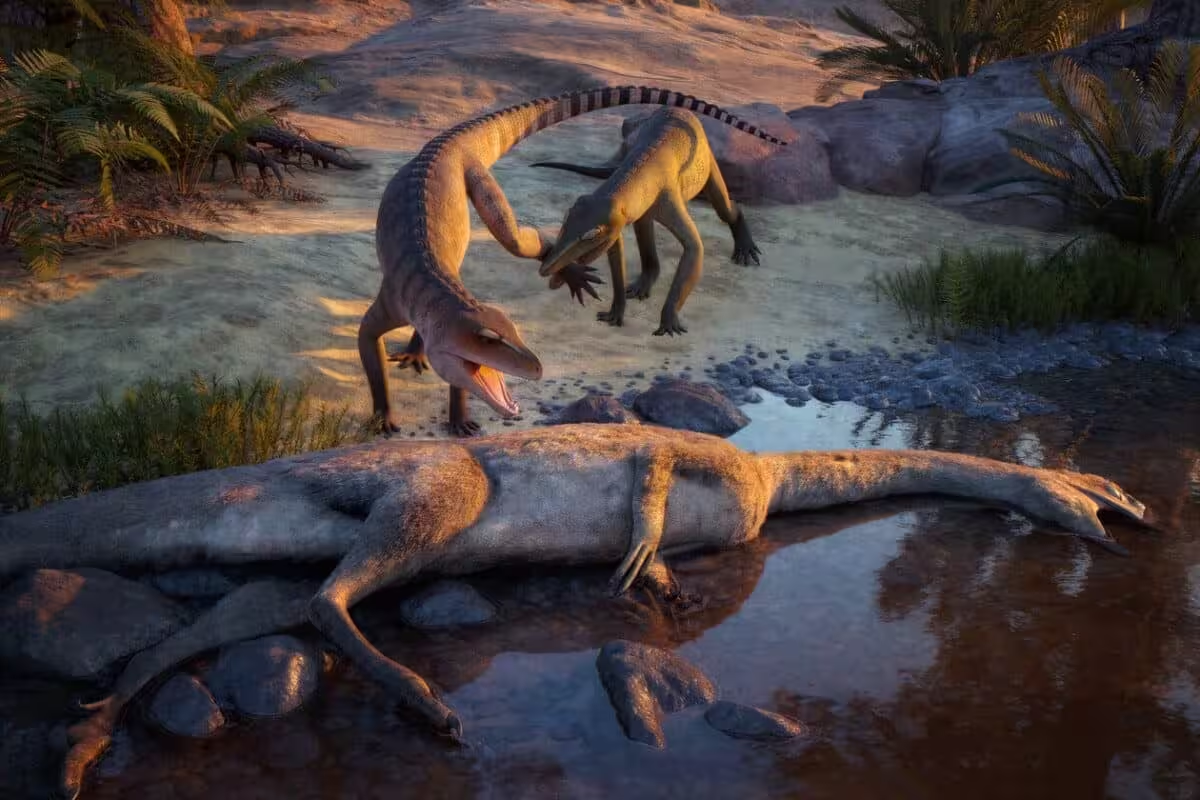
The Ghost Ranch deposits capture a humid riverine ecosystem populated by a variety of reptiles. One of these, Hesperosuchus agilis, possessed a long snout, robust hind limbs and a lightweight build, traits that suggest a fast‑pursuing hunting style.
In contrast, the newly described Eosphorosuchus lacrimosa exhibited a shorter snout, a reinforced skull and enlarged jaw muscles, indicating a bite‑focused predatory strategy. Both taxa were recovered from the same bone bed, hinting that a single catastrophic event may have entombed them together.
Advanced Imaging Unlocks Hidden Anatomy
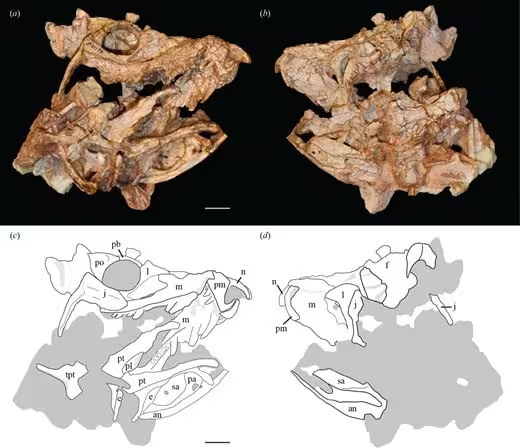
The breakthrough came from computed tomography (CT) scans performed at the Yale Chemical and Biophysical Imaging Center. Ph.D. candidate Miranda Margulis‑Ohnuma processed the scans, digitally separating fossil fragments from surrounding matrix and revealing previously inaccessible skeletal features.
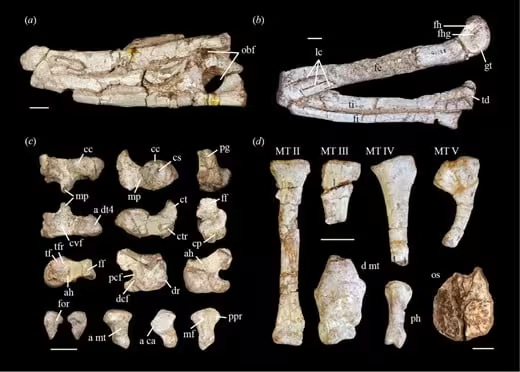
The analysis, published in Proceedings of the Royal Society B, highlighted several skull and facial differences that separate the specimen from known Hesperosuchus material, confirming it as a new genus and species.
The authors coined the name Eosphorosuchus—combining the Greek “Eosphorus,” the dawn deity, with “soukhos,” meaning crocodile—to emphasize its position at the early stage of crocodylomorph evolution.
“During this period, the late Triassic, there were two reptile dynasties vying for dominance: the line that would produce crocodiles and alligators on one side, and that which would produce birds, which of course are dinosaurs, on the other,” he said.
“Eosphorosuchus is one of only a handful of well‑preserved early crocodile relatives, and its coexistence with Hesperosuchus represents the ‘dawn’ of functional diversification in the lineage that would give rise to modern crocodiles,” Margulis‑Ohnuma explained.
“It’s a time‑slice of a single moment 210 million years ago,” Bhullar said. “These two individuals had to compete and interact with each other. They were quite possibly looking at each other when they died.”
Ghost Ranch Continues to Expand Triassic Record
The Ghost Ranch Bone Bed, explored for nearly a century, has yielded a diverse assemblage that includes early crocodylomorphs, fish, lizard relatives and the dinosaur Coelophysis bauri. The rock slabs housing the new specimens remain in the Peabody Museum, together occupying roughly the volume of an automobile.
By adding Eosphorosuchus lacrimosa to the roster of known late Triassic crocodylomorphs, the study underscores the ecological complexity that preceded the rise of modern crocodiles.
This article has been fact checked for accuracy, with information verified against reputable sources. Learn more about us and our editorial process.
Last reviewed on .
Article history
- Latest version
Cite this page:
- Posted by Hassan Raza