Major Oak in Sherwood Forest Dies After 1,200 Years, Leaving Robin Hood Legacy
Sherwood’s legendary Major Oak, over a thousand years old, is dying, marking the end of a historic tree with global ecological and cultural impact.
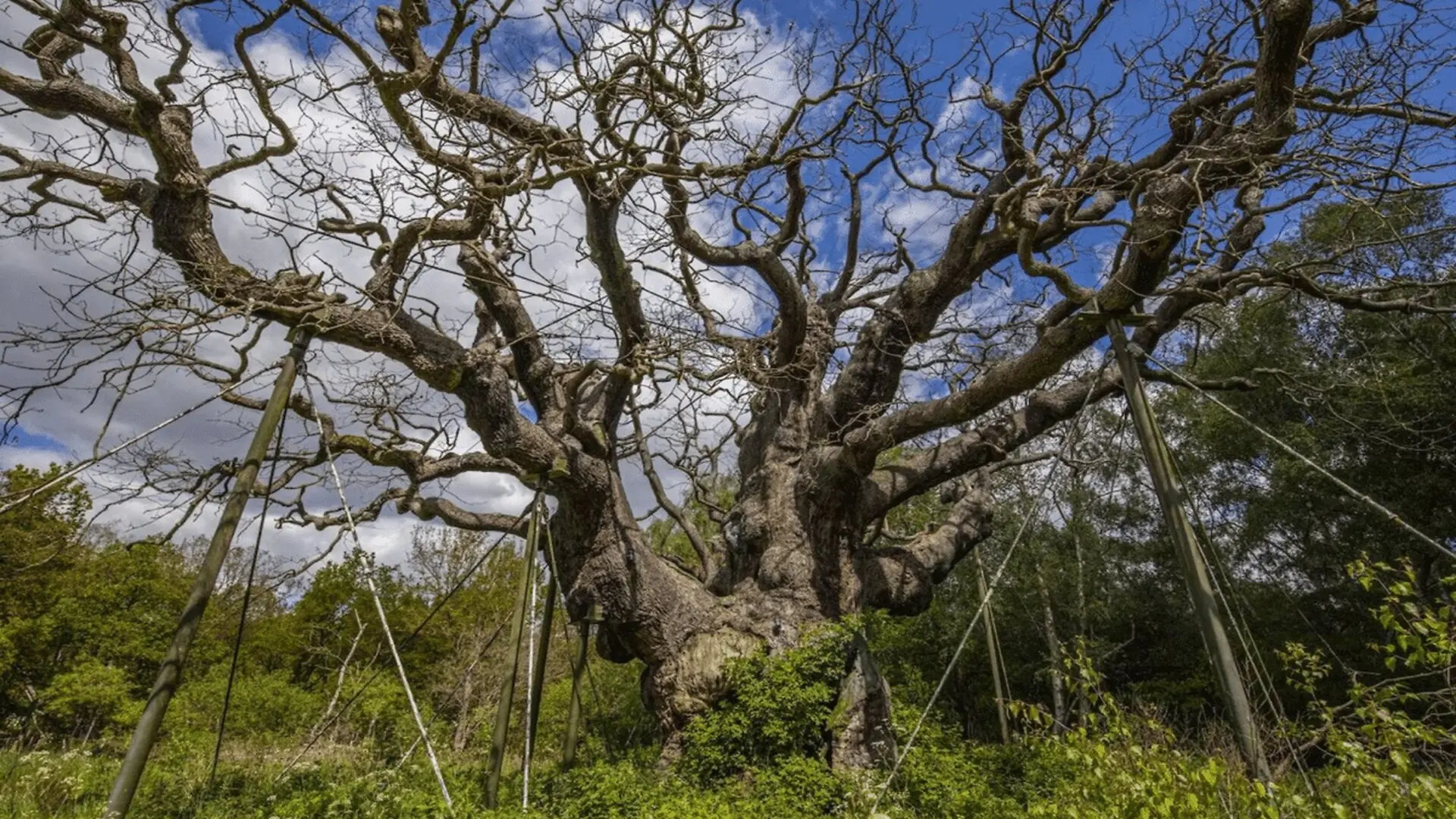
After surviving for roughly 1,200 years, the iconic Major Oak in Sherwood Forest has entered the final stage of its life cycle. The venerable tree, once among the United Kingdom’s most celebrated natural icons, showed a prolonged period of decline before failing to leaf out in the latest growing season. Its towering trunk and expansive canopy had long drawn tourists and conservationists alike, embodying a bridge between the natural world and the Robin Hood mythos. Decades of environmental strain and the inevitable effects of aging eventually overwhelmed the ancient oak.
A Century of Stress and Gradual Weakening
As reported by ABC News, the Major Oak’s deterioration stems from a mix of senescence and long‑standing ecological pressures. Researchers tracking the tree noted a deteriorating root network that limited its capacity for seasonal growth. Compromised soil quality around the roots further restricted nutrient absorption, adding to the oak’s vulnerability.
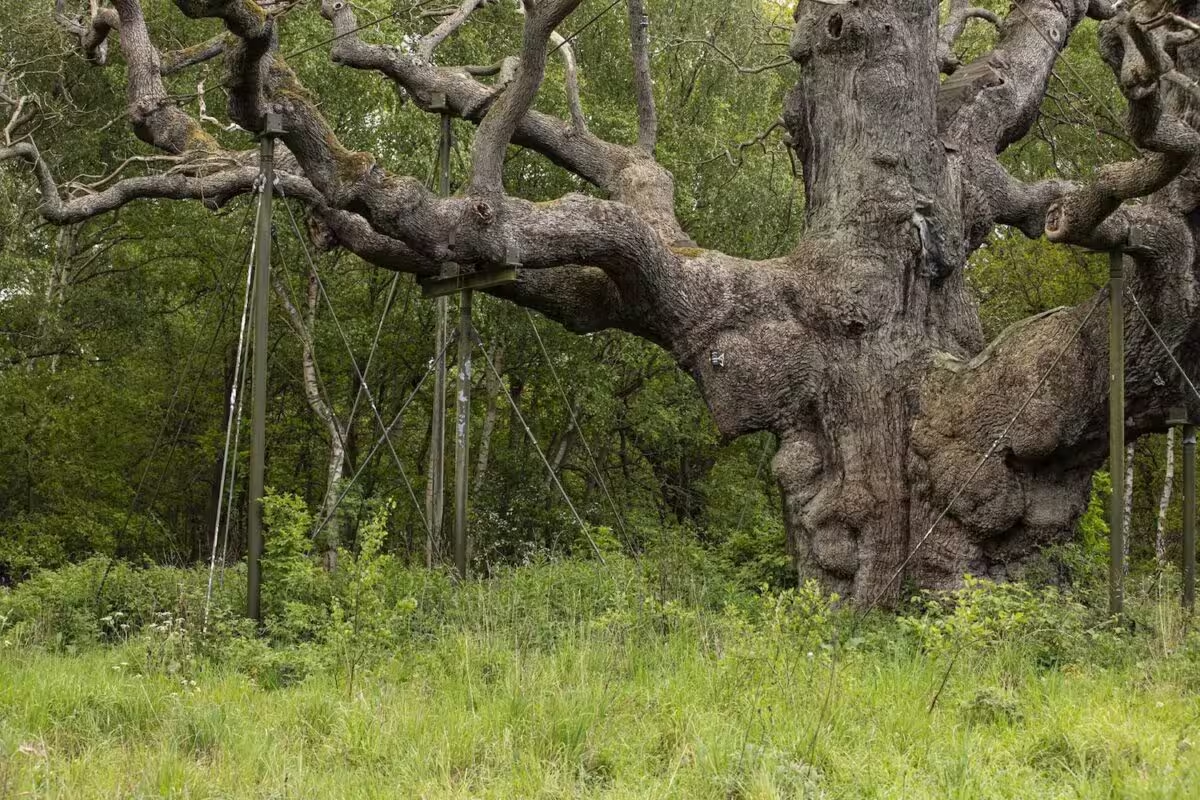
In recent decades, increasingly erratic weather—such as intense heat waves and prolonged droughts—has amplified these challenges, hastening the oak’s decline. Protective interventions, including structural supports, may have unintentionally disrupted its natural physiological processes. The lack of fresh foliage served as the most visible indicator that the tree’s vitality had faded, sealing its long‑term trajectory toward the end of its living phase.
Beyond a Tree: A Cultural Touchstone
The Major Oak has long functioned as a tangible link between Sherwood Forest and the timeless Robin Hood saga. Visitors for generations have been drawn to its sheer size, historic age, and legendary connections. Conservation teams emphasize that, even in its current state, the oak continues to support the forest’s ecological balance.
Hollie Drake, senior site manager at RSPB Sherwood Forest, said:
“Whilst the tree’s failure to produce leaves this year is heart‑breaking for everyone — from the many people over the years who have looked after this magnificent tree to the millions who have travelled here to see it — we know the Major Oak will have a lasting legacy, first and foremost because it is so inextricably linked to Robin Hood and Sherwood Forest,” Hollie Drake, senior site manager at RSPB Sherwood Forest, said in a statement.
The oak’s heritage is also being safeguarded through propagation projects that nurture saplings from its acorns. Officials noted, “There are Major Oak saplings planted in locations right around the world, so we are planning work to ensure that its offspring will grow and generate their own acorns — and legends — for centuries to come,” underscoring a commitment to extending its lineage beyond the original trunk.
From Living Monument to Habitat Provider
Although the tree’s active growth has ceased, its decaying structure now offers a niche for a variety of species that thrive in ancient wood habitats, transforming it into a valuable ecological asset. This shift mirrors natural woodland cycles, where decline paves the way for new biodiversity opportunities. Visitors continue to encounter the oak as a physical presence, reinforcing its dual role as a historic landmark and a living component of the forest’s ecosystem. Conservation dialogue now frames the Major Oak as part of an ongoing environmental narrative rather than a final endpoint.
This article has been fact checked for accuracy, with information verified against reputable sources. Learn more about us and our editorial process.
Last reviewed on .
Article history
- Latest version
Reference(s)
- Moore, Jack. “Thousand-year-old ancient oak tree tied to 'Robin Hood' legend has died, wildlife charity says.”, June 19, 2026 ABC News <https://abcnews.com/International/thousand-year-ancient-oak-tree-tied-robin-hood/story?id=134021818>.
Cite this page:
- Posted by Hassan Raza