NASA Sends Mini Navigation Cube To Lunar Relay Satellite, Paving Way For Moon GPS
NASA unveils a compact navigation system designed to enable future lunar communications and support upcoming exploration missions.
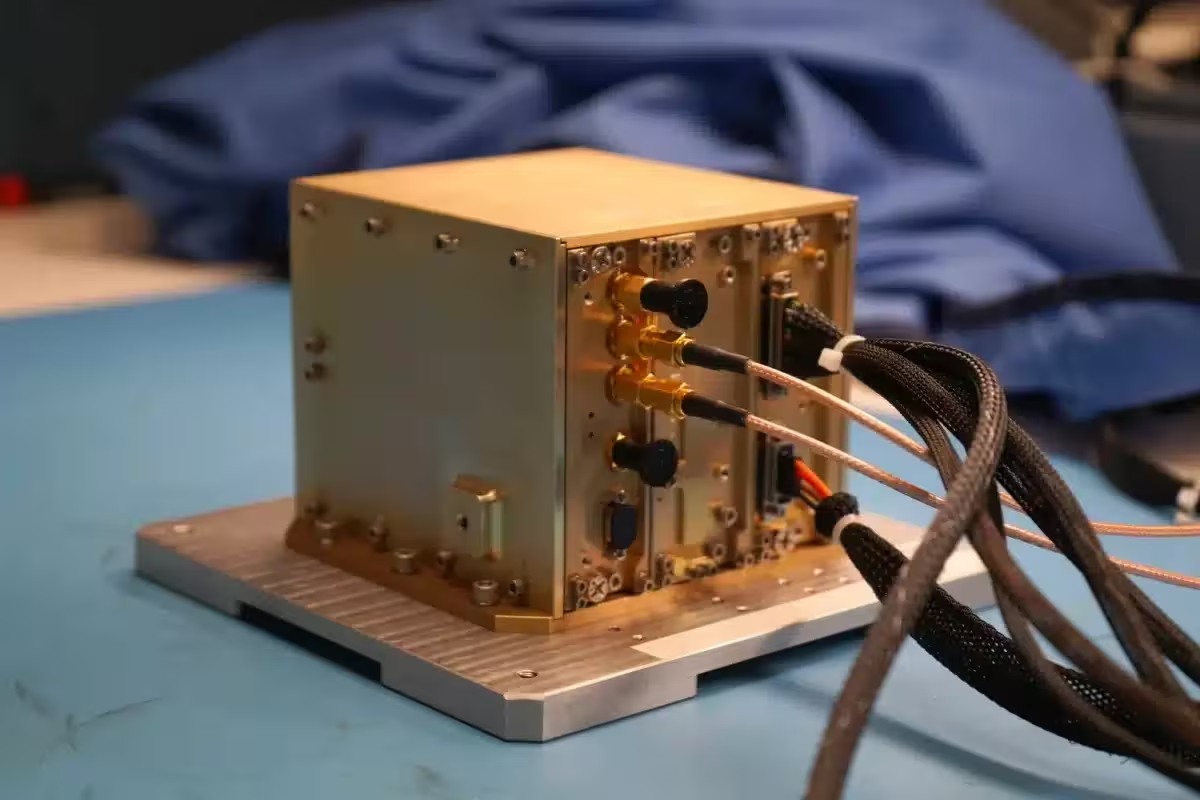
NASA has transferred a lightweight navigation module, the NavCube3‑mini, to Intuitive Machines for integration into the company’s inaugural lunar relay satellite, Altus‑1. The hand‑over, completed on July 13, represents a critical step toward establishing a network of navigation and communication services for future Moon missions.
Designed to exploit signals from both the GPS and Galileo constellations, the payload aims to deliver positioning data well beyond low‑Earth orbit, enabling astronauts, rovers, and orbiters to operate with greater independence around the lunar surface.
Miniature Hardware, Deep‑Space Reach
Measuring roughly half the size of a shoebox and weighing just 3.5 lb, the NavCube3‑mini consumes under 20 W while providing precise location estimates at lunar distances. The device builds on navigation research conducted at NASA’s Goddard Space Flight Center, where engineers have been adapting Earth‑centric GNSS signals for use far from the planet.
By furnishing spacecraft with autonomous positioning capability, the system could lessen dependence on continuous ground‑based tracking, granting mission planners more flexibility in orbit and surface operations.
Altus‑1 will serve as a testbed for evaluating GNSS‑based navigation in the Moon’s environment, generating data that could shape future mission architectures for orbiters, landers, rovers, and crewed vehicles.
Commercial Relay Constellation Takes Shape
According to NASA, the NavCube3‑mini will be part of the first node in a planned commercial lunar relay network. The satellite, built under Intuitive Machines’ Near Space Network Services contract, is intended to provide both communications and navigation support for upcoming exploration missions.
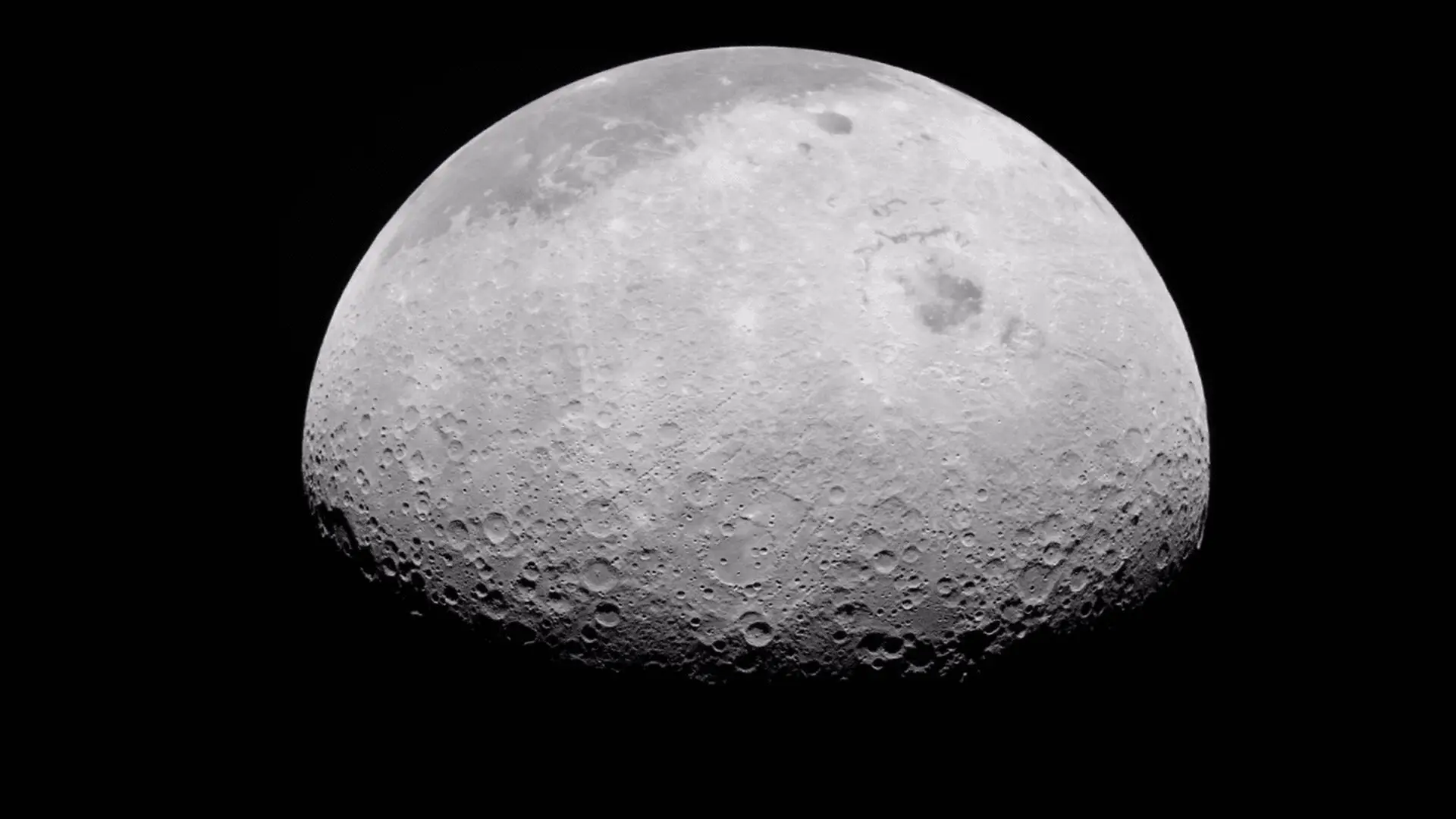
Relay satellites are especially valuable for regions where direct line‑of‑sight to Earth is obstructed, such as the lunar South Pole—a focal point for NASA’s Artemis program, which aims to land astronauts there by 2028.
The challenging terrain, extreme lighting cycles, and limited communication windows at the pole make a dedicated relay system essential for maintaining data flow and enabling precise navigation of surface vehicles.
By leveraging commercial partners, NASA hopes to create a flexible, reusable infrastructure that can serve multiple missions rather than relying on bespoke, mission‑specific hardware.
Rigorous Qualification Campaign Ensures Flight Readiness
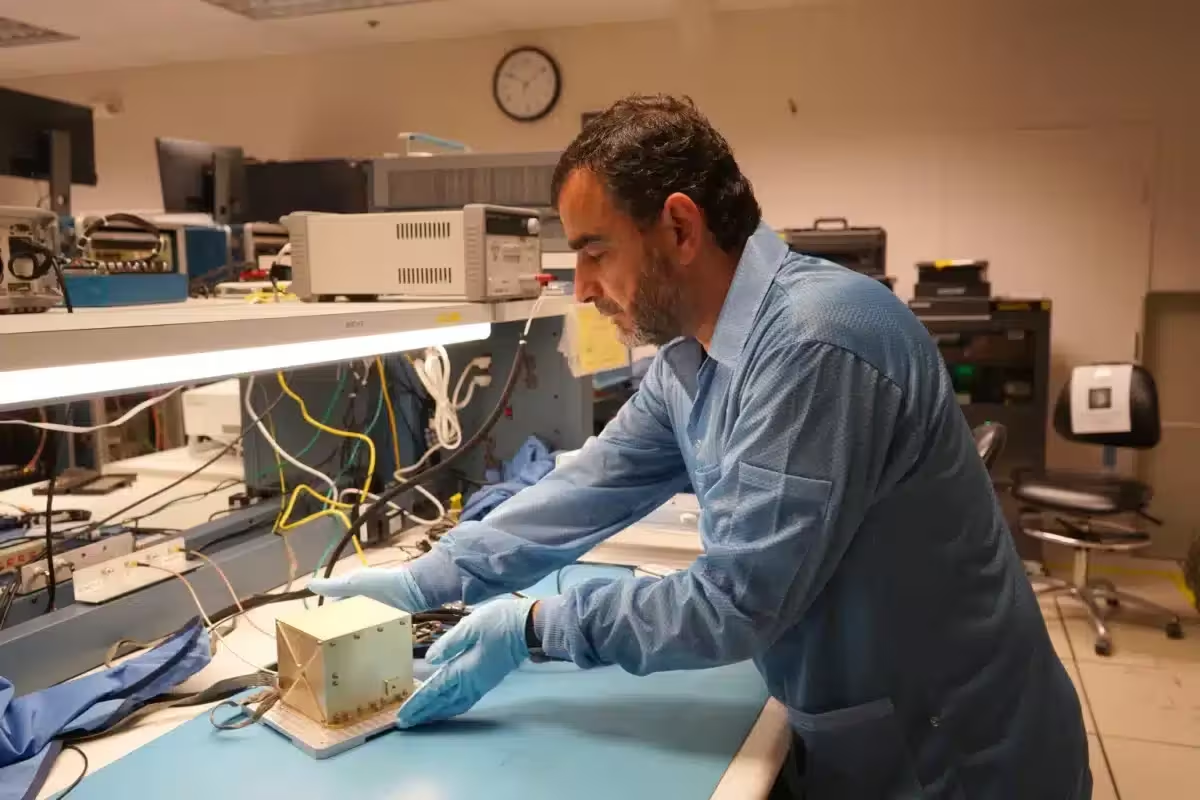
Prior to shipment, the NavCube3‑mini underwent a battery of environmental and performance tests at Goddard. Engineers subjected the unit to launch‑simulating vibrations, extreme thermal‑vacuum cycles, and electromagnetic compatibility assessments to confirm it would operate reliably alongside other spacecraft subsystems.
Each test phase included pre‑ and post‑test performance checks using high‑fidelity simulations of GPS and Galileo signals expected during lunar operations, verifying that the receiver maintains its accuracy throughout harsh conditions.
Laying the Groundwork for a Connected Lunar Surface
The integration of NavCube3‑mini into Altus‑1 exemplifies a broader push to establish the technological backbone required for sustained lunar activity. As more nations and private firms plan missions around the Moon, a shared navigation and communications network will become a cornerstone of the emerging lunar economy.
By pairing commercial relay assets with advanced GNSS‑based positioning, NASA and its partners aim to deliver the autonomy and reliability needed for increasingly complex operations beyond Earth orbit.
The successful delivery of the navigation payload marks another milestone on the path toward a permanently inhabited Moon, where spacecraft can navigate and communicate with confidence.
This article has been fact checked for accuracy, with information verified against reputable sources. Learn more about us and our editorial process.
Last reviewed on .
Article history
- Latest version
Reference(s)
- Schauer, Katherine. “NASA Delivers Navigation System for Commercial Lunar Relay - NASA.”, August 3, 2026 NASA <https://www.nasa.gov/technology/space-comms/nasa-delivers-navigation-system-for-commercial-lunar-relay/?utm_source=miragenews&utm_medium=miragenews&utm_campaign=news>.
- Posted by Karan Das