When to Catch the August 2026 Perseids Meteor Shower and How NASA Says to Watch
Get ready for the Perseids meteor shower in August 2026 – a top celestial display for skywatchers to witness dazzling streaks across the night sky.
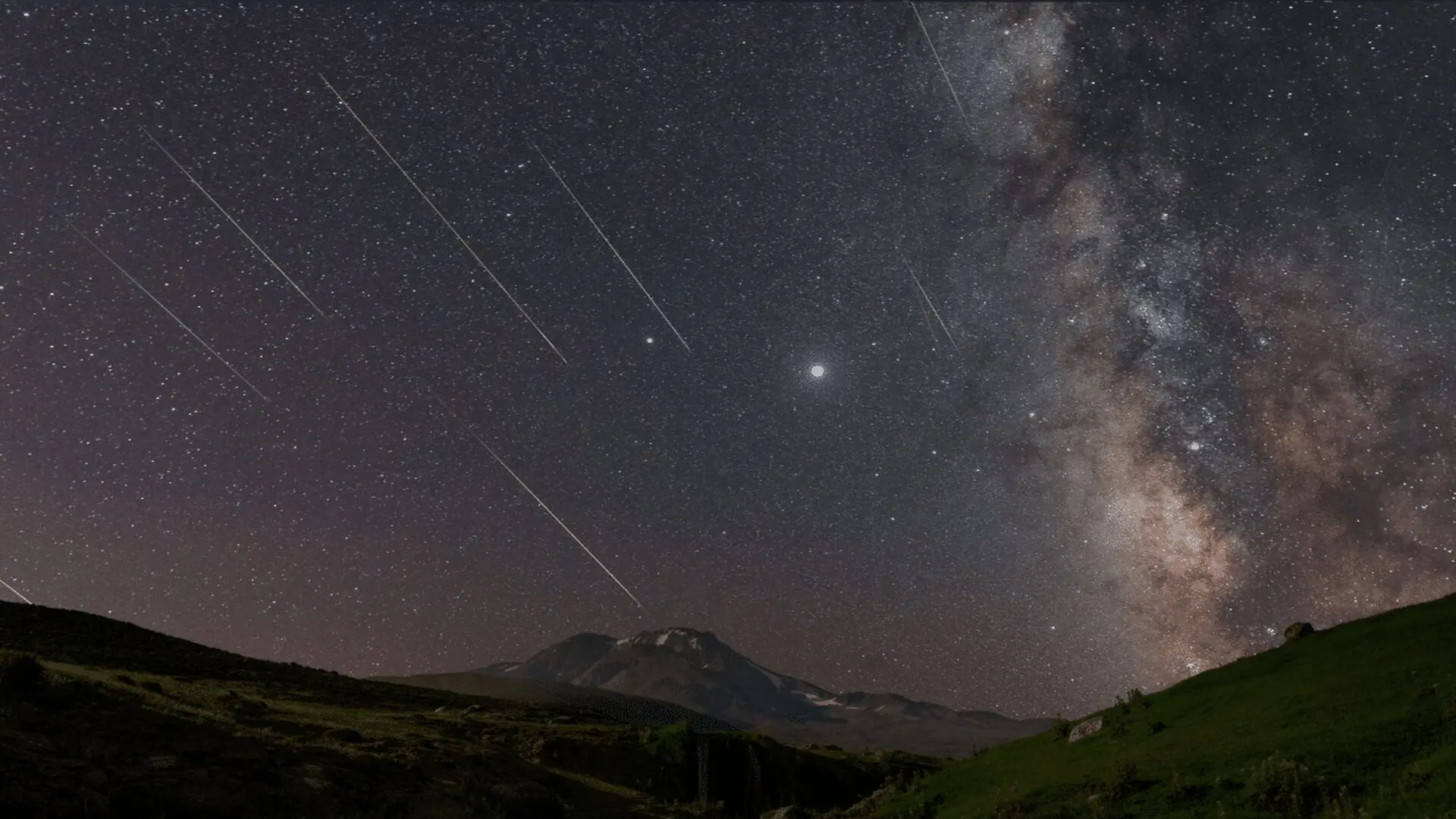
August 2026 Promises a Brilliant Perseids Spectacle
When Earth journeys through the trail left by comet 109P/Swift‑Tuttle this August, sky‑watchers worldwide can expect a cascade of luminous streaks. The annual Perseids, renowned for their speed and brightness, will again light up the darkness without the need for telescopes or specialized gear.
How the Swift‑Tuttle Comet Fuels the Meteor Shower
The Perseids originate from dust and rock particles shed by the large comet 109P/Swift‑Tuttle as it orbits the Sun. Each year, our planet intersects this stream, allowing countless tiny fragments to plunge into the atmosphere at extreme velocities.
Upon entry, the particles heat up and generate glowing trails commonly called meteors. Though most are comparable to grains of sand, the friction creates flashes bright enough to be seen from the ground. The apparent source point lies in the constellation Perseus, giving the shower its name.
Scientists use the Perseids as a natural laboratory to examine the composition of cometary debris and to better understand the behavior of ancient solar‑system bodies.
NASA’s Advice for Watching the 2026 Perseids
NASA highlights the Perseids as one of the most reliable meteor showers, thanks to their consistent activity and vivid fireballs. The agency suggests selecting sites with minimal artificial illumination and allowing eyes to adapt to darkness before the peak hours.
Bright screens, streetlights, or nearby lamps can diminish the number of visible meteors, so observers are encouraged to minimize such light sources. Because meteors streak rapidly across large sky sections, binoculars or telescopes generally add little value.
For photographers, long‑exposure techniques can capture the fleeting trails, though success depends on clear weather, appropriate camera settings, and a dark observing location.
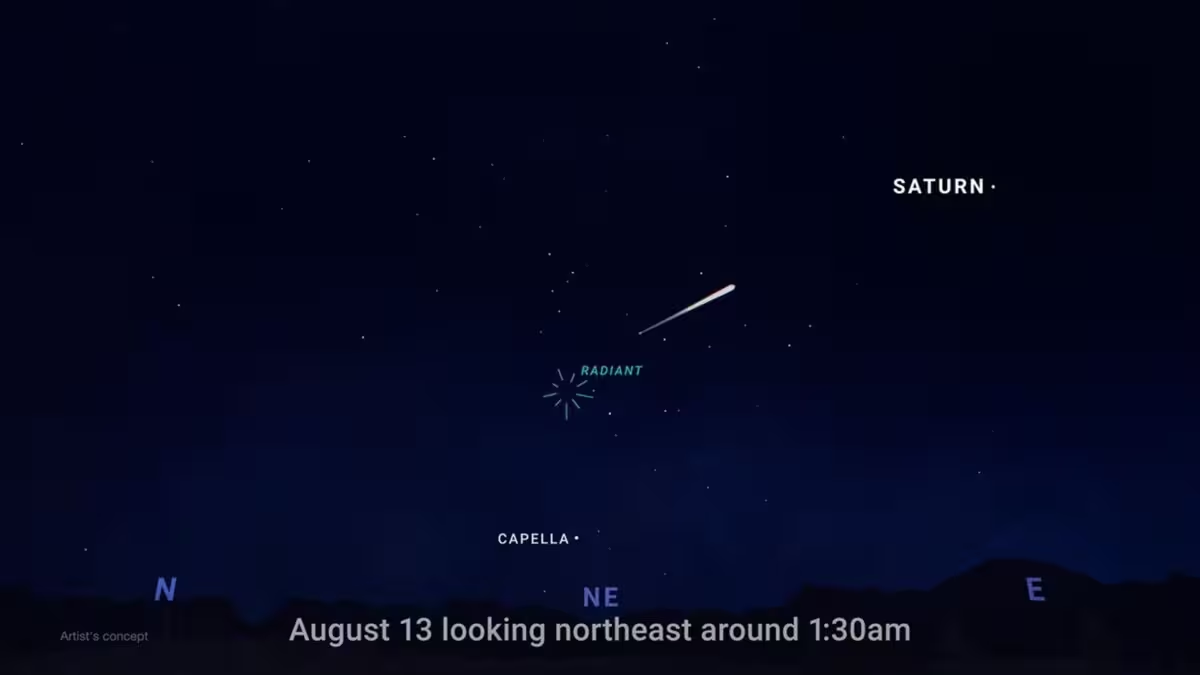
Tips for Getting the Most Out of the August Display
Peak activity is expected in mid‑August, though the exact count of visible meteors will vary with local weather, moon phase, and surrounding light pollution. Rural settings such as open fields, parks, or secluded clearings provide the clearest vistas.
Observing during the late‑night to early‑morning window often yields the best results, as the side of Earth facing the comet’s debris stream is most favorably positioned.
Comfort is key: a blanket, a portable chair, warm attire, and patience can transform a simple night sky watch into a memorable experience.
This article has been fact checked for accuracy, with information verified against reputable sources. Learn more about us and our editorial process.
Last reviewed on .
Article history
- Latest version
Reference(s)
- Carney, Stephen. “What’s Up: August 2026 Skywatching Tips from NASA - NASA Science.”, July 31, 2026 NASA <https://science.nasa.gov/solar-system/whats-up-august-2026-skywatching-tips-from-nasa/>.
Cite this page:
- Posted by Karan Das