Inside Norway’s Hidden Cave: 46 Arctic Species Reveal a 75,000-Year-Old Ice-Age World
Hidden cave in northern Norway reveals a 10,000‑year‑old Arctic landscape, giving scientists an unprecedented glimpse of a vanished world.
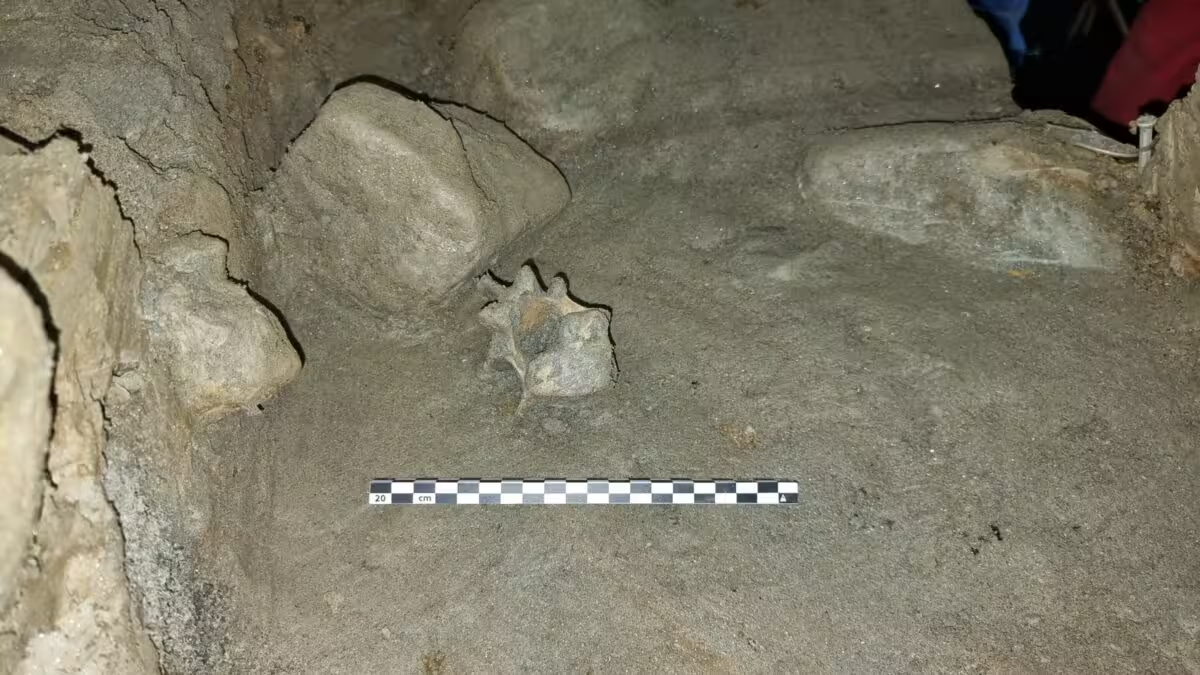
Excavations inside a remote Norwegian cave have uncovered a remarkably complete record of an Arctic ecosystem that existed roughly 75,000 years ago. The find, which includes skeletal fragments from 46 different animal types, offers a rare glimpse into a world that existed before the last glacial maximum and has been documented in Proceedings of the National Academy of Sciences (PNAS).
Because organic material older than ten millennia rarely survives in the high‑latitude tundra, such a concentration of remains is exceptionally valuable. The assemblage was deposited after a brief retreat of the coastal ice sheet, capturing a moment when marine and terrestrial habitats overlapped.
Researchers combined traditional osteological methods with ancient DNA sequencing to confirm species identities and to infer the fate of these populations over time.
A Diverse Ice‑Age Faunal Assemblage Revealed
Analysis of the bone collection identified a broad spectrum of Arctic life, from large marine mammals to seabirds and fish. According to the PNAS article, the inventory includes polar bears, walruses, bowhead whales, Atlantic puffins, common eiders, rock ptarmigans and Atlantic cod. Among the most surprising discoveries are collared lemmings—an animal that no longer occurs in Europe and has never before been recorded in Scandinavia.
“This cave has now revealed a diverse mix of animals in a coastal ecosystem representing both the marine and the terrestrial environment,” said Professor Sanne Boessenkool of the University of Oslo.
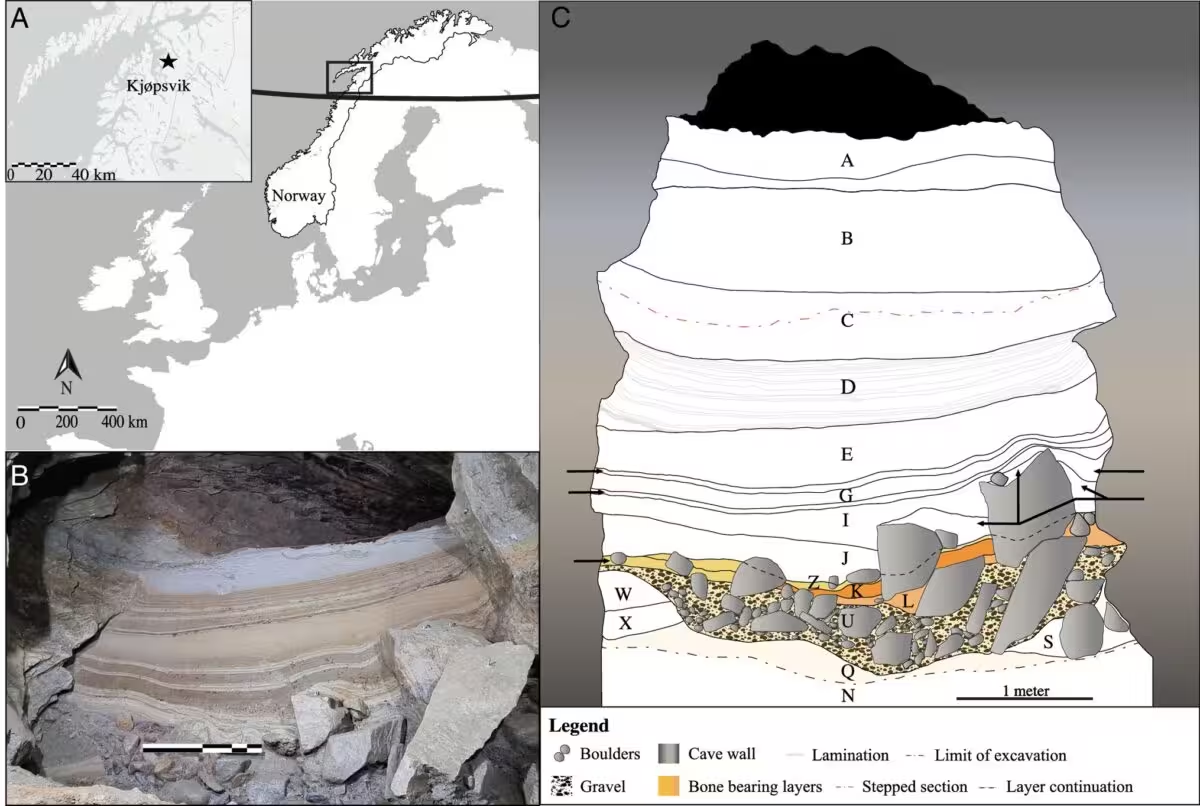
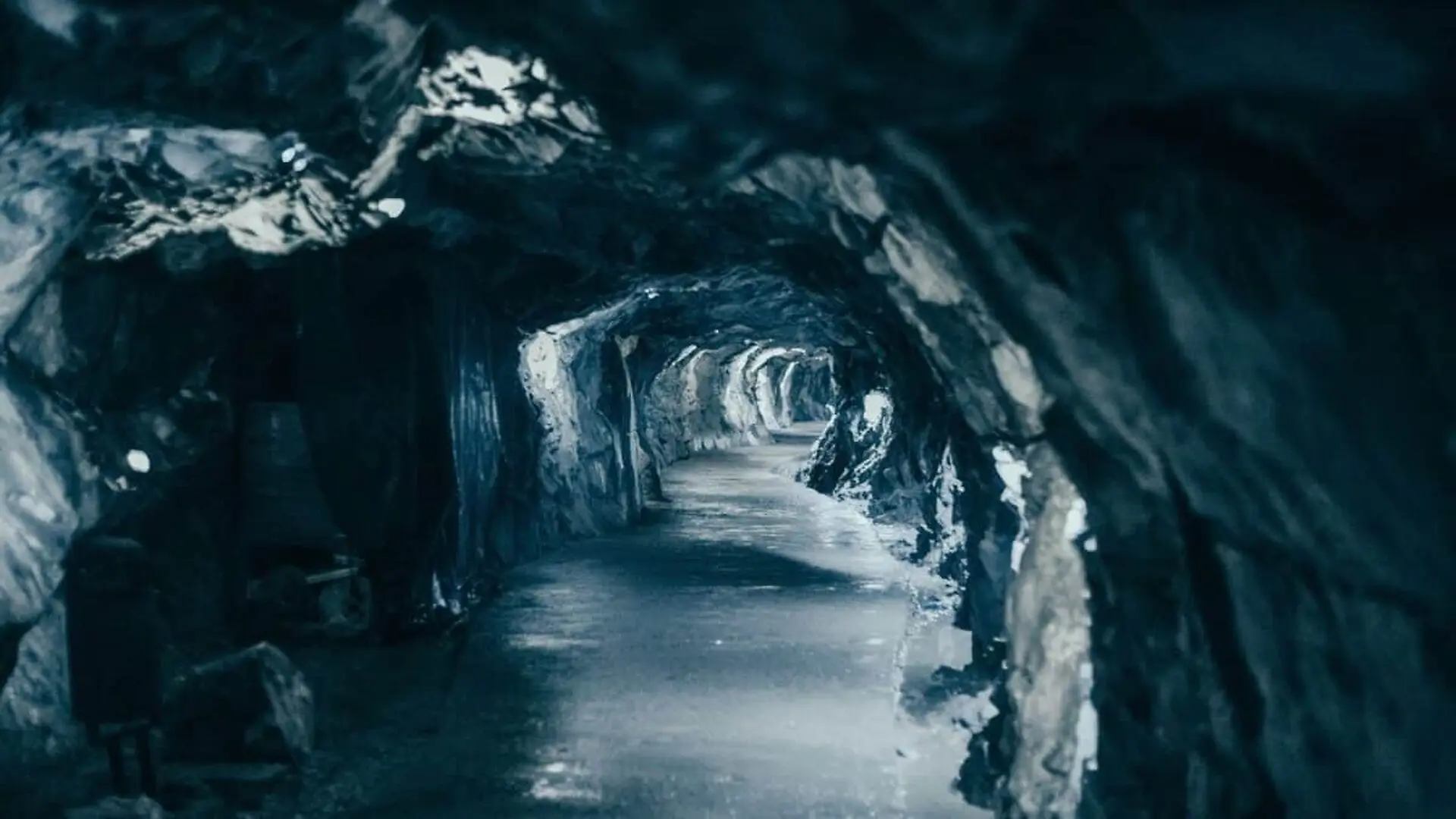
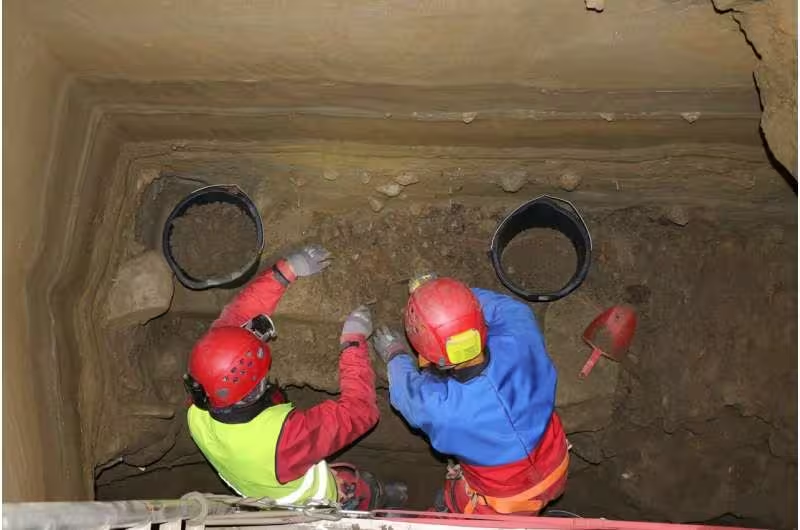
The cavern was first encountered in the 1990s when a mining operation created a tunnel through a nearby mountain. Although its existence was known for decades, systematic fieldwork only began in 2021 and 2022, when a multidisciplinary team opened the site for detailed study.
Genetic Signals Trace Extinct Populations
Beyond morphology, scientists extracted and sequenced ancient DNA preserved in the bones. The genetic data reveal that the lineages present 75,000 years ago did not persist after the climate turned colder again, suggesting a regional extinction triggered by renewed glaciation.
Because evidence from this time slice is so scarce, the DNA results provide a crucial benchmark for understanding the dynamics of Ice Age fauna. Professor Boessenkool emphasized that the paucity of well‑preserved specimens has long limited knowledge of Arctic ecosystems during this period.
Reconstructing a 75,000‑Year‑Old Coastal Landscape
The assemblage also informs reconstructions of the region’s geography. Researchers infer that the coastline was largely free of permanent ice, allowing migratory reindeer to graze and freshwater fish to thrive in scattered lakes and rivers across the tundra.
Marine species such as bowhead whales and walruses point to the presence of sea ice offshore, while the detection of harbor porpoise remains suggests that ice coverage was seasonal rather than year‑round.
Dr. Walker highlighted the broader significance of the site: “This highlights how cold‑adapted species struggle to adapt to major climatic events. This has a direct link to the challenges they are facing in the Arctic today as the climate warms at a rapid pace.” He added that modern habitats are more fragmented than those that existed 75,000 years ago, further limiting the ability of species to migrate and survive.
“These are cold‑adapted species—so if they struggled to cope with colder periods in the past, it will be even harder for these species to adapt to a warming climate,” she said.
This article has been fact checked for accuracy, with information verified against reputable sources. Learn more about us and our editorial process.
Last reviewed on .
Article history
- Latest version
Reference(s)
- Walker, Samuel J.., et al. “A 75,000-y-old Scandinavian Arctic cave deposit reveals past faunal diversity and paleoenvironment.” Proceedings of the National Academy of Sciences, vol. 122, no. 32, August 4, 2025 National Academy of Sciences, doi: 10.1073/pnas.2415008122. <https://www.pnas.org/doi/10.1073/pnas.2415008122>.
- “Sanne Boessenkool - CEES - Centre for Ecological and Evolutionary Synthesis.” <https://www.mn.uio.no/cees/english/people/core/sanneb/>.
Cite this page:
- Posted by Hassan Raza