Nearly 6KM Down in the Pacific Abyss, Scientists Found a ‘Giant’ Creature Named After a Sea God
A colossal limpet, the deepest of its kind, has been christened after a marine deity and a celebrated manga icon.
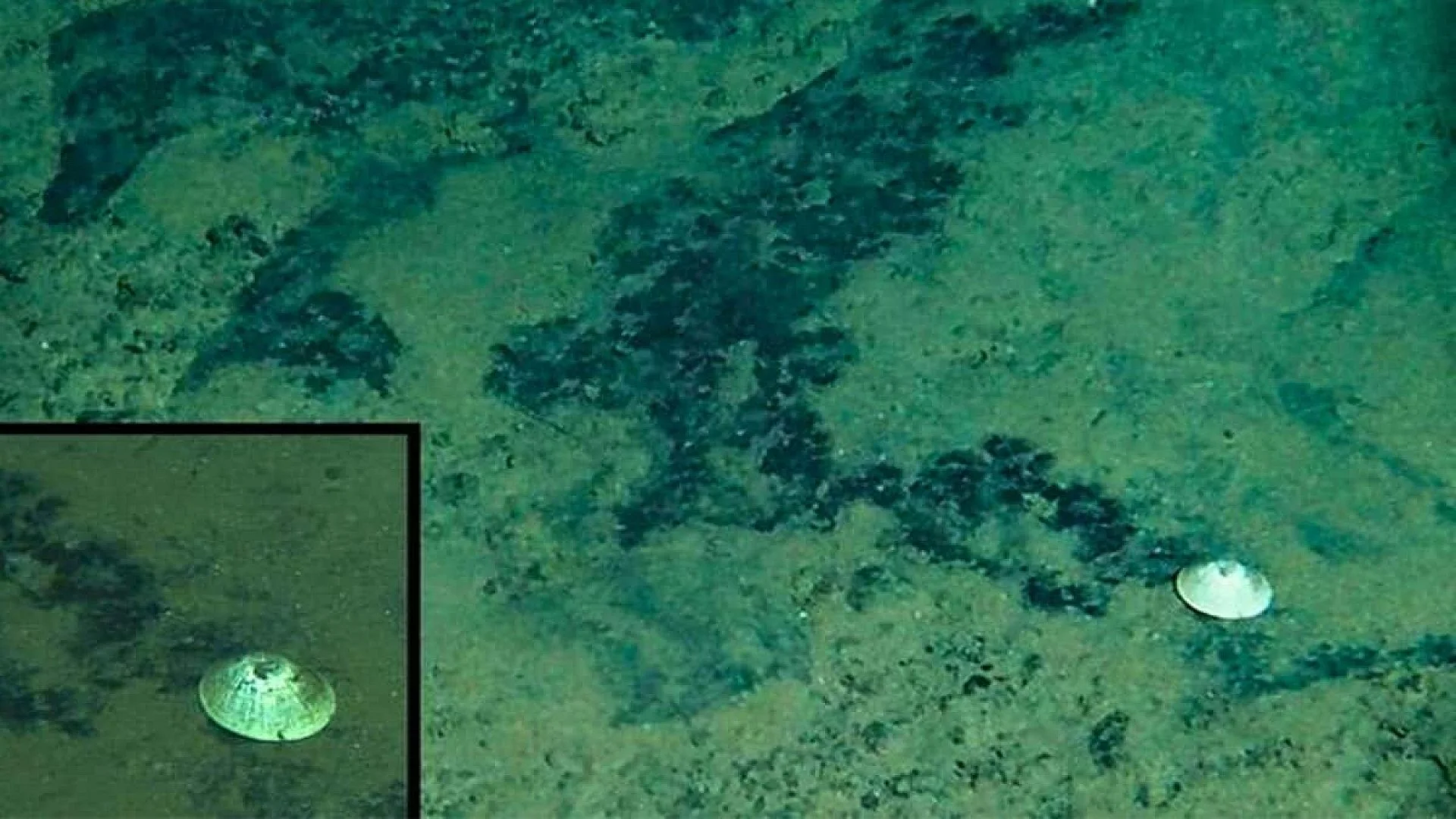
Deep beneath the waves, 500 kilometers southeast of Tokyo, lies a desolate landscape of volcanic rock, shrouded in darkness and crushing pressure. The seafloor here is a world away from the warmth and light of the surface, where the temperature hovers just above freezing and the weight of the water above is a constant force.
In the summer of 2025, a team of scientists from the Japan Agency for Marine-Earth Science and Technology embarked on a groundbreaking expedition to explore this alien world. They descended into the depths in the crewed submersible Shinkai 6500, a vessel capable of reaching 6,500 meters, and made a discovery that would rewrite the textbooks on marine life.
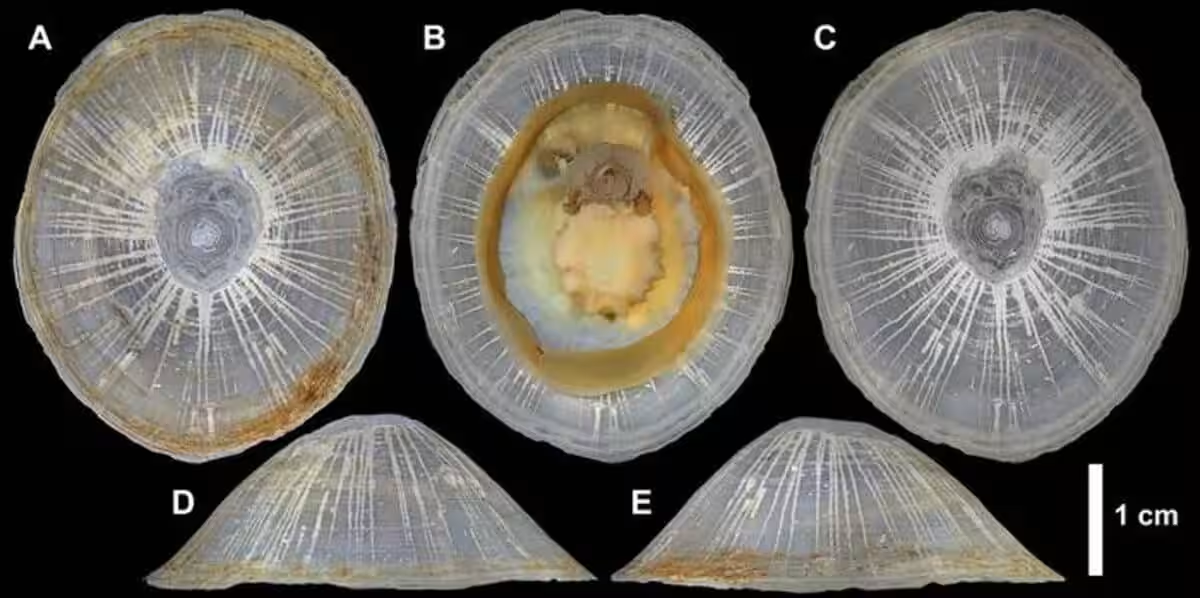
At a depth of 5,922 meters, the team spotted a limpet, a marine snail, clinging to the stone. It was intact, alive, and unusually large, measuring 40.5 millimeters in shell length. This was no ordinary limpet, for it belonged to a subclass of gastropods called Patellogastropoda, a group that had never been documented at such extreme depths before.
The researchers named this remarkable creature Bathylepeta wadatsumi, a name that reflects its deep-sea origins and its size, which is a record for any true limpet. The genus Bathylepeta already hinted at a lifestyle adapted to the depths, and the species name carries a dual meaning, referencing both the Japanese sea god and a character from the manga One Piece.
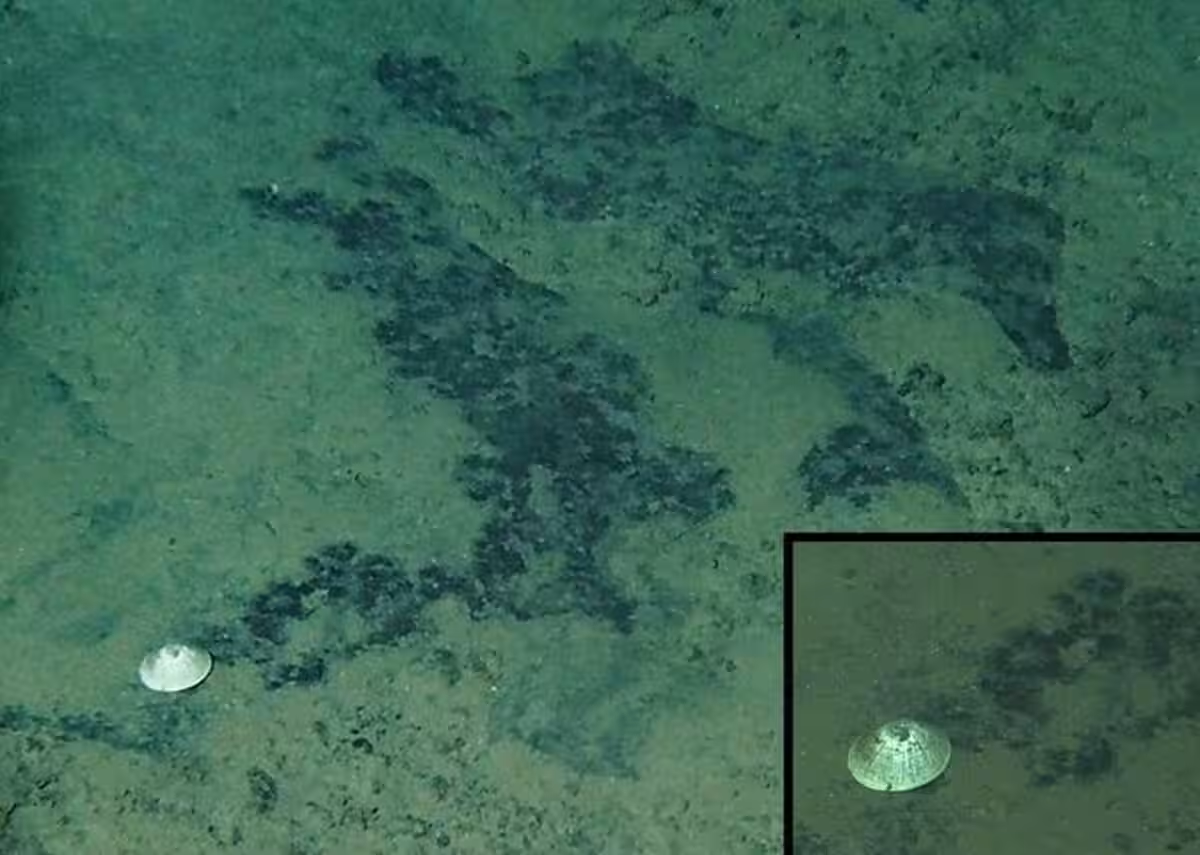
According to Dr. Chong Chen, lead author of the study, “Even in an age of sophisticated remotely operated vehicles, there’s often an edge to the human eye on the seafloor. Crewed submersibles like Shinkai 6500 let us explore with intention and nuance.”
A Snail That Feeds on Deep-Sea Sediment
Most people know limpets as small, cone-shaped shells clamped onto tidal rocks, but Bathylepeta wadatsumi has a very different existence. It lives on the volcanic rock, where a thin film of sediment collects over time, and scrapes it for food, digesting organic particles that drifted down from the surface.
This grazing habit gives the snail a specific ecological role, processing carbon that settles on hard seafloor surfaces, helping cycle nutrients through an environment where energy is scarce. In their paper, the researchers noted that the Bathylepeta genus may handle a meaningful share of that carbon turnover on abyssal rocks, a niche that rewards specialization.
Why the Human Eye Still Counts
The Shinkai 6500 is one of the few submersibles on Earth capable of reaching 6,500 meters, and it’s a vessel that carries people inside a titanium sphere, rather than relying on remotely operated vehicles. This difference matters, for a person staring through a viewport can register a flicker of movement, an odd contour, or a texture that a camera feed might never flag.
Dr. Chen made this argument in the study itself, noting that organisms like Bathylepeta wadatsumi could slip past remote sensors entirely. The team even closed their acknowledgments with a nod to Eiichiro Oda, creator of One Piece, stating that the series “reminds us that the greatest voyages are driven by freedom, camaraderie, and an insatiable thirst for discovery.”
Before this expedition, researchers had only encountered the Bathylepeta genus through dredged material, shells and tissue wrenched from the bottom and dumped onto a sorting table. This approach delivers specimens but destroys context. The submersible let the team observe exactly where and how the limpet lived, a moment captured in the official news release announcing the discovery.
The Independent later reported on the record-setting depth and the unusual dimensions of this deep-sea snail species, noting how the find reinforces the value of crewed submersibles for reaching habitats that remain barely explored. The work does not upend any established framework, but it does add a new entry to the catalog of life in the deep ocean, one more organism logged in the dark, under pressure, gripping ancient stone.
This article has been fact checked for accuracy, with information verified against reputable sources. Learn more about us and our editorial process.
Last reviewed on .
Article history
- Latest version
Cite this page:
- Posted by Hassan Raza