B-17 Drops Dry Ice Into 1947 Hurricane To Test If It Altered The Storm’s Path
The 1947 test sparked a fierce backlash as the resulting storm hit Georgia, causing over $2 million in damage.
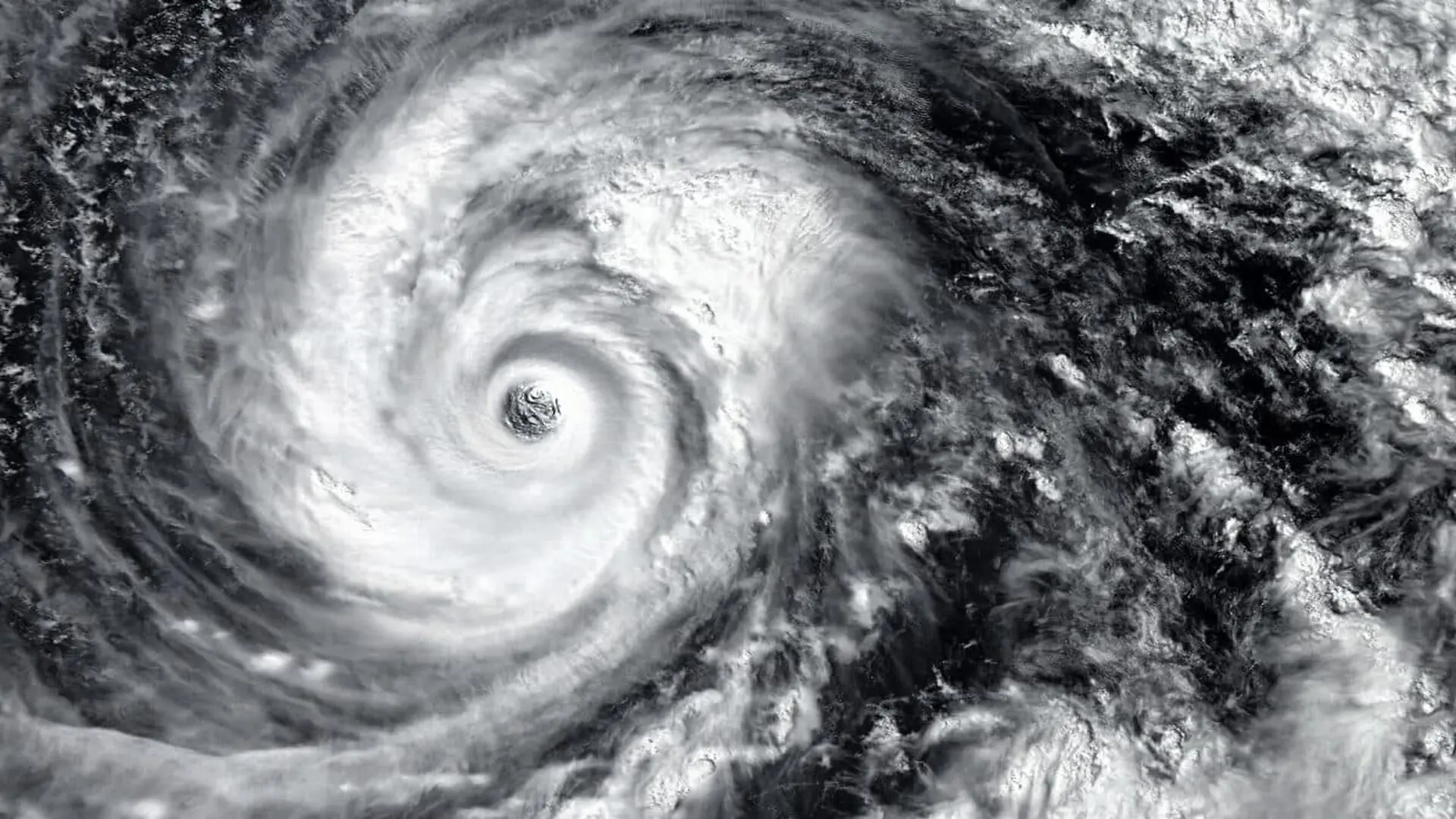
For most of human history, storms have been forces that societies simply endured, with hurricanes ranking among the most devastating threats to coastal communities. By the mid‑1900s, scientists began to ask whether the intensity or path of such storms could be nudged toward a safer trajectory before landfall.
That curiosity fueled Project Cirrus, a collaboration among General Electric, the Naval Research Laboratory, and the Army Signal Corps. The effort traced its roots to a 1946 observation by chemist‑meteorologist Vincent Schaefer and eventually led the team to contemplate an unprecedented and risky concept: seeding an active hurricane to observe any resulting changes.
From Supercooled Water to Storm Manipulation
Schaefer’s discovery involved supercooled water—liquid that remains unfrozen below 0 °C because it lacks particles to trigger ice formation. He found that introducing a modest amount of dry ice caused the water to crystallize almost instantly.
He extrapolated this laboratory behavior to the atmosphere, proposing that clouds could be seeded in a similar fashion to induce precipitation on demand. General Electric embraced the idea, bringing the Naval Research Laboratory and the Army Signal Corps on board, and Project Cirrus was launched to evaluate cloud‑seeding concepts in practice.
Soon, the researchers extended their ambitions beyond ordinary clouds, wondering whether the same technique might temper a tropical cyclone.
Chasing a 1947 Cyclone in the Pre‑Satellite Era
The primary hurdle proved logistical: without satellite imagery, locating a nascent hurricane relied on guesswork, and by October 1947 the team had yet to identify a suitable storm.
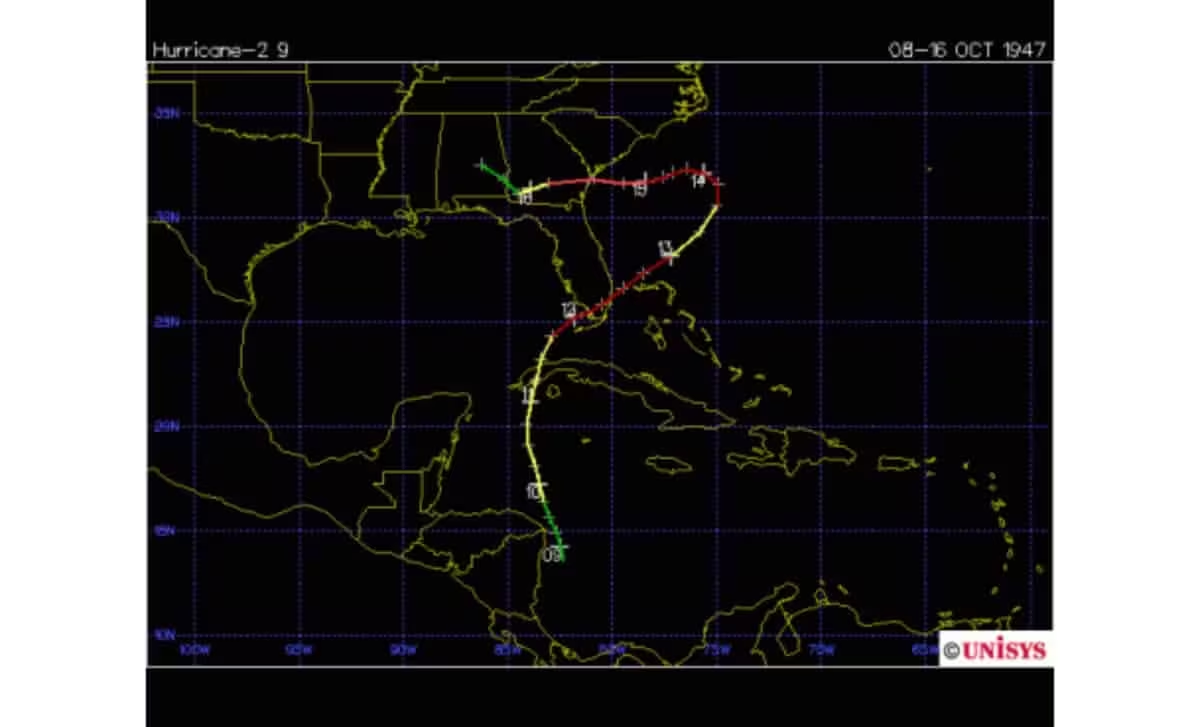
According to the National Oceanic and Atmospheric Administration, a system named King crossed Florida on 12 October, generating severe flooding that persisted for several days before the cyclone moved back over open water the following day.
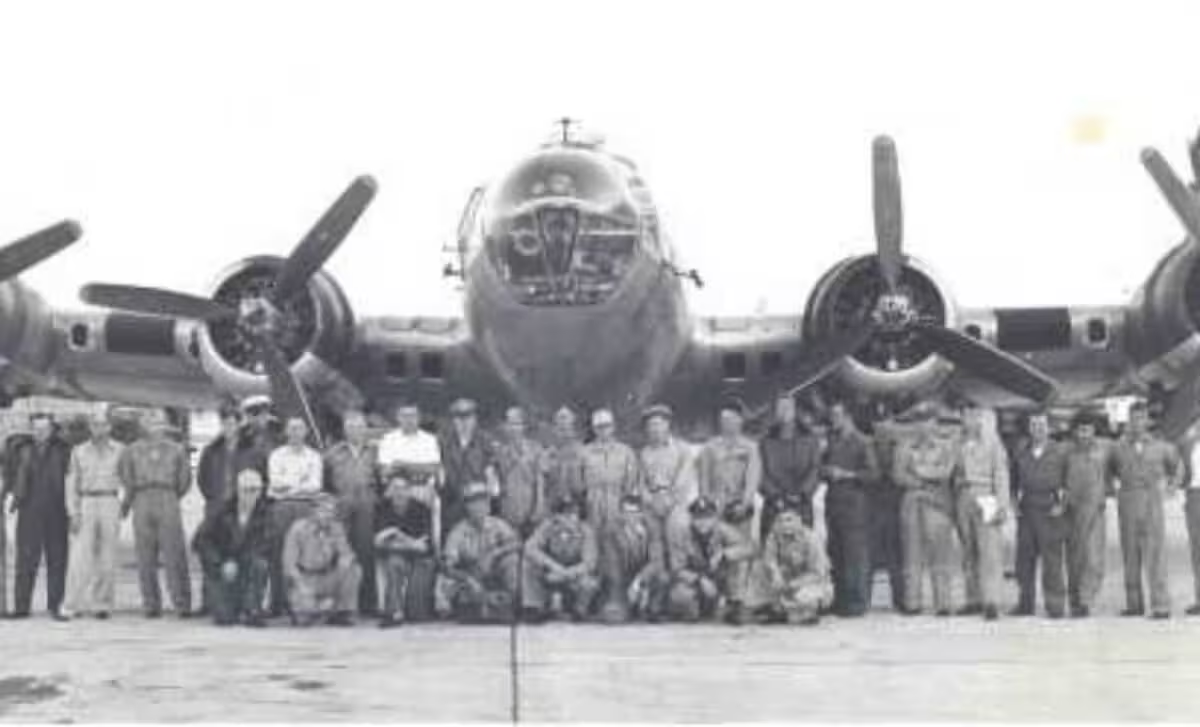
NOAA notes that King’s position away from land made it a promising candidate for experimentation, as seeding the storm would theoretically pose no risk to populated areas. The crew scrambled to intercept King before it drifted farther offshore, positioning a B‑17 aircraft near the storm’s eye and releasing roughly 86 kilograms of dry ice from an altitude of about 8 000 meters.
Aftermath, Legal Battles, and Lingering Questions
Whether the dry‑ice injection altered King’s behavior remains contested. The cyclone appeared to weaken shortly after the release, only to regain strength the next day and eventually make landfall in Georgia and South Carolina, causing over 2 million dollars in damage. Affected residents blamed the seeding for the devastation, prompting a lawsuit documented in contemporary research.
Meteorologists countered the claims by pointing out that a 1906 storm and another system that passed through the region a week earlier followed nearly identical tracks, suggesting King was already curving toward the southeastern United States before any dry ice was introduced. The legal pressure effectively ended Project Cirrus’s hurricane‑seeding ambitions. Nonetheless, some team members maintained that the experiment had indeed modified a portion of the storm.
Schaefer, observing from the aircraft, later reported patches of snow showers and stable snow clouds forming alongside light rain in the warmer sections of the cyclone, estimating that roughly 300 square miles had been affected by the seeding. The crew acknowledged, however, that malfunctioning homing equipment prevented them from reaching the storm’s true center, leaving the results inconclusive. Physicist Irving Langmuir, another key participant, summed up the experience succinctly: the flight highlighted how little was understood about hurricanes at that time.
This article has been fact checked for accuracy, with information verified against reputable sources. Learn more about us and our editorial process.
Last reviewed on .
Article history
- Latest version
Reference(s)
- Griffin-Elliott, Thia. “70th Anniversary of the first hurricane seeding experiment - NOAA's Atlantic Oceanographic and Meteorological Laboratory.”, October 12, 2017 NOAA's Atlantic Oceanographic and Meteorological Laboratory <https://www.aoml.noaa.gov/hurricane_blog/70th-anniversary-of-the-first-hurricane-seeding-experiment/>.
Cite this page:
- Posted by Zara Tariq