China’s ‘Ghost’ Subway Stations: The Hidden Strategy Turning Waste Into Urban Growth
China’s notorious ghost station turned into a bold redevelopment, revealing a massive gamble and reshaping its legacy.
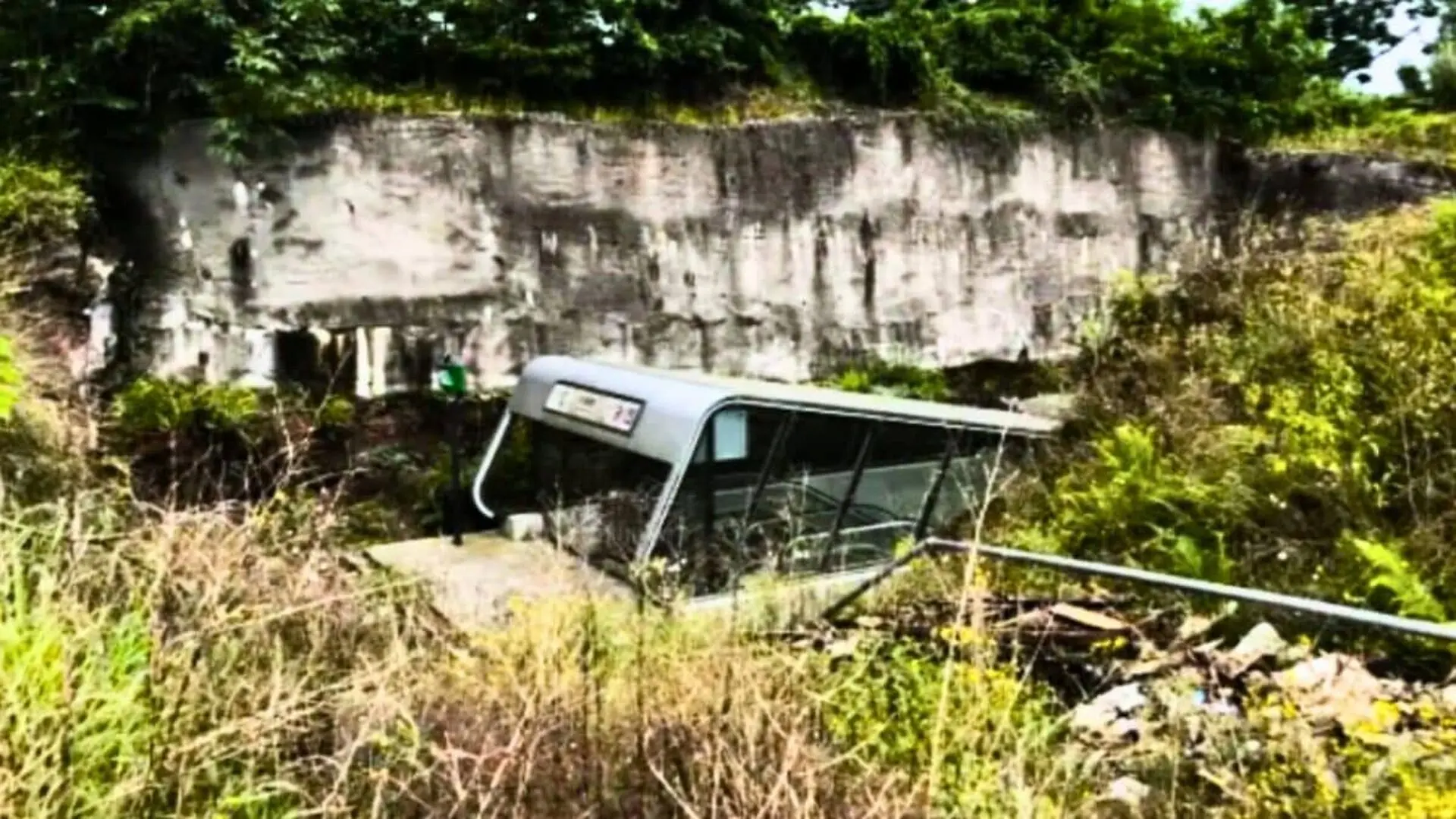
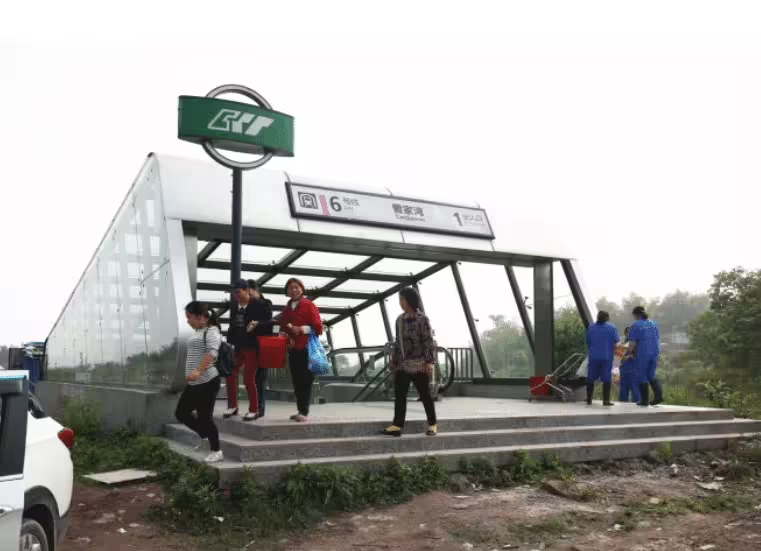
When photographs of Caojiawan Station in Chongqing surfaced in 2015, they quickly became a viral oddity in Western outlets. Though the underground stop was fully constructed and operational, its three exits opened onto an overgrown, road‑less expanse, and staff recalled entire days without a single rider boarding a train.
The stark contrast between sleek escalators and barren scrubland fed a narrative that painted the project as a symptom of top‑down planning gone awry—an emblem of “ghost stations” in “ghost cities” allegedly driven by unchecked government spending.
In recent years, however, the story has grown more nuanced.
Why China Built Subways Before the Crowd Arrived
Unlike most Western metros, which tend to expand after population density reaches a tipping point, China often reversed that sequence. Following the 2008 Beijing Olympics, the nation poured unprecedented resources into urban transit, with Beijing alone allocating over $150 billion since 2002 to create more than 870 kilometers of subway lines.
The strategy rested on a financial calculus: proximity to a metro line can lift commercial property values within roughly 400 meters, even before a neighborhood materializes. Local authorities, heavily reliant on land‑sale revenues, used new stations as a beacon to attract developers and catalyze the growth that would later validate the infrastructure.
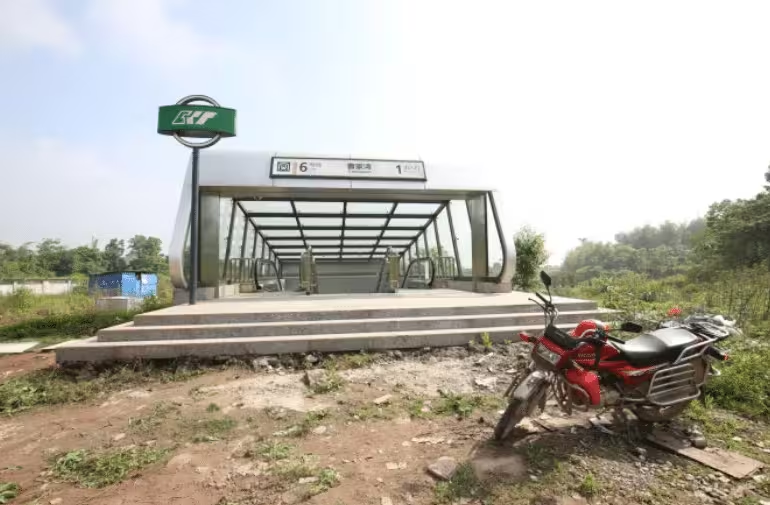
This “transit‑first” approach treats rail lines as development tools rather than mere service providers, aiming to shape urban form from the ground up.
From Deserted Platform to Neighborhood Hub
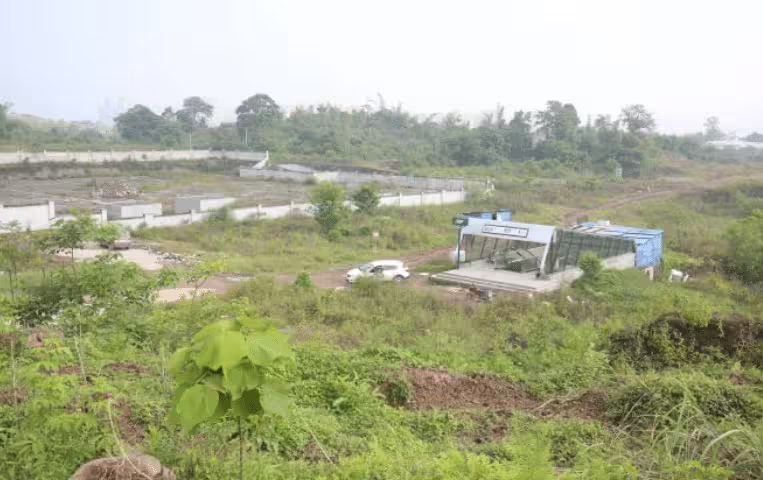
Caojiawan illustrates the model in practice. Launched in 2015 to connect a peripheral suburb with Chongqing’s core, the station initially existed in isolation—no paved roads, no nearby housing, and virtually no foot traffic.
By late 2019, access roads had been constructed, and subsequent years saw the rise of residential towers, retail spaces, schools, and paved streets surrounding the stop. Today, the station functions as an ordinary commuter hub within a fully developed district. Comparable trajectories unfolded in Xiong’an and the Lanzhou New Area, locales once dismissed as “ghost cities” that later attracted substantial populations.
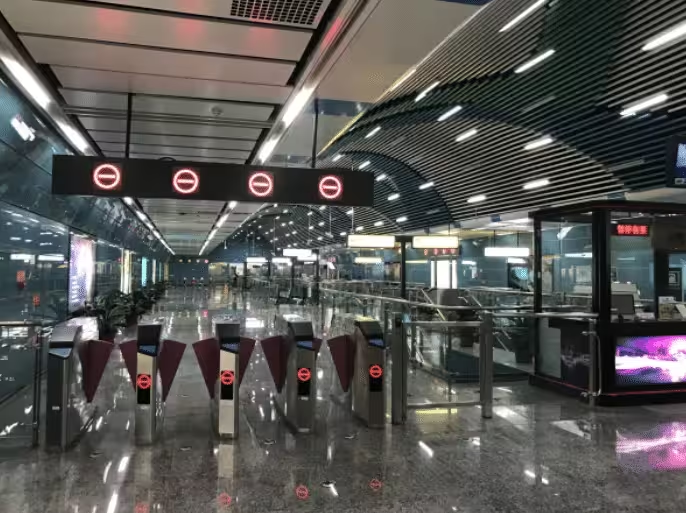
Reporting by AS USA notes that many former “ghost zones” now host dense residential and commercial activity, with early‑stage transit cited as a catalyst for that evolution. The outcomes are uneven and not guaranteed, yet the pattern demonstrates that stations can draw development rather than waiting for it.
Financial Strain Behind the Ambitious Rollout
While the urbanization rationale offers a strategic lens, the fiscal impact remains stark. By 2025, 28 Chinese metro operators collectively carried debt totaling 4.3 trillion yuan—approximately $525 billion USD. Shenzhen’s network, the nation’s second busiest after Shanghai, reports daily operating losses exceeding 100 million yuan.
Design shortcomings add pressure. Some stations operate with a single functional exit, creating congestion; others lack express routes or suffer from awkward transfer layouts. In 2021, extreme rainfall caused severe flooding in Zhengzhou’s metro, exposing drainage deficiencies and sparking nationwide scrutiny of rapid construction practices.
In response to mounting risks, Beijing introduced a 2018 rule barring cities with fewer than three million residents from launching new subway projects. Subsequent tightening of approvals has stalled or scaled back dozens of planned lines. Even where development eventually materialized, ridership in several corridors remains below original forecasts, leaving a gap between infrastructure creation and sustainable operation.
Lessons on the Order of Infrastructure and Growth
China’s “transit‑first” paradigm hinges on a unique mix of centralized authority, long‑term state commitment, and local financing tied to land value appreciation. Replicating this model elsewhere would require absorbing years of apparent waste and public criticism without immediate political payoff—conditions few governments can sustain.
The takeaway from Caojiawan and its peers is not a universal blueprint but a specific mechanism: strategically placed, large‑scale transit can act as a magnet for private investment and population influx, eventually justifying the original outlay. Determining whether the resulting debt and operational shortfalls are outweighed by long‑term benefits remains an ongoing calculation for Chinese planners.
This article has been fact checked for accuracy, with information verified against reputable sources. Learn more about us and our editorial process.
Last reviewed on .
Article history
- Latest version
Reference(s)
- Varela, Miguel. “China’s deserted subway stations transform ‘ghost cities’.”, November 5, 2025 AS USA <https://en.as.com/latest_news/chinas-deserted-subway-stations-transform-ghost-cities-f202511-n/>.
Cite this page:
- Posted by Zara Tariq