Why Driving Faster In Rain Increases Hydroplaning Risk And How To Stay Safe
Study reveals key safety tips for driving in rain, helping you handle wet roads and avoid accidents.
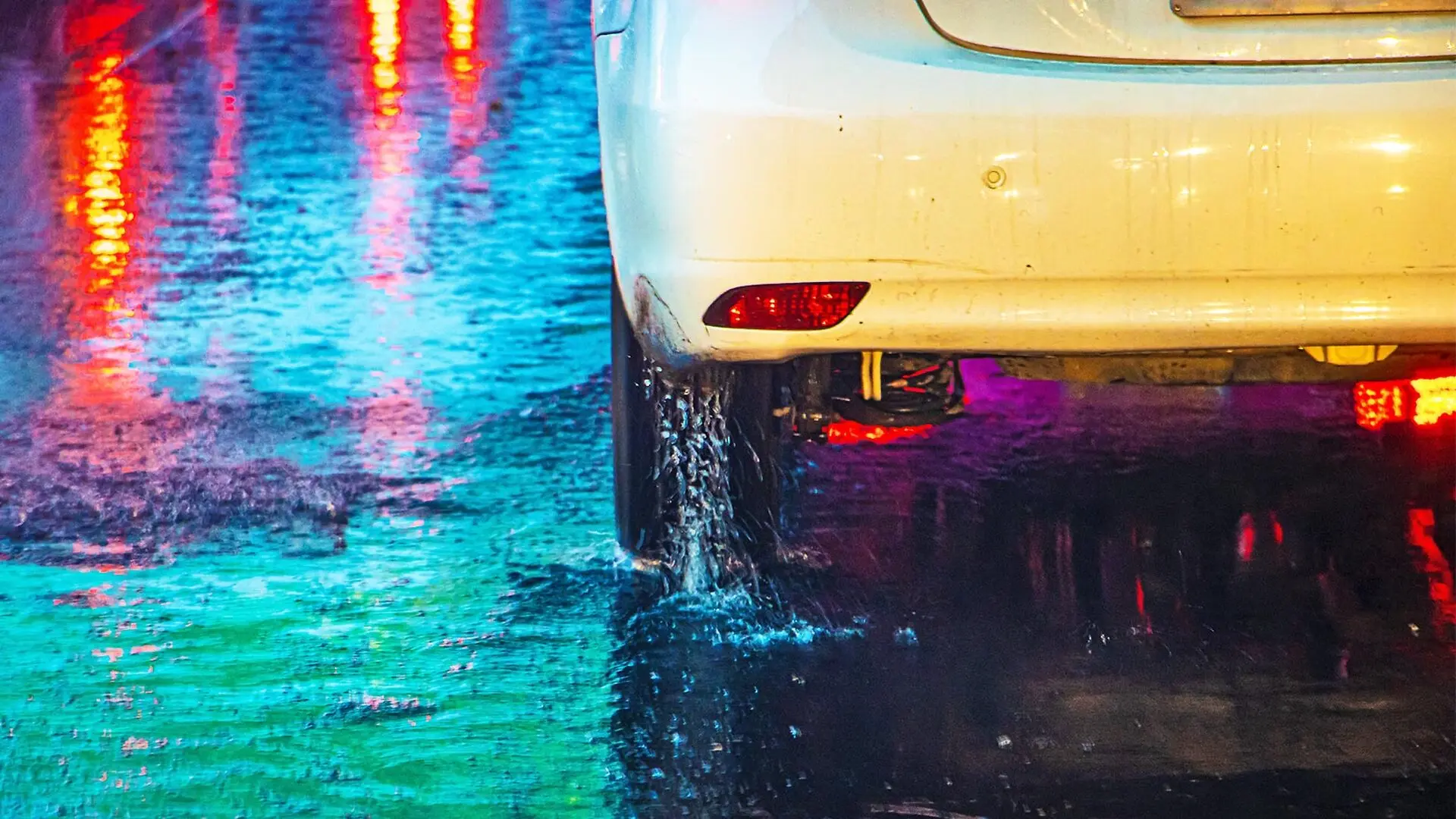
A recent investigation by engineers at the University of Georgia has shed fresh light on the dynamics that cause tires to lose traction on water‑slicked roads, a phenomenon known as hydroplaning.
Using a combination of computer modeling and a controlled laboratory track, the team examined how variables such as vehicle speed, water depth, tire design, and road texture interact to influence the likelihood of a loss of grip.
The experiments revealed that both higher speeds and increasing water depth initially raise the chance of hydroplaning. Interestingly, once the water layer reached roughly 10 mm, the probability began to decline, suggesting that very thin films of water are more challenging for tires to displace.
Data from the Federal Highway Administration indicate that wet pavement and severe weather are linked to approximately 500 000 injuries and 6 000 fatalities each year, underscoring the public‑health relevance of the findings.
“This safety issue is critical,” explained Linbing Wang, the study’s corresponding author and professor in the University of Georgia College of Engineering. “When we pinpoint the key contributors, we can target improvements in pavement engineering and vehicle design to protect lives.”
During the field tests, tires were mounted on a device that allowed researchers to vary speed and introduce measured amounts of water onto the surface. Sensors positioned along the track recorded the forces acting on the tires as they traversed the wet sections, providing real‑time data on hydroplaning onset.
Initial increases in water depth amplified the risk, but beyond the 10 mm threshold the danger tapered off. The team attributes this pattern to the fact that thinner water layers resist penetration, whereas deeper water is more readily displaced once the tires begin to push it aside.
Speed emerged as a dominant factor: faster tire rotation generated greater hydrodynamic pressure, lifting the tire off the road in a manner comparable to an aircraft reaching lift‑off speed.
“It’s analogous to an airplane,” Wang noted. “When a certain velocity is exceeded, the vehicle can rise.”
Additional elements influencing hydroplaning include tread geometry, tire inflation pressure, the roughness of the pavement, and the ability of the road surface to drain water efficiently.
Practical recommendations from the researchers emphasize reducing speed during rainstorms and maintaining adequate tire tread depth. Replacing worn tires and ensuring proper inflation were highlighted as simple yet effective measures.
“Drivers can control speed, but pavement texture and rainfall intensity are beyond their influence,” Wang said. “Human factors remain a central concern for road safety.”
This article has been fact checked for accuracy, with information verified against reputable sources. Learn more about us and our editorial process.
Last reviewed on .
Article history
- Latest version
Cite this page:
- Posted by Asif Iqbal