U.S. Space Force Could Send Troops To The Moon As Lunar Rivalries Heat Up
US Space Force troops may deploy to the Moon to safeguard national interests in the burgeoning space race
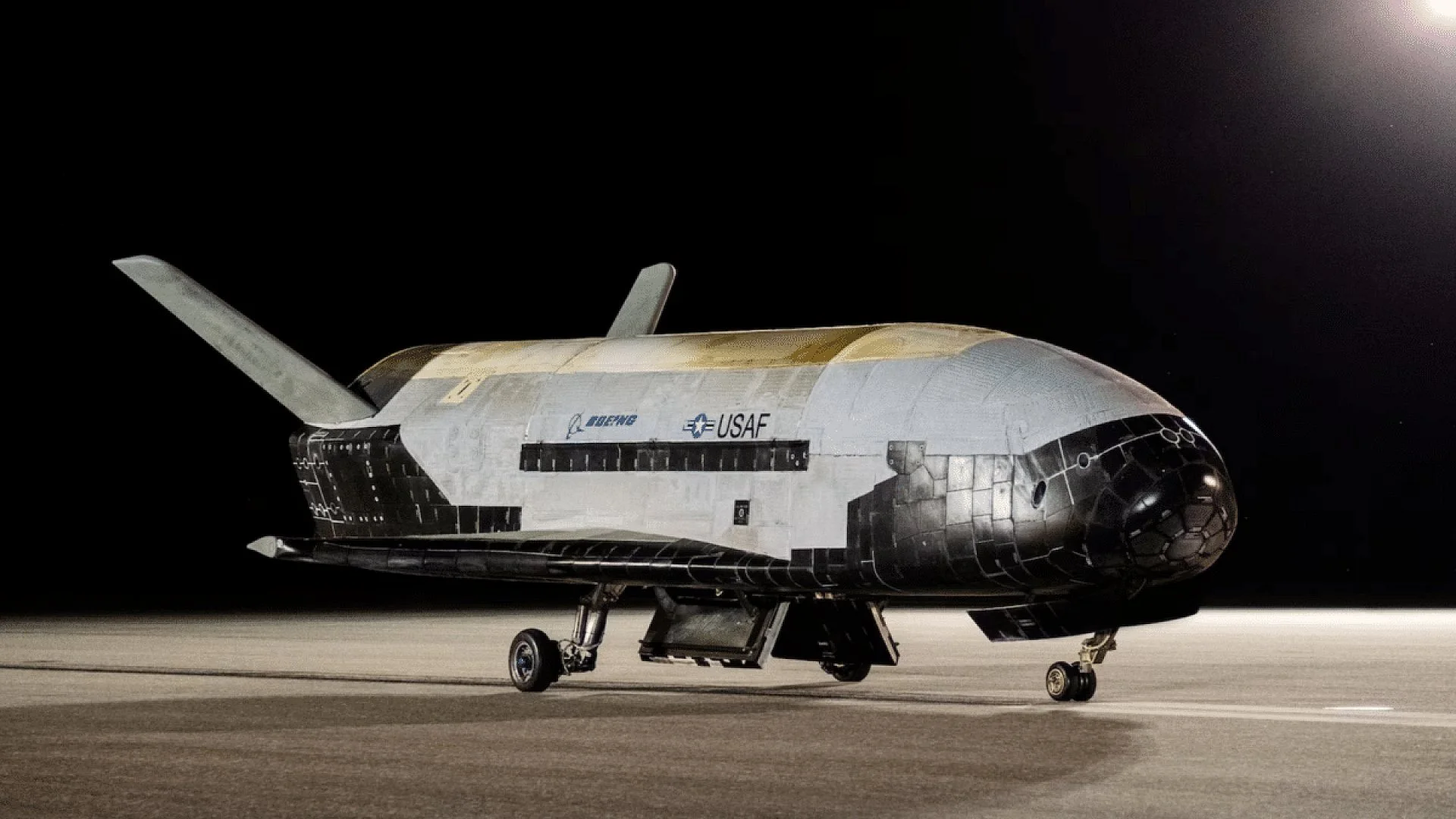
A fresh analysis from The Mitchell Institute for Aerospace Studies warns that the United States may soon have to field active‑duty Space Force crews not just in Earth orbit but also on the lunar surface, as the race to a lasting presence at the Moon’s south pole intensifies.
Escalating Competition for the Lunar South Pole
China’s rapid progress in crewed spaceflight—highlighted by the completion of the Tiangong space station and its sustained low‑Earth‑orbit operations—has raised alarm in Washington about a potential shift in strategic balance.
“China’s military-led space habitation and lunar ambitions” pose for U.S. national security. Pumroy argues that the U.S. human spaceflight and Moon programs “have been marred by inconsistency in vision, policy, and funding, allowing China to gain steady ground over time.”
The combination of ambition and capability could enable Beijing to set the framework for lunar exploration and commercial activity.
Strategic Value of a Lunar Infrastructure
The institute stresses that the side that builds a robust, defensible presence from low‑Earth orbit to the Moon will likely shape the norms, standards, and legal regimes governing future lunar settlement and trade.
“On the present trajectory, China is poised to achieve positional advantage in setting norms, standards, and legal frameworks for lunar habitation and lunar economy,” the report reads.
This perspective urges a shift from purely robotic missions toward a human‑centric approach that can assert clear authority and operational capability on the Moon.
Charting a Military Human Spaceflight Path
According to the study, the Space Force should begin laying the groundwork for a military crewed spaceflight program that operates under Title 10 authority. Such authority would let the Department of Defense organize, train, and deploy personnel worldwide, including in lunar environments. “The United States must secure that right, but it will require well‑trained, organized, and equipped Guardians in space who are empowered with Title 10 authorities,” the report’s author emphasizes. Beyond defensive considerations, a crewed presence could lock down vital lunar resources and reinforce U.S. influence over emerging space norms.
Treaty Limits and Geopolitical Realities
The 1967 Outer Space Treaty bars military activities on celestial bodies and prohibits sovereignty claims over the Moon. Nevertheless, the report argues that evolving geopolitical tensions may outpace existing agreements, citing China’s pattern of territorial assertions elsewhere as a warning sign. Preparing for contingencies where treaties fall short is presented as essential to avoid ceding strategic leverage to rival powers.
Redefining Space Security and Human Exploration
While satellites already serve military functions for surveillance, communications, and navigation, a permanent human foothold on the Moon would represent a marked escalation. Deploying a crew capable of defensive and operational tasks could reshape the notion of space security and safeguard U.S. interests in a increasingly contested domain. The Mitchell Institute frames this approach as both a defensive imperative and a strategic lever to match China’s expanding capabilities.
This article has been fact checked for accuracy, with information verified against reputable sources. Learn more about us and our editorial process.
Last reviewed on .
Article history
- Latest version
Cite this page:
- Posted by Zara Tariq