Archaeologists Discover a Hidden Massive Underground Tunnel in Jerusalem, and No One Knows Who Dug It
Ancien tunnel mystérieux découvert sous un chantier de construction futur
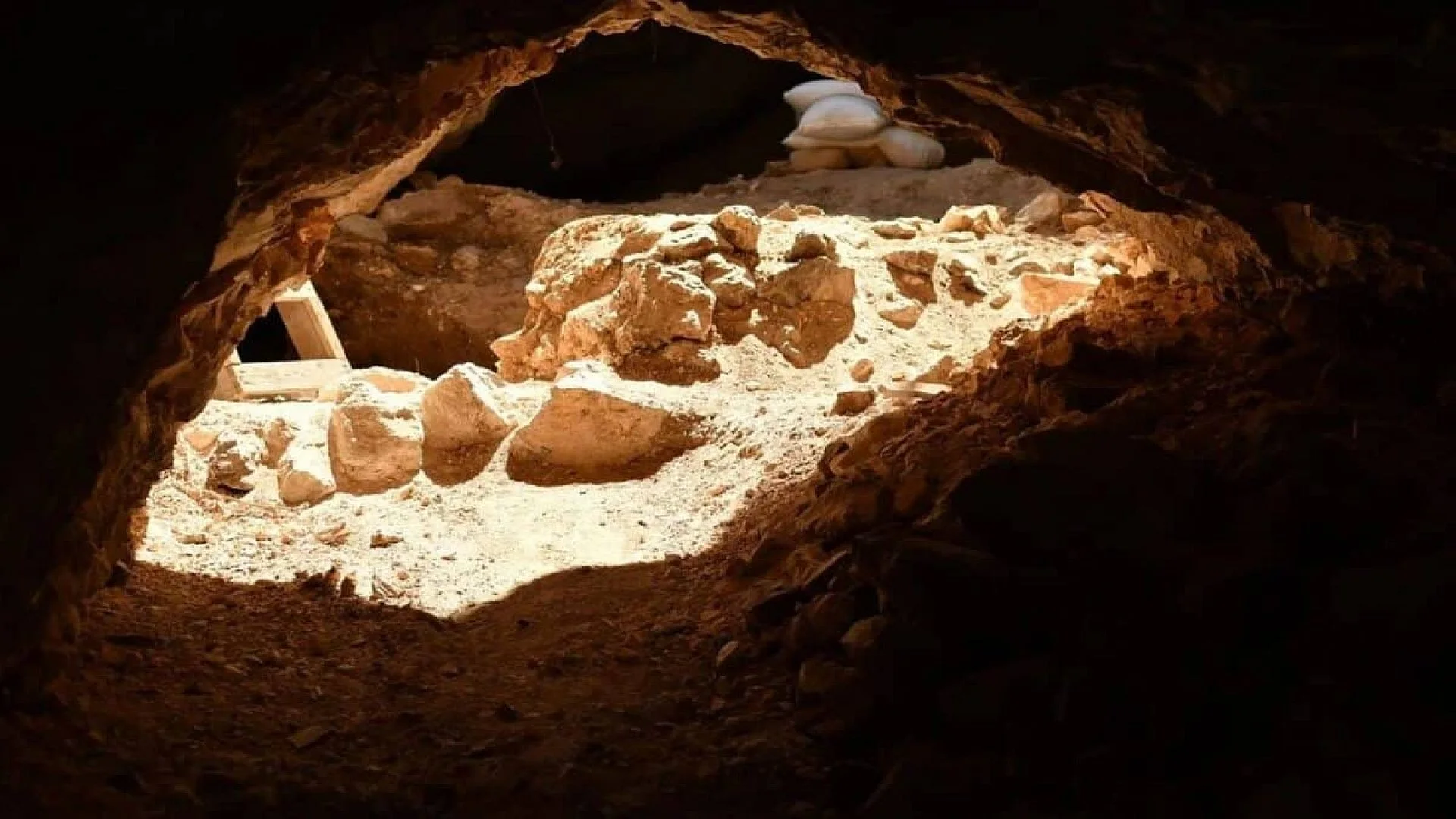
During preparatory digs for a new residential district near Kibbutz Ramat Rachel, archaeologists uncovered a sizable underground corridor stretching approximately 50 meters (164 feet) through solid rock, leaving the purpose of the structure shrouded in uncertainty.
The Israel Antiquities Authority (IAA) carried out the test trenching ahead of a development plan overseen by the Israel Lands Authority. The scheme will transform about 58 dunams into a mixed‑use neighborhood with 488 apartments, commercial zones, workplaces, a primary school and kindergartens.
No pottery shards, tools, coins or organic material have been retrieved, and several sections of the passage are still blocked by collapses, preventing a full examination of the site.
Man‑Made Subterranean Passage Spanning Fifty Metres Discovered
Access to the tunnel is gained via a stone‑cut staircase that descends to a broad opening. Inside, compact soil layers have built up over an extended period, indicating long‑term exposure.
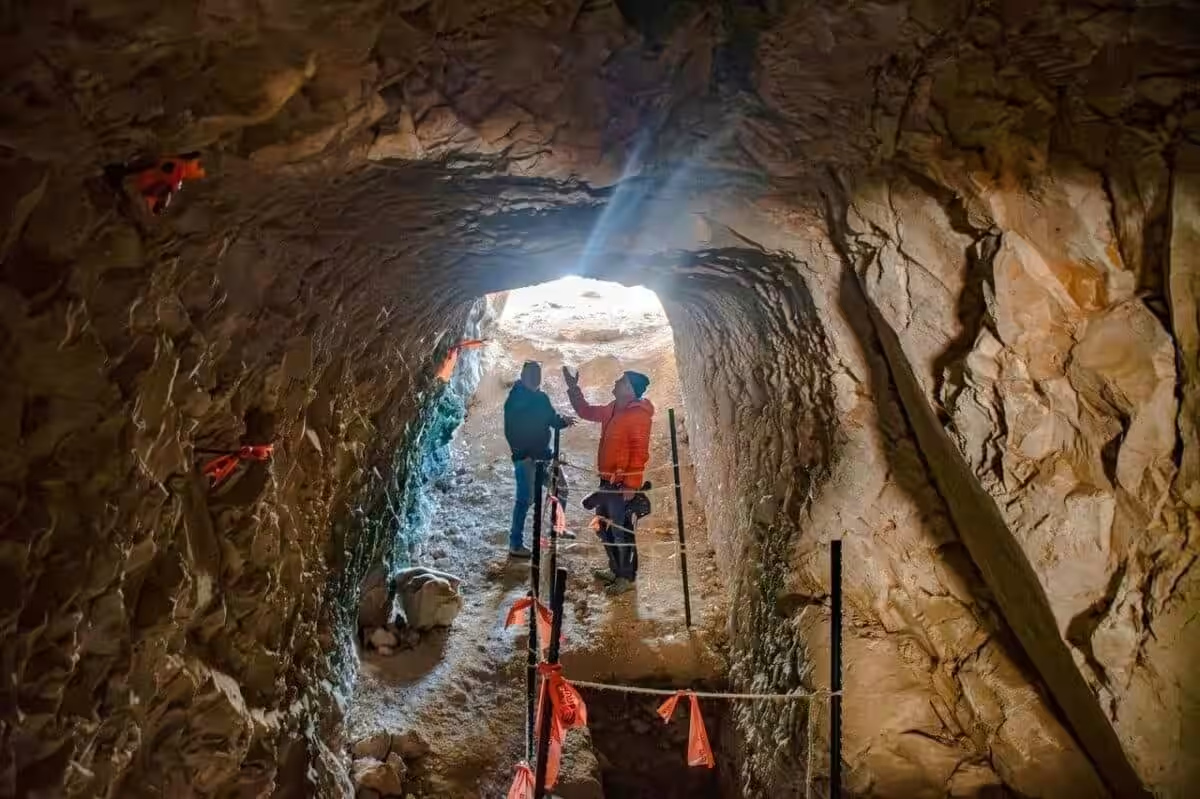
According to a statement released by the Israel Antiquities Authority, test pits in various locations showed the tunnel reaches up to five metres (16 feet) in height and about three metres (10 feet) across. The team observed that:
“The quarrying was executed meticulously. It is clear that whoever carved this tunnel invested tremendous effort, careful planning, and possessed the capabilities and resources necessary to achieve this goal.”
The tunnel walls bear clear signs of deliberate cutting, with smooth surfaces and regular geometry that suggest a planned excavation rather than a natural cavity. The sheer scale of the undertaking implies a significant allocation of labour and technical skill, although no direct clues identify the builders.
Hypotheses of Water Supply and Agricultural Use Rejected
Initial speculation linked the passage to an ancient water‑distribution system that might have tapped a subterranean source. The IAA noted the absence of plaster on the walls—a hallmark of historic water conduits intended to curb leakage—and geological surveys failed to locate a spring nearby. Moreover, excavators found no evidence of standing water or continuous flow within the tunnel.
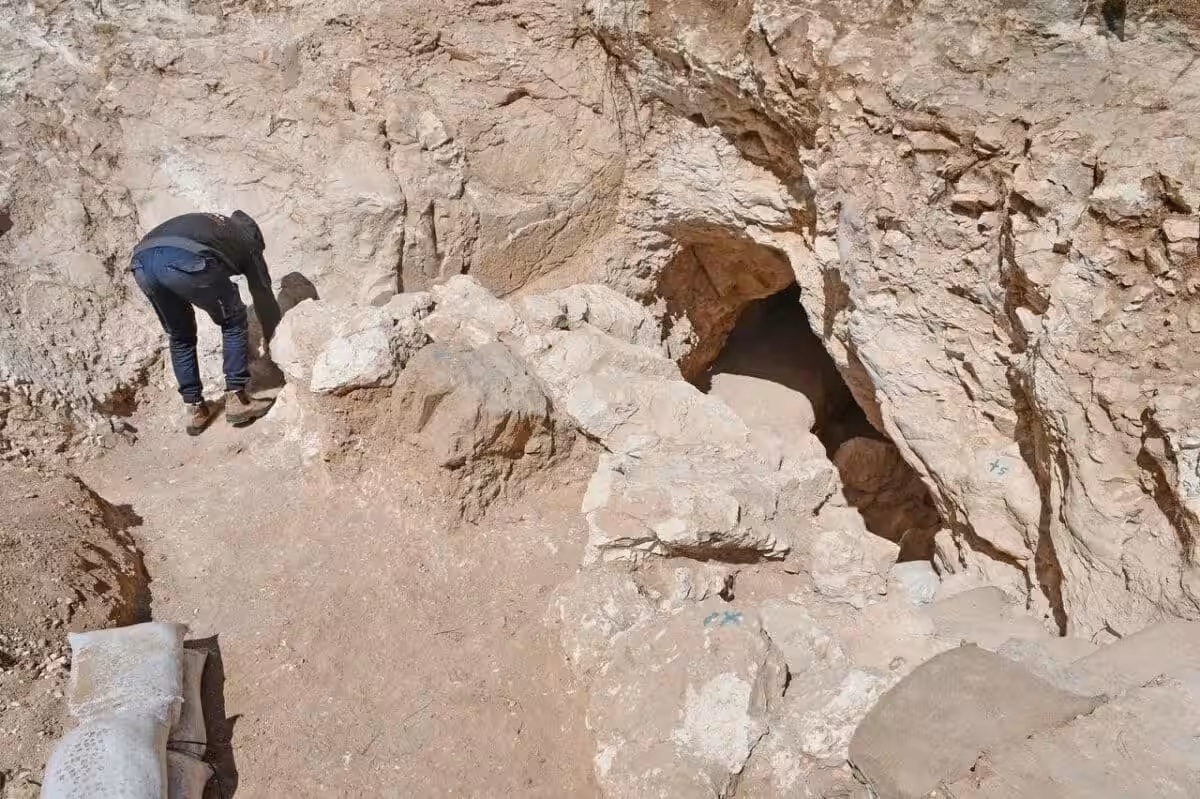
A secondary line of inquiry considered whether the cavity might have served an agricultural or industrial role. The sheer volume of rock removed, however, and the lack of comparable subterranean installations in the vicinity made this explanation difficult to sustain.
Chronology of the Tunnel Remains Unresolved
Field observations suggest the excavators may have been pursuing a chalk seam, perhaps for lime production or as a building stone. Supporting this notion is a vertical shaft cut into the ceiling, a feature often associated with ventilation in deep quarrying operations. Scattered quarry debris on the floor further hints at a mining‑related activity.
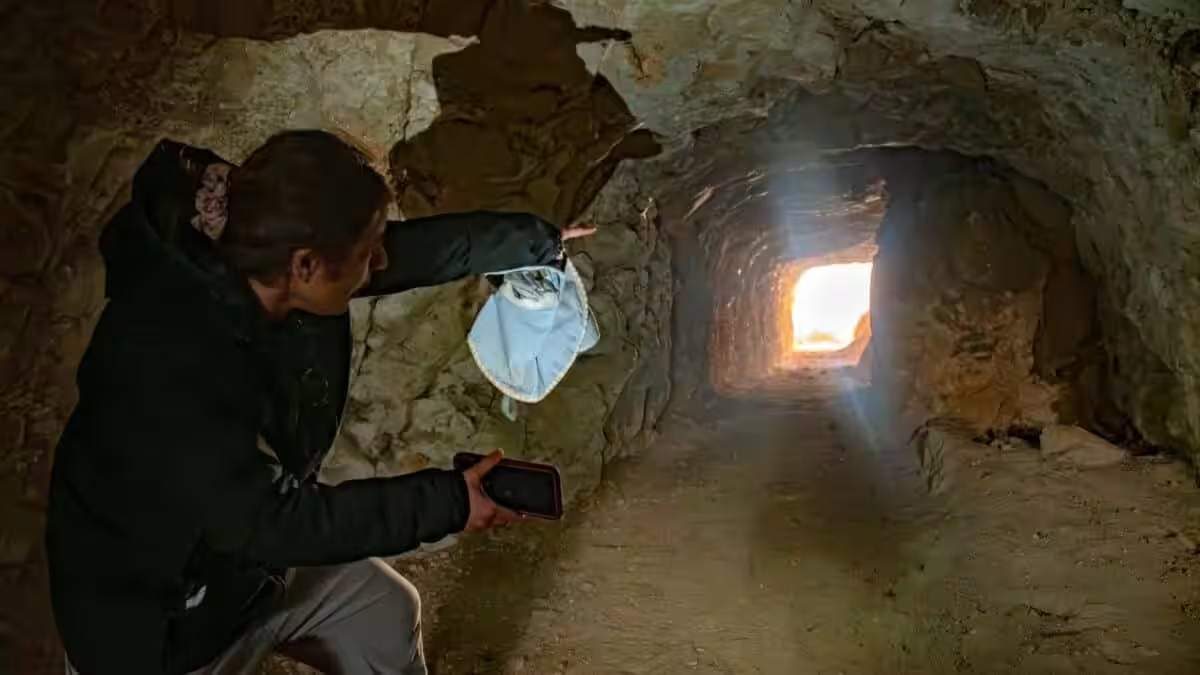
The possibility remains that the undertaking was abandoned before completion, which would explain the lack of artefactual evidence that typically illuminates a site’s function and date.
Attempts to assign a period to the tunnel have so far been inconclusive. No ceramic fragments, metal tools, coins or organic residues have surfaced to anchor the structure in a specific era.
“The date of the tunnel is also a mystery to us, since not even the smallest find was uncovered that could indicate when it was created,” said Dr. Sivan Mizrahi and Zinovi Matskevich, excavation directors for the IAA. “At the same time, the tunnel lies only a few hundred meters, as the crow flies, from two significant ancient sites – a public building from the Iron Age (First Temple period) in the Arnona neighborhood, and Tel Ramat Rachel, where settlement remains dating from the Iron Age through the Islamic period have been documented.”
Archaeologists continue to probe the sealed portions of the passage, hoping that future finds will shed light on who built the tunnel, when the work began, and why such an extensive underground effort was undertaken in this sector of Jerusalem.
This article has been fact checked for accuracy, with information verified against reputable sources. Learn more about us and our editorial process.
Last reviewed on .
Article history
- Latest version
Reference(s)
- “%D7%9E%D7%A0%D7%94%D7%A8%D7%94 %D7%9E%D7%A1%D7%AA%D7%95%D7%A8%D7%99%D7%AA %D7%A7%D7%93%D7%95%D7%9E%D7%94 %D7%95%D7%9E%D7%A8%D7%A9%D7%99%D7%9E%D7%94 %D7%94%D7%AA%D7%92%D7%9C%D7%AA%D7%94 %D7%91%D7%97%D7%A4%D7%99%D7%A8%D7%94 %D7%90%D7%A8%D7%9B%D7%99%D7%90%D7%95%D7%9C%D7%95%D7%92%D7%99%D7%AA %D7%91%D7%99%D7%A8%D7%95%D7%A9%D7%9C%D7%99%D7%9D %D7%91%D7%A1%D7%9E%D7%95%D7%9A %D7%9C%D7%A7%D7%99%D7%91%D7%95%D7%A5 %D7%A8%D7%9E%D7%AA %D7%A8%D7%97%D7%9C.” <https://www.iaa.org.il/en/page_news/page/%D7%9E%D7%A0%D7%94%D7%A8%D7%94-%D7%9E%D7%A1%D7%AA%D7%95%D7%A8%D7%99%D7%AA-%D7%A7%D7%93%D7%95%D7%9E%D7%94-%D7%95%D7%9E%D7%A8%D7%A9%D7%99%D7%9E%D7%94-%D7%94%D7%AA%D7%92%D7%9C%D7%AA%D7%94-%D7%91%D7%97%D7%A4%D7%99%D7%A8%D7%94-%D7%90%D7%A8%D7%9B%D7%99%D7%90%D7%95%D7%9C%D7%95%D7%92%D7%99%D7%AA-%D7%91%D7%99%D7%A8%D7%95%D7%A9%D7%9C%D7%99%D7%9D-%D7%91%D7%A1%D7%9E%D7%95%D7%9A-%D7%9C%D7%A7%D7%99%D7%91%D7%95%D7%A5-%D7%A8%D7%9E%D7%AA-%D7%A8%D7%97%D7%9C>.
- “Sivan Pearl Mizrahi.” <https://en.hafakulta.agri.huji.ac.il/people/sivan-pearl-mizrahi>.
- <https://www.researchgate.net/scientific-contributions/Zinovi-Matskevich-2133566959>.
Cite this page:
- Posted by Zara Tariq