Archaeologists Found 24 Skeletons Beneath a Hotel Garden That Guests Had Walked over for Centuries
Beneath the lush greenery of a hotel’s garden, an ancient Anglo-Saxon relic remained concealed for over a millennium, until a team of archaeologists unearthed its long-buried existence.
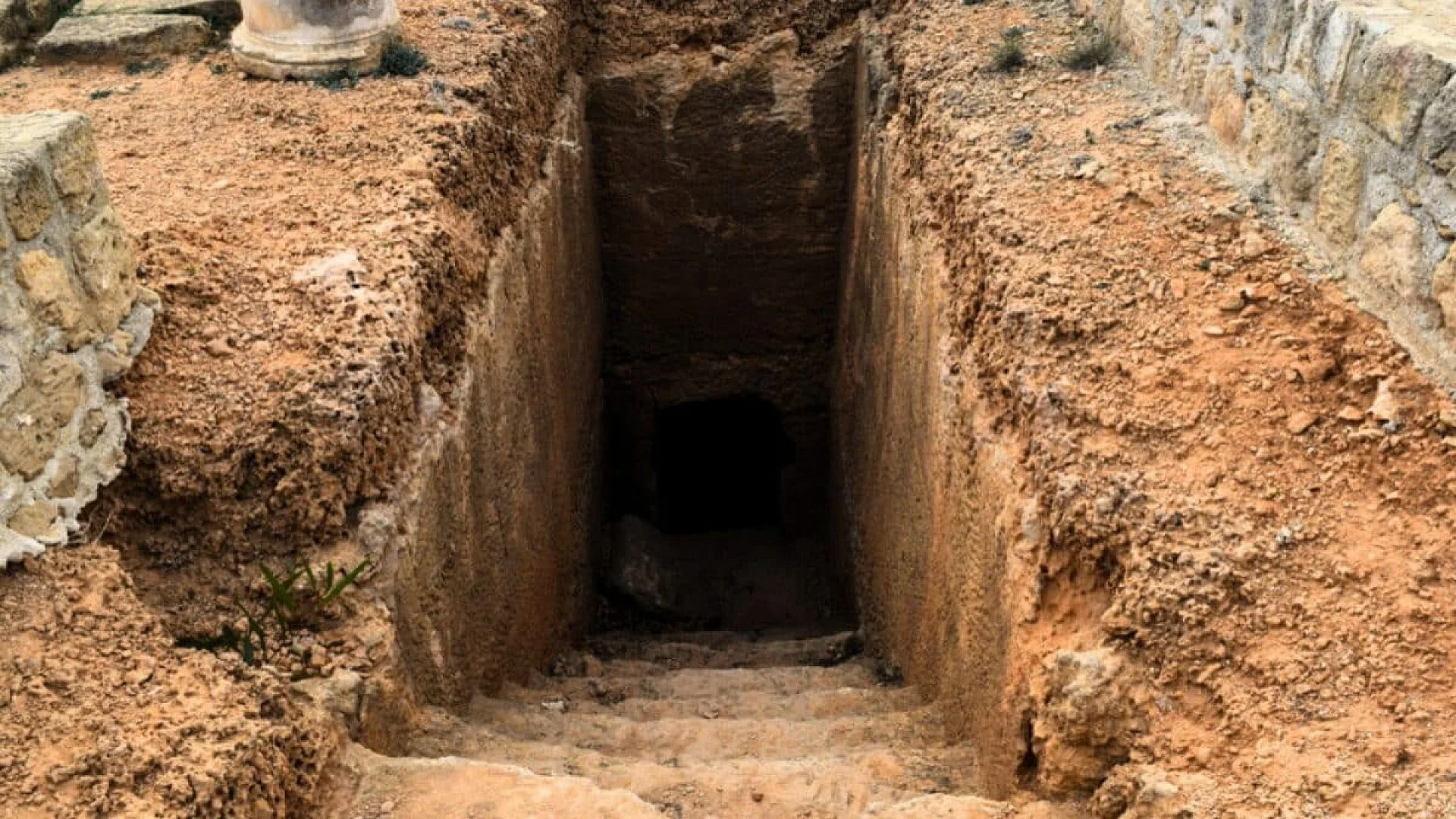
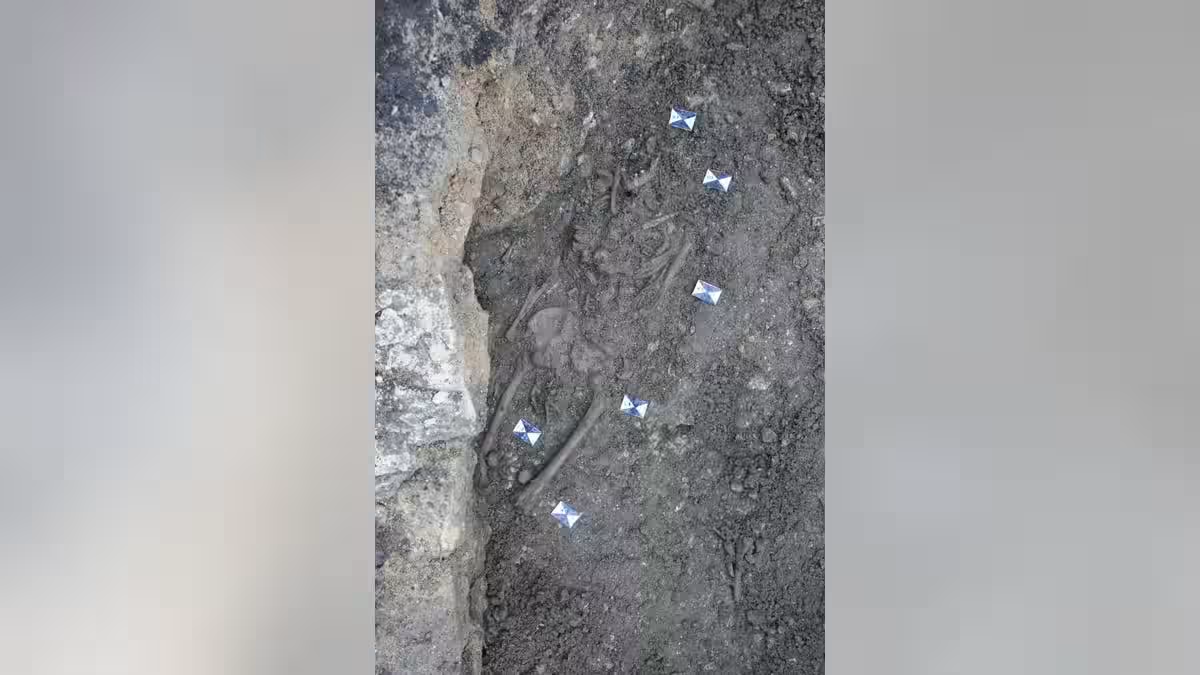
For centuries, guests at The Old Bell Hotel in Malmesbury checked in, dined by the stone fireplace, and slept above ground without realizing what lay beneath their feet. When archaeologists finally cut into the hotel garden ahead of a planned building project, they uncovered 24 skeletons and additional bones from several other individuals, dating back to 670 to 940 AD.
The remains belonged to men, women, and children, a discovery that changed the way local historians read the site and its connection to the adjacent abbey. The hotel, which opened in 1220 to house dignitaries visiting the library at the abbey, is old by any measure, but the graves under the garden predate the building by roughly 500 years, providing Malmesbury with its first physical record of a period that had survived only in documents.
The dig started as a routine archaeological monitoring brief, but it exposed a burial ground that had sat sealed and silent for more than a millennium. The team, led by Cotswold Archaeology, was surprised to find the Anglo-Saxon graves west of the former cloisters, a placement that differed from the known medieval cemetery south of the abbey.

Paolo Guarino, Assistant Publications Manager at Cotswold Archaeology, said written sources had long described a monastery on the site during that period, but no one had ever turned up physical proof. “We knew from historical sources that the monastery was founded in that period, but we never had solid evidence before this excavation,” Guarino said, calling the remains “the first confirmed evidence of 7th to 9th century activity in Malmesbury.”
A Hidden Burial Ground
The Anglo-Saxon graves were not where the team expected to find them. A spokesperson for Cotswold Archaeology told Fox News Digital that no Saxon remains had ever been identified in the town before this excavation. The medieval builders who put up The Old Bell probably struck bones while digging the foundations and kept working, as there is plentiful archaeological evidence that medieval walls were constructed directly over, and sometimes even through, burials.

The hotel still carries marks from every century it has stood, including a hooded stone fireplace in the bar dating to 1220, the year the doors first opened. The builders who laid those stones had no way of knowing they were setting walls on top of a burial ground far older than anything they would have recognized.
A Community Uncovered
A monastic burial site would normally hold the bodies of monks, but this one held men, women, and children. That fact immediately changed how local historians read the site and its connection to the abbey. Tony McAleavy, a Malmesbury Abbey historian, said the discovery was “off the scale excited” and that it looked like they had found traces of the community of people who helped the monks here.

The excavation results went public while Malmesbury was deep into Athelstan 1100, a programme of events marking the 1,100th anniversary of Athelstan’s crowning. The town was already turning over its Anglo-Saxon past when the find surfaced, which gave the announcement a ready audience and an immediate public context.
Cotswold Archaeology later returned to The Old Bell for the Big Athelstan Dig, a community archaeology project that put volunteers to work on 15 test pits across Malmesbury. What began as a single hotel excavation expanded into a wider effort to recover the town’s early medieval record, with residents doing some of the digging themselves.
Kim and Whit Hanks, who own The Old Bell, described the discovery as “a rare insight into the lives of Middle Saxon period Malmesbury residents.” In a statement released through Cotswold Archaeology, they added: “We are honored to act as stewards of local history, a responsibility we take very seriously. It’s fitting that the earliest remains have been found near the abbey, on the grounds of England’s oldest hotel.”
This article has been fact checked for accuracy, with information verified against reputable sources. Learn more about us and our editorial process.
Last reviewed on .
Article history
- Latest version
Reference(s)
- “Web Careful Excavation Of Anglo Saxon Remains 1.” <https://cotswoldarchaeology.co.uk/wp-content/uploads/2025/10/web-careful-excavation-of-Anglo-Saxon-remains-1.webp>.
- “Anglo Saxon Remains Under Excavation 1.” <https://cotswoldarchaeology.co.uk/wp-content/uploads/2025/10/Anglo-Saxon-remains-under-excavation-1.webp>.
Cite this page:
- Posted by Zara Tariq