NASA Rolls Out Six New Airborne Missions to Study Wildfires Ice Melt and Pollution
NASA readies six airborne missions to study Earth’s major environmental changes, aiming to capture vital data on climate, weather and ecosystems.
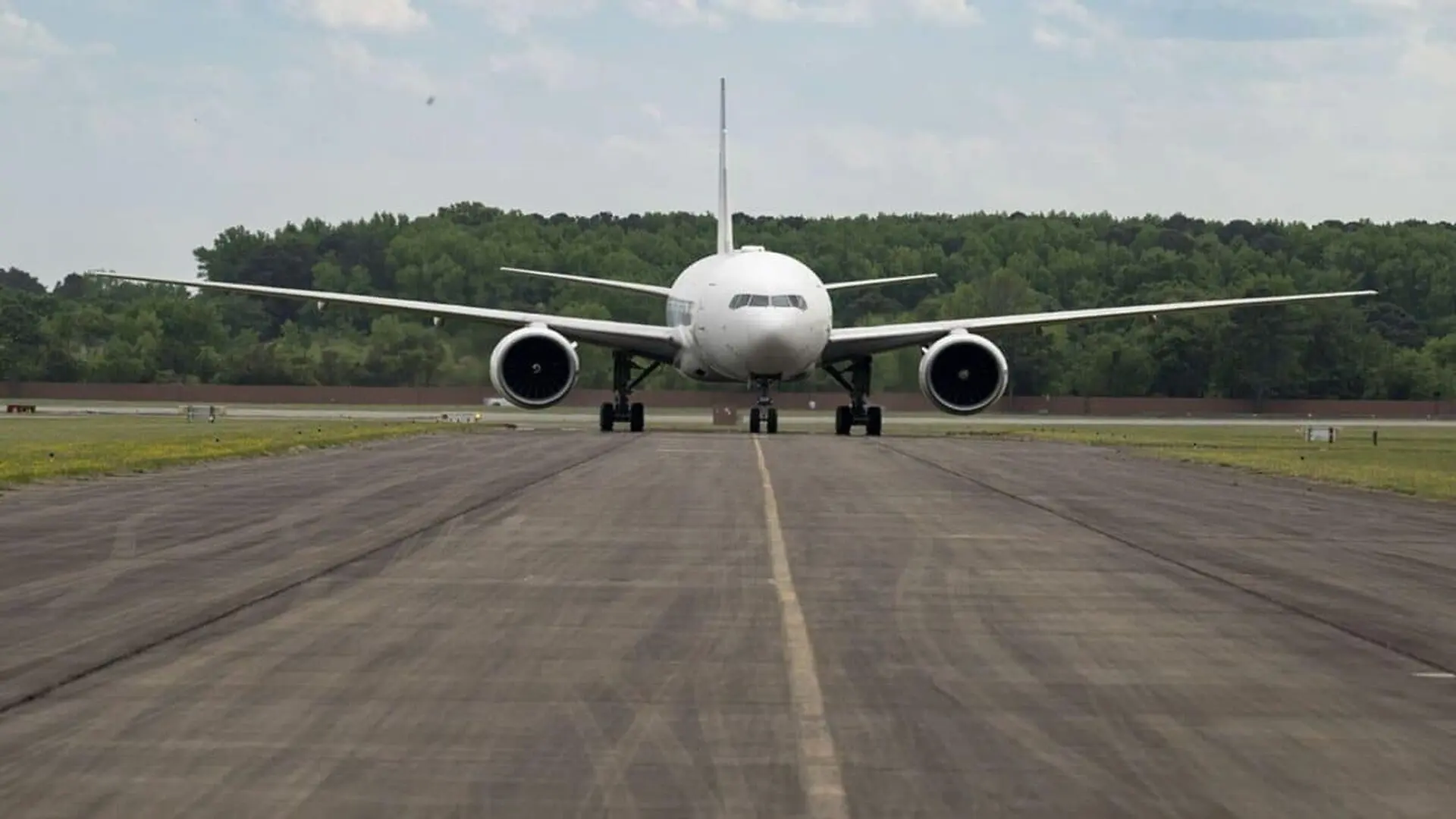
NASA is gearing up for a suite of six airborne science campaigns that will tackle pressing environmental questions, ranging from wildfire dynamics to glacier melt and ecosystem transitions. The missions, now moving toward operational science flights, fall under the agency’s Earth Venture Suborbital initiative, a program designed to augment satellite observations with high‑resolution in‑situ measurements.
Airborne Platforms Bring Detail to Global Monitoring
Researchers will employ a mix of aircraft, high‑altitude balloons, unmanned drones and cutting‑edge sensors to sample the atmosphere and surface across diverse regions. These mobile platforms enable data collection at spatial scales that satellites cannot resolve.
While satellites excel at providing worldwide coverage, airborne missions can zero in on specific hotspots—such as active wildfires, rapidly changing ice fields, polluted urban corridors, and vulnerable ecosystems—to capture the fine‑grained processes that drive larger‑scale change.
Each campaign brings together experts from NASA, academic institutions, research laboratories and government partners, all working toward targeted scientific questions about natural and anthropogenic influences on the planet.
Earth Venture Suborbital Program Fuels Flexible Research
The Earth Venture Suborbital program was established after recommendations from the National Research Council and has previously backed investigations of storms, ocean dynamics, ecosystems and atmospheric chemistry. By supporting short‑duration, high‑impact field campaigns, the program enables scientists to deploy instruments where and when they are most needed.
Data gathered from these new flights are expected to refine climate models, improve environmental forecasts and deepen our understanding of rapidly evolving regions.
NASA Emphasizes Integrated Observation Strategy
According to NASA, the upcoming missions represent a further step in weaving together airborne, satellite and ground‑based observations. By aligning measurements from multiple perspectives, scientists can construct more complete narratives of environmental change.
The selected campaigns will address a range of challenges, including the transport of atmospheric pollutants, the dynamics of extreme wildfire events and the evolution of frozen landscapes.
Specialized sensors on board the aircraft will record chemical compositions, temperature profiles, atmospheric conditions, surface characteristics and biological indicators, providing a holistic view of Earth system interactions.
All datasets will be made available to the broader research community, supporting studies of climate processes, weather forecasting and environmental risk assessment.
INSPYRE Mission Targets Fire‑Generated Storms
The first campaign to launch is the Injected Smoke and PYRocumulonimbus Experiment (INSPYRE), led by the Naval Research Laboratory. The mission focuses on pyrocumulonimbus clouds—towering storm systems that arise from intense wildfires and can loft smoke and gases high into the stratosphere.
Key questions include how these fire‑driven storms develop and how they influence the global distribution of smoke and atmospheric chemistry. Aircraft will fly directly through wildfire‑affected air masses to capture detailed measurements.
By characterizing the physical and chemical properties of wildfire emissions, INSPYRE aims to enhance predictive models of smoke dispersion and clarify the broader climatic implications of large‑scale fire events.
Remaining Missions Probe Ice, Air Quality and Ecosystems
The other five campaigns will investigate frozen terrains, atmospheric contaminants and ecosystem dynamics. Aircraft‑based observations will capture rapid changes that often elude the slower revisit times of satellite instruments.
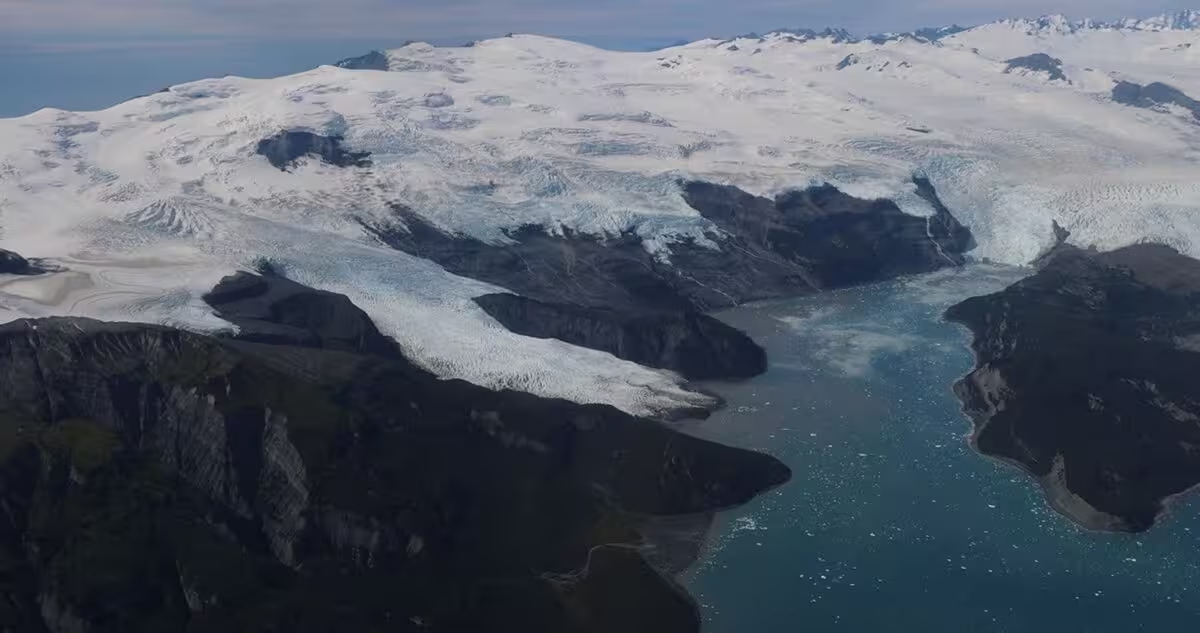
Teams studying polar and glacial regions will monitor glacier retreat and permafrost alteration, feeding crucial data into assessments of sea‑level rise and climate feedbacks.
Separate efforts will quantify pollutants that affect air quality and climate, mapping their transport pathways and chemical transformations.
Additional missions will focus on biological processes, gathering information on how habitats respond to shifting environmental conditions.
Collectively, these investigations will assemble a comprehensive, cross‑disciplinary dataset that spans the Earth’s atmospheric, cryospheric and biospheric components.
Synergistic Observations Advance Understanding of a Changing Planet
The new suite of airborne missions underscores the growing reliance on blended observation strategies. While satellites deliver a panoramic view, aircraft provide the fine‑scale detail needed to dissect complex phenomena in real time.
Deploying research platforms directly into dynamic environments—such as wildfire plumes, evolving ice fronts and polluted air masses—offers scientists the chance to observe processes as they unfold.
Insights gained from these high‑resolution measurements will feed into next‑generation climate models, sharpen environmental forecasts and deepen knowledge of how Earth’s interconnected systems respond to stressors.
As the science flights commence, NASA’s airborne research fleet will become a vital source of data for decoding the planet’s rapid transformations.
This article has been fact checked for accuracy, with information verified against reputable sources. Learn more about us and our editorial process.
Last reviewed on .
Article history
- Latest version
Reference(s)
- Campen, Christina. “New NASA Earth Missions Gear Up to Start Science Flights - NASA Science.”, July 20, 2026 NASA <https://science.nasa.gov/earth/new-nasa-earth-missions-gear-up-to-start-science-flights/>.
Cite this page:
- Posted by Vikram Desai