Ancient Egyptian Desert Petroglyphs Vanish as Climate Change and Vandalism Accelerate
Thousands of ancient petroglyphs in Egypt’s Western Desert face imminent loss as changing conditions threaten their preservation.
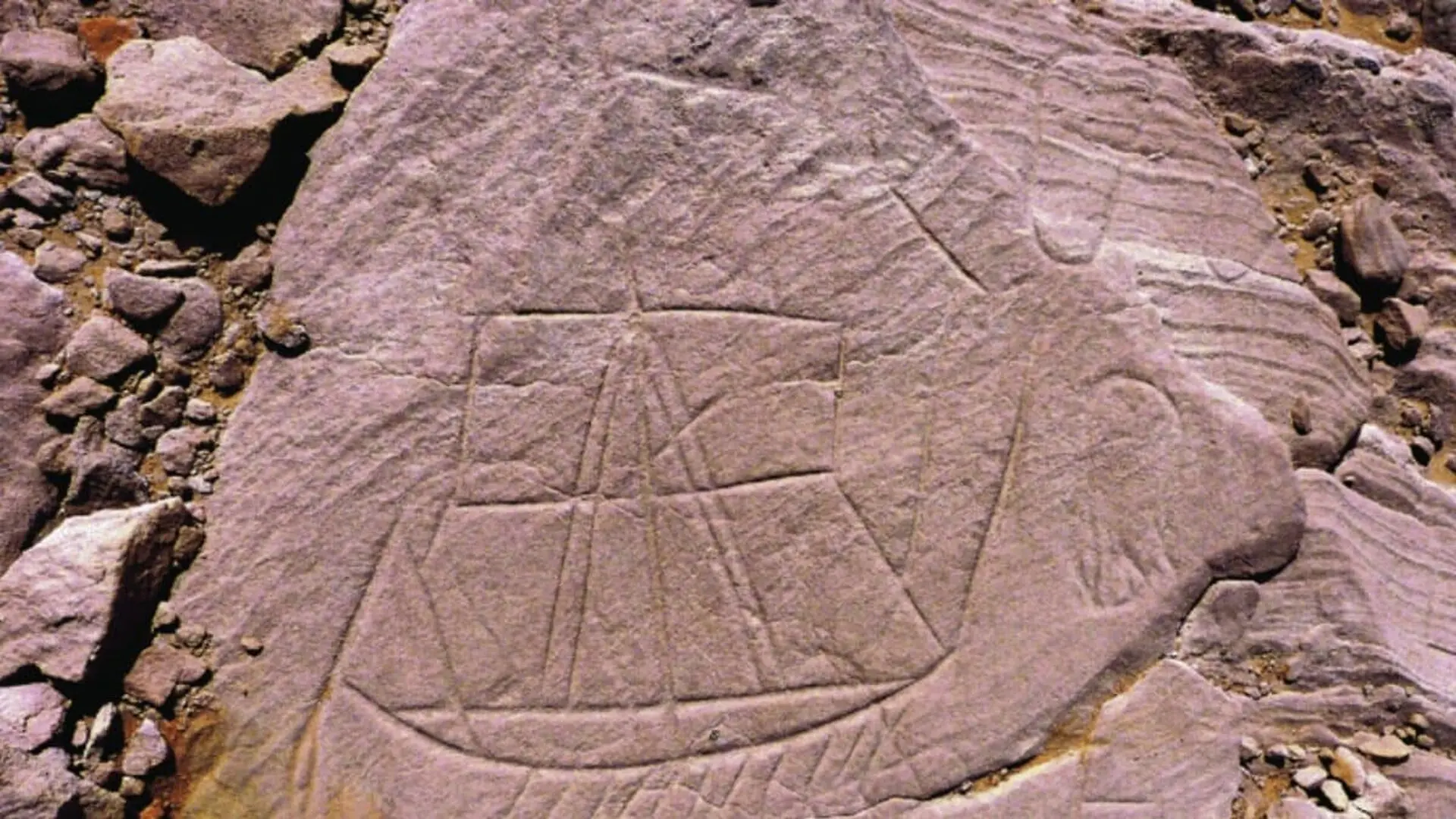
In Egypt’s remote Western Desert, thousands of prehistoric petroglyphs are being worn away by a combination of climate‑driven erosion and human vandalism, prompting archaeologists to accelerate efforts to record these vulnerable sites before they disappear.
Nestled within the Dakhla Oasis, the rock carvings span more than seven millennia, offering a visual record of peoples who traversed, settled, and left their marks across the desert long before the rise of Egypt’s famous pharaonic monuments.
For four decades, Polish researchers involved in the Dakhleh Oasis Project have been systematically documenting the engravings. Dr. Paweł Polkowski, who directs the initiative, warns that the amount of intact rock art is steadily diminishing.
Desert Rock Art Chronicles Millennia of Human Activity
Located roughly 350 kilometres west of the Nile Valley, the Dakhla Oasis has been inhabited since prehistoric times and later served as a pivotal stop on caravan routes linking the Nile with the Sahara and Libya, leaving an unusually rich archaeological footprint.
The Dakhleh Oasis Project reports that researchers have identified around 350 rock‑art locations. While some sites contain only a handful of motifs, others boast hundreds, and a few exceed a thousand distinct images.
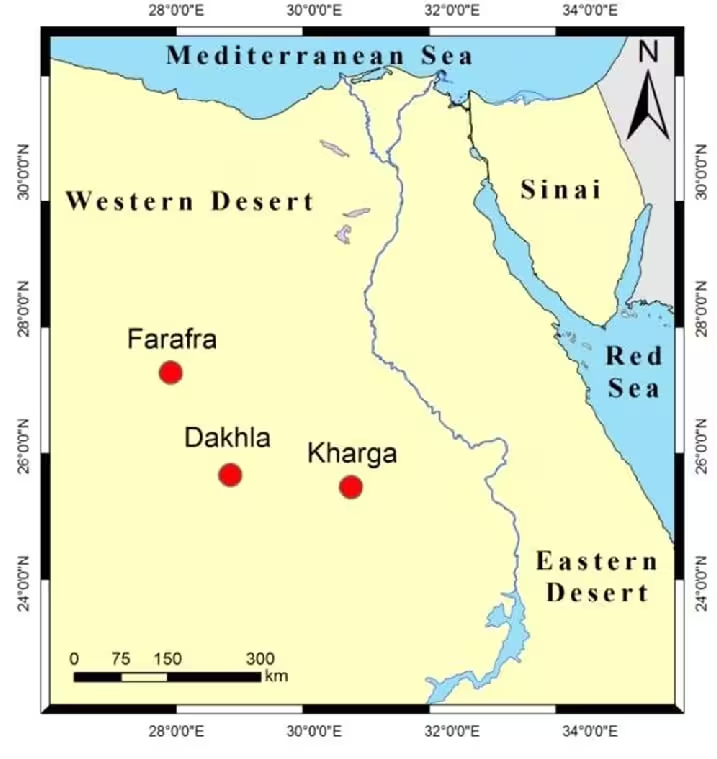
The earliest carvings date to roughly 6,000–5,000 BC, while later examples emerge from the medieval era and even the 20th and 21st centuries. In addition to images, the oasis preserves inscriptions in hieroglyphic, Coptic, Greek, Graeco‑Latin, and Arabic scripts, reflecting continuous human presence over thousands of years. The oldest artworks illustrate the long‑term cultural significance of this landscape.
Accelerating Natural Decay Threatens the Petroglyphs
Many of the engravings were etched into Nubian sandstone, a relatively soft rock that is especially susceptible to weathering. According to Dr. Polkowski, some surfaces have become so delicate that a light touch can almost erase the details.
“There’s a little less of it each year, and certainly less from decade to decade, or century to century,” he said.
Increasingly intense desert winds, suspended dust particles, and rising temperatures are gradually grinding away even the harder stone. Researchers also note that more frequent, heavier rainfall—a relatively new phenomenon for this region—is accelerating erosion.
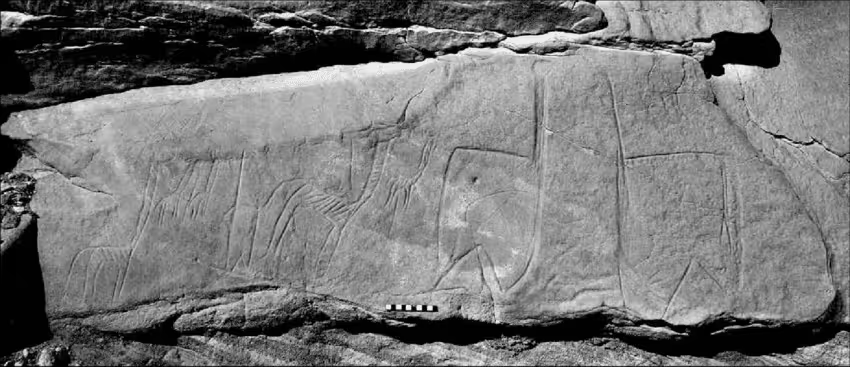
Rainfall that was once a rarity is now occurring in stronger downpours, damaging traditional desert structures and hastening the wear of exposed rock art. Because these natural processes cannot be reversed, the research team emphasizes that thorough documentation is now a top priority.
Contemporary Vandalism Adds New Layers to Ancient Stones
Modern human activity is also leaving irreversible marks on the ancient petroglyphs. Recent graffiti and fresh carvings are superimposing themselves over prehistoric images throughout the oasis.
Dr. Polkowski points out that overpainting of older motifs has occurred throughout history, including during the Greco‑Roman era. Today, such additions are classified as vandalism under heritage protection statutes, and many sites lack sufficient safeguards, making illicit alterations commonplace.
Among the most striking recent discoveries are a sandstone relief resembling a smartphone and a series of engravings that appear to depict British soldiers bearing rifles and flags during a 1916 military operation in the oasis.
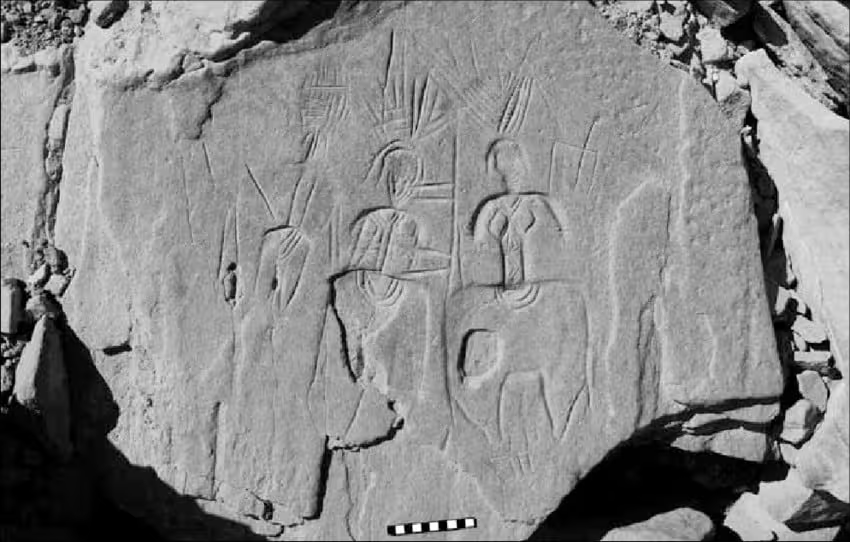
Administrative obstacles have further hampered preservation attempts. Dr. Polkowski explains that international teams have been unable to return to Egypt’s Western Desert since 2014 because necessary security clearances have not been issued, despite approval from the Ministry of Tourism and Antiquities. This bureaucratic delay has slowed the race to document the at‑risk petroglyphs.
This article has been fact checked for accuracy, with information verified against reputable sources. Learn more about us and our editorial process.
Last reviewed on .
Article history
- Latest version
Reference(s)
- “Dr Paweł Polkowski - Instytut Archeologii i Etnologii.”, March 4, 2026 Instytut Archeologii i Etnologii <https://iaepan.edu.pl/institute/structure/departments/department-for-prehistoric-and-medieval-studies/staff/pawel-polkowski/>.
- <https://www.researchgate.net/publication/317583819_2013_Rock_art_research_in_the_Dakhleh_Oasis_Western_Desert_Egypt_Petroglyph_Unit_Dakhleh_Oasis_Project>.
Cite this page:
- Posted by Vikram Desai