Ancient Water Trapped 10,000 Years Reveals Deep Underground Microbes Form Unique Ecosystems
New study reveals microbes thriving thousands of feet underground in environments once deemed uninhabitable.
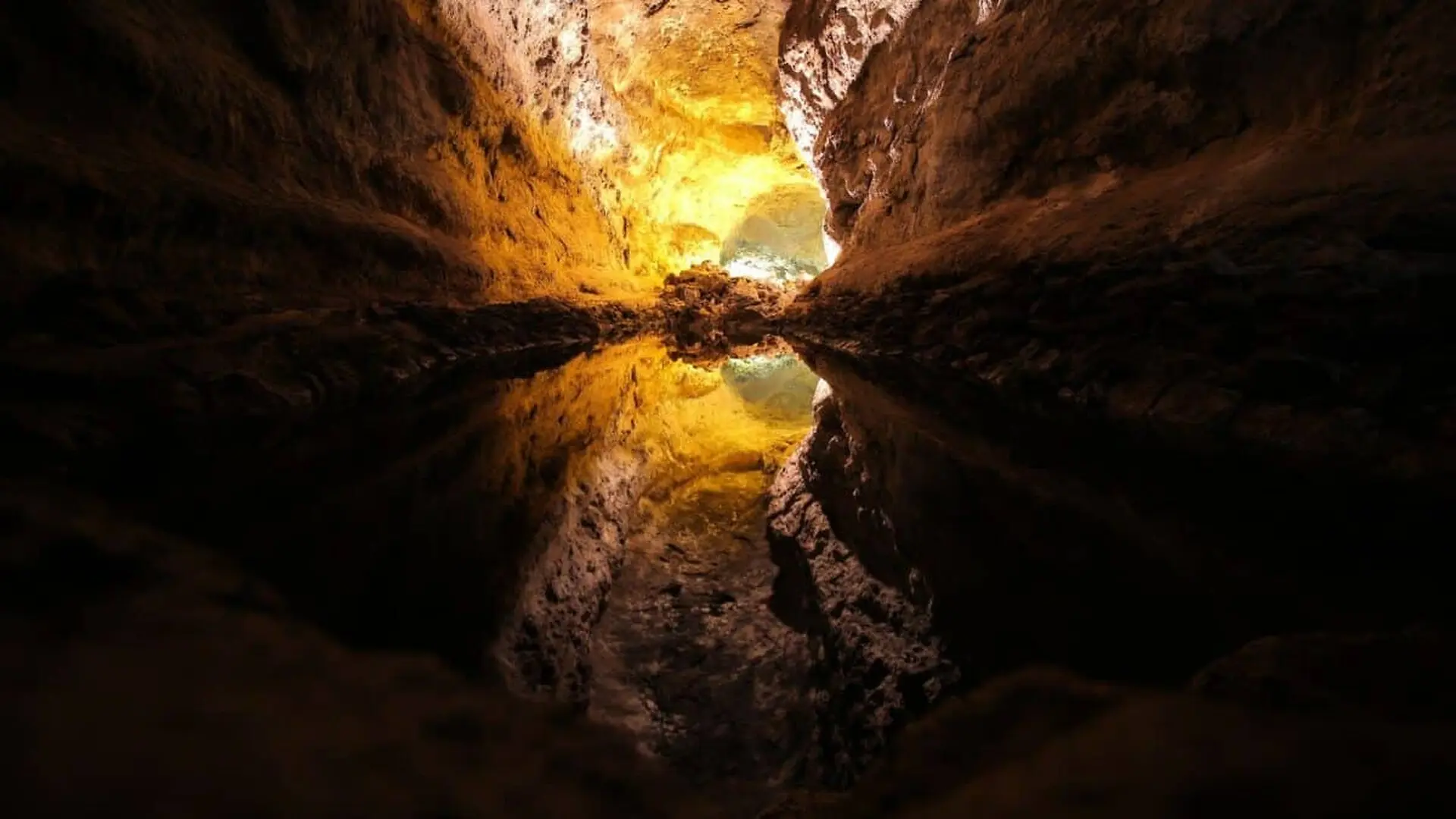
In the perpetual darkness beneath Earth’s crust, microorganisms have not only persisted but also assembled into organized ecosystems, a new investigation shows. Researchers have demonstrated that subterranean microbes arrange themselves into stable communities where different groups specialize in distinct metabolic tasks, enabling life to thrive in some of the planet’s most isolated habitats.
The work stems from a multi‑year survey of the deep subsurface, a realm that is still largely unmapped even though scientists estimate it may contain a substantial fraction of global microbial diversity.
To probe the hidden biosphere, a team sampled fluids from the Sanford Underground Research Facility in Lead, South Dakota—formerly the Homestake Mine. Drilling accessed rock fractures at depths ranging from a few hundred meters to more than a kilometre, where water, dissolved gases, and active microbes were retrieved.
Distinct Microbial Worlds in the Depths
Northwestern University geobiologist Magdalena Osburn led the effort, establishing six monitoring stations throughout the former mine. The study, appearing in Journal of Geophysical Research: Biogeosciences, identified water that had been sealed underground for as long as ten thousand years.
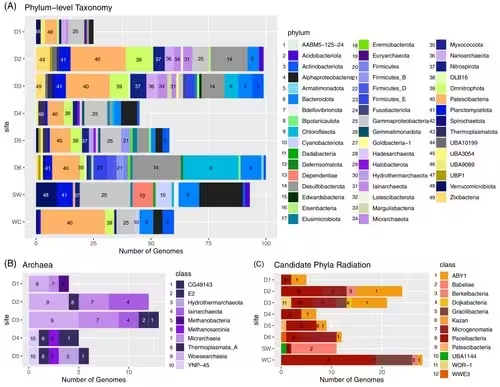
Monitoring from 2015 to 2019 produced one of the most comprehensive long‑term records of deep‑earth microbial activity. Prior to sampling, the team anticipated broadly similar communities across the mine, given the shared constraints of darkness, isolation, and scarce energy.
“Within the goldmine, we sampled six spots, ranging from 250 meters deep to 1500 meters deep,” Osburn said. “We thought we might see some subtle variation with depth but assumed the microbial communities should be broadly similar. That’s not what we found at all.”
Instead, even adjacent stations harbored markedly different assemblages, a pattern the researchers liken to sampling distinct islands rather than contiguous terrain.
No Universal Subsurface Microbiome Detected
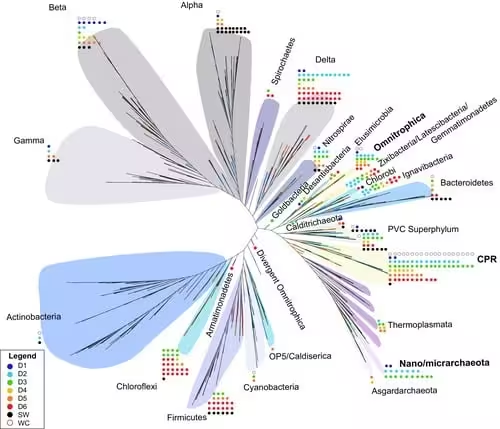
The expectation of a core set of underground‑adapted microbes proved unfounded; each site supported a unique consortium shaped by local geology and chemistry. The absence of a shared microbiome emerged as a central conclusion of the research.
“Because deep underground environments share extreme conditions, including darkness, isolation and limited energy, we thought we’d find a common set of specially adapted microbes,” Osburn noted. “But effectively, we found there is not a core microbiome anywhere in this mine. We did not expect that.”
The data reveal that site‑specific conditions dictate which organisms can establish a foothold, even within the confined space of a single mine.
Functional Guilds Keep the System Running
Despite taxonomic differences, the overall ecological framework remained consistent across sites. Researchers identified two overarching groups at each location.
The first group forms a persistent core that continuously recycles carbon and sustains essential biochemical pathways. These organisms operate with a low‑energy, slow‑growing metabolism, enabling long‑term survival on minimal resources.
The second group lies in reserve, poised to exploit sudden influxes of nutrients such as sulfur, nitrogen, or iron. This opportunistic community can rapidly respond to chemical pulses triggered by events like earthquakes.
“The core community has a low and slow metabolism,” Osburn explained. “Then this other community of organisms is poised to respond to pulses of nutrients when they become available.”
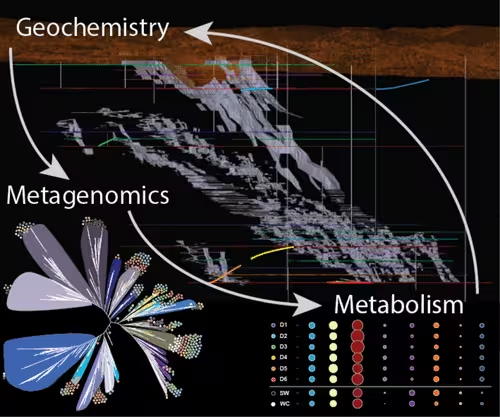
Because functional roles are shared, each ecosystem contains microbes capable of similar ecological tasks, a concept the team describes as “functional guilds.” Osburn likens the arrangement to a town where different tradespeople fulfill the same essential role, such as a plumber, regardless of who holds the position.
“I have a friend who says, ‘Every town needs a plumber.’ These sites reflect that idea. Each one is filled with different types of microbes, but all have a ‘plumber.’”
This article has been fact checked for accuracy, with information verified against reputable sources. Learn more about us and our editorial process.
Last reviewed on .
Article history
- Latest version
Reference(s)
- “Osburn, Magdalena | Faculty | Northwestern Engineering.” <https://www.mccormick.northwestern.edu/research-faculty/directory/profiles/osburn-magdalena.html>.
- Momper, Lily., et al. “A metagenomic view of novel microbial and metabolic diversity found within the deep terrestrial biosphere at
DeMMO: A microbial observatory inSouth Dakota ,USA .” Environmental Microbiology, vol. 25, no. 12, November 14, 2023, pp. 3719-3737. Wiley, doi: 10.1111/1462-2920.16543. <https://enviromicro-journals.onlinelibrary.wiley.com/doi/full/10.1111/1462-2920.16543>.
Cite this page:
- Posted by Vikram Desai