Perseverance Captures Rare Shot Of Earth Sharing The Sky With Mars’ Moon Phobos
NASA’s Perseverance rover snaps a rare shot of Phobos alongside Earth hovering over the Martian surface, offering a stunning double‑planet view.
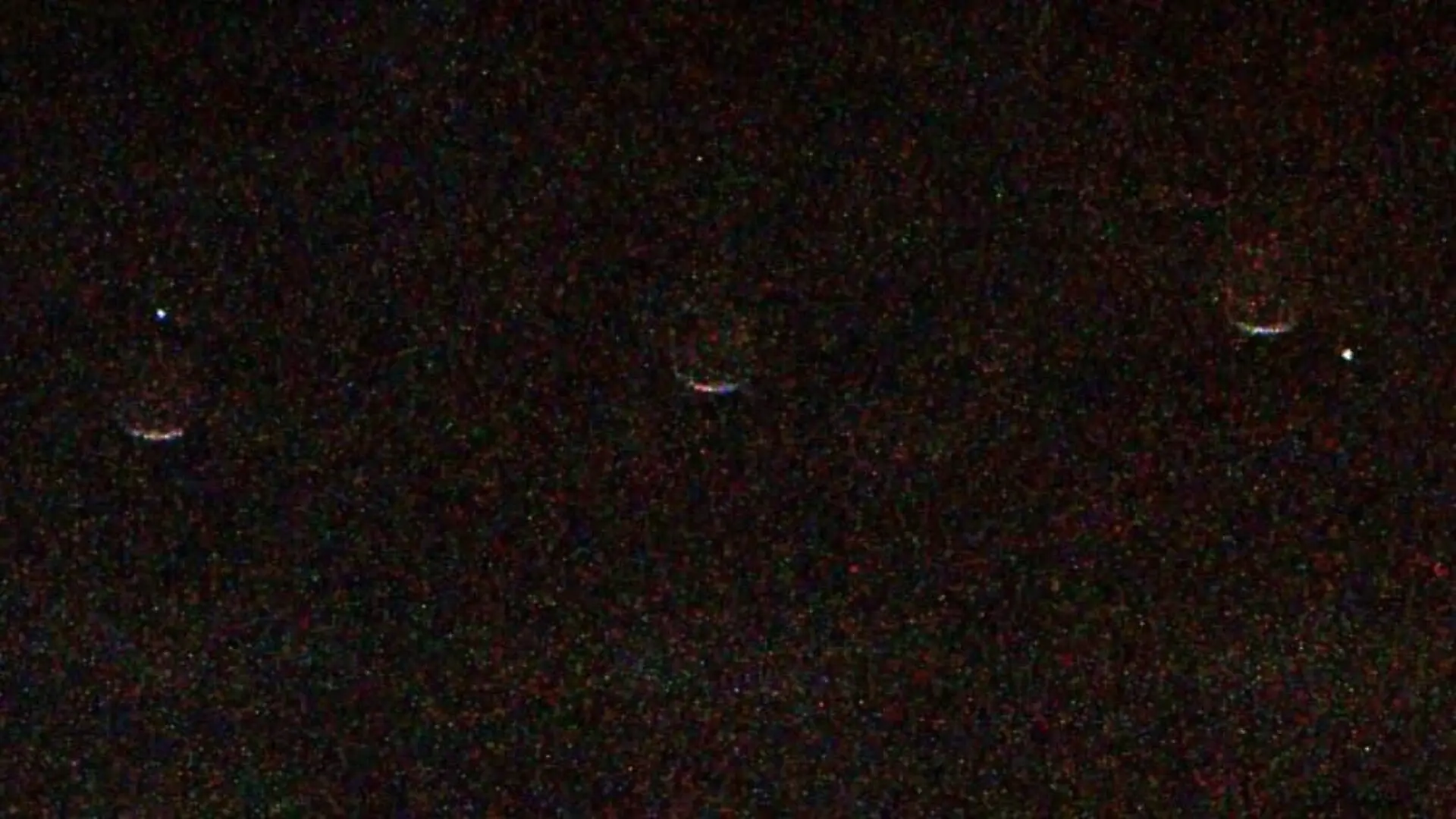
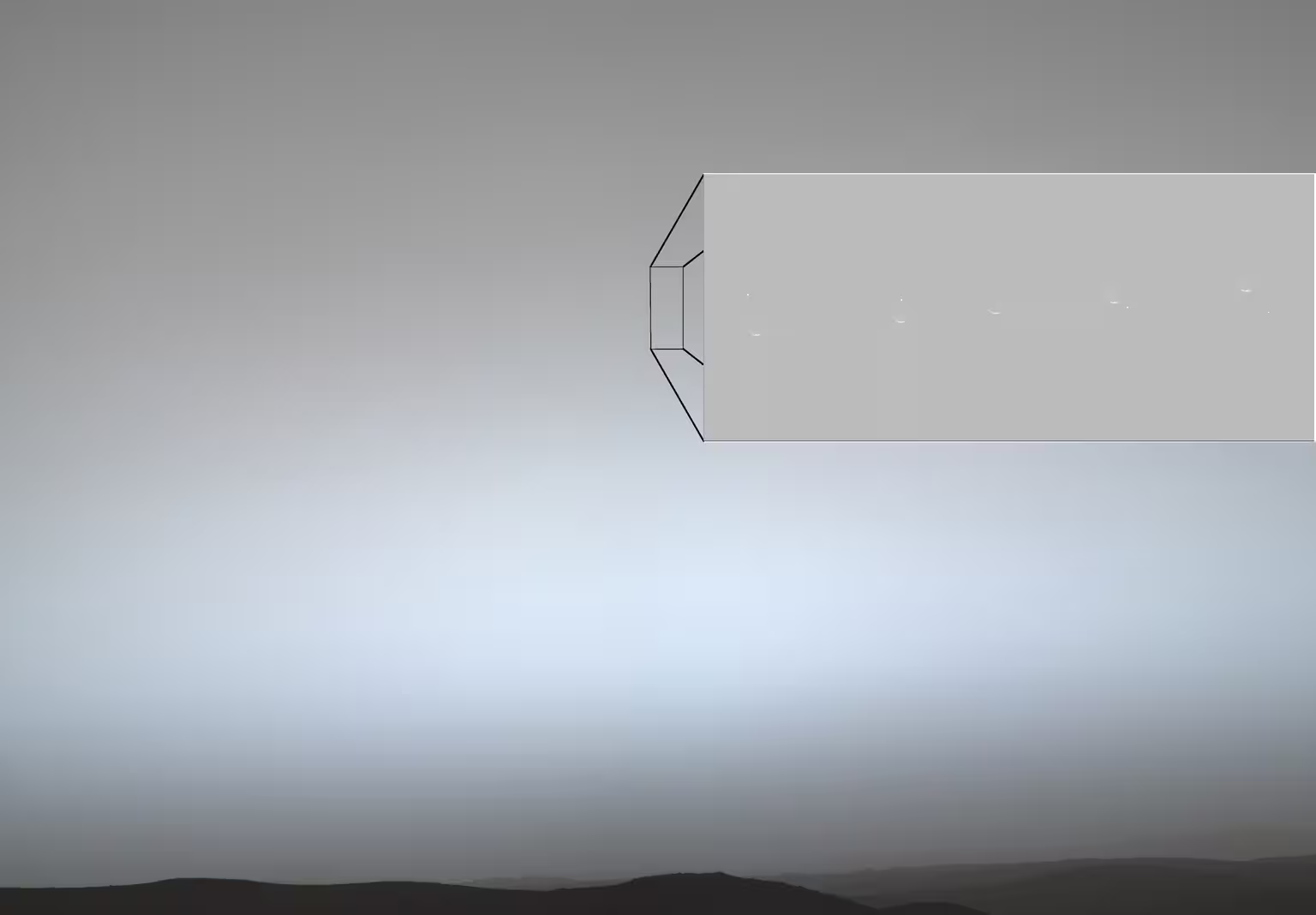
During a routine session on the Martian plain, NASA’s Perseverance rover recorded a striking sky picture that places Earth and the moon Phobos side by side, offering a rare glimpse of our planetary neighborhood from another world.
Mars Rover Captures Uncommon Sky Snapshot
By framing Phobos—the larger of Mars’ two moons—along with the distant Earth, the photo visually conveys the vast differences in scale and distance that define our solar system.
Phobos continues to attract intense study because of its irregular shape, rapid orbital decay, and ambiguous origin, making it a focal point for research into Martian history and moon formation.
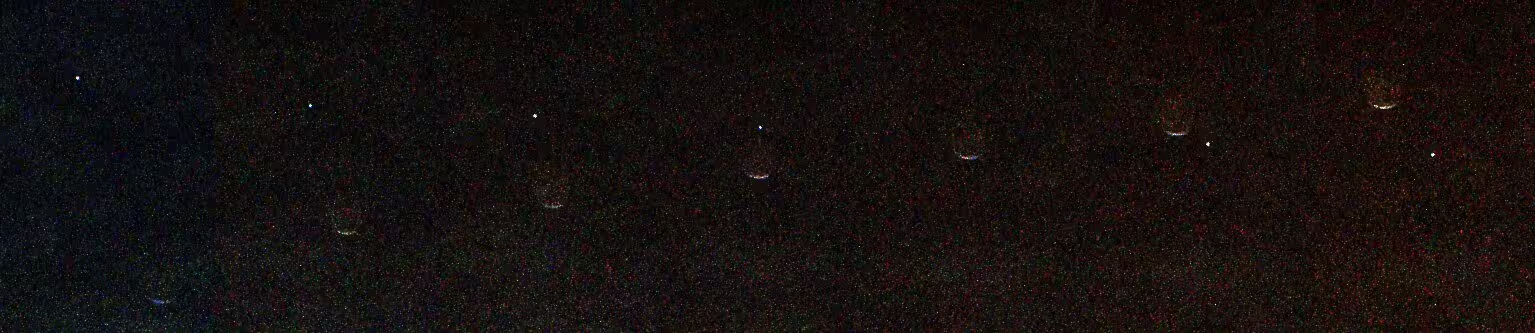
Including Earth in the same frame adds educational and scientific value, helping both specialists and the public visualize Mars’ position relative to our home planet and appreciate the unique perspectives afforded by interplanetary missions.
NASA’s extensive image repository enables educators, researchers, and space enthusiasts to track discoveries across multiple worlds, each new picture enriching the visual record of humanity’s reach beyond Earth.
Insights Gleaned from the Martian Sky Image
Perseverance touched down in 2021 as the centerpiece of the Mars 2020 program, tasked with examining rocks and sediments inside Jezero Crater—a basin that likely hosted a lake and river delta billions of years ago.
Through detailed rock analysis and the collection of samples earmarked for future return missions, the rover is piecing together the Red Planet’s ancient climate and geological story, while its camera suite continuously documents the evolving landscape.
Observations of the Martian sky also allow scientists to probe atmospheric composition, lighting conditions, and the motion of celestial bodies from a surface perspective, complementing data gathered by other onboard instruments.
The Phobos‑Earth composite underscores the broader scientific mission of robotic explorers: beyond geological surveys, they forge visual links between worlds, expanding our comprehension of the cosmos.
Upcoming Mars endeavors will build on the foundation laid by Perseverance and its orbital partners, intertwining surface exploration, orbital reconnaissance, and sample analysis to deepen our knowledge of planetary evolution.
Reframing Humanity’s Position Within the Solar System
Seeing Earth from the surface of another planet reshapes how we perceive our place in the solar system, emphasizing the vast distances that separate worlds and the ambition required to bridge them.
For decades, spacecraft have supplied unique Earth viewpoints from various orbital stations, each image serving as a milestone in the narrative of exploration and a reminder of the interconnectedness of planetary bodies.
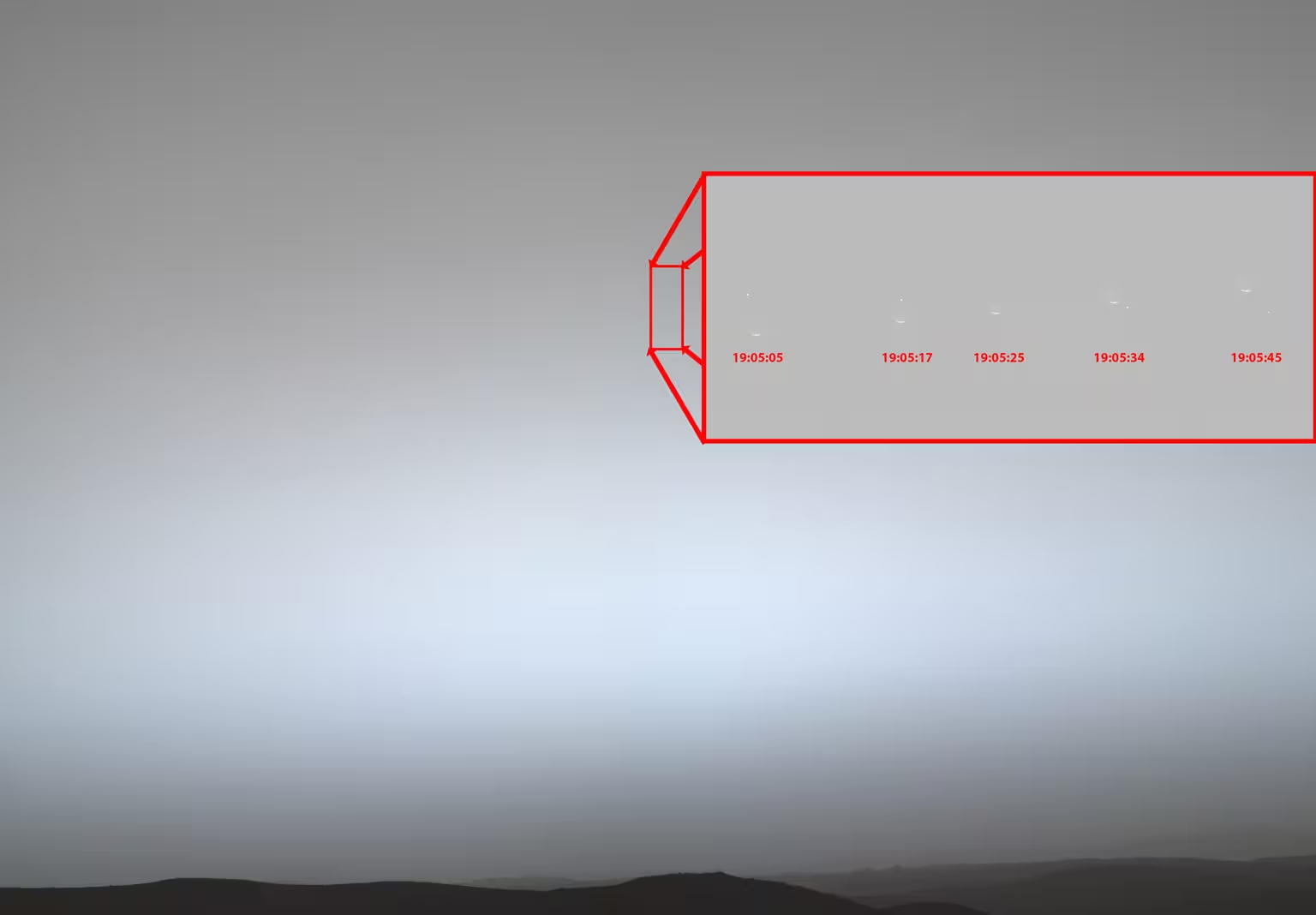
The Perseverance capture enriches this legacy by juxtaposing Earth with a foreign moon, illustrating how robotic technology now permits us to observe familiar celestial objects from entirely new vantages.
As NASA’s Martian campaign progresses, each observation—like the Phobos‑Earth portrait—adds nuance to our understanding of planetary environments and the broader story of worlds orbiting the Sun.
This article has been fact checked for accuracy, with information verified against reputable sources. Learn more about us and our editorial process.
Last reviewed on .
Article history
- Latest version
Cite this page:
- Posted by Karan Das