Scientists Discover First Known Fruit-Eating Dinosaur Lived Alongside T Rex
A newly discovered turkey-sized dinosaur fossil reveals a surprising secret hidden in its skull, challenging everything we knew about how it lived.
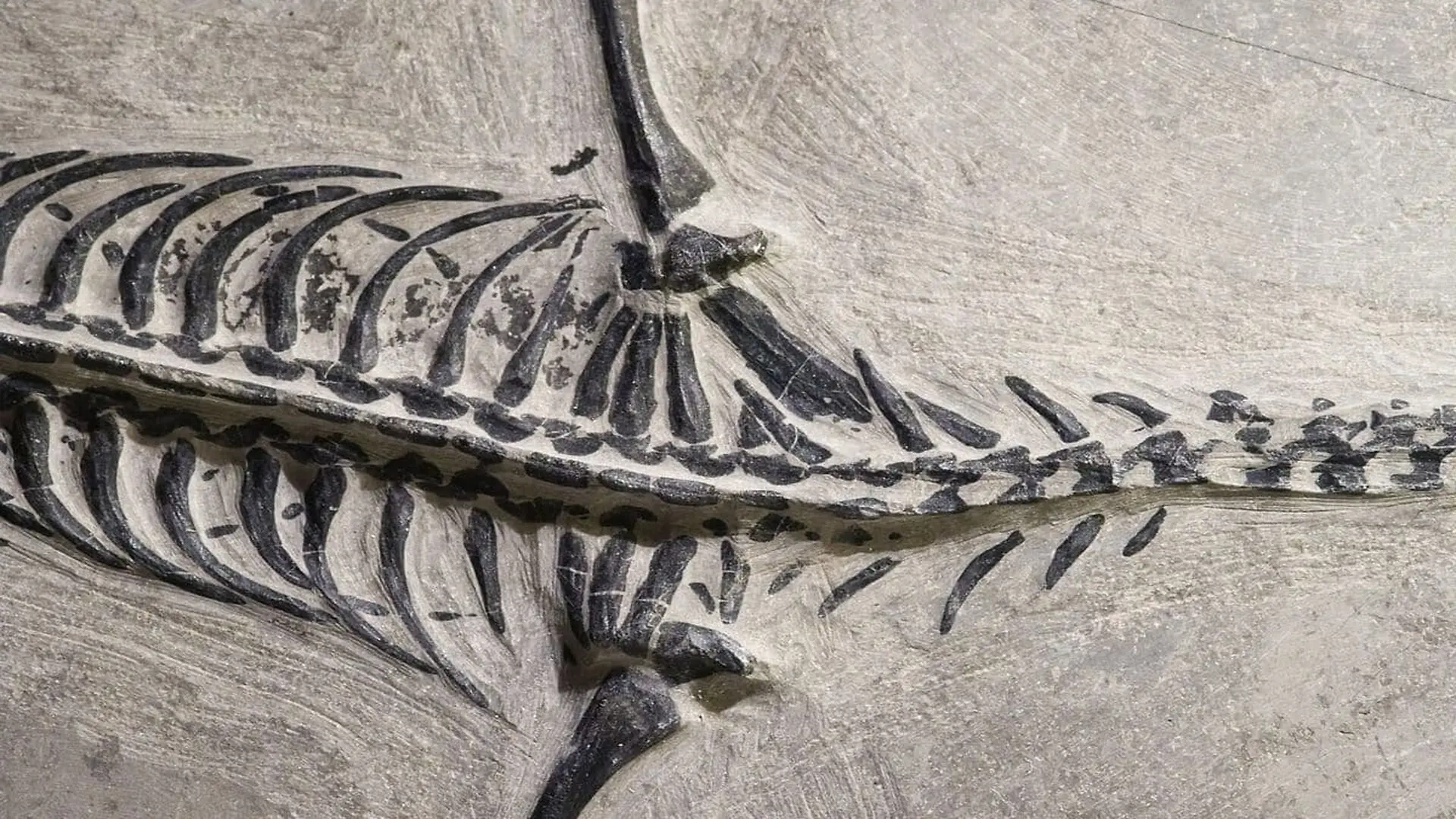
Paleontologists have identified a previously unknown dinosaur species, Infernogallus jamesi, which represents the first documented instance of a fruit-specialist dinosaur. Roughly the size of a modern turkey, this unique creature inhabited the Hell Creek Formation alongside apex predators like T. rex and herbivores like Triceratops. The findings, detailed in Nature Communications, provide a rare glimpse into a specialized ecological niche within the Cretaceous period.
An Unlikely Herbivore in the Age of Giants
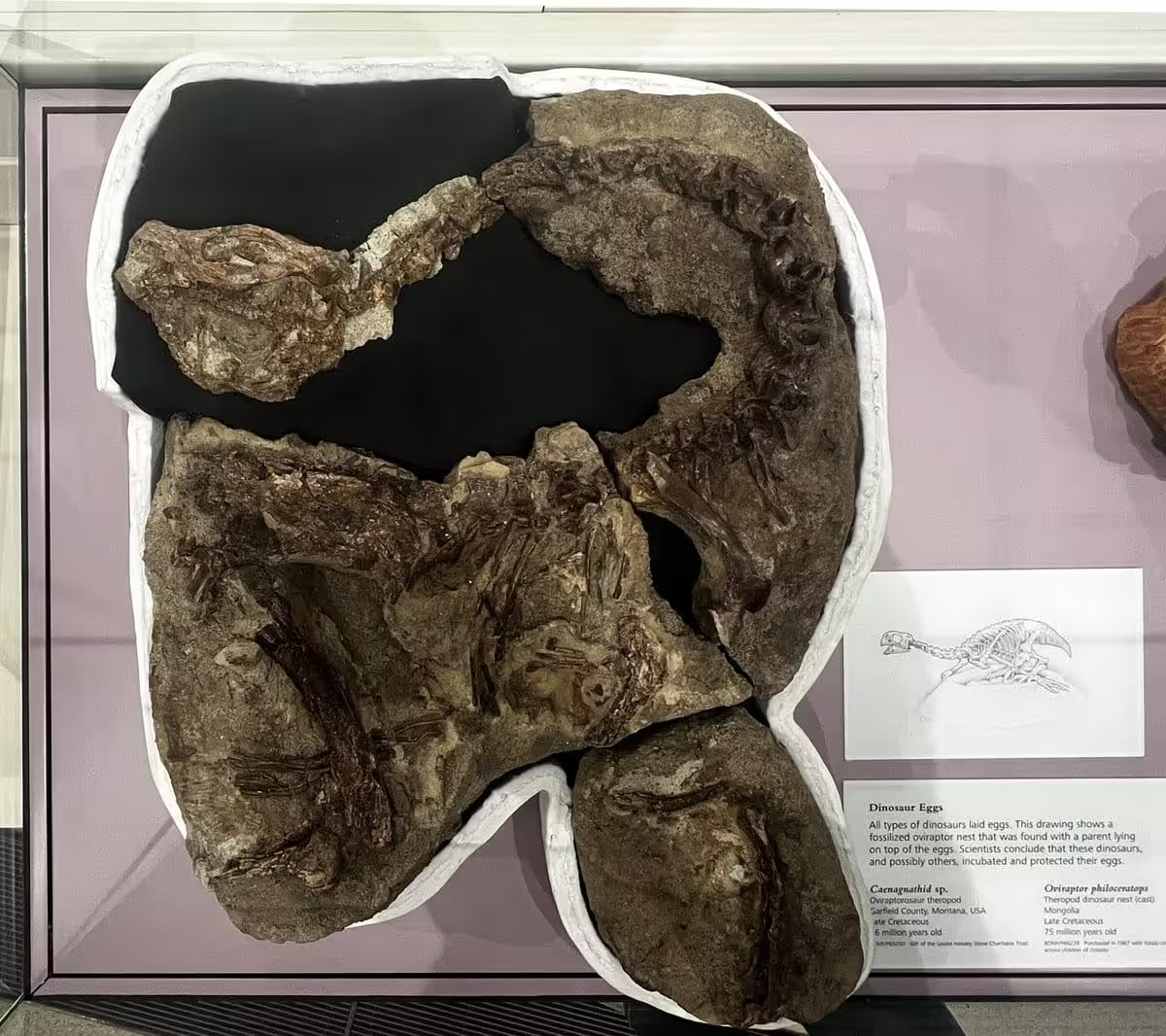
The discovery was a collaborative effort involving researchers from Stony Brook University, the Royal Ontario Museum (ROM), and the North Dakota Geological Survey, led by Dr. Gregory Funston. Analysis of the dinosaur’s skeletal remains—which include a nearly complete, articulated skull—reveals that its chewing mechanics were strikingly similar to those of modern fruit-eating parrots. This discovery challenges the conventional image of the Cretaceous as a landscape dominated exclusively by heavy-duty carnivores and bulk-feeding herbivores.
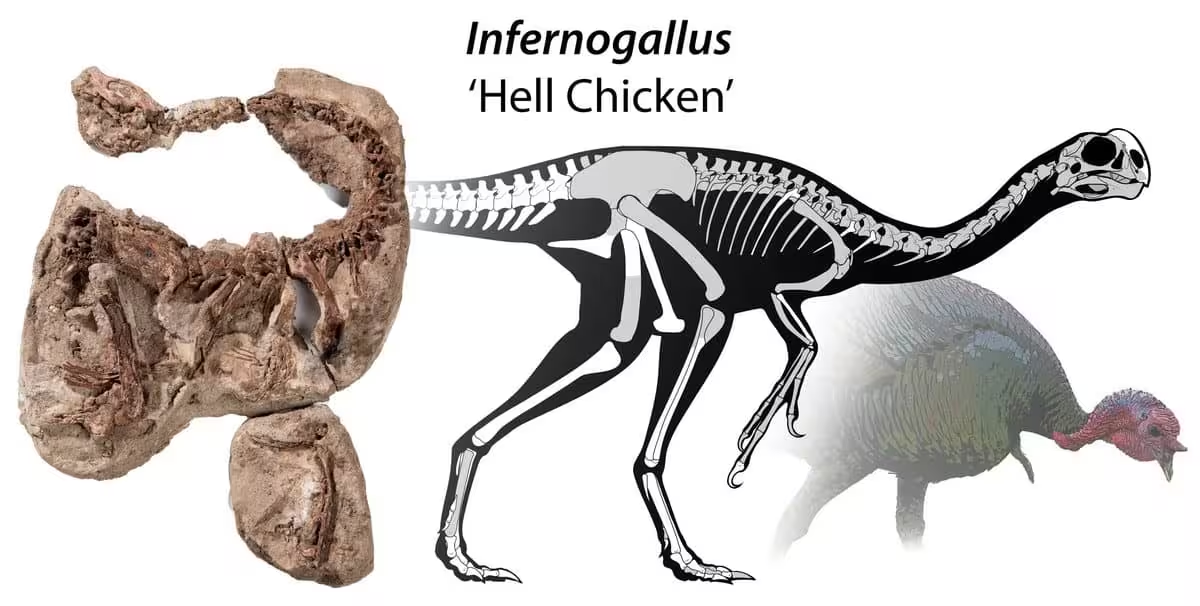
The name Infernogallus, or “hell chicken,” serves as a nod to the fossil’s origin in the rugged Hell Creek Formation of the American West. Belonging to the caenagnathid family—a group of feathered, toothless dinosaurs that evolved from meat-eating ancestors—the adult animal weighed only about 12 kg (25 lbs). As Dr. Funston noted, the scientific community had been in the dark regarding the cranial structure of these animals for over a century. “Now, we know they were even weirder than we could have predicted,” he said.
Advanced Mechanics for a Soft-Food Diet
The specialized diet of Infernogallus is written in its bone structure. Using high-resolution CT scans, researchers examined the palatal bones forming the roof of the mouth and discovered they were arched downward. This unusual configuration forced the jaw muscles to orient themselves front-to-back, rather than in the standard vertical biting pattern typical of most dinosaurs.
This anatomical shift enabled a sliding motion of the beak, a complexity generally reserved for mammals or specialized avian species like the vulturine parrot (Psittrichas). According to the study, this adaptation was specifically evolved for processing and mashing stone fruits, allowing the animal to strip flesh from seeds—a behavior that shifts the burden of digestion from the gut to the mouth.
Dr. Thomas Dudgeon, a postdoctoral fellow at the ROM and co-author of the paper, emphasized the rarity of this evolutionary path. “The anatomy of Infernogallus is bizarre among dinosaurs, and we quickly realized that we were dealing with something special,” he explained.
Ecological Implications for the Cretaceous
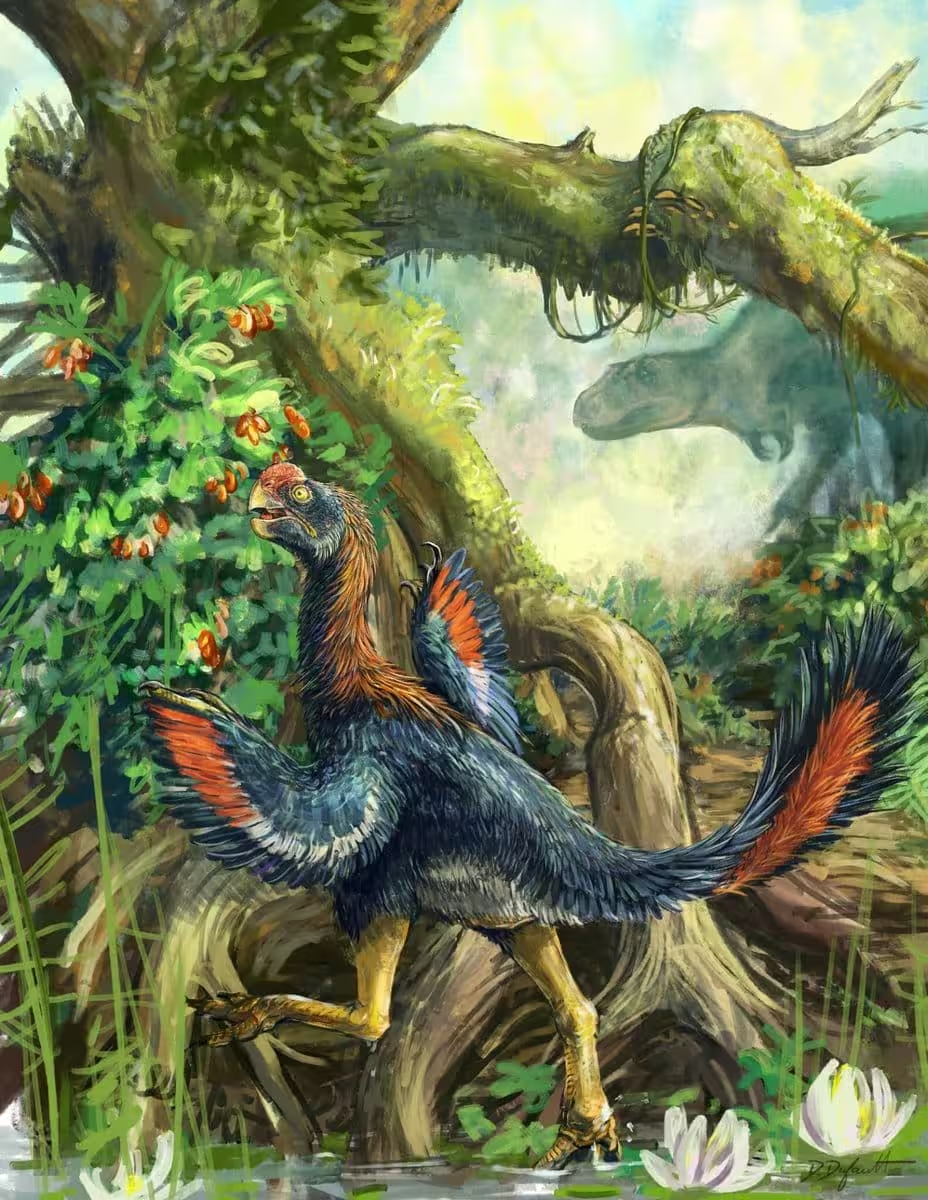
The identification of a fruit-eating dinosaur bridges a long-standing gap in paleontological research: the relationship between the diversification of dinosaurs and the rapid expansion of flowering plants. As angiosperms began to dominate the landscape during the Cretaceous, Infernogallus and its kin evolved alongside them, potentially acting as vital seed dispersers in a role similar to modern birds and mammals.
This finding has broader implications for how we view the final years of the non-avian dinosaurs. Dr. David Evans, the study’s senior author, suggests that the existence of such specialized species implies that the ecosystem was far more complex than previously assumed. By revealing previously unrecognized ecological roles, the discovery adds a new layer to the ongoing scientific discourse regarding whether dinosaur populations were already in decline prior to the mass extinction event at the end of the Cretaceous.
This article has been fact checked for accuracy, with information verified against reputable sources. Learn more about us and our editorial process.
Last reviewed on .
Article history
- Latest version
Reference(s)
- <https://gregfunston.com/>.
- “Dr Thomas Dudgeon.”, January 3, 2027 <https://www.rom.on.ca/fr/personnel/dr-thomas-dudgeon>.
- <https://www.nature.com/s41467-026-78343-w>.
- “David C. Evans.”, January 3, 2027 <https://www.rom.on.ca/people/david-c-evans>.
Cite this page:
- Posted by Hassan Raza