One Gopher Spent 24 Hours on a Volcano and Left a Microbial Legacy That Lasted Decades
A decades-old volcano study reveals how burrowing rodents spread vital fungi, offering new insights into restoring damaged ecosystems.
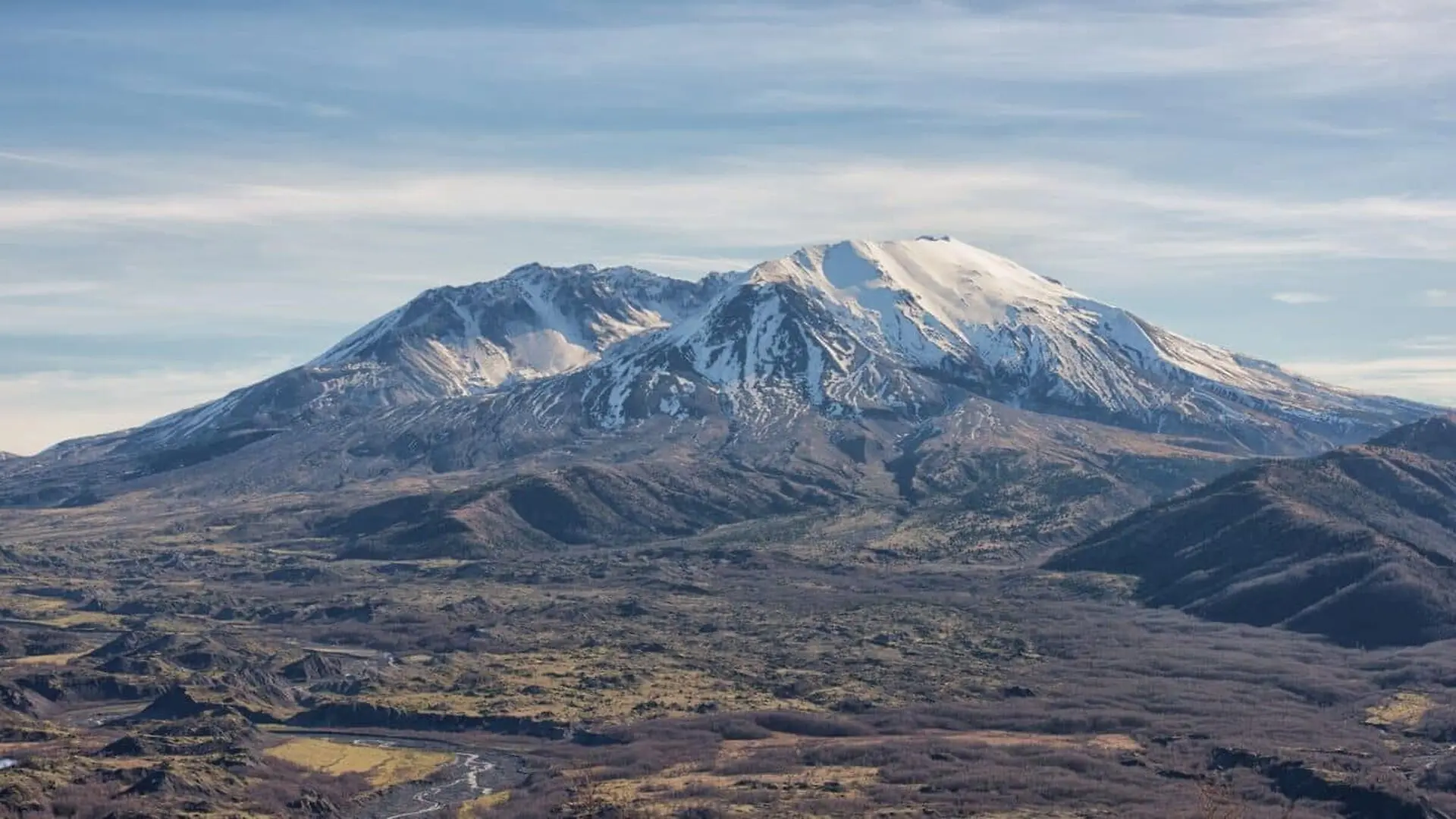
Following the cataclysmic 1980 eruption of Mount St. Helens, the surrounding landscape was rendered nearly sterile, buried under deep layers of volcanic ash and debris. While much attention focused on the slow return of flora, researchers were particularly interested in how vital soil microorganisms—essential for plant health—could re-establish themselves in such isolated, barren environments. The answer, it turned out, may have been burrowing beneath our feet all along.
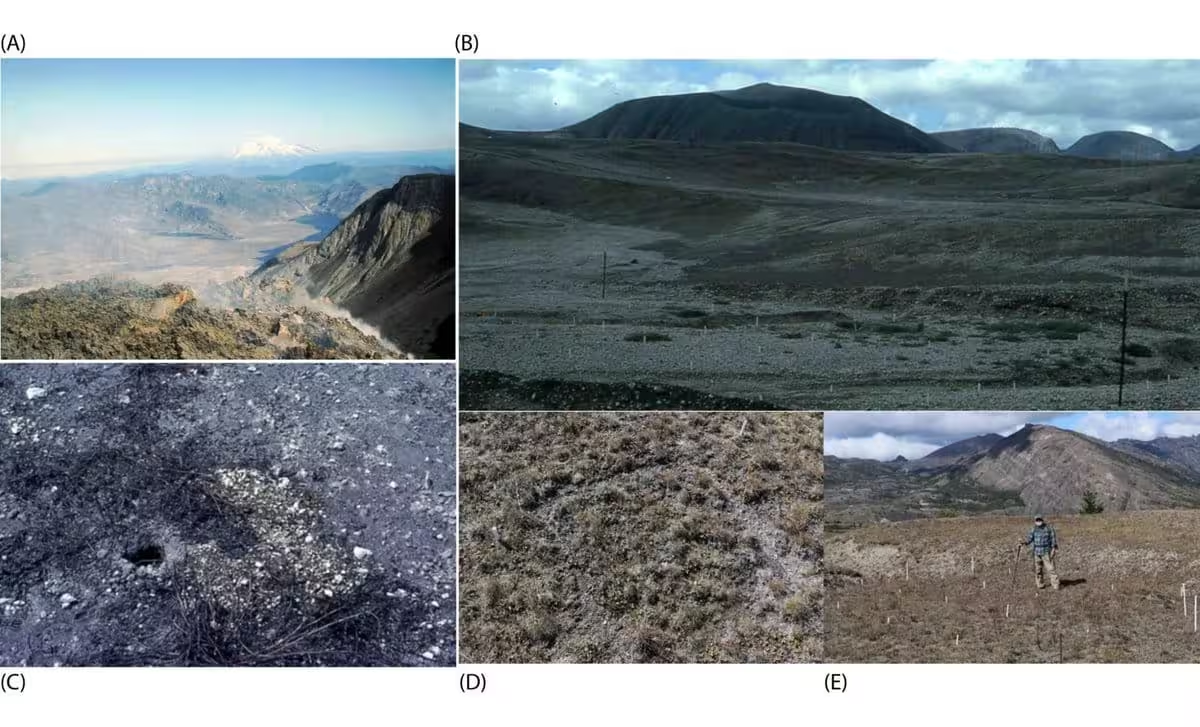
In 1982, two years after the eruption, soil ecologist Michael Allen and his colleagues began investigating whether pocket gophers, which had survived in protected pockets of earth, were acting as inadvertent engineers of ecological recovery. By moving soil as they burrowed, these rodents appeared to be transporting mycorrhizal fungi—microscopic organisms that form symbiotic relationships with plant roots to assist in nutrient and water absorption.
Testing the Role of Burrowers in Microbial Dispersal
To test this hypothesis on the inhospitable Pumice Plain, where volcanic deposits reached depths of 20 meters, researchers conducted a controlled experiment. They introduced a single pocket gopher into an enclosure surrounding a plant that had managed to take root in the sterile ash. After just 24 hours, the animal was removed. When the site was inspected the following year, the plant inside the enclosure was colonized by mycorrhizal fungi, while neighboring plants outside the barrier remained devoid of the beneficial microbes.
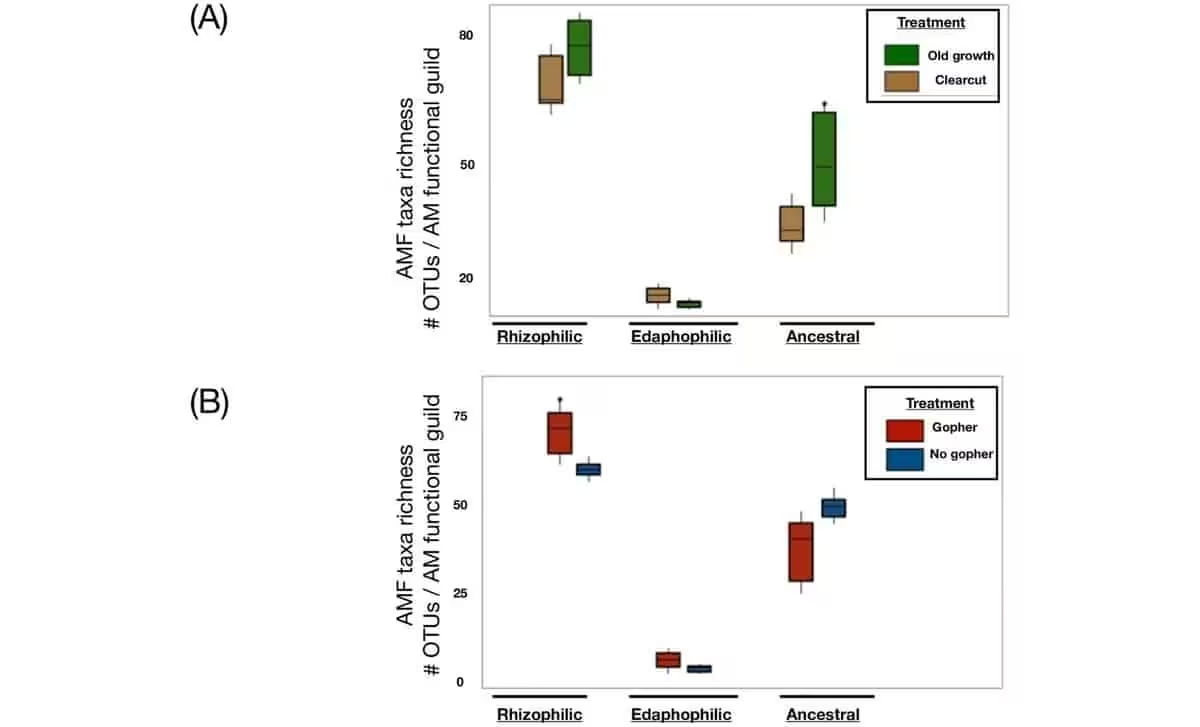
The findings suggested that the gophers were carrying fungal spores through their digestive tracts as they fed on vegetation in nearby meadows, effectively acting as biological transport vehicles for the soil microbiome. “We concluded that the gophers themselves transported these critical fungi, likely in their feces as they are known to feed on these fungi in their meadows,” Allen explained to Popular Mechanics.
Lasting Ecological Signatures Decades Later
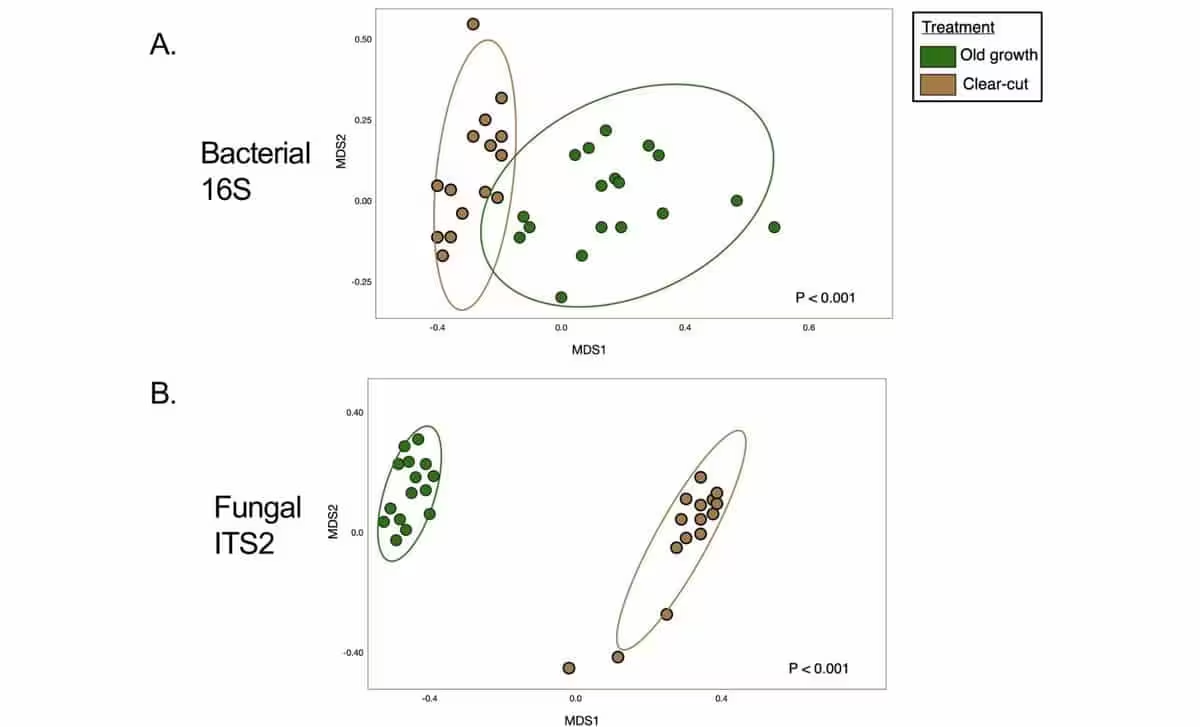
The legacy of this experiment was revisited in a 2024 study published in Frontiers in Microbiomes, led by mycologist Mia Maltz. By analyzing soil samples collected from the site 32 years after the initial intervention, researchers discovered that the microbial communities within the old enclosures remained distinct from the surrounding landscape. These “microbial legacies” highlight how historical land use and animal behavior continue to shape the development of an ecosystem long after the initial event.
Opportunities and Risks in Modern Restoration
The potential for using gophers as “restoration partners” in industrial or mined lands remains a subject of intense debate among ecologists. Proponents argue that these animals could introduce a more diverse and resilient set of microorganisms than synthetic treatments. However, the practical challenges are significant. Conservation biologist David Lindenmayer of the Australian National University warns that introducing species into a modified environment requires careful consideration of the animal’s survival needs and the potential for unintended disruption of existing communities.
Perhaps most concerning to land managers is the gopher’s appetite. Because they consume vegetation, there is a distinct risk that the very animals brought in to foster growth could destroy the seedlings intended for restoration. As Allen noted, the success of such an approach depends on whether the ecological benefits of fungal dispersal outweigh the damage caused by the gophers’ feeding habits.
While the Mount St. Helens study provides a fascinating look at the resilience of nature and the hidden mechanisms of recovery, it also underscores the complexity of ecological engineering. Further research is necessary to determine if this natural symbiosis can be safely and effectively leveraged to restore damaged landscapes globally.
This article has been fact checked for accuracy, with information verified against reputable sources. Learn more about us and our editorial process.
Last reviewed on .
Article history
- Latest version
Reference(s)
- Spitznagel, Eric. “Four Decades Ago, Scientists Dropped Gophers Onto a Volcano. They Might Try It Again..”, November 2, 2026 Popular Mechanics <https://www.popularmechanics.com/science/a74284069/gophers-on-mount-st-helens/>.
- Maltz, Mia. “Microbial community structure in recovering forests of Mount St. Helens.” Frontiers in Microbiomes, vol. 3, November 4, 2024, pp. 1399416 Frontiers, doi: 10.3389/frmbi.2024.1399416/full. <https://www.frontiersin.org/journals/microbiomes/articles/10.3389/frmbi.2024.1399416/full>.
Cite this page:
- Posted by Hassan Raza