Scientists May Have Discovered 115 Million Year Old Dinosaur Blood Cells
After surviving a catastrophic museum fire, a rare fossil has revealed hidden structures and a surprising chemical mystery to researchers.
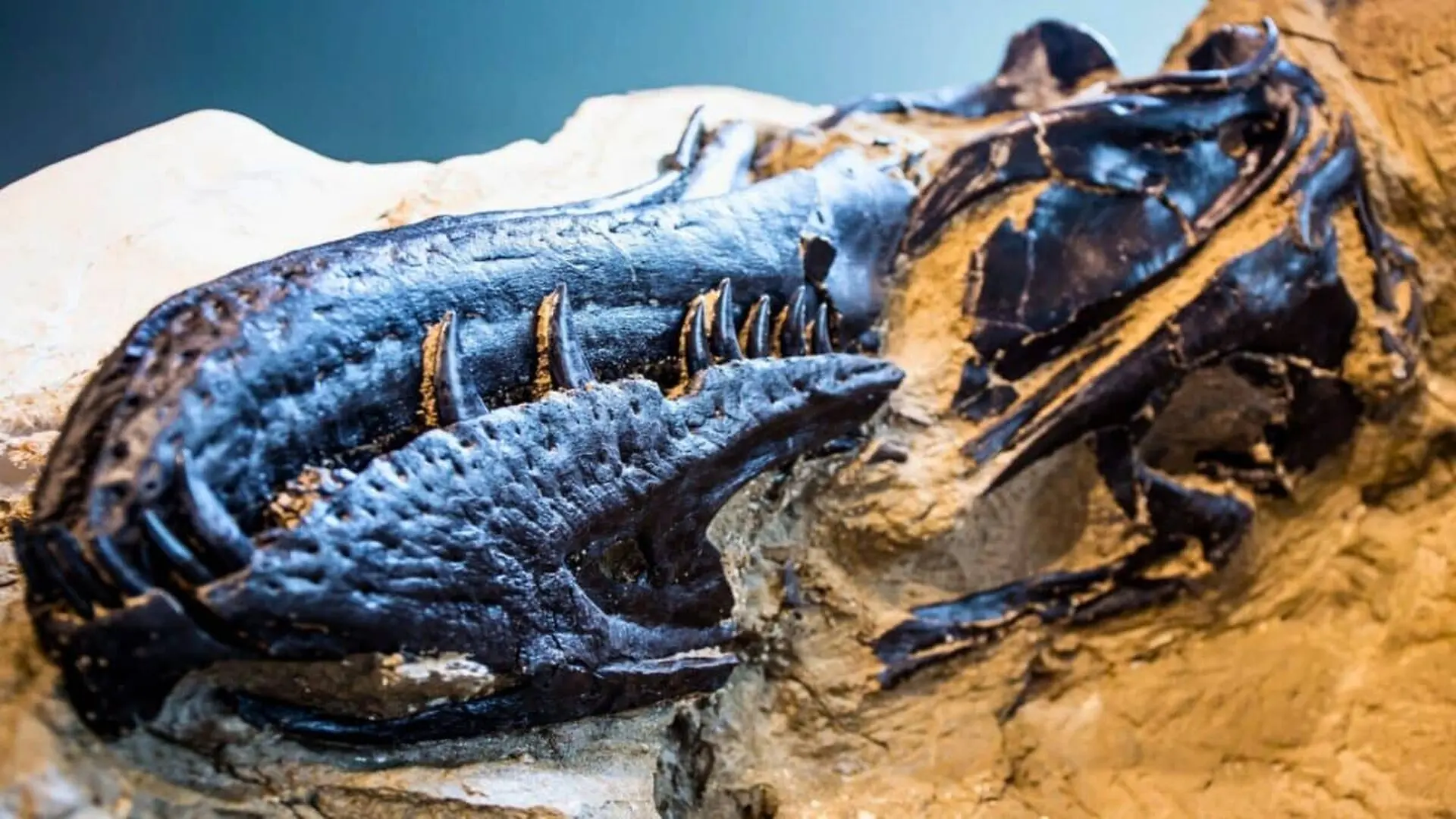
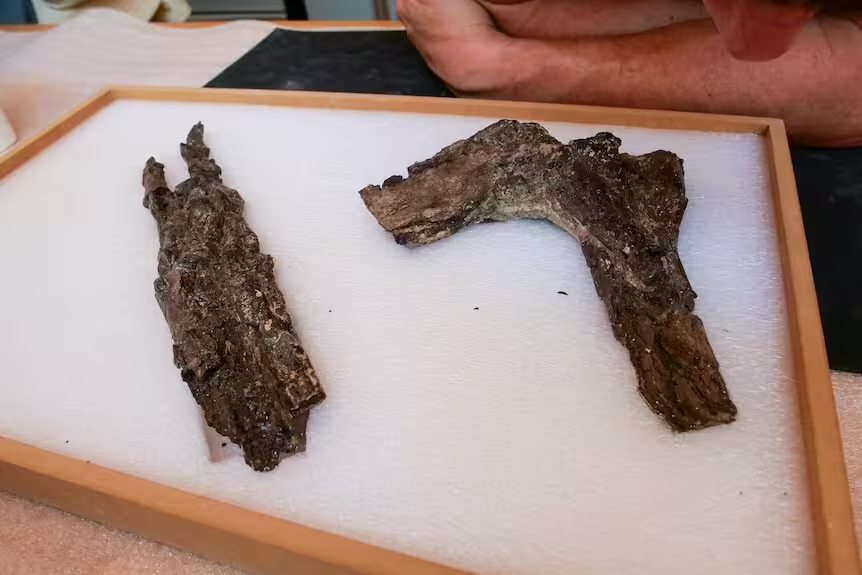
A team of international researchers has unveiled evidence of mineralized red blood cells within the 115-million-year-old fossilized remains of a theropod dinosaur. The discovery, centered on the leg bones of Aratasaurus museunacionali, was published in the Proceedings of the National Academy of Sciences, sparking a fresh debate over the preservation of biological material from the age of dinosaurs.
The dinosaur, whose name translates to “born of fire” in honor of the National Museum of Brazil, was unearthed in 2008 from a gypsum mine in Ceará. The specimen represents a juvenile predator that measured roughly 3.1 meters in length and weighed approximately 34 kilograms at the time of its death. Researchers believe the dinosaur perished on a microbial mat, a dense, slimy layer of bacteria and archaea that likely played a crucial role in shielding the remains from rapid degradation.
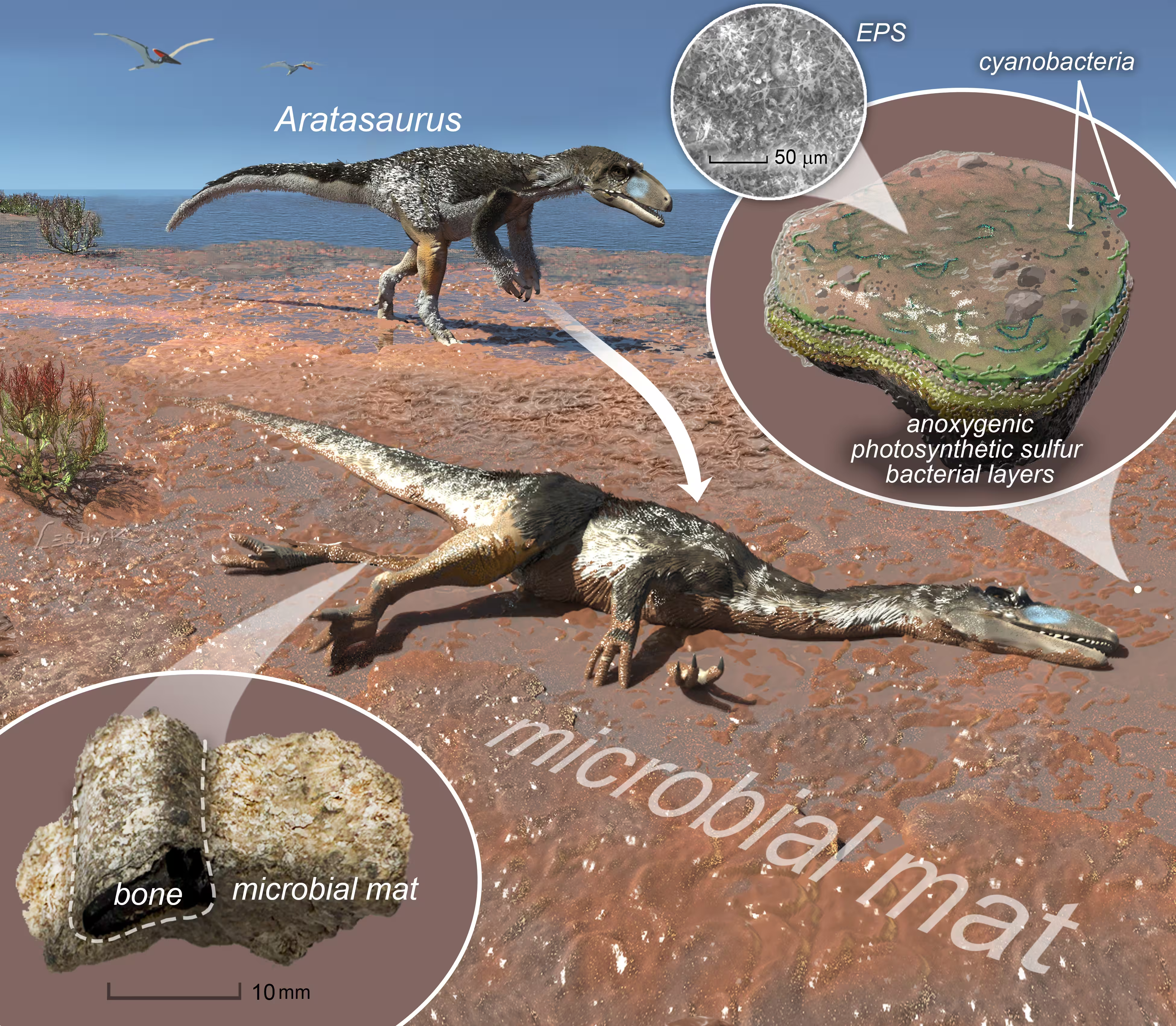
Led by geochemist Kliti Grice of Curtin University, the team utilized high-resolution imaging and spectroscopic analysis to examine the fossil’s vascular canals—the internal channels that once facilitated blood flow. Inside these structures, scientists identified small, spherical objects containing iron, carbon, and nitrogen. Most notably, chemical tests revealed the presence of heme B—the iron-carrying component of hemoglobin—and its derivatives.
The researchers also identified hydroxyproline, an amino acid linked to collagen, and hausmannite, a manganese oxide mineral. The study suggests that the antioxidant properties of hausmannite may have acted as a chemical buffer, aiding in the preservation of these microscopic structures over millions of years.
Despite the meticulous methodology, the scientific community remains divided. The primary challenge in such studies is distinguishing original biological material from environmental contamination. Porphyrins, the compounds found at the core of heme, are ubiquitous in nature, and critics have pointed out that microbial communities can sometimes infiltrate fossils, creating their own complex chemistry.
Mary Schweitzer, an emeritus professor at North Carolina State University and a pioneer in the study of ancient soft tissues, expressed skepticism regarding the interpretation of the cells. While she commended the use of advanced analytical techniques, she noted that the 15-micron size of the observed structures is smaller than the typical red blood cells found in modern birds and reptiles, which retain their nuclei. She characterized the evidence as inconclusive.
Other experts, such as the University of Regina’s Mauricio Barbi, suggest that while the finding represents a plausible case for mineralized cellular remnants, it remains a matter of interpretation. Because the original hemoglobin molecules have long since degraded, researchers are analyzing chemical signatures and mineral casts rather than intact biological cells.
To further investigate these preservation mechanisms, the Curtin University team has launched an experimental project to attempt the artificial fossilization of human blood within microbial mats sampled from Western Australia’s Shark Bay. By observing how blood interacts with these environments in real-time, the team hopes to clarify whether the structures found in Aratasaurus are truly the remnants of an ancient predator’s circulatory system.
This article has been fact checked for accuracy, with information verified against reputable sources. Learn more about us and our editorial process.
Last reviewed on .
Article history
- Latest version
Cite this page:
- Posted by Hassan Raza