The Bizarre Mystery of the 1841 Tennessee Meat Shower That Baffled Scientists
Witnesses claimed it fell from the sky, but a startling alleged confession now threatens to unravel the mystery behind the unexplained event.
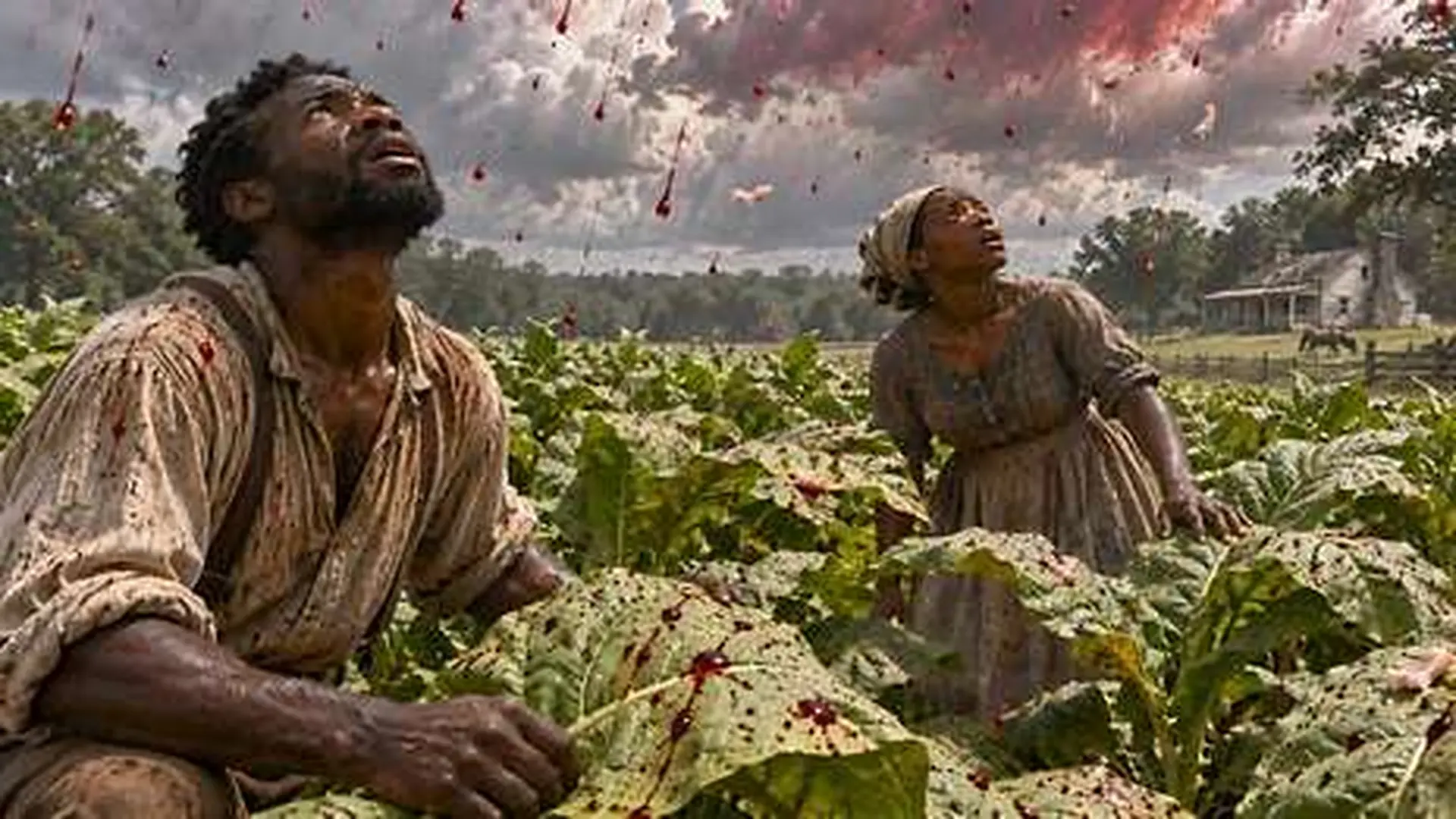
In August 1841, a bizarre and unsettling event unfolded in a tobacco field near Lebanon, Tennessee. Two enslaved workers, startled by a sound they compared to a sudden deluge of hail, discovered that the leaves around them were being pelted by droplets of red liquid mixed with fragments of organic matter. The debris was not merely rain, but pieces of flesh and fat that emitted an overwhelming, putrid odor.
The incident was quickly brought to the attention of their enslaver, a man identified as Chandler, and soon became a spectacle for the region. As word spread, observers descended upon the plantation to witness the grim debris, which reportedly blanketed a path between 40 and 60 yards wide and stretched as long as 800 yards.
Gerard Troost, a prominent chemist and naturalist at the University of Nashville, eventually secured samples of the material. His laboratory analysis confirmed that the substance was unmistakably animal in origin. By heating the samples in a glass tube, he observed the mass decompose and produce the telltale signs of cooked meat, leaving behind animal charcoal. Troost theorized that the most plausible explanation involved a powerful whirlwind or vortex, which had the strength to lift the remains of a decomposing carcass into a cloud system before depositing it across the landscape.
A Storm of Social and Political Tension
The “blood rain” occurred during a period of heightened instability. Only a decade earlier, the enslaved preacher Nat Turner had claimed to witness blood-like droplets on corn stalks shortly before leading a major insurrection in Virginia. This historical memory meant that the Lebanon incident was immediately filtered through the lens of racial and political anxiety. Many white Southerners feared the event was a dark omen of a looming uprising, while some in the North perceived the incident as a moral judgment against the institution of slavery.
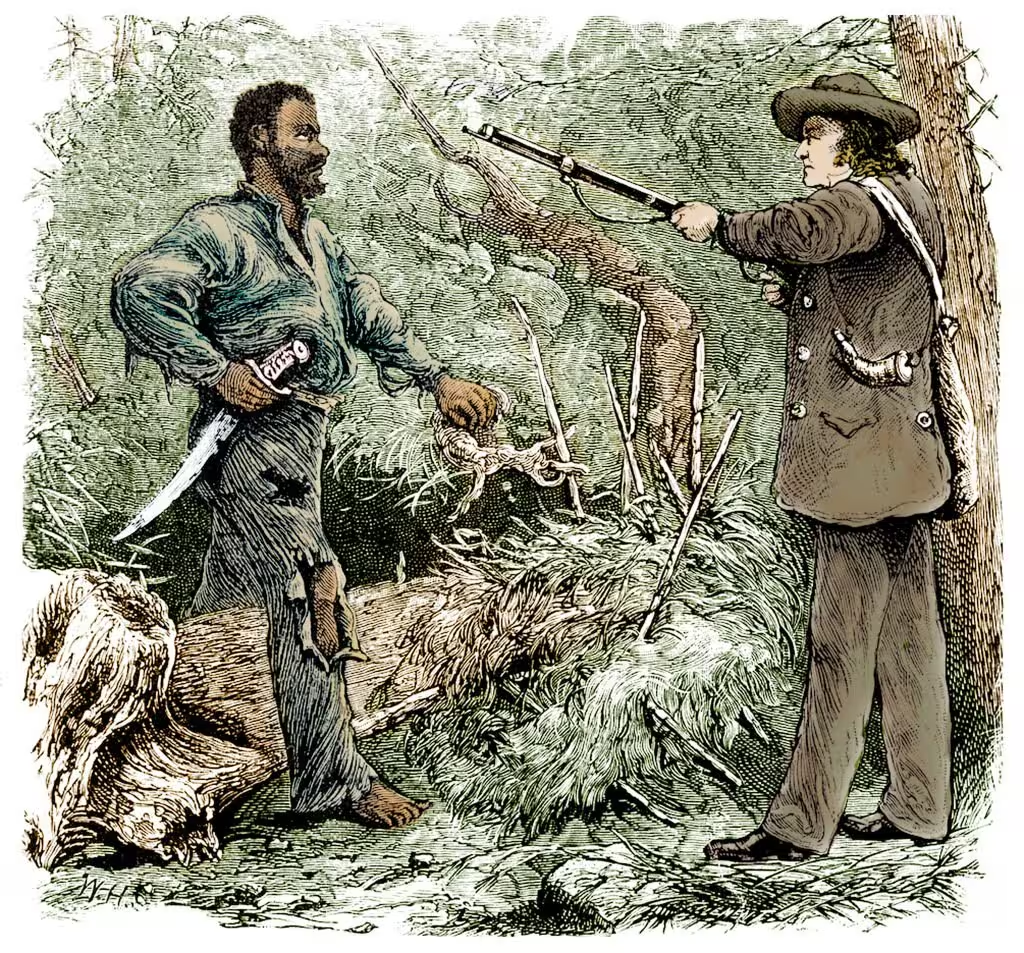
The scientific community, however, remained skeptical. In October 1841, the Western Journal of Medicine and Surgery published a report dismissing the event as a calculated hoax. The journal asserted that the workers had fabricated the shower for amusement by scattering a rotting hog carcass across the field. While the local community in Lebanon rejected this explanation, maintaining that the material had fallen from the sky, the true nature of the event remains a subject of historical debate. Researcher Tom Maxwell has noted that a deep-seated cultural need to categorize the event as a hoax may have fueled these conflicting narratives.
Fleshy Showers and Scientific Curiosity
The Lebanon event is far from an isolated anomaly. Similar reports of organic matter falling from the atmosphere have persisted for centuries. The most famous case, the “Kentucky Meat Shower” of 1876, occurred in Bath County, where fresh meat reportedly rained down on a farm property. Other accounts have emerged from California in the mid-19th century.
Modern meteorologists and historians often compare these incidents to the well-documented “rains” of fish or frogs, which are typically attributed to aquatic life being swept up by localized tornadoes or dust devils. While modern instances of colored rain, such as the 2001 event in Kerala, India, are almost always linked to environmental factors like algal spores or atmospheric dust, the nineteenth-century cases involving animal tissue remain historical curiosities. Whether these showers were caused by rare, localized meteorological events or were early examples of well-orchestrated misinformation, they continue to fascinate researchers looking into the intersection of folklore and natural science.
This article has been fact checked for accuracy, with information verified against reputable sources. Learn more about us and our editorial process.
Last reviewed on .
Article history
- Latest version
Cite this page:
- Posted by Hassan Raza