Europe Faces Steep Hurdles Securing Vital Green Transition Metals
A comprehensive review of rare earth supply chains reveals that European decarbonization goals remain vulnerable to intense foreign market concentration.
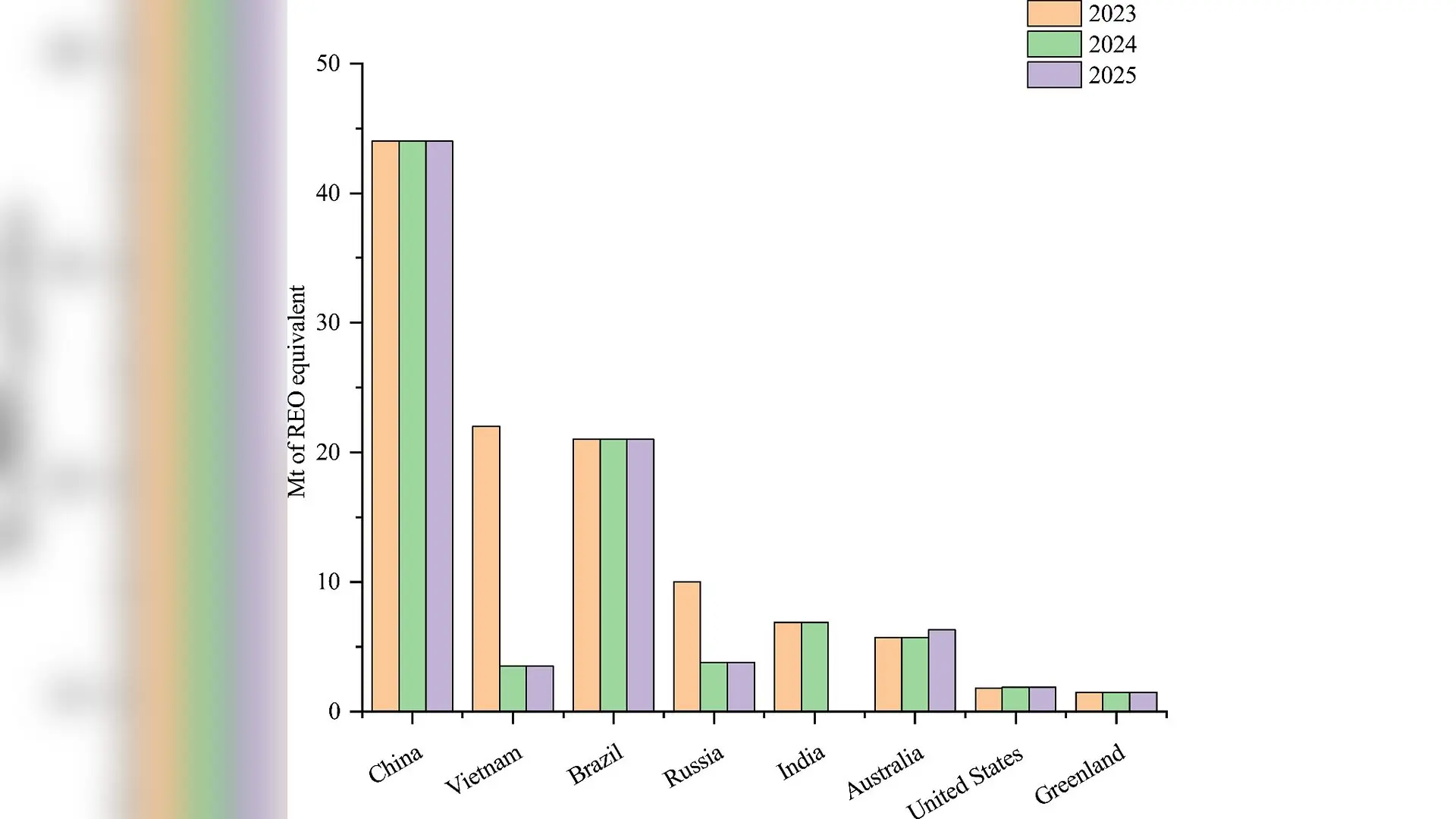
Deep beneath the Earth’s crust in Sweden and across global deposits lies a group of 17 chemically unique metals that have become the unexpected anchor of the modern green economy. Known as rare earth elements, these materials are vital for manufacturing the permanent magnets that drive electric vehicles and harvest wind power. A comprehensive new synthesis published in Mineral Economics evaluates the mounting geopolitical vulnerabilities facing the European Union and other industrial economies as global demand for these strategic minerals surges toward unprecedented levels.
The Rising Global Hunger for Critical Metals
Humanity’s transition away from fossil fuels is triggering a massive expansion in mineral extraction. Global demand for metallic raw materials is projected to more than double, climbing from approximately 53 gigatons in 2017 to 106 gigatons by 2060. Within this broader transition, rare earth elements stand out due to their exceptional thermal stability, electrical conductivity, and magnetic performance. Under current climate policy scenarios, the global stock of electric vehicles is expected to expand from more than 18 million cars in 2021 to nearly 200 million by 2030, while wind power capacity is slated to jump from 825 gigawatts to roughly 2 terawatts over the same period.
This rapid deployment of low-carbon technology creates acute supply chain pressures. For instance, global demand for neodymium, praseodymium, dysprosium, and terbium in electric cars and wind turbines is projected to multiply severalfold in the coming decades. Primary supply capacities fall far short of these anticipated needs, creating a persistent structural deficit in the market. The global supply chain has remained heavily concentrated over the past three decades, exhibiting market concentration index scores far above standard monopoly thresholds. China continues to dominate this landscape, accounting for approximately 69 percent of global rare earth mining and an even larger share of refining and magnet production.
Geological Realities and the European Union Dilemma
Although the European Union possesses primary rare earth deposits located mainly within carbonatite and alkaline igneous rocks, not a single commercial rare earth mine is currently active across the 27 member states. Notable European deposits include Norra Kärr in Sweden, which holds significant inferred resources, alongside iron-apatite and alkaline volcanic occurrences. However, most European resource estimates remain classified as inferred rather than measured or indicated, meaning they carry a high degree of geological uncertainty and require extensive further exploration before commercial extraction can even be planned.
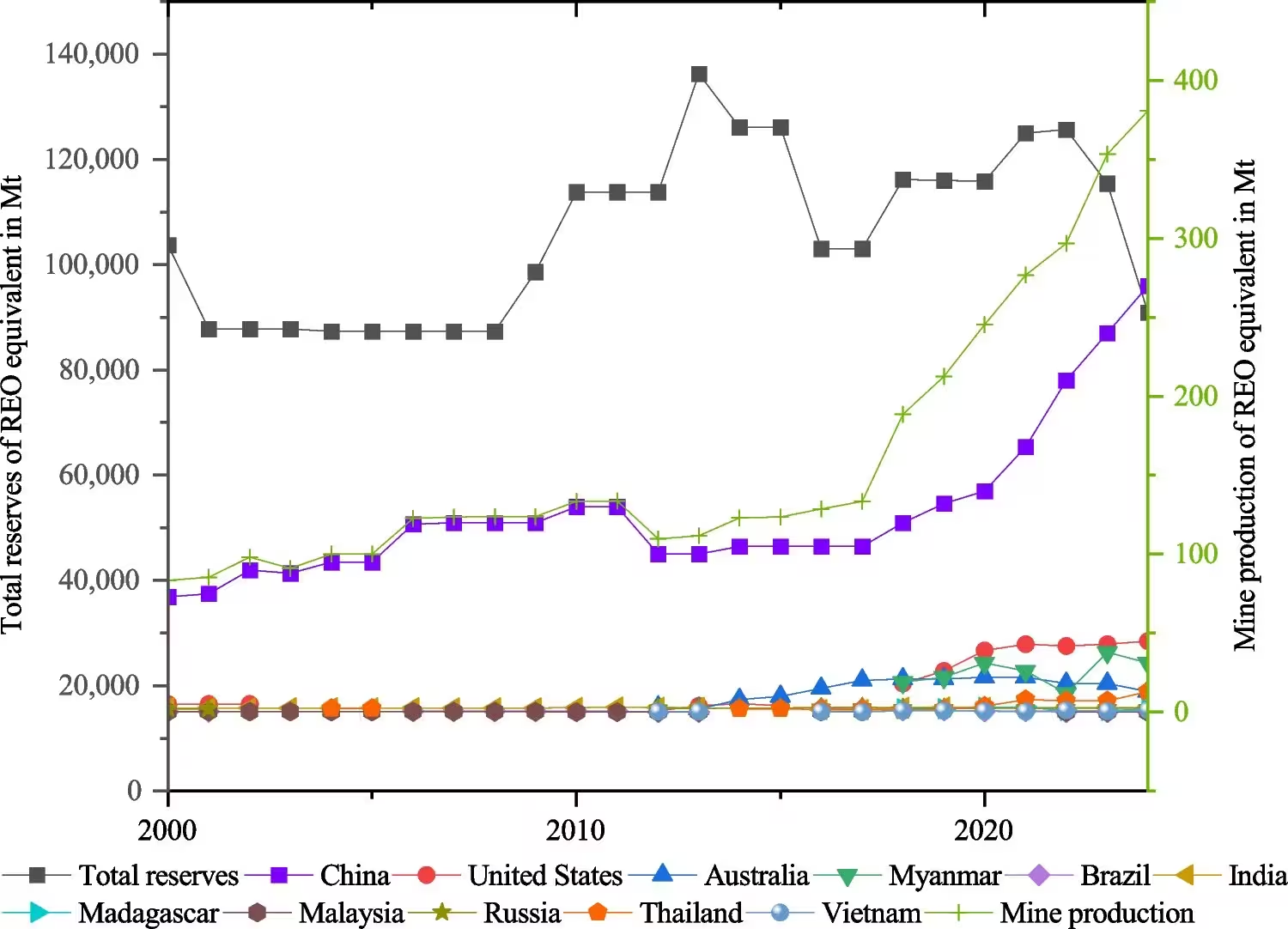
To break its heavy reliance on foreign suppliers, the European Union adopted the Critical Raw Materials Act in May 2024. This regulatory framework establishes ambitious benchmarks for 2030, aiming for at least 10 percent of annual strategic raw material consumption to come from domestic extraction, 40 percent from internal processing, and 25 percent from recycling. Furthermore, the legislation stipulates that no more than 65 percent of any strategic raw material should be imported from a single third country. Parallel initiatives like the RESourceEU Action Plan and the proposed Industrial Accelerator Act seek to further streamline digital and permitting procedures.
Evaluating the Limits of Alternative Recovery Options
Faced with domestic mining hurdles, policymakers often look to alternative secondary sources such as coal ash, red mud, electronic waste, and deep-sea mining to secure raw material supplies. However, the study indicates that none of these pathways offers a viable short-term fix for Europe. Coal combustion residues contain trace rare earth concentrations, but Europe’s ongoing coal phase-out and low local concentrations make recovery economically unfeasible. Electronic waste yields tiny quantities of valuable metals, but current global recycling rates for rare earths hover near a meager one percent due to extreme technical separation challenges.
Bauxite residue, commonly known as red mud, presents a more promising avenue, particularly for extracting scandium, but sustainable commercial-scale extraction technologies are still lacking. Meanwhile, deep-sea mining in remote ocean basins holds immense concentrations of rare earth elements, but severe ecological risks have prompted several European nations to enact moratoria or call for strict international bans until environmental impacts are thoroughly understood.
Divergent International Strategies and Stockpiling Disparities
Major industrial economies have pursued aggressive diversification strategies for years. The United States has poured hundreds of millions of dollars into domestic mining at the Mountain Pass facility in California and subsidized new heavy rare earth separation plants. Japan has spent decades building secure overseas supply partnerships in Australia and Africa following historical export embargoes. China has countered by implementing strict product traceability systems and banning the export of key magnet-manufacturing technologies.
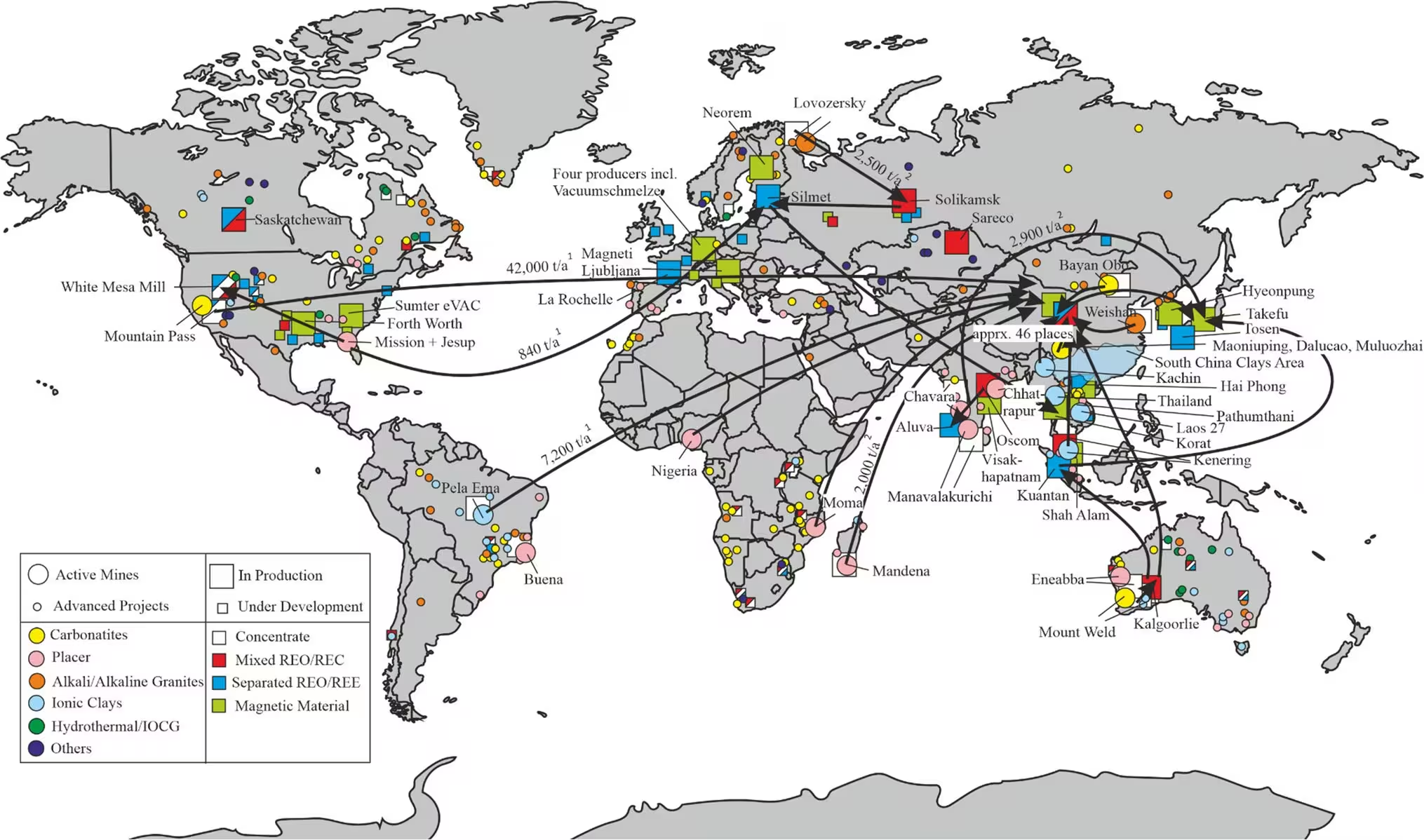
Strategic stockpiling represents another major point of divergence. While nations like Japan, the United States, and South Korea maintain extensive national stockpiles covering dozens of critical minerals for up to 180 days, the European Union is only beginning to coordinate a centralized stockpiling framework through planned entities like the EU Critical Raw Materials Centre. European industrial manufacturers have historically maintained much leaner raw material buffers than their global competitors, leaving them vulnerable to sudden trade disruptions.
Overcoming Public Resistance and High Operating Costs
Developing a domestic European rare earth industry also requires navigating severe socioeconomic hurdles. Proposed mining projects frequently encounter strong local opposition, often referred to as the not-in-my-backyard phenomenon, driven by concerns over environmental degradation and water pollution. Permitting procedures in countries like Finland, Sweden, and Portugal routinely span 15 to 30 years, delaying necessary investments.
Economic competitiveness poses an additional challenge. Comparative cost analyses show that industrial electricity prices and labor costs in European mining hubs are significantly higher than those in Inner Mongolia, China. To overcome these financial and social barriers, future European mining operations will need to adopt responsible, community-oriented frameworks that prioritize high environmental standards, stakeholder collaboration, and transparent benefit-sharing models.
The research was published in Mineral Economics on November 2, 2026.
This article has been fact checked for accuracy, with information verified against reputable sources. Learn more about us and our editorial process.
Last reviewed on .
Article history
- Latest version
Reference(s)
- Yildirim Ayyildiz, Melike., et al. “From global rare earth resources to the EU supply security: An overview on primary and alternative resources and strategic pathways.” Mineral Economics, November 2, 2026 Springer Science and Business Media LLC, doi: 10.1007/s13563-026-00720-0. <https://doi.org/10.1007/s13563-026-00720-0>.
Cite this page:
- Posted by Divya Iyer