Over 900 New Fungal Meroterpenoids Reveal Untapped Potential for Drug Discovery
A five-year analysis of fungal hybrid natural products uncovers 906 new compounds with potent anticancer and anti-inflammatory properties.
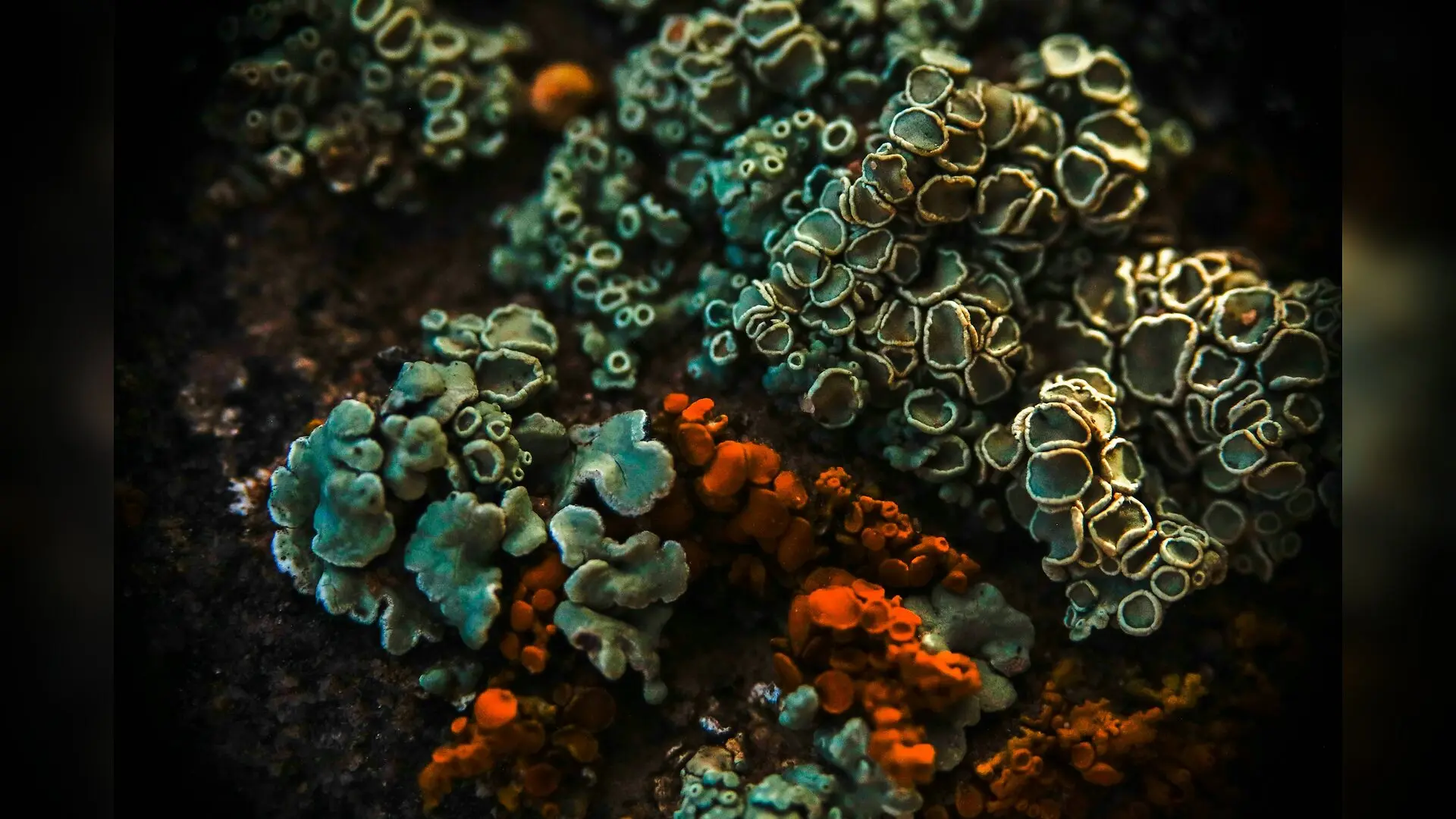
A massive catalog of 906 fungal hybrid natural products discovered over a five-year period reveals striking structural diversity and pharmaceutical potential across global marine and terrestrial environments. These hybrid molecules, known as meroterpenoids, are formed when organisms fuse terpenoid fragments with various non-terpenoid precursor molecules.
Researchers recently published a comprehensive survey in Chemistry & biodiversity covering compounds unearthed between February 2020 and December 2025. The authors, led by a team of scientists including Hui Cui and Yuqian Tang, systematically classified the 906 newly documented compounds using a precursor-guided framework based on twelve key non-terpene building blocks.
What Are Meroterpenoids and Why Do They Matter?
Meroterpenoids are naturally occurring hybrid structures renowned for complex molecular architectures and potent biological properties. Fungi produce these molecules as secondary metabolites, utilizing them for chemical defense and ecological competition. Over forty percent of the newly cataloged compounds demonstrate biological activity against human diseases, spanning anticancer, anti-inflammatory, antimicrobial, and neuroprotective functions.
The vast majority of these 906 compounds originate from just a few fungal genera. Fungi belonging to Penicillium account for 36.63 percent of the total, followed by Ganoderma at 16.28 percent, and Aspergillus contributing 13.20 percent. Overall, terrestrial habitats yielded nearly 56 percent of the compounds, while marine and aquatic environments produced roughly 42 percent.
Which Precursors Dominate the Fungal Chemical Space?
By sorting the compounds through twelve distinct non-terpenoid starting units, the team found that two specific pathways dominate the chemical landscape. Precursors known as 4-hydroxybenzoic acid (4-HB) and 3,5-dimethylorsellinic acid (DMOA) account for 23.84 percent and 24.83 percent of all recorded meroterpenoids, respectively. Triketide-terpenoid and tetraketide-terpenoid structures together make up more than 76 percent of the entire catalog.
Further analysis revealed distinct functional trends among these structural families. Compounds derived from 4-HB precursors, predominantly isolated from Ganoderma mushrooms, exhibit strong anticancer and anti-inflammatory properties. Meanwhile, DMOA-derived structures, heavily represented in Penicillium strains, display robust immunomodulatory and anti-inflammatory effects.
How Do Tailoring Enzymes Create Such Structural Variety?
Beyond cataloging isolation sources, the review highlights rapid advancements in understanding how fungi biosynthesize these intricate frameworks. Recent genome mining and heterologous expression studies reveal that tailoring enzymes act as master architects during molecular assembly. Enzymes such as cytochrome P450 and alpha-ketoglutarate-dependent oxygenases drive complex ring contractions, oxidative couplings, and skeletal rearrangements.
For instance, specialized terpene cyclases control the folding of prenylated polyketide chains, while downstream oxidation enzymes install rare oxepane rings, endoperoxides, and spiro-junctions. Researchers note that manipulating these biosynthetic pathways in the laboratory can generate non-natural analogs that are difficult to access through traditional extraction alone.
What Are the Limits and Next Steps for Drug Discovery?
While the sheer volume of newly identified structures underscores fungi as a sustainable reservoir for drug leads, translating these laboratory discoveries into clinical therapeutics remains challenging. Many active compounds currently exhibit high potency in cellular assays but require extensive optimization to improve selectivity and pharmacokinetic profiles in living organisms.
The authors conclude that continued exploration of fungal metabolic pathways, combined with synthetic biology and combinatorial biosynthesis, will be crucial for unlocking new therapeutic candidates. These efforts promise to deliver innovative treatments for metabolic disorders, viral infections, and inflammatory conditions in the years ahead.
The research was published in Chemistry & biodiversity on November 1, 2026.
This article has been fact checked for accuracy, with information verified against reputable sources. Learn more about us and our editorial process.
Last reviewed on .
Article history
- Latest version
Reference(s)
- Tang, Yuqian., et al. “Meroterpenoids Produced by Fungi: Occurrence, Structural Diversity, and Biological Activity (An Update: February 2020 to December 2025).” Chemistry & Biodiversity, vol. 23, no. 11, October 30, 2026 Wiley, doi: 10.1002/cbdv.71889. <https://doi.org/10.1002/cbdv.71889>.
Cite this page:
- Posted by Kamran Akhtar