First Rare Flipper Tumor Discovery in Common Seal Expands Marine Wildlife Pathology
Veterinary researchers diagnose a rare inflammatory pseudotumor in a 19-year-old seal, shedding light on chronic wound complications in marine mammals.
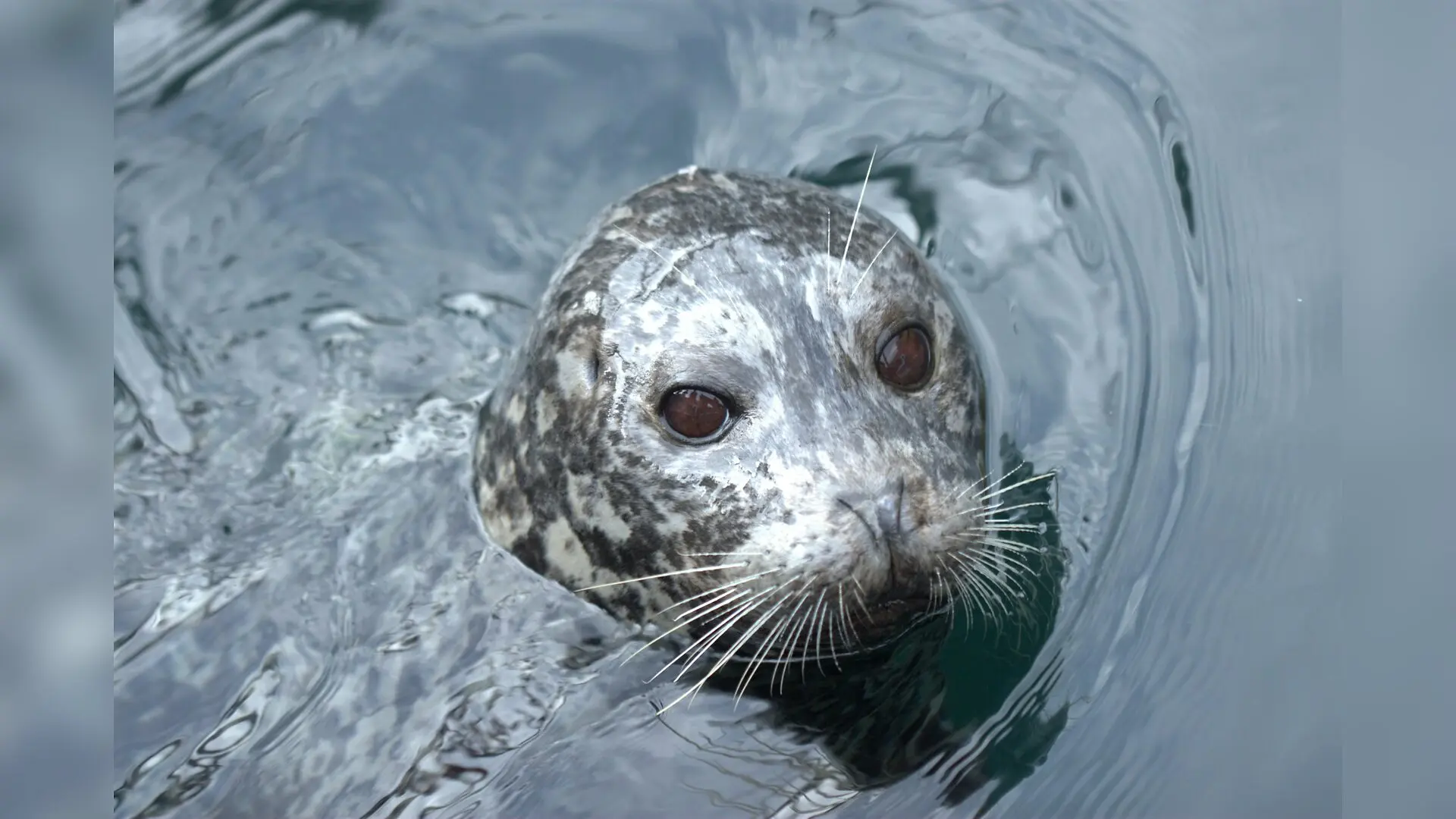
A 19-year-old male common seal living in a marine environment has become the first of its kind diagnosed with a rare, non-cancerous soft-tissue mass called an inflammatory pseudotumor. The animal, belonging to the species Phoca vitulina, originally presented with a stubborn, chronic ulcer on the fifth phalanx of its left hind flipper that failed to heal despite extensive antimicrobial treatment. Marine mammals such as seals, sea lions, and walruses face various health threats, but neoplastic lesions and tumor-like growths remain poorly documented compared to domestic animals. Researchers examined the clinical course, diagnostic imaging, and tissue characteristics of the growth, shedding new light on how unusual masses affect marine wildlife.
Unraveling a Stubborn Flipper Ulcer
The affected seal initially developed a sore near the nail base that resisted months of medical care, including broad-spectrum antibiotics and antifungal drugs. Despite administering heavy courses of enrofloxacin, doxycycline, and fluconazole, the lesion continued to enlarge. Radiological examinations of the distal phalanx revealed a localized cortical bone reaction, which is an abnormal thickening and restructuring of the outer bone layer caused by chronic irritation or inflammation. Interestingly, similar bone reactions were found on the contralateral flipper of the same seal and on the flippers of companion seals without external wounds, suggesting a shared underlying factor such as minor repetitive microtraumas against enclosure walls.
To identify the root cause, veterinary specialists took a 6-millimeter dermatological punch biopsy of the mass and ran microbiological cultures. Growth on marine-specific agars identified a bacterium named Vibrio alginolyticus, an organism commonly found in marine environments that can cause opportunistic skin infections in both fish and humans. The bacterial isolate showed resistance to multiple drugs, including tetracycline and enrofloxacin. To prevent further spread, the veterinary team surgically resected the ulcerated area and amputated the distal phalanx at the joint level, confirming through deep tissue analysis that the abnormal cell nests had infiltrated underlying layers.
Detailed Histological and Cellular Findings
Detailed analysis of the tissue samples, published in Veterinary Medicine and Science, detailed the microscopic structure of the mass. Histological examination showed a cellular mass made of nests of fusiform, or spindle-shaped, and oval cells measuring 10 to 15 micrometers across, separated by desmoplastic connective fibers. The tissue sections displayed low mitotic activity with an average Ki-67 proliferation index of around five percent, indicating a slow rate of cellular division. Further testing using a panherpesvirus nested polymerase chain reaction assay on the extracted DNA yielded negative results, ruling out herpesvirus involvement despite its known role in other marine mammal tumors.
Because the heavy presence of immune cells masked the underlying tissue architecture, the researchers employed immunohistochemistry to characterize the cellular population. The tests revealed that the spindle cells strongly expressed vimentin and calponin, with about 40 percent showing positivity for alpha-smooth muscle actin, confirming a myofibroblastic phenotype. The surrounding inflammatory infiltrate was predominantly composed of T lymphocytes and activated macrophages marked by Iba1 expression. These specific immunohistochemical markers allowed pathologists to differentiate the mass from other sarcomas and classify it as an inflammatory pseudotumor.
Broader Context for Marine Mammal Medicine
Inflammatory pseudotumors and inflammatory myofibroblastic tumors are rare, low-metastatic proliferations characterized by myofibroblast growth accompanied by mixed immune cells. While well-documented in humans and occasionally reported in dogs and cats, veterinary literature has lacked documented occurrences in true seals. The distinction between an inflammatory pseudotumor and an inflammatory myofibroblastic tumor usually relies on underlying genetic rearrangements, such as changes in the anaplastic lymphoma kinase gene, though infectious agents and chronic physical trauma often trigger the acquired pseudotumor variant.
The findings point to a possible link between chronic bacterial colonization by Vibrio alginolyticus, repetitive physical friction, and the subsequent development of the proliferative lesion. Because acquiring well-preserved tissue samples from free-ranging marine mammals remains exceptionally difficult, reports from managed care settings remain vital for establishing baseline pathology data. This first documented case in a common seal expands the known spectrum of proliferative and neoplastic conditions affecting pinnipeds, providing a valuable reference for future wildlife health management and veterinary diagnostics.
The research was published in Veterinary medicine and science on November 1, 2026.
This article has been fact checked for accuracy, with information verified against reputable sources. Learn more about us and our editorial process.
Last reviewed on .
Article history
- Latest version
Reference(s)
- De Pablo‐Moreno, Javier M.., et al. “Inflammatory Pseudotumour in Common Seal ( Phoca vitulina ): A Case Report.” Veterinary Medicine and Science, vol. 12, no. 6, September 29, 2026 Wiley, doi: 10.1002/vms3.71210. <https://doi.org/10.1002/vms3.71210>.
Cite this page:
- Posted by Divya Iyer