Australian Fossil Reveals Pteros
Queensland fossil shows a Cretaceous feeding chain: a pterosaur trapped in an ichthyosaur, later preyed on by a pliosaur, unveiling rare predator‑prey insights.
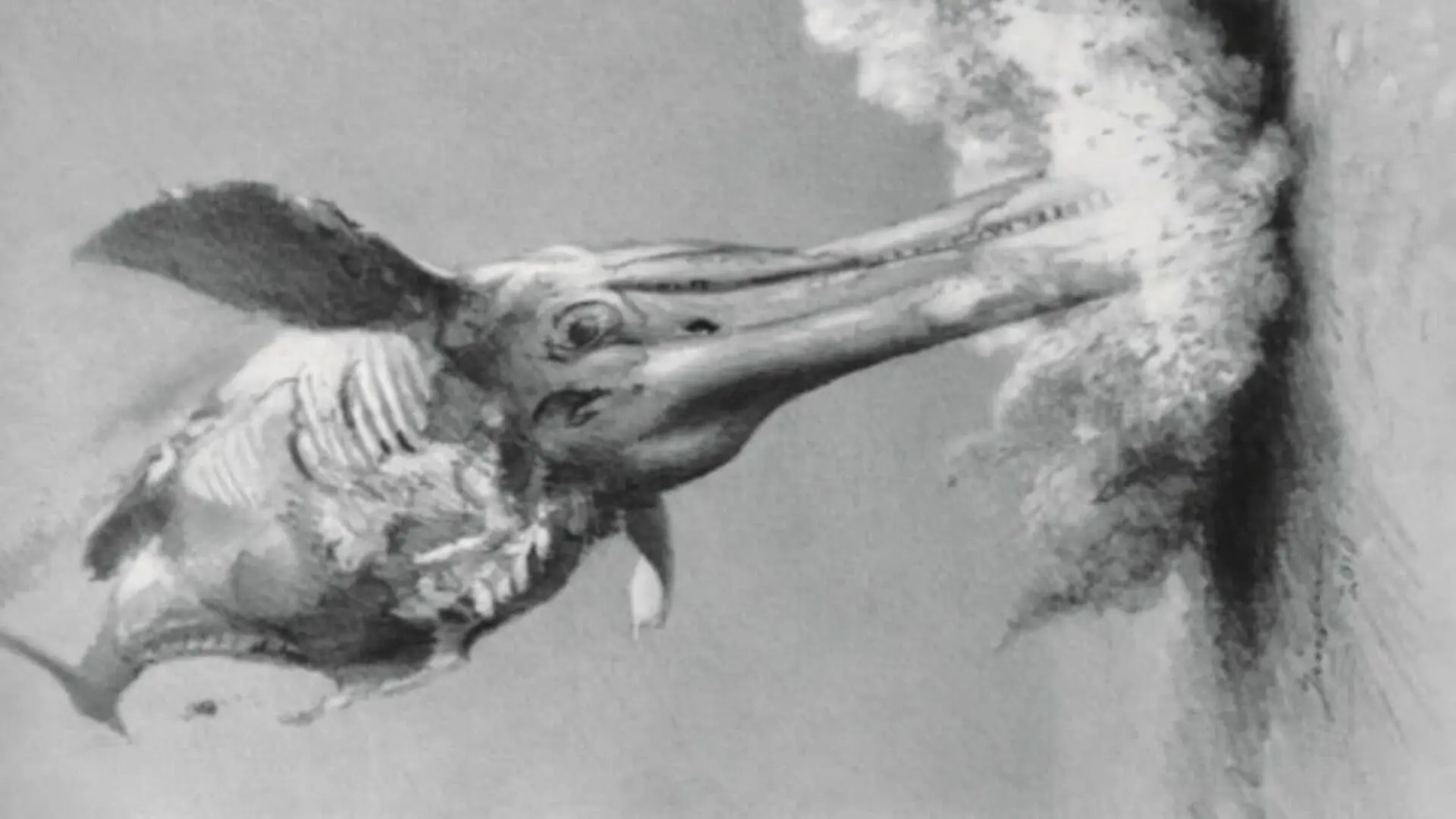
The recent analysis of a fossil from the ancient Eromanga Sea—once stretching across what is now outback Queensland—has provided concrete proof of a three‑tier predatory chain in Cretaceous marine ecosystems.
From a “Bag of Bones” to a Window on Prehistoric Feeding
In 2019, amateur collectors Mike and Cathy Freeman together with Gary and Barb Flewelling uncovered a collection of sizable fossil fragments at a public fossicking site near Richmond. The haul was taken to the Kronosaurus Korner museum where it earned the nickname B.O.B., short for “Bag of Bones.”
Three years later, museum curator Kevin Petersen returned to the same location and expanded the excavation, revealing an almost eight‑meter‑wide ichthyosaur skeleton. The marine reptile, measuring roughly six to seven meters in length, belonged to a dolphin‑shaped group that roamed the seas about 100 million years ago.
Instead of separating the encasing rocks, researchers employed synchrotron computed‑tomography at the Australian Nuclear Science and Technology Organisation (ANSTO) to peer inside. The scans uncovered the remains of fish, squid‑like cephalopods and fragments of a pterosaur jaw, as detailed in the original study.
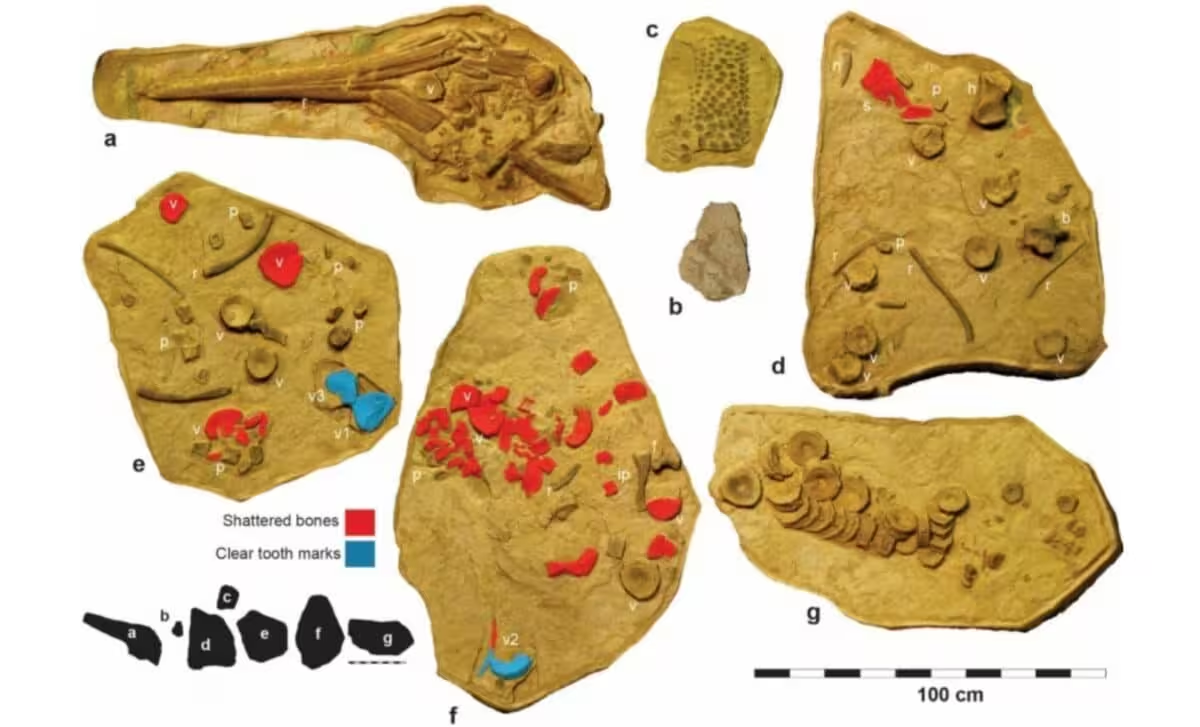
The pterosaur fragments were located within a rounded mass interpreted as the ichthyosaur’s stomach contents, marking the first direct evidence that a marine reptile preyed on a flying pterosaur. Over 600 volunteer and staff hours were dedicated to preparing the specimen before the hidden diet was revealed. The fossil, still catalogued as B.O.B., now resides in the Kronosaurus Korner Museum.
Giant Pliosaur Bite Marks Reveal a Second Predation Event
Examination of the skeleton uncovered extensive crushing marks, fragmented bones and gaps consistent with an attack by the massive pliosaur Kronosaurus queenslandicus, a top predator of the same ancient sea.
Published in Gondwana Research, the study describes a sequential chain in which a pterosaur was swallowed by an ichthyosaur, which was subsequently partially consumed by a giant pliosaur—illustrating a complex trophic interaction in Cretaceous waters.
Paleontologist Dr. Dean Lomax called the find “one of the clearest examples of a three‑tier predator interaction discovered so far,” emphasizing its significance for understanding ancient marine food webs.
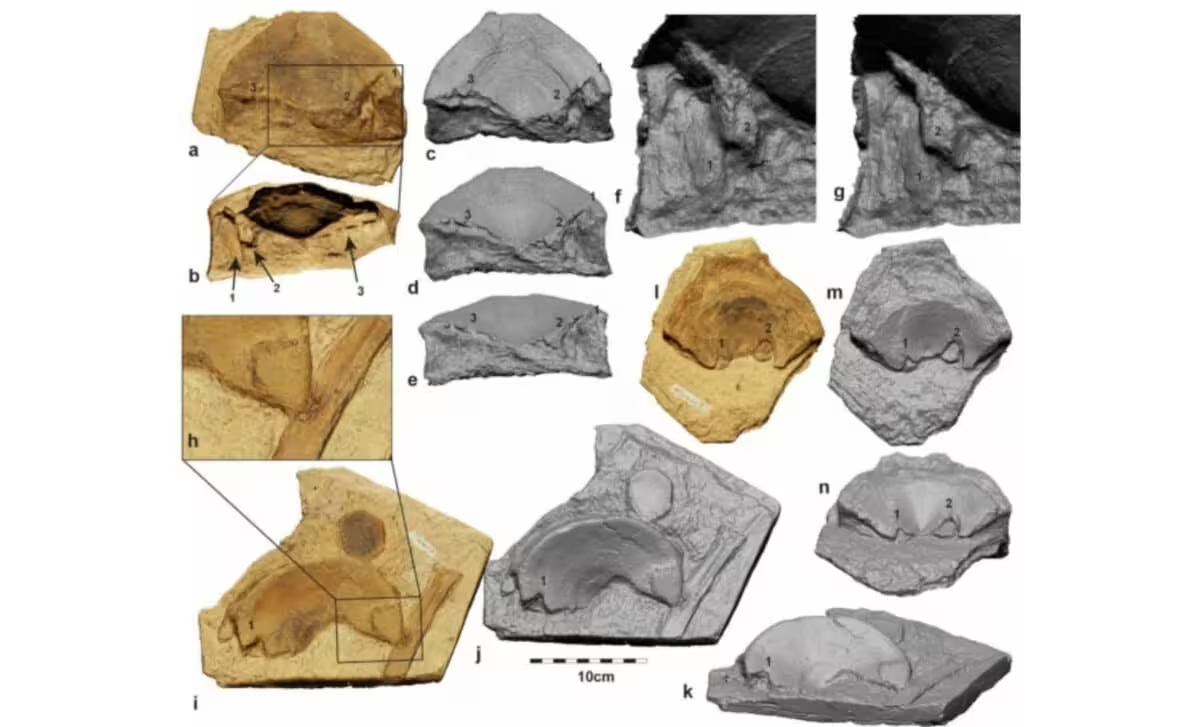
Lead author and University of New England research associate Dr. Matt White expressed surprise at the specimen’s size and condition, noting, “I was amazed by the size of the ichthyosaur, and shocked to see it littered with bite marks and partially exposed pterosaur remains behind the skull.”
The fossil offers a rare snapshot of life in the Eromanga Sea, a habitat that supported a diverse assemblage of marine reptiles, sharks, turtles and other creatures over 100 million years ago. Its discovery underscores the scientific importance of accessible fossil sites around Richmond, which have yielded a range of vertebrate remains.
Ongoing work involves further imaging, detailed morphological analysis and comparative studies with other Australian specimens, allowing researchers to continue extracting insights from this uniquely preserved window into ancient predator‑prey dynamics.
This article has been fact checked for accuracy, with information verified against reputable sources. Learn more about us and our editorial process.
Last reviewed on .
Article history
- Latest version
Reference(s)
- “ANSTO | Science. Ingenuity. Sustainability.” <https://www.ansto.gov.au/>.
- White, Matt Andrew., et al. “Beneath the waves: Extraordinary dietary insights from a dismembered ichthyosaur from the lower Cretaceous.” Gondwana Research, vol. 159, November 1, 2026, pp. 182-192. Elsevier BV, doi: 10.1016/j.gr.2026.05.014. <https://www.sciencedirect.com/science/article/pii/S1342937X26001656?via%3Dihub>.
- “Palaeontologist Dr Dean Lomax.” DEAN R LOMAX <https://www.deanrlomax.co.uk/>.
- <https://www.researchgate.net/profile/Matt-White-7>.
Cite this page:
- Posted by Divya Iyer