Scientists Tested Roads Made With Recycled Fishing Nets After 84 Tons Were Collected at Sea
A new Hawaii study explores how discarded fishing nets degrade in road pavement, revealing environmental impacts and innovative recycling solutions
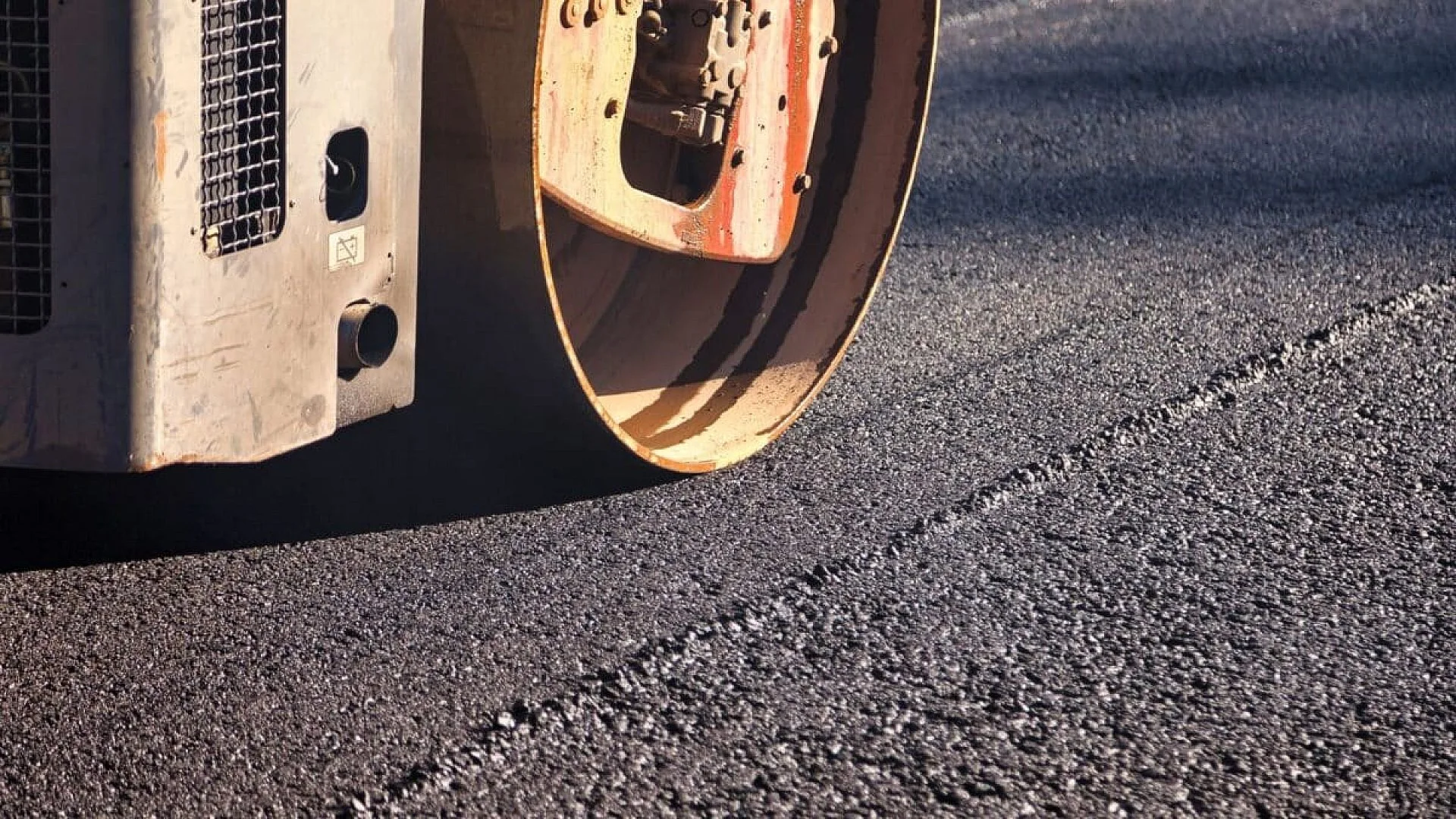
Managing plastic waste in Hawaii is costly and complex, especially when it includes material retrieved from the ocean. Researchers are now experimenting with the use of discarded fishing nets and household plastics as additives in asphalt pavement.
Although the initiative remains in its infancy, it aims to address two problems at once: cutting the volume of waste and providing a local destination for materials that would otherwise be shipped off‑site, incinerated, or dumped in increasingly scarce landfill capacity.
Ocean Debris Finds a New Role in Road Construction
Hawaii already depends on polymer‑modified asphalt (PMA) for much of its road network. The blend was introduced to boost durability, helping surfaces resist cracking, rutting and water damage in the islands’ tropical climate.
PMA is created by mixing a petroleum‑based binder with styrene‑butadiene‑styrene (SBS), a synthetic polymer that adds flexibility. Scientists are now testing whether portions of that polymer can be substituted with recycled plastics without altering the pavement’s performance.
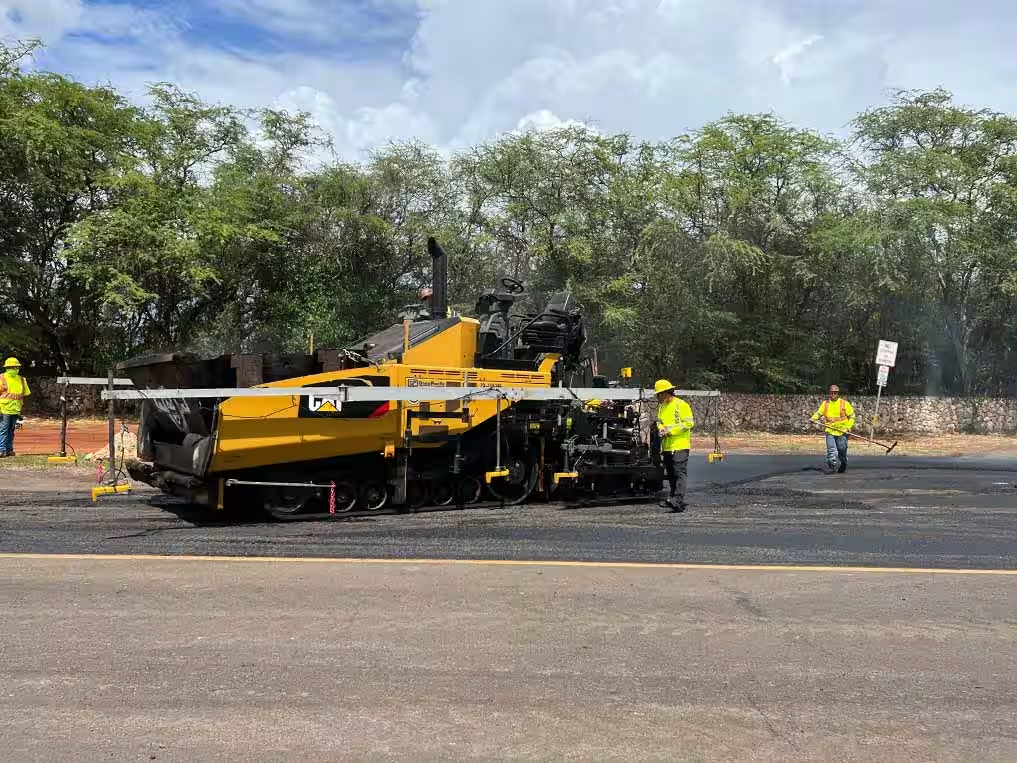
During the ACS Spring 2026 presentation, Jeremy Axworthy explained that the project is probing whether recycled plastics can be responsibly incorporated into Hawaii’s road system. He quoted a BBC report stating:
“By reusing plastic waste that is already in Hawaii, we can reduce the environmental and economic impacts of transporting waste plastics from the islands, incinerating it or dumping it in Hawaii’s overflowing landfills.”
Fishing Gear Integrated Into the Asphalt Mix
One source of recycled material came directly from marine cleanup operations. Jennifer Lynch, director of the Center for Marine Debris Research (CMDR) and environmental chemist leading the effort, said abandoned fishing gear is the biggest driver of Hawaii’s marine debris issue.
“Foreign plastic derelict fishing gear is the largest contributor of Hawaii’s marine debris problem,” Lynch stated. “To date, CMDR’s Bounty Project, which pays a financial reward to licensed commercial fishers for marine debris removal, has removed 84 tons of large, derelict fishing gear from the Pacific Ocean.”
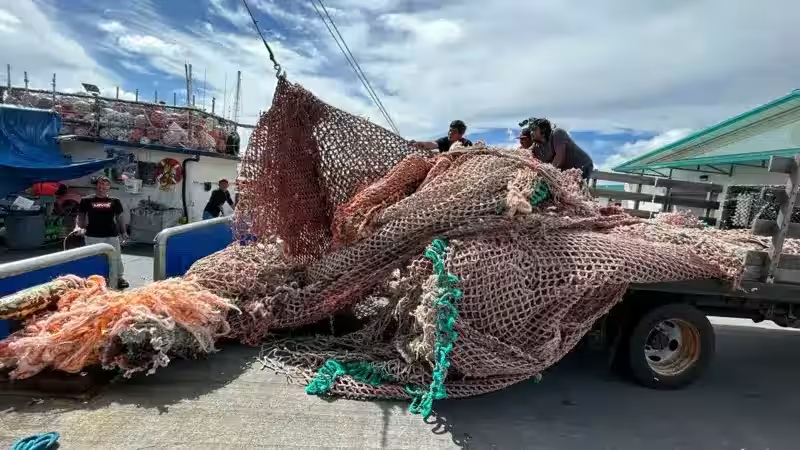
After processing by a U.S. company, the recovered material was turned into a form suitable for asphalt production. Test sections were laid on a residential street in Oahu, comparing three mixes: a conventional SBS‑modified asphalt, a blend containing recycled polyethylene sourced from Honolulu household waste, and a formulation using polyethylene derived from the collected fishing nets.
Recycled Asphalt Shows No Extra Dust Emissions
To move beyond theory, the team monitored what the roads released after a year of regular traffic. After roughly 11 months, researchers collected dust from each test strip and separated the components for analysis. They applied pyrolysis gas chromatography mass spectrometry (Py‑GC‑MS) to pinpoint the origins of the detected polymers.
Findings presented at the ACS conference indicated that the pavement incorporating recycled polyethylene did not emit higher levels of detectable plastic material compared with the standard SBS mix. Mechanical testing and simulated storm‑water experiments supported the same conclusion.
Microplastic‑sized particles appeared in every sample, yet only a modest fraction was identified as polyethylene. According to Lynch, this may stem from the production process: once the plastic melts into the asphalt, it remains embedded within the stone‑binder matrix rather than separating into discrete plastic fragments.
Another notable observation was that tire‑wear signals vastly outpaced those linked to polyethylene. Lynch explained that the team had to carefully scan the chromatograms to locate traces of the recycled plastic.
“Some people think plastic recycling is a hoax, that it doesn’t work; it’s too challenging. But this work demonstrates that recycling can work when society prioritises sustainability,” she concluded.
This article has been fact checked for accuracy, with information verified against reputable sources. Learn more about us and our editorial process.
Last reviewed on .
Article history
- Latest version
Reference(s)
- “Plastic Pavement.” <https://www.acs.org/acs-webinars/library/plastic-pavement.html>.
- <https://www.researchgate.net/profile/Jeremy-Axworthy>.
- “The scientists turning recycled ocean plastic waste into roads.”, April 10, 2026 BBC Newsround <https://www.bbc.co.uk/newsround/articles/clyd05555g6o>.
Cite this page:
- Posted by Divya Iyer