Lost 1952 Pan Am Plane Found After 74 Years, Birthplace of Modern Safety Briefings
Wreck of Pan Am Flight 526A located 74 years after sinking off Puerto Rico, uncovering the disaster that transformed modern flight safety briefings.
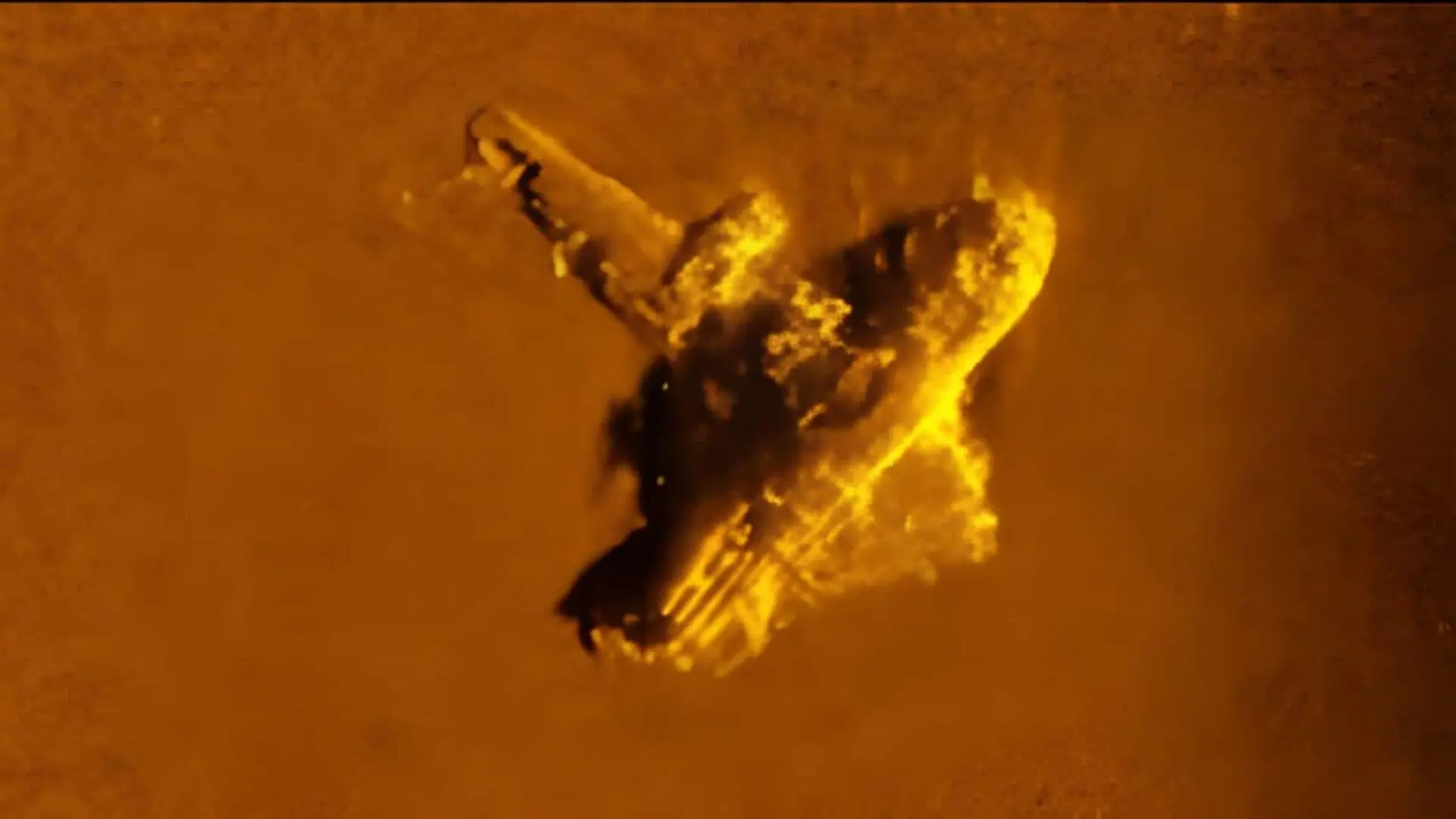
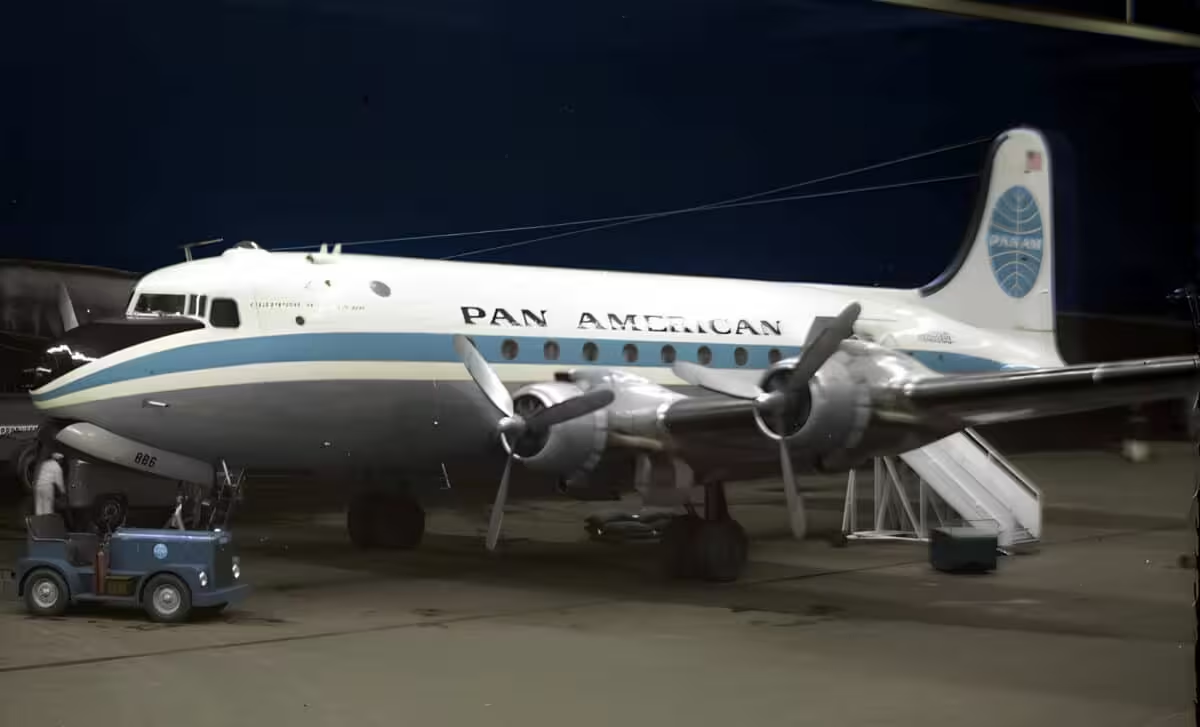
A decades‑old mystery beneath the Atlantic was finally solved when a joint effort by the Air/Sea Heritage Foundation, Discovery Channel and Deep Sea Vision pinpointed the wreck of a 1952 Pan American Douglas DC‑4 on June 2, 2026. Resting almost 2,000 feet below the surface, the aircraft’s discovery not only resolves a long‑standing aviation mystery but also underscores the safety reforms that arose from the tragedy.
The ill‑fated flight, known as the Clipper Endeavor, lifted off from San Juan’s Isla Grande Airport on the afternoon of April 11, 1952, bound for New York’s Idlewild Airport. Piloted by Captain John C. Burn, the four‑engine DC‑4 carried 64 passengers and five crew members.
Moments after takeoff, the aircraft suffered a cascade failure of its right‑hand engines—engine 3 followed by engine 4—forcing the pilot to turn back toward Puerto Rico and attempt a water landing.
Approximately nine minutes into the flight, the plane touched down in the Atlantic about 11 miles northwest of the airport and four and a half miles off the island’s northern shore. The impact ripped off the tail section, yet the main cabin stayed largely intact, allowing all occupants to survive the initial splash‑down.
The lack of a pre‑flight safety briefing and language barriers proved fatal. Passengers received no instructions before takeoff, and the emergency briefing that followed was delivered in English while many onboard spoke only Spanish. As water flooded the cabin, confusion stalled an orderly evacuation, and 52 of the 69 people on board eventually drowned.
U.S. Coast Guard and Air Force rescuers pulled 17 survivors from the sea—12 passengers and the entire crew—while the remaining 52 perished, a loss that would later catalyze sweeping safety reforms.
How a 1952 Water Crash Shaped Modern In‑Flight Safety Briefings
The incident, remembered in Puerto Rico as La Tragedia del Viernes Santo, prompted the Civil Aeronautics Board—precursor to today’s FAA—to investigate why a survivable water landing turned lethal. The board concluded that the absence of passenger safety instructions was a primary factor in the high death toll.
In response, the agency mandated that all commercial flights operating over water provide a pre‑flight safety demonstration covering seatbelts, emergency exits, flotation devices and other critical procedures. Those briefings, now a routine part of every airline’s pre‑departure checklist, trace directly back to lessons learned from the Clipper Endeavor.
“Every time you step on board an airplane today, you are safer because of what happened to Clipper Endeavor and her passengers three quarters of a century ago,” Josh Gates of Discovery Channel’s Expedition Unknown remarked in a statement.
Seven Years of Research Lead to the Wreck’s Recovery
The quest to locate the missing DC‑4 began in 2019 when aviation historian Russ Matthews, president of the Air/Sea Heritage Foundation, delved into archival accident reports, radio logs and declassified U.S. Air Force maps. Partnering with Josh Gates and a team of researchers, Matthews narrowed the search zone off San Juan’s coast.
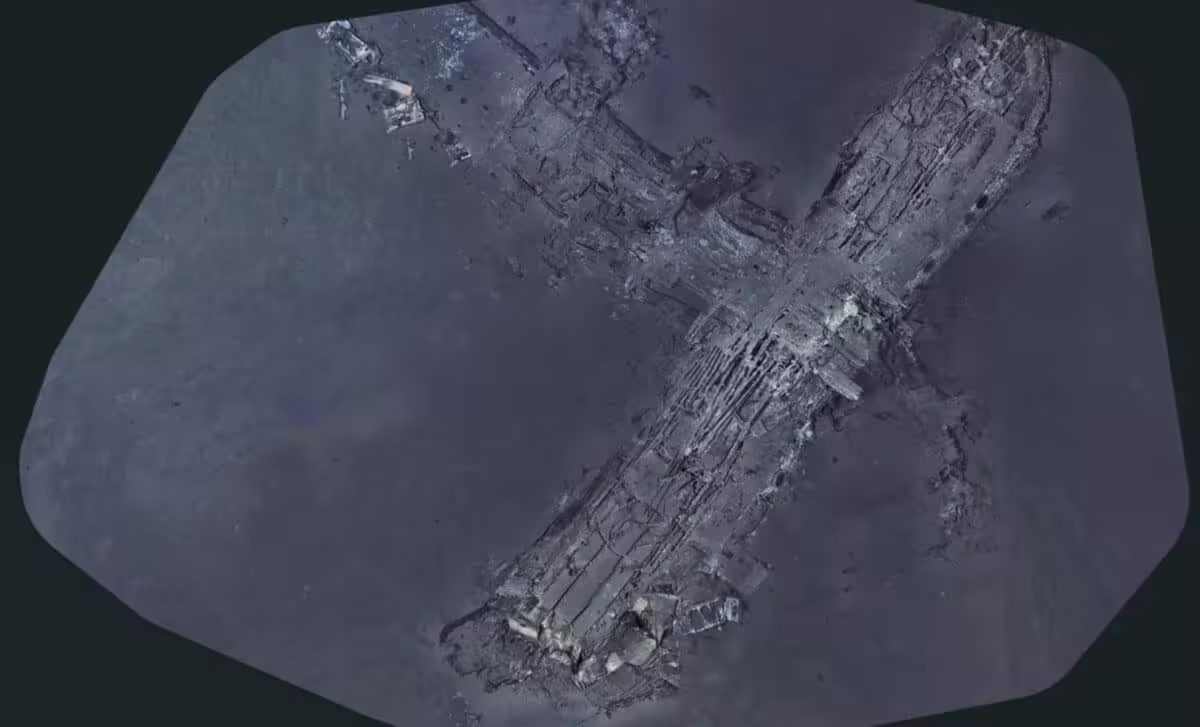
A pivotal moment arrived when the research vessel Fugro Brasil is — en route from Trinidad to the Gulf of Mexico—made a scheduled stop near Puerto Rico to aid the investigation. Onboard, the ship deployed a Kongsberg Maritime HUGIN autonomous underwater vehicle operated by Deep Sea Vision. The drone’s high‑resolution sonar scanned the ocean floor, pinpointing the wreck on June 2, 2026.
The aircraft was found in two fragments at roughly 2,000 feet depth. A subsequent photographic survey confirmed the identity, revealing the Pan American logo and the aircraft’s name still visible on the battered fuselage.
“The story is so powerful and the impact so far reaching. We are all stunned and elated by this discovery yet also humbled to remember what happened in that place so long ago,” Russ Matthews told Popular Mechanics.
The team is now collaborating with Puerto Rico authorities to protect the site and to explore the creation of a memorial honoring the victims. Discovery Channel intends to air a full account of the find in an upcoming episode of Expedition Unknown, while maintaining ongoing contact with families affected by the 1952 disaster.
This article has been fact checked for accuracy, with information verified against reputable sources. Learn more about us and our editorial process.
Last reviewed on .
Article history
- Latest version
Reference(s)
- “LOST PAN AM AIRLINER CLIPPER ENDEAVOR FOUND AFTER DECADES BY AIR/SEA HERITAGE FOUNDATION, ECO MINERALS, AND DISCOVERY CHANNEL’S ‘EXPEDITION UNKNOWN’ | Pressroom.”, July 21, 2026 <https://press.wbd.com/na/media-release/discovery-channel/lost-pan-am-airliner-clipper-endeavor-found-after-decades-airsea-heritage-foundation>.
- <https://www.discovery.com/shows/expedition-unknown>.
Cite this page:
- Posted by Divya Iyer