Giant Lion’s Mane Jellyfish With 100‑Foot Tentacles Swarm Cape Cod Beaches
Giant jellyfish with massive, unusual tentacles are surfacing in record numbers along a famous coastline, sparking concern and curiosity.
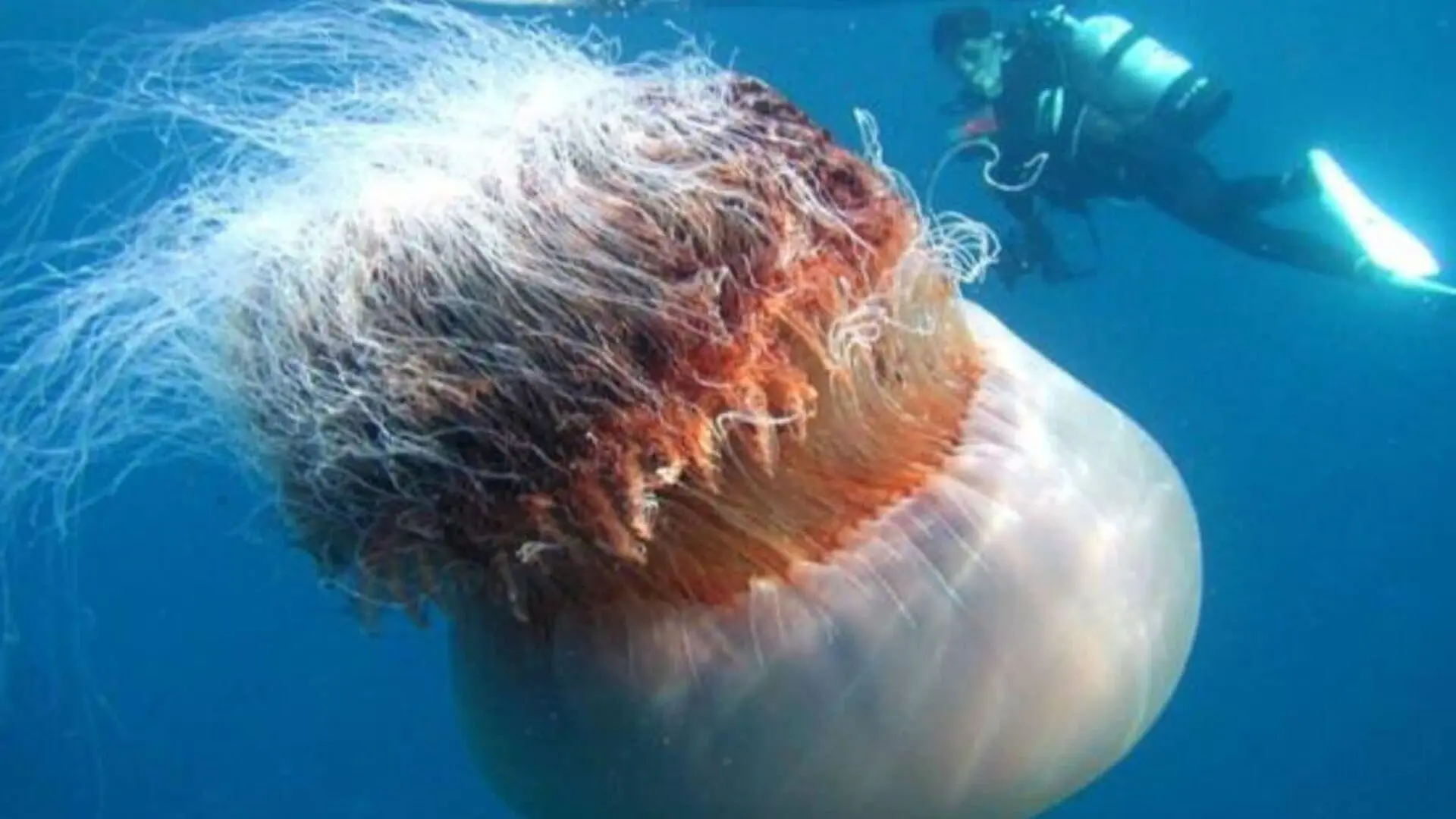
Giant lion’s mane jellyfish (Cyanea capillata) are showing up in unexpectedly high numbers along the Massachusetts shoreline, with Cape Cod reporting the most frequent encounters. These creatures can unfurl tentacles that exceed 100 feet, and their stings are known to cause intense pain.
Typically inhabiting deeper waters of the Atlantic, Pacific and Arctic oceans, lion’s mane jellyfish are usually spotted far from shore. Their recent proximity to popular beaches has taken many swimmers by surprise, prompting local authorities to issue cautions.
The bell of a mature individual can reach roughly three feet in diameter, while dozens of long, trailing tentacles make the animal hard to miss when it drifts near the coast. Unlike fish, these jellyfish do not actively pursue prey; they rely on ocean currents and wind patterns to move.
Although their size can be intimidating, fatal incidents are rare. The primary danger stems from the tentacles, which are difficult to detect in the water and can deliver a painful sting upon contact.
Spike in lion’s mane sightings off Cape Cod
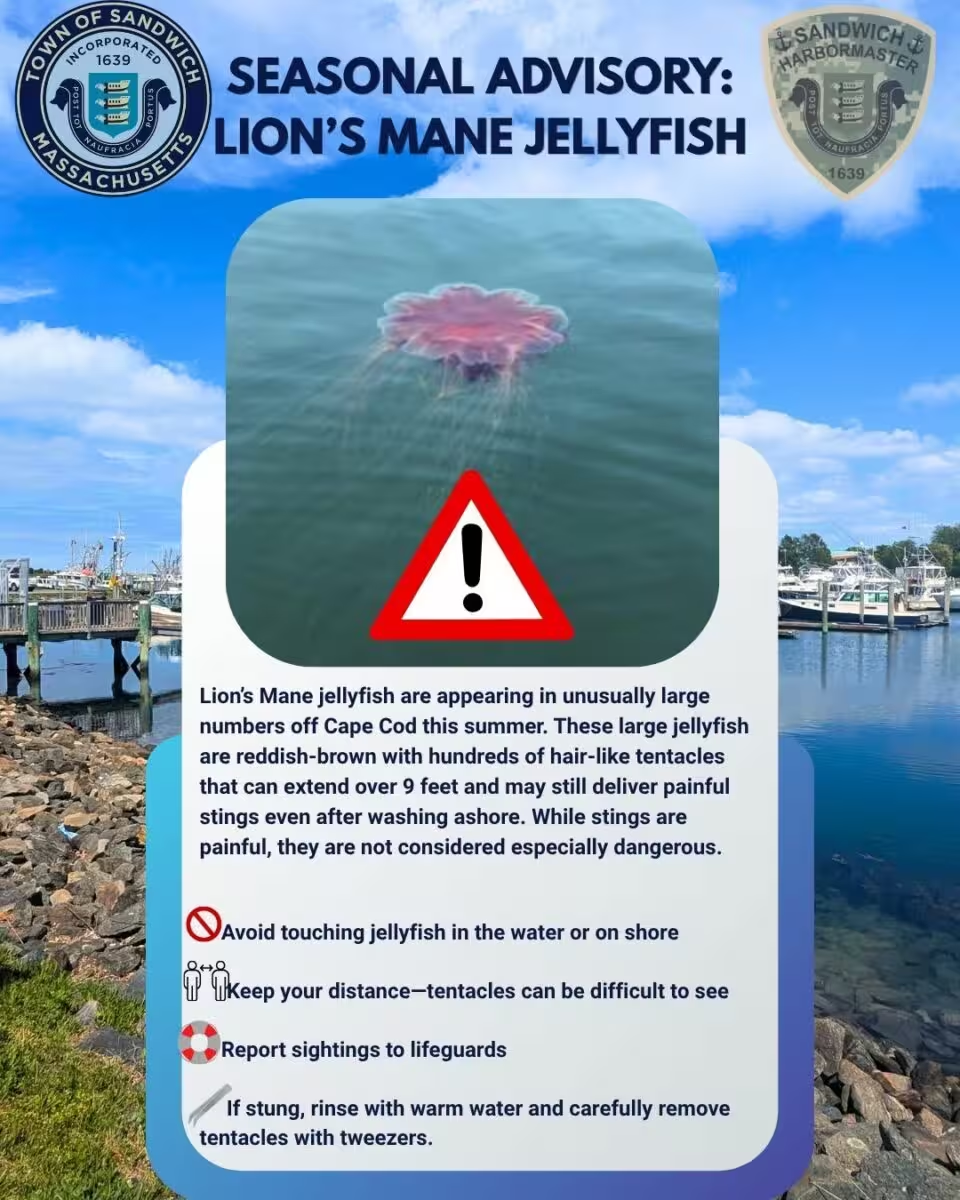
Reports of lion’s mane jellyfish have risen sharply during the 2026 season. The Sandwich Marina – Sandwich Harbormaster noted that sightings began in May, with a noticeable peak by mid‑June. Similar bloom events have been documented previously, including a notable episode in 2020.
The concentration of these gelatinous invertebrates near the coast is linked to their reliance on currents and winds for transport. Shifts in water temperature and fluctuations in food availability may also play a role, though the precise drivers behind this year’s surge remain unconfirmed.
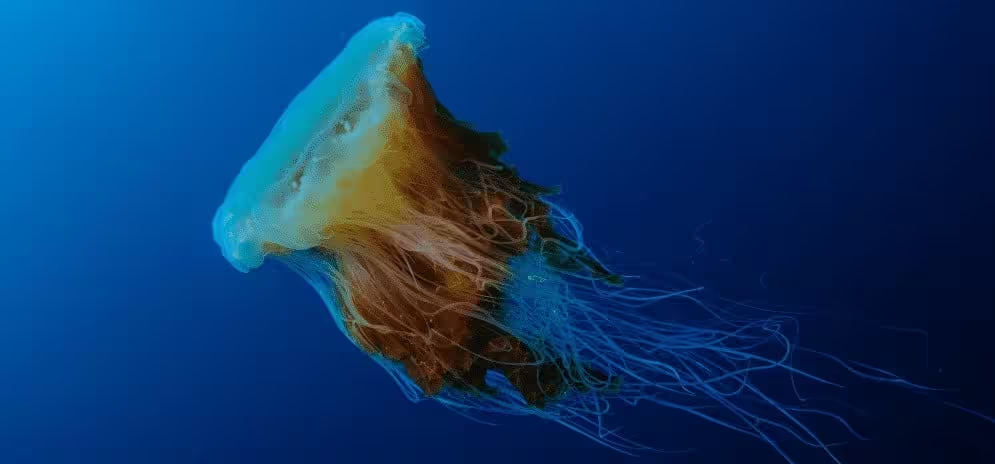
Massive specimen prompts safety concerns
One particularly large individual has attracted attention for its expansive tentacle network, increasing the likelihood of accidental contact for unsuspecting swimmers. While the species is classified as highly venomous, lethal outcomes are uncommon; most victims report localized pain and skin irritation.
“Keep an eye out: lion’s mane jellies can give a pretty painful sting! If you see one washed up on the beach or floating in the water, it’s best to admire it from a safe distance.”
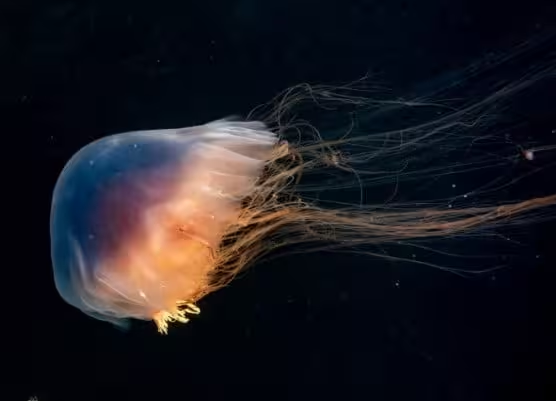
Practical tips for beach visitors
Swimmers at Massachusetts beaches are urged to keep a safe distance from lion’s mane jellyfish, whether the animals are afloat or stranded on the sand. Observing them from afar is the most reliable way to avoid injury.
If a sting occurs, experts advise using tweezers to remove any visible tentacles rather than handling them directly. The affected area should be rinsed with warm water, and applying vinegar can help neutralize the venom.
This article has been fact checked for accuracy, with information verified against reputable sources. Learn more about us and our editorial process.
Last reviewed on .
Article history
- Latest version
Cite this page:
- Posted by Divya Iyer