Lost Pan Am Clipper Found 600 Meters Beneath Atlantic After 74 Years Reveals Safety Legacy
A lost Pan Am airliner resurfaced after 74 years, uncovering the wreck that inspired the safety feature still visible on every passenger today.
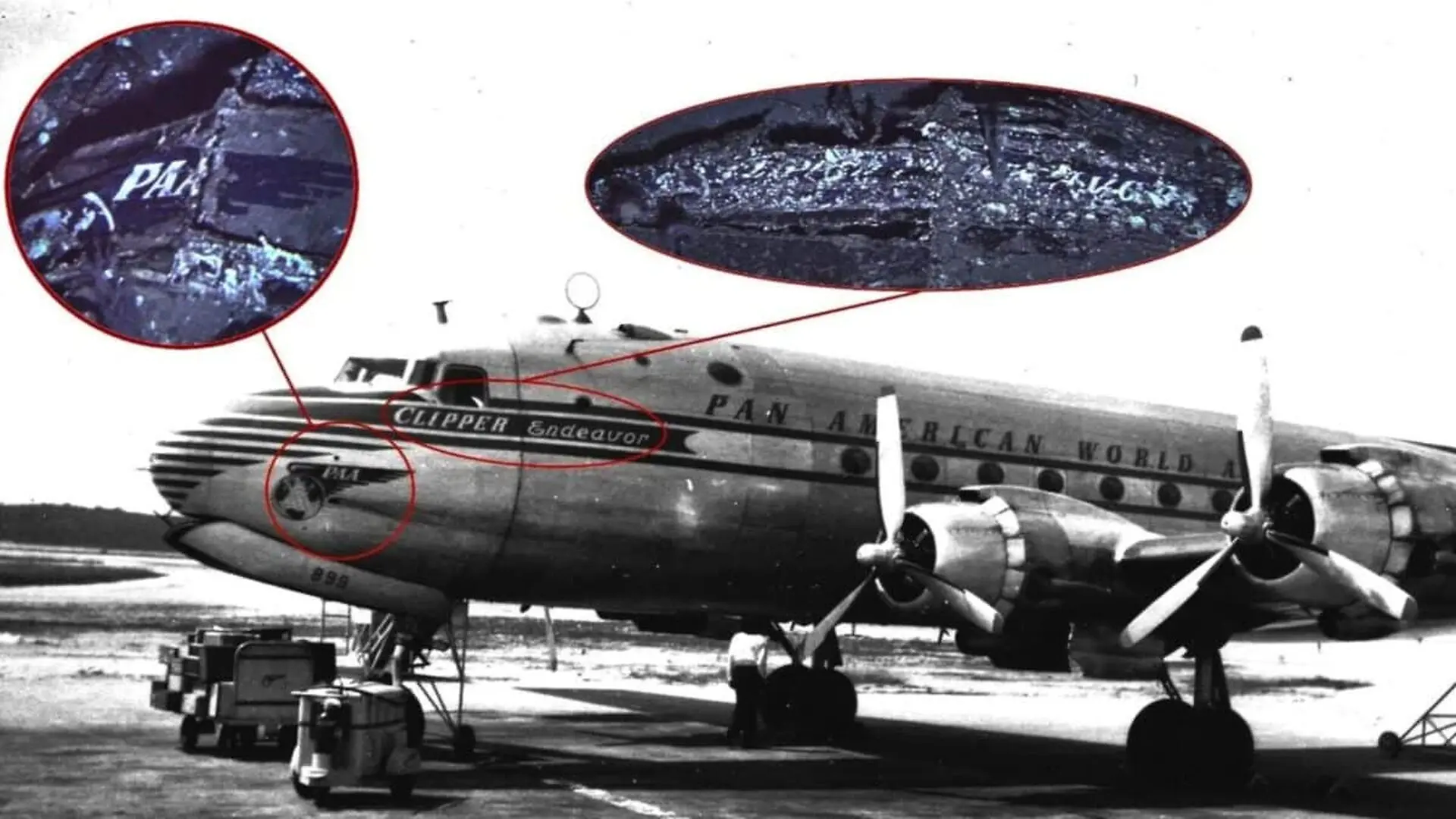
A long‑lost Pan Am Clipper, the Endeavor, has been located on the Atlantic seafloor roughly 600 meters (about 2,000 feet) beneath the surface, ending a 74‑year search for the aircraft that sank off Puerto Rico.
High‑resolution sonar surveys on 2 June 2026, coordinated by the Air/Sea Heritage Foundation in partnership with Discovery Channel and Deep Sea Vision, pinpointed the wreck. Subsequent sonar imaging captured clear views of the aluminum fuselage, still bearing the airline’s emblem and distinctive markings.
The aircraft, a Douglas DC‑4, was operating as Pan Am Flight 526A on 11 April 1952, flying from San Juan to New York. Of the 69 people on board, 52 passengers perished after the plane sank in rough water, an incident that later prompted reforms in the safety briefings given to airline passengers.
Search Expedition Zeroes in on the Wreck Off Puerto Rico
Historian Russ Matthews, who leads the Air/Sea Heritage Foundation, began cataloguing missing aircraft in 2019. His research narrowed the likely crash zone, setting the stage for a focused marine survey.
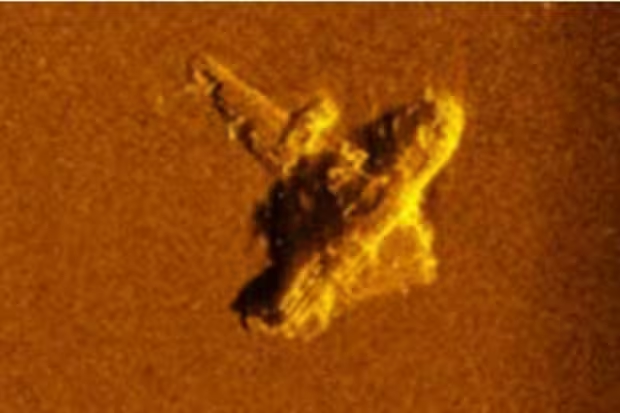
The research vessel Fugro Brasilis traversed the area en route from Trinidad to the Gulf of Mexico, paused near San Juan, and deployed an autonomous underwater vehicle (AUV) to scan the seafloor. The AUV, an unmanned submersible equipped with sonar and imaging sensors, swept a wide swath of the target zone, generating data that guided a follow‑up dive.
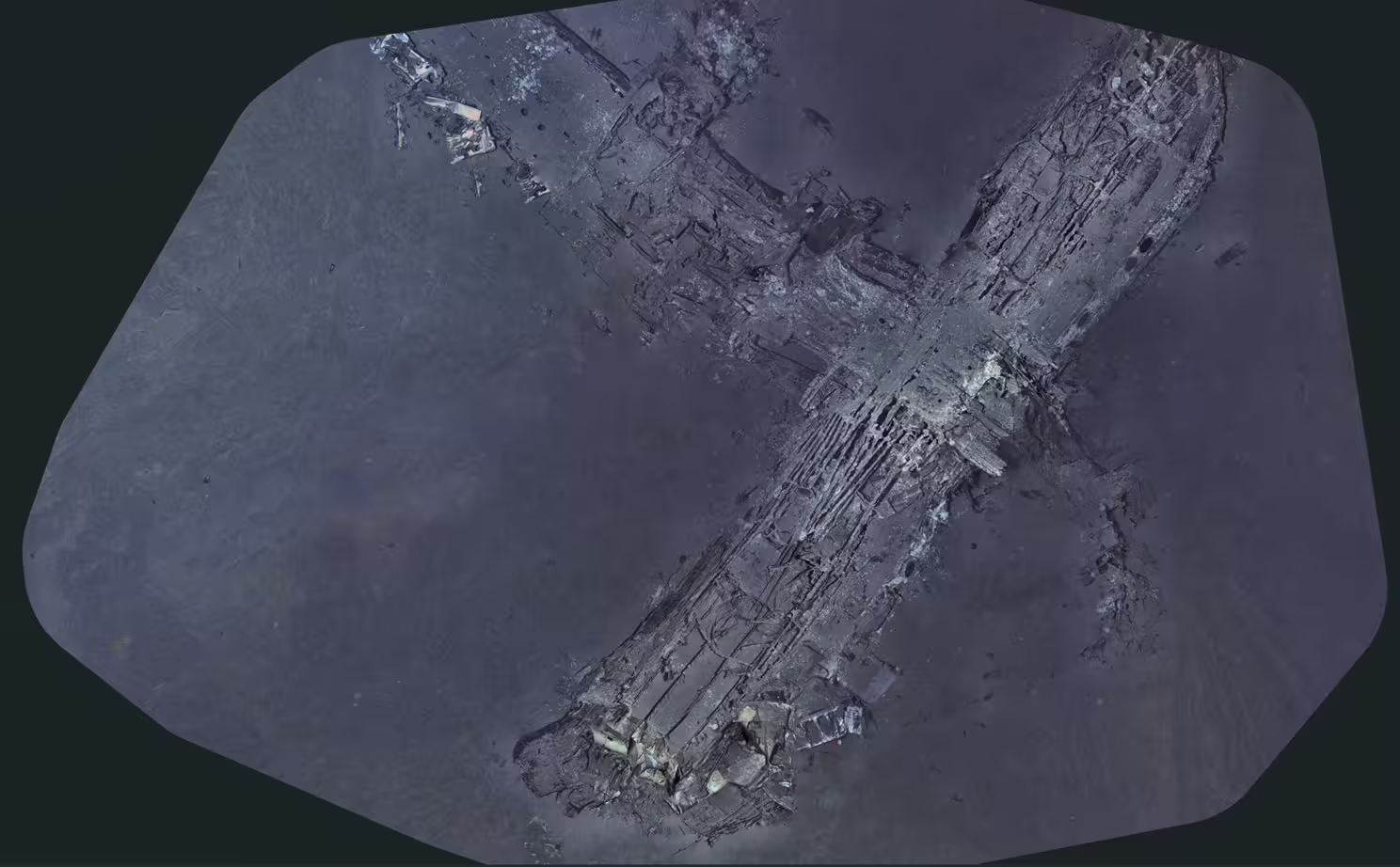
The AUV’s sonar returned a definitive target at a depth of roughly 600 meters. A subsequent high‑definition survey revealed the aircraft’s recognizable Pan Am logo and fuselage lettering. Explorer Josh Gates, who contributed to the Discovery Channel documentary, recalled the moment the images arrived: “we all gasped.”
Engine Failure Forces Emergency Ocean Landing
The four‑engine DC‑4 lifted off from San Juan’s Isla Grande Airport shortly after midday on 11 April 1952, bound for New York’s Idlewild Airport (later John F. Kennedy International). Carrying 64 passengers and five crew members, the plane suffered multiple engine failures soon after take‑off, leaving it unable to sustain flight.
The pilot executed a water landing in turbulent seas about nine minutes after departure. While everyone survived the impact, the cabin began to flood as passengers and crew struggled to escape. At the time, commercial aircraft did not have standardized evacuation procedures, compounding the chaos.
U.S. Coast Guard and Air Force units reached the scene, rescuing 12 passengers and all five crew members. Tragically, 52 passengers drowned before they could be retrieved, an event that came to be known in Puerto Rico as the Good Friday Tragedy.
Accident Catalyzes Modern Pre‑flight Safety Briefings
Investigators examined not only the mechanical failures but also the chaotic aftermath aboard the sinking aircraft. Passengers remained trapped in the flooded cabin, and the lack of a coordinated evacuation plan heightened confusion.
At the time, airlines rarely provided passengers with detailed safety briefings. The Civil Aeronautics Board—precursor to today’s Federal Aviation Administration—responded by mandating more comprehensive pre‑flight safety demonstrations, laying the groundwork for the briefings now required before every commercial flight.
Current briefings inform travelers about exit locations, seat‑belt use, and the operation of life‑vests and flotation devices—critical information for flights that cross oceans.
Efforts Underway to Preserve the Historic Site
The discovery team is collaborating with the government of Puerto Rico to secure formal protection for the wreck. Because the aircraft rests well beyond typical recreational diving limits, sonar and robotic imaging have been essential for documenting the site without human divers.
Beyond its historical significance, the wreck serves as a tangible record of a pivotal moment in commercial aviation safety. Its identification provides authorities and researchers with a concrete basis for ongoing preservation and for honoring the victims of the 1952 disaster.
This article has been fact checked for accuracy, with information verified against reputable sources. Learn more about us and our editorial process.
Last reviewed on .
Article history
- Latest version
Cite this page:
- Posted by Divya Iyer