Ancient Chromosomal Fusions Reveal How Arctic Cod Survive Extreme Seas
New genomic data shows that fused chromosomes anchor adaptive traits in a keystone fish despite constant mixing from ocean currents.
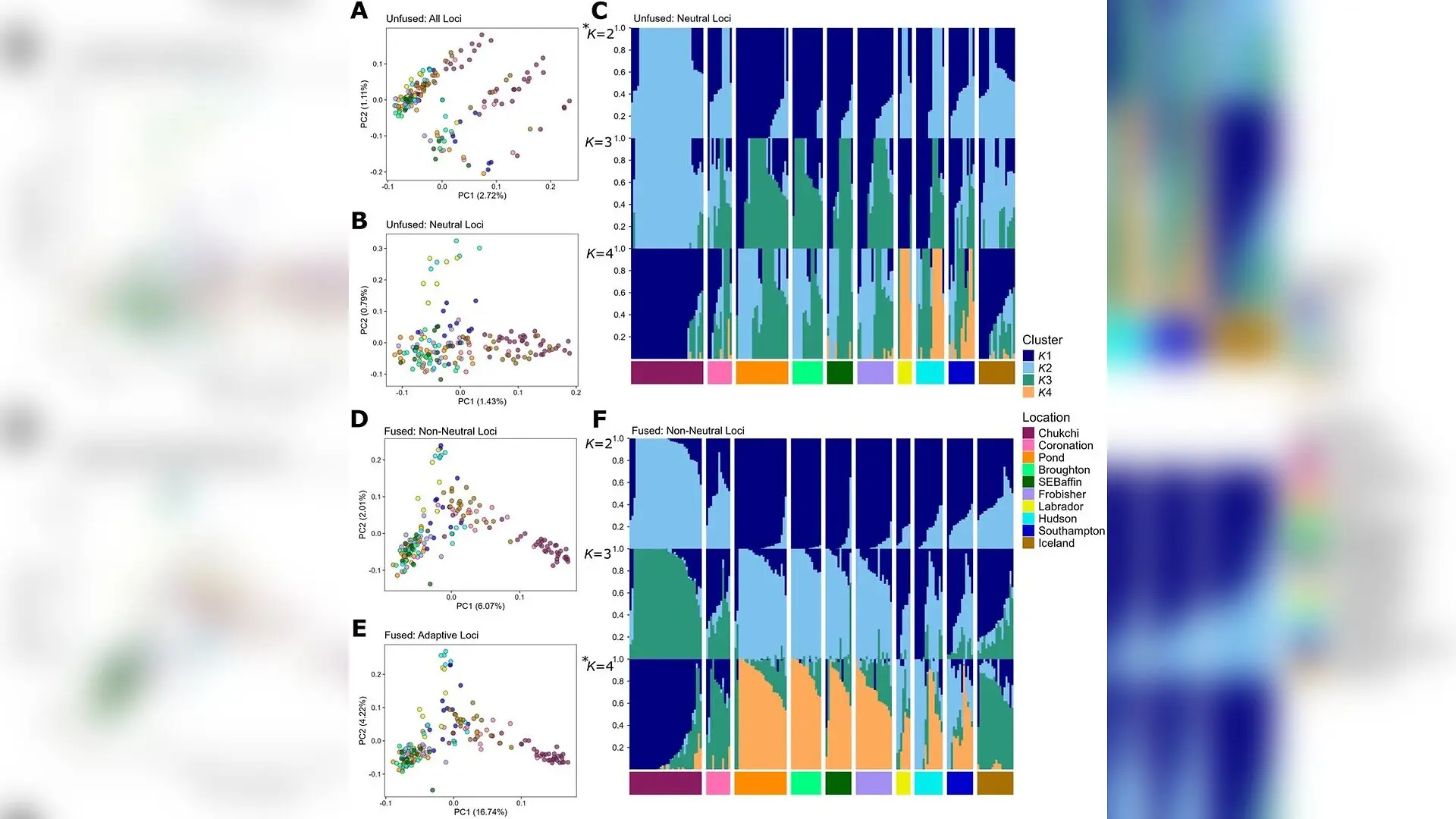
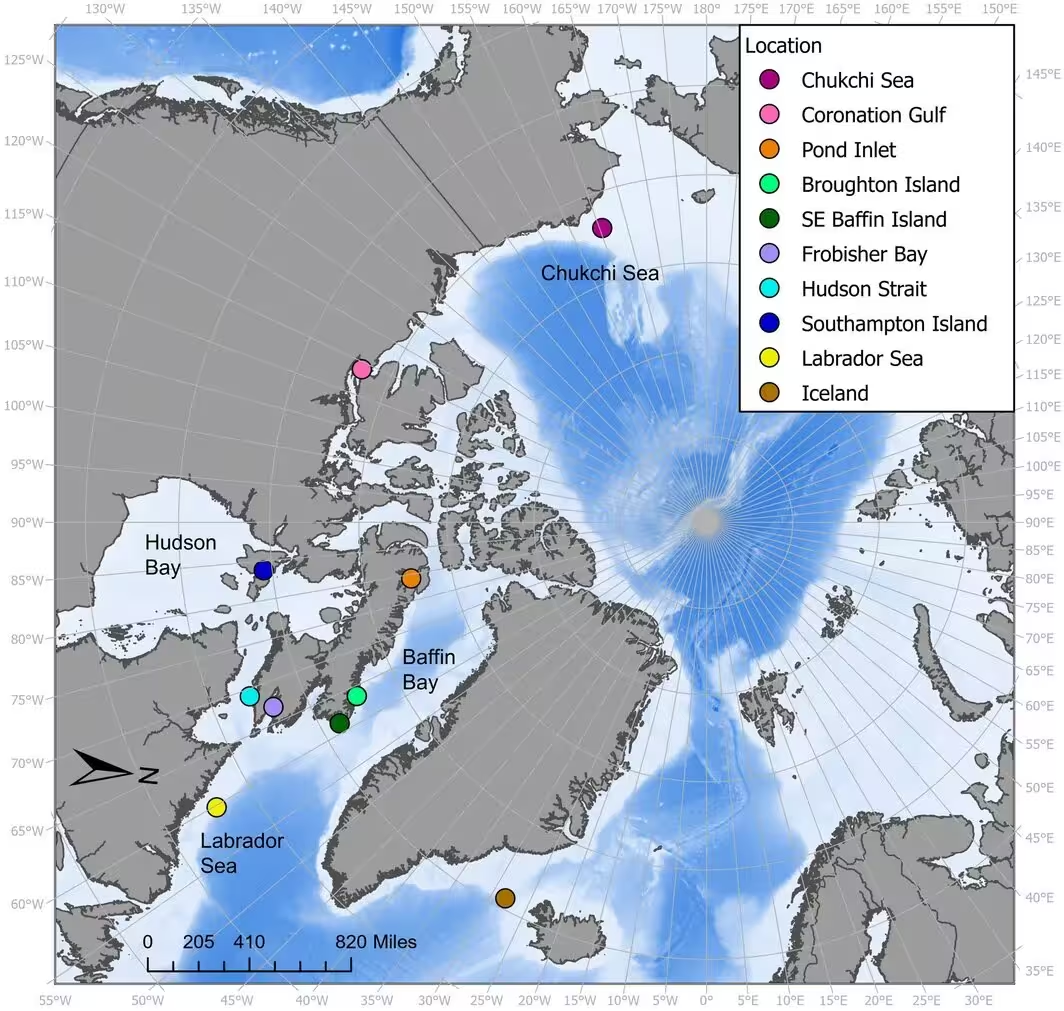
Deep inside the icy waters of the Arctic Ocean, a keystone fish called Arctic cod is holding onto survival secrets written directly into its chromosomes. Researchers have discovered that major structural rearrangements in the genome of Boreogadus saida are driving localized adaptation across populations spanning the Canadian Arctic, the Chukchi Sea, and Iceland.
How Chromosomal Fusions Shape Survival in Freezing Seas
By analyzing whole-genome sequence data from 172 individual fish collected across vast circumpolar distances, an international team of scientists mapped the genetic architecture of Arctic cod. The study, published in Ecology and Evolution, reveals that while the ancestral gadid fish family typically features 23 chromosome pairs, Arctic cod possess just 18 chromosomes due to five major lineage-specific fusions. These fused chromosomes act as genetic anchors, clustering non-neutral variants that help populations thrive despite intense environmental pressures and high gene flow.
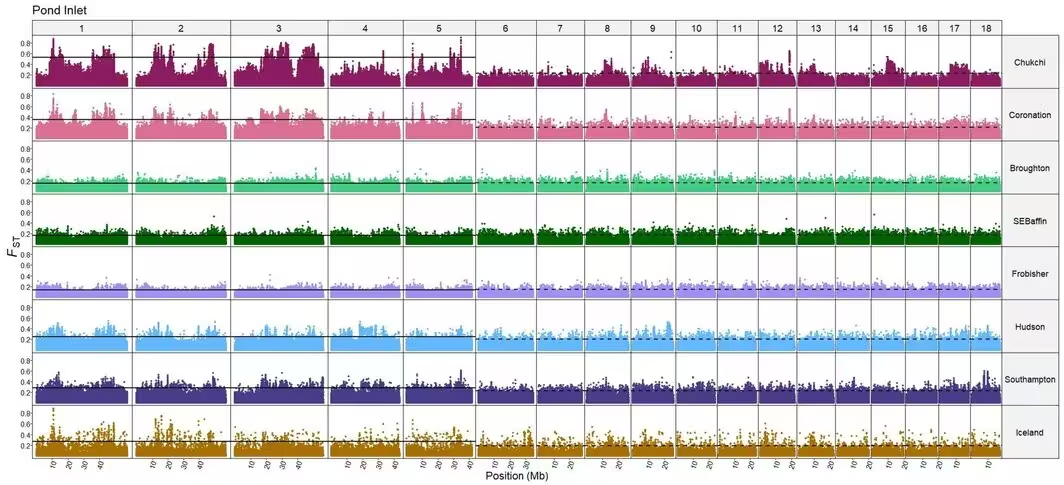
Ordinarily, high gene flow caused by ocean currents constantly mixes populations together, washing away regional adaptations. However, chromosomal fusions suppress genetic recombination by altering nuclear structure during meiosis. This protection allows adaptive alleles to remain grouped together rather than getting scrambled. The researchers found that roughly 99 percent of the primary outlier loci driving non-neutral genetic divergence across the circumpolar range were concentrated on these five fused chromosomes.
Comparing Fused Regions with Chromosomal Inversions
Scientists have long known that chromosomal inversions play a major role in protecting adaptive traits in species with high gene flow. Yet in the case of Arctic cod, the team observed that chromosomal fusions took center stage in dictating broad geographical divergence. While numerous chromosomal inversions were identified throughout the genome, only a fraction showed strong associations with local adaptation.
The patterns of genetic differentiation varied significantly between the fused and unfused chromosomes. Weighted genetic differentiation values comparing regional populations to the Chukchi Sea were roughly 2.5 times greater for markers located on fused chromosomes than on unfused ones. This stark contrast underscores how vital these fused genomic regions are for maintaining distinct population structures under changing environmental conditions.
Ocean Currents Drive Neutral Patterns While Selection Drives Fused Regions
The study highlights a clear division in how the Arctic cod genome operates. Neutral genetic variation across unfused chromosomes largely reflects the sweeping influence of Arctic water circulation and ocean currents. Long-distance connectivity via the Beaufort Gyre and Transpolar Drift helps explain why populations in distant locations, such as Iceland, show surprising genetic similarities to western Arctic groups.
In contrast, variation found within the fused chromosomes points directly to localized natural selection responding to stark differences in temperature, food availability, and sea ice regimes. Baffin Bay faces high annual fluctuations and diminishing sea ice, while the Chukchi Sea historically maintains more stable, ice-associated nursery habitats. These environmental divergences align with the distinct genetic signatures locked inside the fused chromosomes.
Why Genomic Architecture Matters for a Changing Arctic
As climate change rapidly transforms the Arctic through rising temperatures and melting sea ice, keystone species face unprecedented stress. Arctic cod rely heavily on cold, ice-covered waters for early development, and they must contend with northward-migrating competitors like Pacific cod and walleye pollock. Understanding the genomic framework of Arctic cod provides crucial insights into how some southern populations maintain resilience despite environmental volatility.
The authors conclude that developing high-throughput genetic monitoring tools targeting these fused chromosomal regions will be essential for tracking population shifts. As warming waters push marine ecosystems into uncharted territory, protecting the genetic diversity anchored within these ancient chromosomal fusions may determine the long-term survival of the Arctic food web.
The research was published in Ecology and evolution on November 1, 2026.
This article has been fact checked for accuracy, with information verified against reputable sources. Learn more about us and our editorial process.
Last reviewed on .
Article history
- Latest version
Reference(s)
- Hale, Matthew C.., et al. “The Role of Chromosomal Fusions in Genetic Divergence of a Keystone Arctic Species ( Boreogadus saida ).” Ecology and Evolution, vol. 16, no. 11, October 28, 2026 Wiley, doi: 10.1002/ece3.74555. <https://doi.org/10.1002/ece3.74555>.
Cite this page:
- Posted by Kamran Akhtar