Scientists Unearthed A Massive Dinosaur Thigh Bone Then Found An Even Bigger Surprise In France
A massive dinosaur femur once stunned researchers, but the discovery of a new skeleton is now challenging everything we thought we knew about the species.
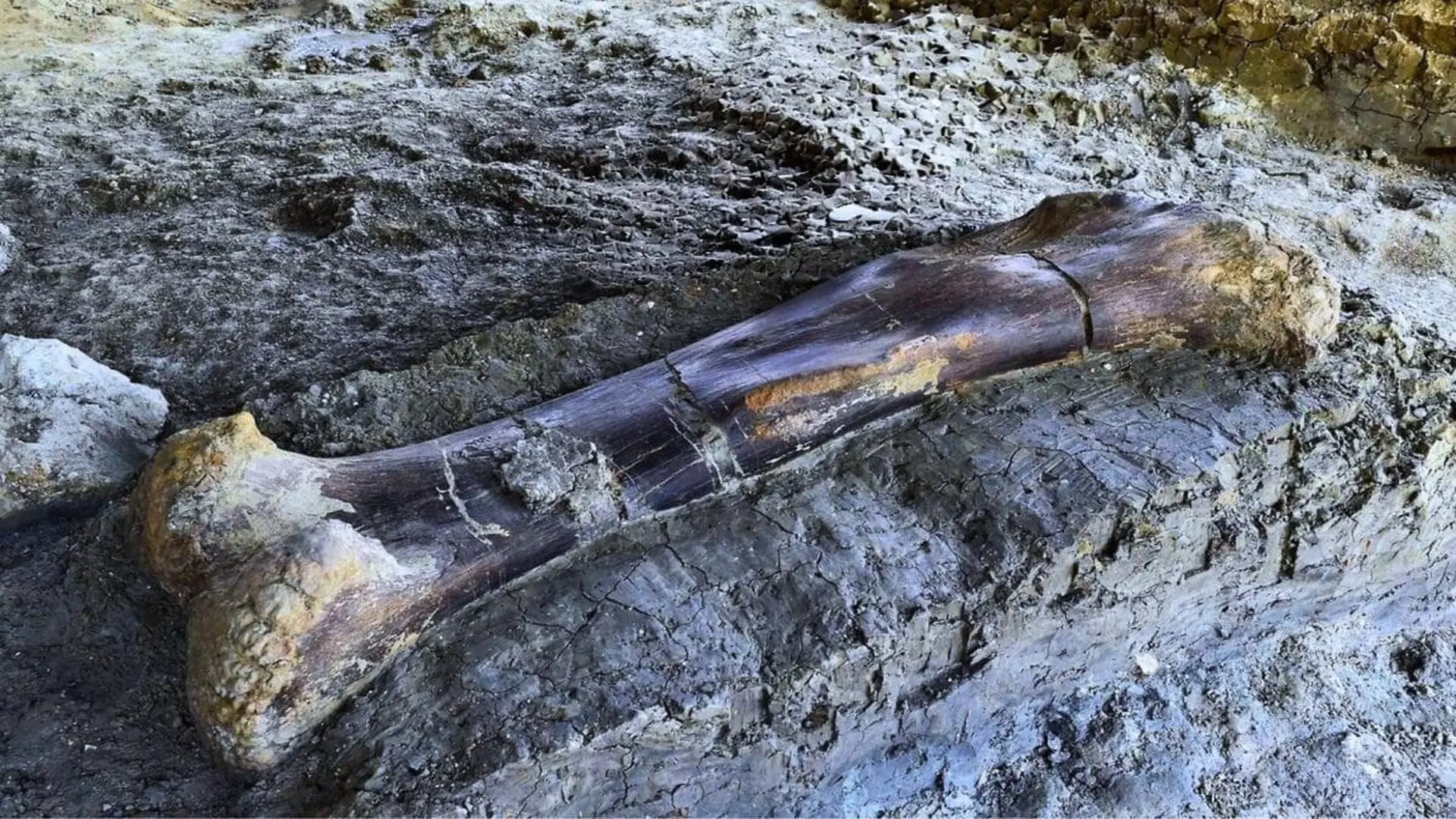
In a quiet vineyard region of southwestern France, the village of Angeac-Charente has evolved into a global focal point for paleontological discovery. Since systematic excavations began in 2010, this unassuming quarry has yielded more than 10,000 inventoried fossils, cementing its status as one of Europe’s most significant dinosaur graveyards.
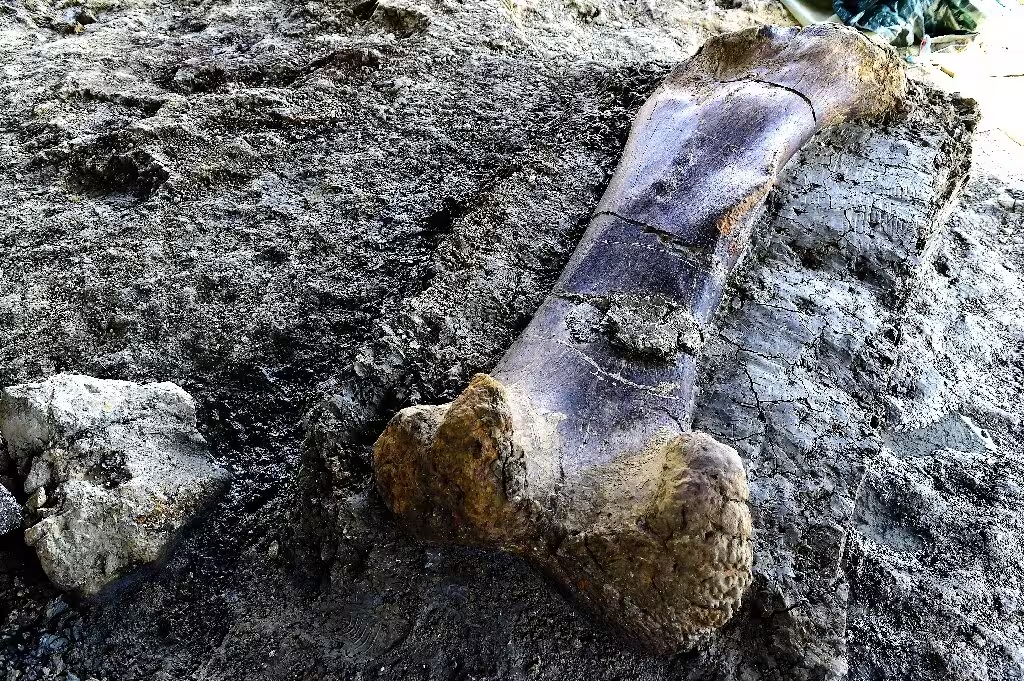
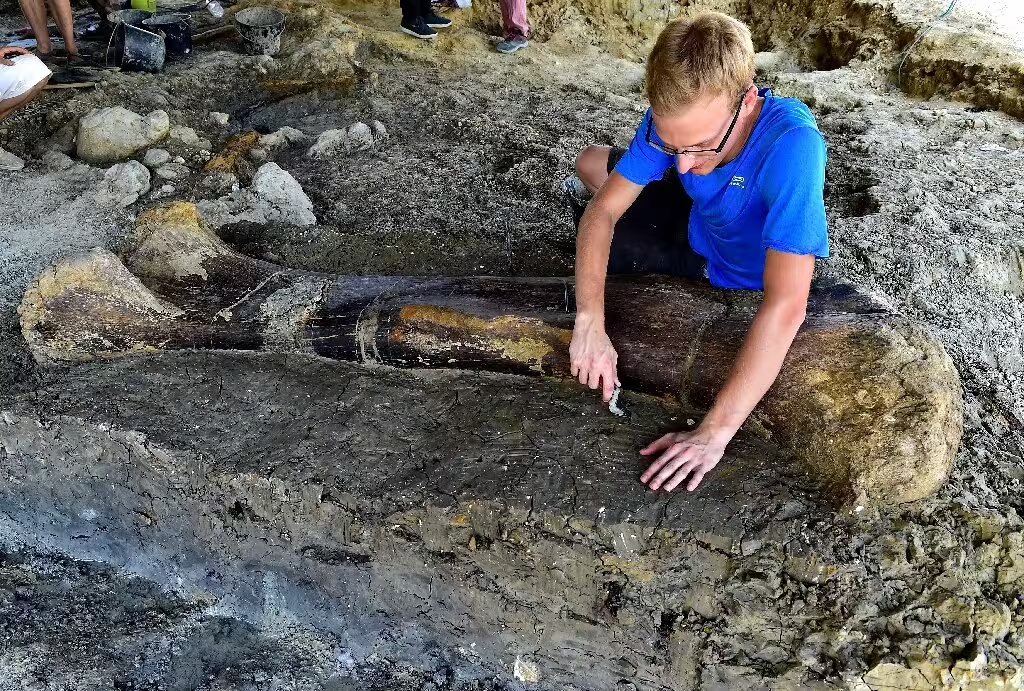
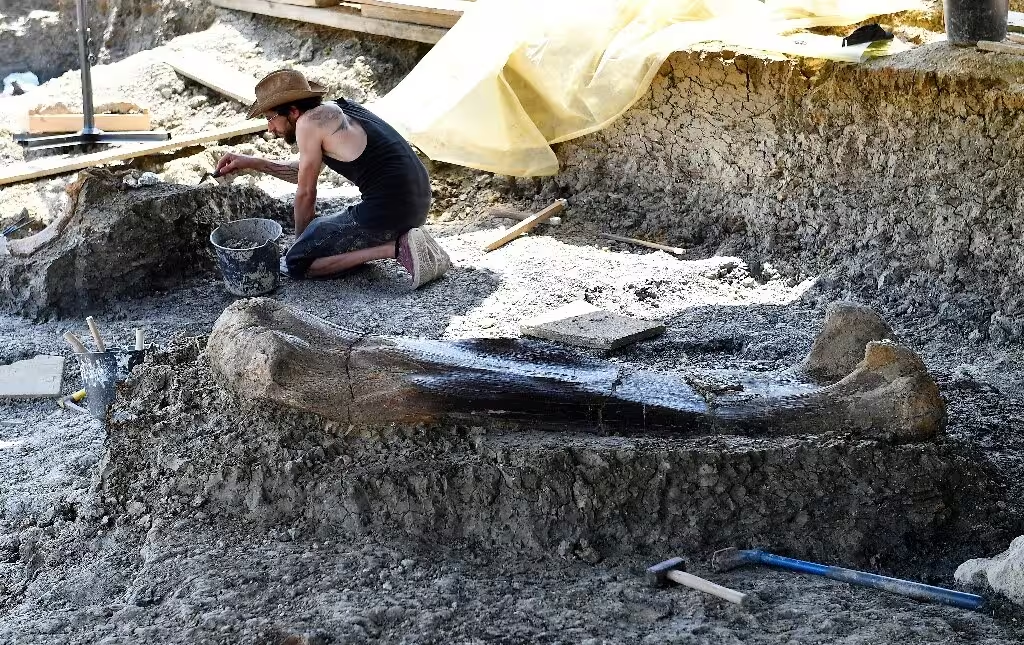
The site’s reputation for yielding monumental finds was solidified in July 2019, when doctoral student Maxime Lasseron uncovered an intact, two-meter-long femur belonging to a massive sauropod. The sheer scale of the bone, weighing between 400 and 500 kilograms, required a delicate, multi-day extraction process to preserve its structural integrity. Ronan Allain, the lead paleontologist overseeing the dig, noted that the exceptional state of preservation in the clay-rich sediment makes this specimen invaluable for scientific analysis compared to the fragmented remains typically unearthed in such sites.
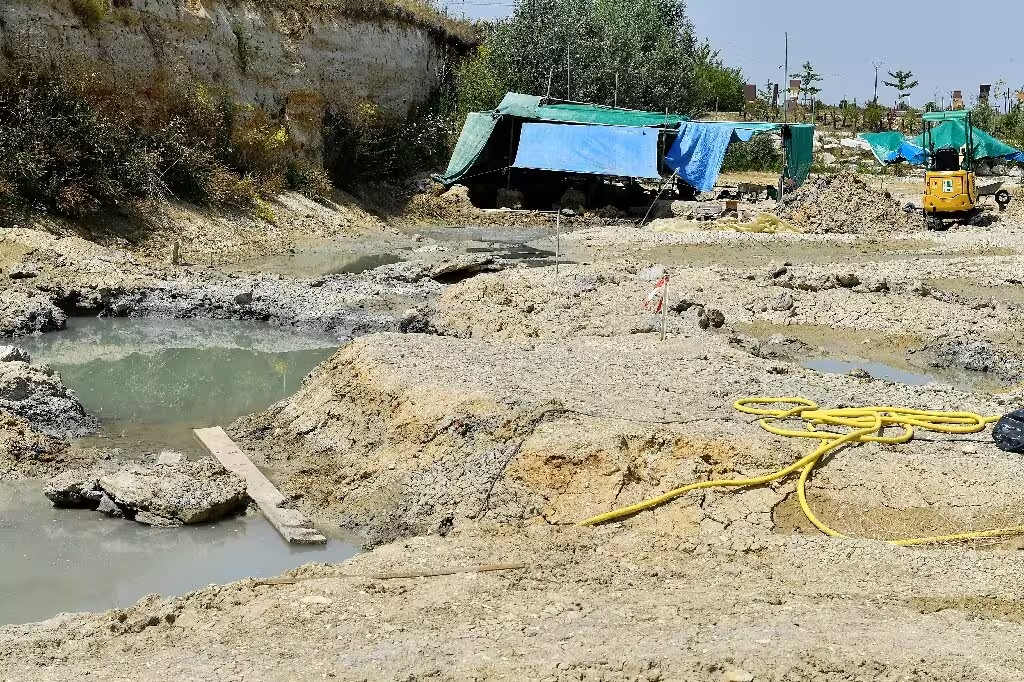
Ancient Swamplands Preserved in Clay
The fossils at Angeac date back to the Early Cretaceous period, roughly 140 million years ago. During this era, the landscape was a sprawling, humid subtropical swamp characterized by river systems and dense conifer forests. This environment acted as a natural preservation chamber; animals that perished in the marsh were rapidly buried in clay, shielding them from the elements and the reach of scavengers. To date, researchers have identified nearly 45 distinct vertebrate species at the site, including crocodilians, turtles, fish, and ornithomimosaurs, alongside a diverse array of prehistoric flora.
The extraction process is an arduous, years-long endeavor. Fragile fossils are encased in protective layers of plastic and newspaper, reinforced with plaster shells, and often moved in blocks weighing up to two tonnes. Each three-week field season typically necessitates over a year of intensive laboratory cleaning and restorative work.
Unexpected Discoveries Reshaping Paleontology
A significant breakthrough occurred in 2024, when excavators began revealing the skeleton of a Camarasaurus. Previously known only from North American fossil records of earlier periods, the presence of this 20-meter-long, 30-tonne herbivore in Western Europe was entirely unexpected. The subsequent recovery of a one-meter-long shoulder blade in 2025 has provided further evidence, challenging long-held assumptions regarding the migratory patterns and geographical distribution of giant sauropods.
While the site has become a treasure trove for herbivore remains, a notable void remains in the collection. Allain notes that the team has yet to recover any remains of a carnivorous theropod, a discovery that remains the primary objective for the next decade of planned excavations.
The vast collection of bones, which includes more than 70,000 fragments and 80,000 micro-remains, is managed by the Angoulême museum. Many of these specimens are currently featured in the exhibition Sur les traces des dinosaures at the Grande Galerie de l’Évolution in Paris, which will run through January 4, 2028.
This article has been fact checked for accuracy, with information verified against reputable sources. Learn more about us and our editorial process.
Last reviewed on .
Article history
- Latest version
Reference(s)
- “« Sur les traces des dinosaures » à la Grande Galerie de l'Évolution.” <https://www.paris.fr/evenements/la-nuit-europeenne-des-musees-a-la-grande-galerie-de-l-evoultion-117292>.
Cite this page:
- Posted by Hassan Raza