Shared Death Experiences Reveal How Healthy Witnesses See Loved Ones’ Final Moments
Relatives near the dying often report vivid visions, sensations or encounters that seem tied to the moment of death.
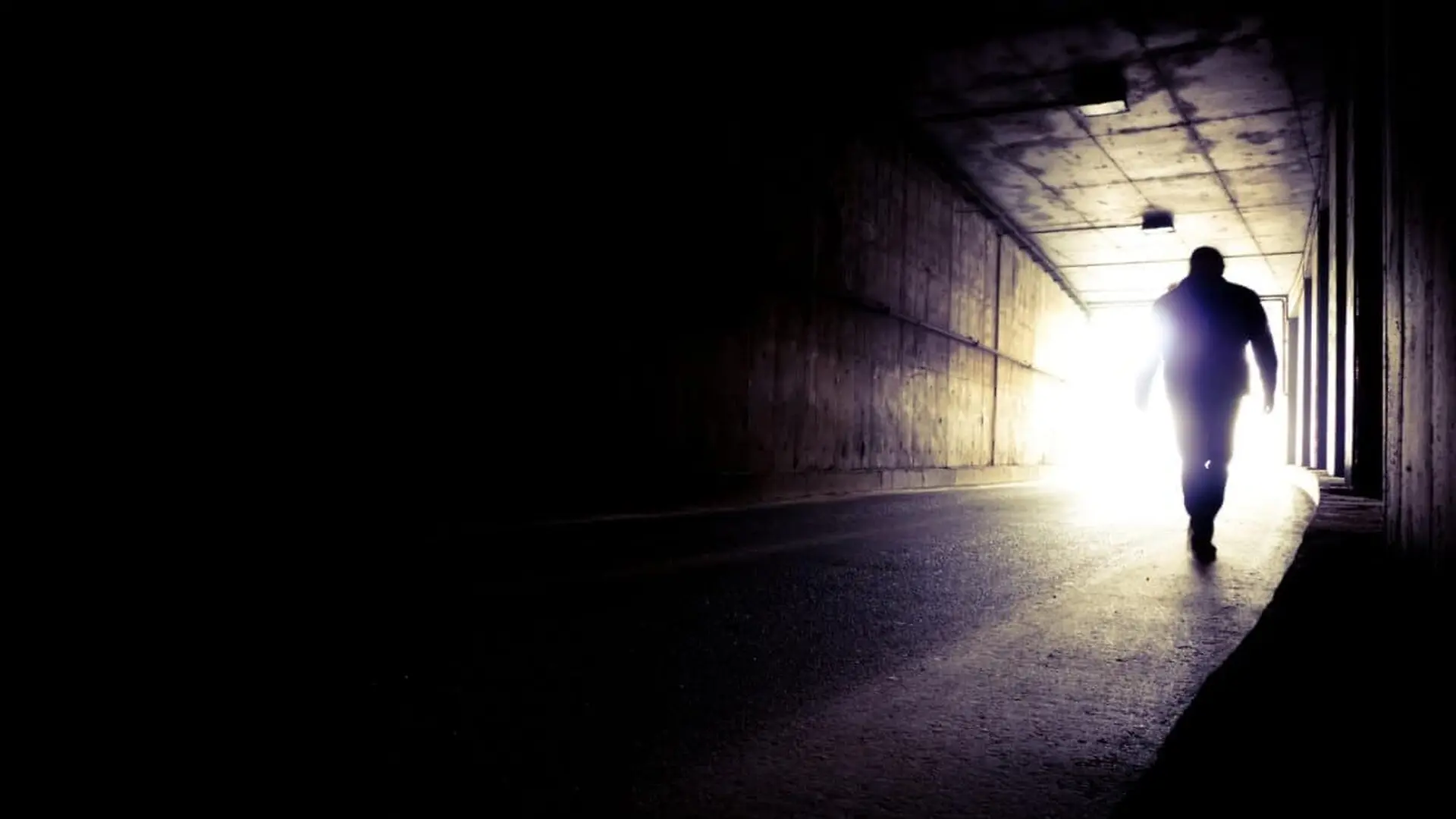
Researchers are turning their attention to “shared death experiences” (SDEs), a phenomenon reported by individuals who are emotionally close to a dying person rather than by those who themselves face imminent death. While near‑death experiences (NDEs) have been studied for decades, SDEs may offer a distinct window into how the human brain processes loss, consciousness, and the experience of death.
Shared Death Experiences Mirror Classic Near‑Death Features
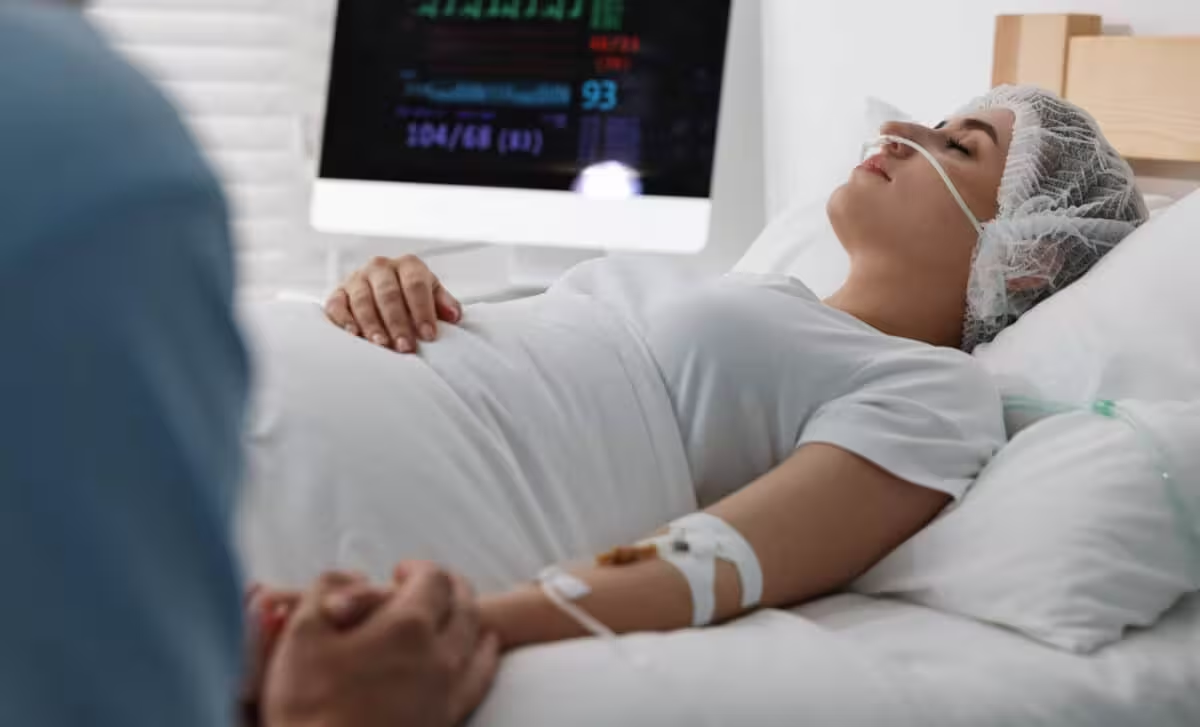
Accounts of SDEs frequently include sensations of profound peace, encounters with departed relatives, vivid perceptions of light, and an altered sense of time—elements commonly described in NDE literature. In contrast to NDEs, which typically arise during life‑threatening medical events such as cardiac arrest, SDEs are reported by people who are not themselves in danger. According to research assistant professor Marieta Pehlivanova of the University of Virginia School of Medicine, clinicians view NDEs as altered‑consciousness states linked to extreme physiological stress.
Data gathered by the Shared Crossing Research Initiative (SCRI) reveal that 64 % of SDE reports were recorded when the witness was physically distant from the dying individual, while the remaining 36 % occurred at the bedside. Moreover, 75 % of the cases coincided precisely with the moment of medically confirmed death, with other reports happening shortly before or after that point.
Participants often describe time as fluid during an SDE; some recall an experience that seemed to stretch for ages, whereas others recall it as instantaneous. As psychotherapist William Peters, founder of the Shared Crossing Project, notes, narrators tend to impose a chronological structure on their accounts after the fact, even if the original perception was non‑linear.
Transformative Effects on Grief and Belief Systems
Many individuals who undergo an SDE describe the event as life‑changing, reporting a diminished fear of death and a reshaped view of mortality. Some witnesses recount a “life review” that focuses on the dying person’s experiences rather than their own, while others see deceased family members or a higher presence guiding the transition.
According to a study published in the American Journal of Hospice and Palliative Medicine, SDEs can influence personal belief systems, aid in processing bereavement, and foster an ongoing sense of connection with the departed. The research, conducted by SCRI, highlights the potential of these experiences to alter how people cope with loss.
Researcher Tais Oliveira da Silva of the Research Center in Spirituality and Health at the Federal University of Juiz de Fora points to anticipatory grief and spiritual needs of caregivers as partial explanations for SDEs, though she emphasizes that such factors do not fully account for the breadth of reported phenomena.
Data indicate that 41 % of SCRI interviewees have experienced more than one SDE, suggesting that prior encounters—including traditional NDEs—may shape subsequent responses to a loved one’s death.
Biological and Neurological Perspectives
While some scholars propose that SDEs could reveal aspects of consciousness that extend beyond conventional brain activity, others explore more grounded explanations rooted in biology, psychology, and neuroscience. Pehlivanova observes that the overlap between NDEs and SDEs raises fundamental questions about whether consciousness can be wholly reduced to physical brain processes, especially in cases where witnesses report events while clinically unconscious.
Potential mechanisms under investigation include delirium, medication side effects, fever, unstable medical conditions, and neurophysiological changes associated with the dying process, as outlined by Oliveira da Silva in a recent PubMed article.
The Neurophysiological Evolutionary Psychological Theory Understanding Near‑Death Experience (NEPTUNE) model proposes that shifts in blood gases, endorphin release, and electrical or chemical activity in the brain—particularly within the temporoparietal junction—may generate out‑of‑body sensations and other hallmarks of these experiences.
A review article by Bruce Greyson and Pehlivanova, appearing in Psychology of Consciousness: Theory, Research, and Practice, argues that existing neurological models fall short of fully accounting for the detailed narratives reported in both NDEs and SDEs. The authors note the lack of evidence that direct brain stimulation can reproduce the precise, often sensory‑rich perceptions described by witnesses.
Greyson told UVA Health that continued investigation of the relationship between physiological events and near‑death phenomena is essential, while also encouraging exploration of multiple explanatory frameworks.
For Peters, the growing body of SDE reports points toward the possibility that consciousness may endure beyond physical death. Yet many scientists remain cautious, emphasizing the need for further empirical work to clarify how these experiences arise and what they reveal about the nature of consciousness.
This article has been fact checked for accuracy, with information verified against reputable sources. Learn more about us and our editorial process.
Last reviewed on .
Article history
- Latest version
Reference(s)
- “New Model Fails to Explain Near-Death Experiences, Scientists Say.”, January 13, 2026 New Model Fails to Explain Near-Death Experiences, Scientists Say <https://www.uvahealth.com/news/new-model-fails-to-explain-near-death-experiences-scientists-say>.
Cite this page:
- Posted by Hassan Raza