19th‑Century Museum Specimen Solves Pangolin Mystery, Restoring Its Lost Scientific Name
Museum specimen from 1836 confirms a distinct Himalayan pangolin species, separating it from the Chinese pangolin and highlighting its conservation importance.
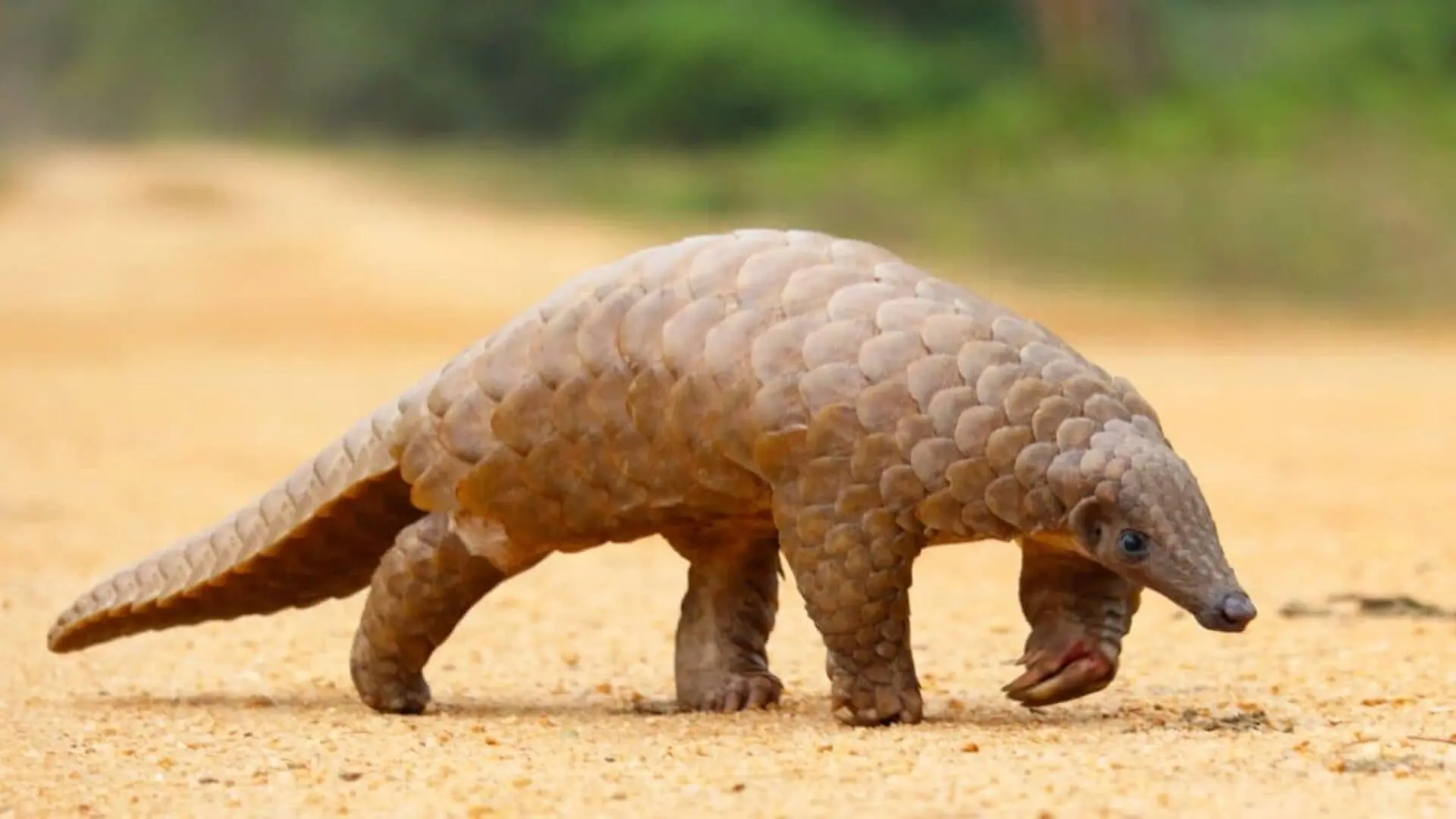
A new analysis appearing in Communications Biology examined DNA extracted from a nineteenth‑century pangolin specimen housed at London’s Natural History Museum. The results settle the long‑standing debate over the Himalayan pangolin’s proper scientific designation and generate a genetic baseline that could improve monitoring of illicit wildlife commerce.
Historic DNA Clarifies Himalayan Pangolin Taxonomy
Pangolins, the scaly mammals native to Africa and Asia, are prized for their keratinized armor and are the most heavily trafficked mammal group worldwide.
For decades, researchers treated the Himalayan form as a population of the Chinese pangolin because of overlapping morphology. A 2025 investigation suggested that the Himalayan group warranted its own species name, Manis indoburmanica, often referred to as the Indo‑Burmese pangolin.
Uncertainty persisted regarding whether that label described a genuinely new taxon or revived a name first applied nearly two centuries ago. The answer emerged from the original type specimen of Manis aurita, a pangolin collected in Nepal in 1836.
A type specimen serves as the definitive reference for a species. Researchers at the Natural History Museum succeeded in isolating genetic material from the nearly 190‑year‑old individual, enabling a direct comparison with contemporary Himalayan pangolins.
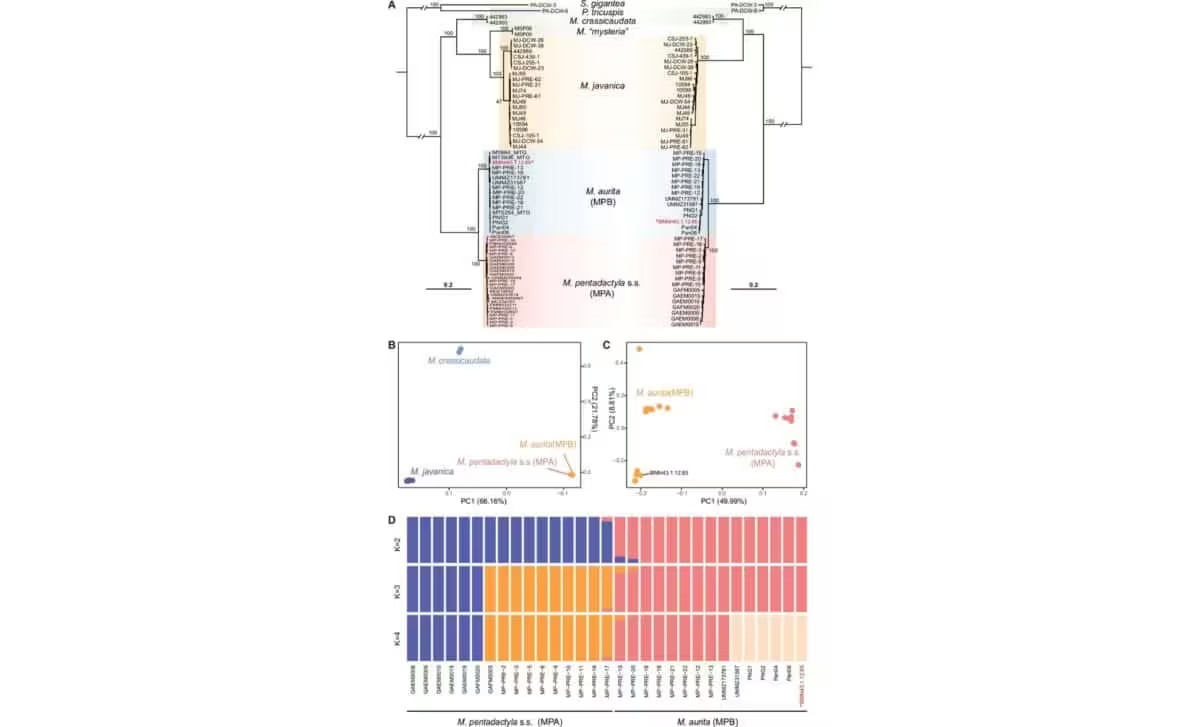
“The decisive breakthrough originated from the Natural History Museum in London,” explained Kai He, co‑corresponding author and researcher at the South China Biodiversity Research Center, Guangzhou University. Genetic analysis demonstrated that the historic sample and modern Himalayan individuals belong to a single species.
Under the International Code of Zoological Nomenclature, the earliest valid name takes precedence when multiple names refer to the same taxon. Consequently, the taxon formerly called Manis indoburmanica should be correctly listed as Manis aurita.
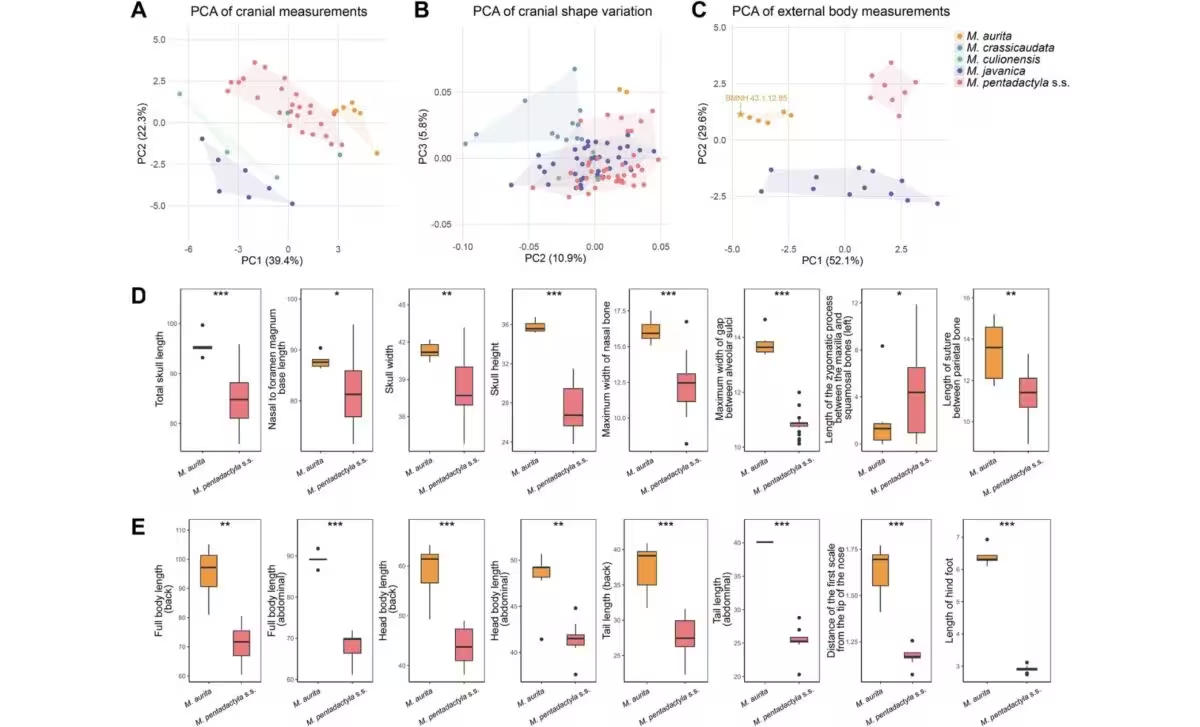
Morphological assessment also uncovered distinct traits: the Himalayan form is bulkier, possesses a longer tail, and features comparatively smaller ears than the Chinese counterpart. The epithet “aurita” highlights the ear characteristic, noted by co‑author Anderson Feijó, Negaunee Assistant Curator of Mammals at the Field Museum.
Refined Species Boundaries Aid Anti‑Trafficking Strategies
Recognizing Manis aurita as a distinct species carries weight beyond taxonomy. The Himalayan and Chinese pangolins occupy separate habitats, and delineating these zones can inform investigations into poaching hotspots.
Scales from pangolins are harvested for use in traditional Chinese medicine, where they are credited with various purported health benefits. Illegal shipments typically consist of loose scales rather than whole animals, complicating efforts to trace the source species.
“Market stalls usually sell only the scales, not the entire animal, which obscures which species are being targeted and where they originate,” Feijó noted.
The newly generated genetic reference enables forensic labs to match DNA from seized scales with a species‑specific profile, shedding light on the geographic origin of confiscated material.
The authors of the study also stress that accurate species identification is crucial for rehabilitation programs. Knowing whether a rescued pangolin is of the Himalayan or Chinese type helps prevent releases into inappropriate ecosystems.
Finally, the work underscores the value of museum collections for contemporary biodiversity research. Because pangolins are elusive and sparsely encountered in the wild, obtaining fresh samples across their range is challenging. “Leveraging museum specimens expands the pool of individuals we can study across the species’ distribution,” Feijó explained, highlighting the enduring relevance of historic collections for modern genetic investigations.
This article has been fact checked for accuracy, with information verified against reputable sources. Learn more about us and our editorial process.
Last reviewed on .
Article history
- Latest version
Reference(s)
- <https://www.researchgate.net/profile/Kai-He-7>.
- “Anderson Feijó - Field Museum.” <https://www.fieldmuseum.org/about/staff/profile/anderson-feijo>.
- Koju, Narayan. “Revalidation of Manis aurita based on integrative genomic and morphological evidence - Communications Biology.”, vol. 9, no. 1, July 1, 2026, pp. 770 Nature, doi: 10.1038/s42003-026-10314-9. <https://www.nature.com/articles/s42003-026-10314-9>.
Cite this page:
- Posted by Hassan Raza