High‑Tech Scans Show 540‑Million‑Year‑Old Fossils Are Microbial Cells, Not Animal Burrows
New analysis of ancient fossils uncovers hidden clues in rock, challenging their role as Earth’s earliest animal evidence
Tiny fossil fragments from Brazil, long touted as some of the oldest evidence of animal activity, have been re‑examined with state‑of‑the‑art imaging, prompting a fresh interpretation of their origin.
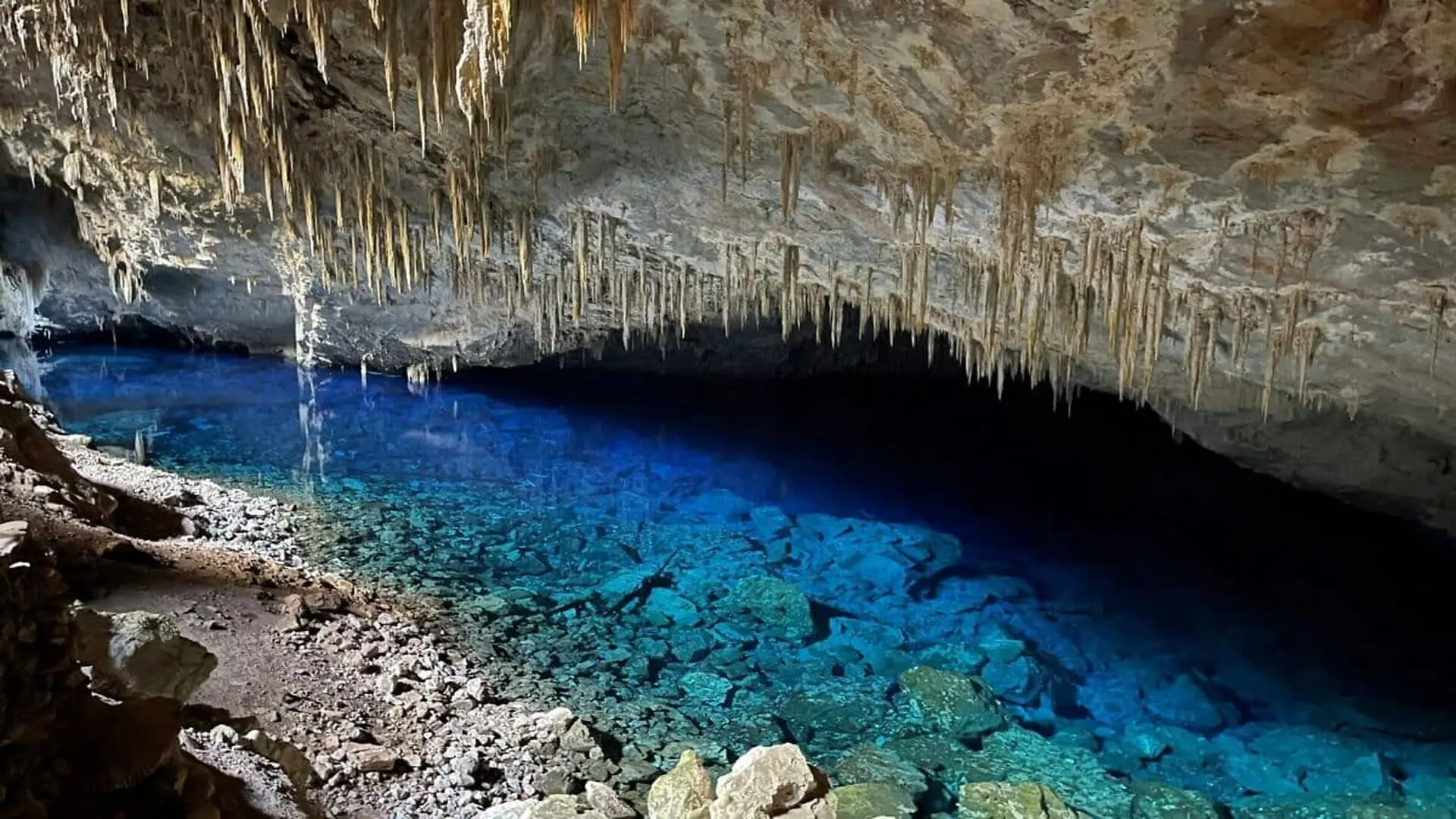
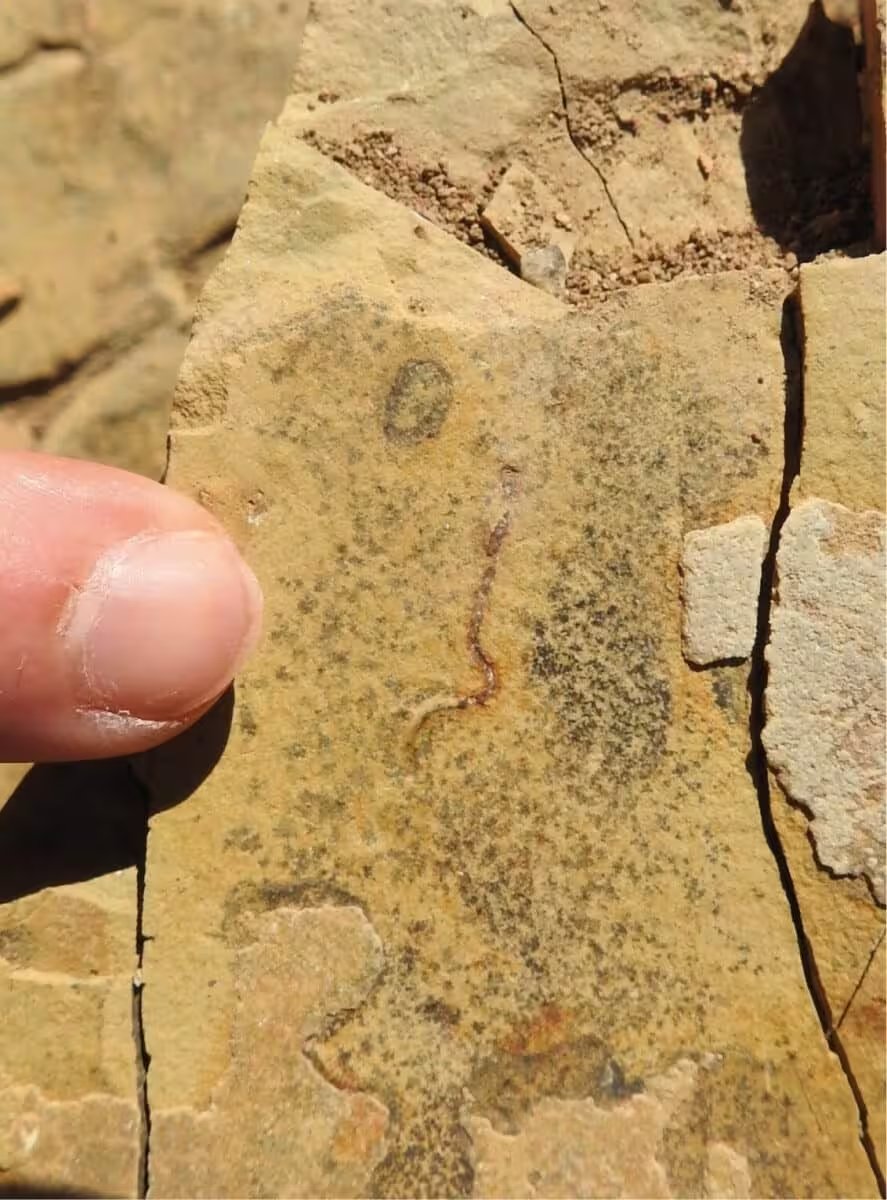
The enigmatic structures were extracted from sedimentary layers in Mato Grosso do Sul that date back roughly 540 million years to the Ediacaran Period. Initial analyses had identified the markings as possible burrows created by meiofauna—microscopic invertebrates less than a millimeter in size.
If correct, that view would have pushed the record of animal‑driven sediment disturbance into a pre‑Cambrian interval, preceding the rapid diversification known as the Cambrian explosion. A recent paper in Gondwana Research revisits the specimens using contemporary imaging tools and arrives at a markedly different conclusion.
Microscopic Life Locked in Stone for Half a Billion Years
The research team applied high‑resolution micro‑tomography and Raman spectroscopy—techniques capable of revealing features invisible to conventional microscopy. Lead author Bruno Becker‑Kerber reported the detection of clear cellular outlines and occasional remnants of organic matter within several specimens.
“Our micro‑tomography and spectroscopy data show that these microfossils possess cellular architecture, sometimes preserving organic compounds, consistent with bacteria or algae that lived at that time. They are not trace marks left by passing animals,” Becker‑Kerber explained.
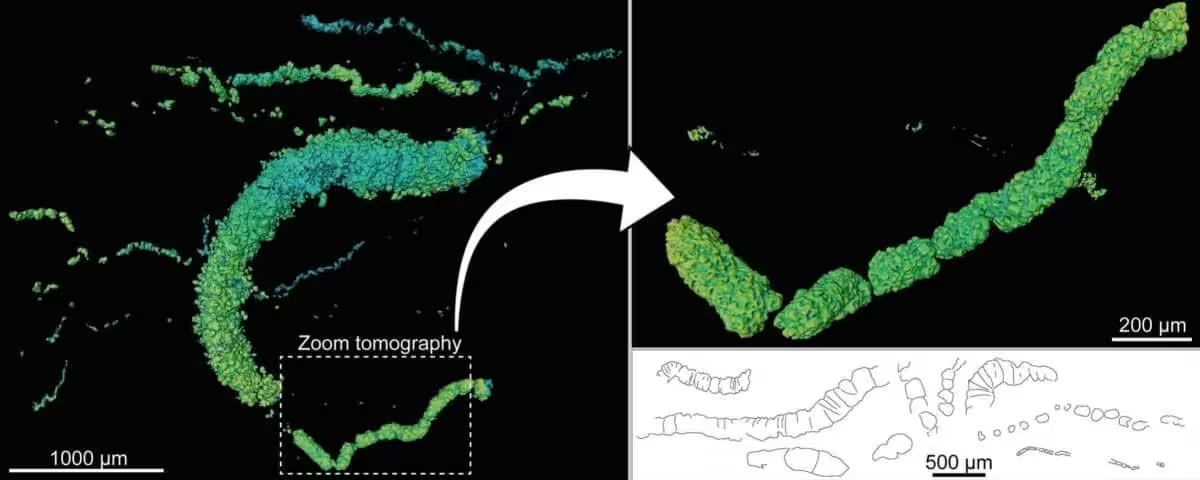
The bulk of the work was performed at the MOGNO beamline of Sirius, the particle‑accelerator facility of Brazil’s Center for Research in Energy and Materials (CNPEM). There, researchers carried out both micro‑ and nanotomography, enabling them to probe structures from several micrometers down to the nanometer scale without destroying the host rock.
These capabilities also allowed the team to focus on internal features of larger rock fragments, a level of detail unavailable to the earlier study that proposed an animal origin. Complementary Raman spectroscopy helped confirm the presence of residual organic compounds within the fossilized matrices.
New Imaging Refutes Early Animal Burrow Theory
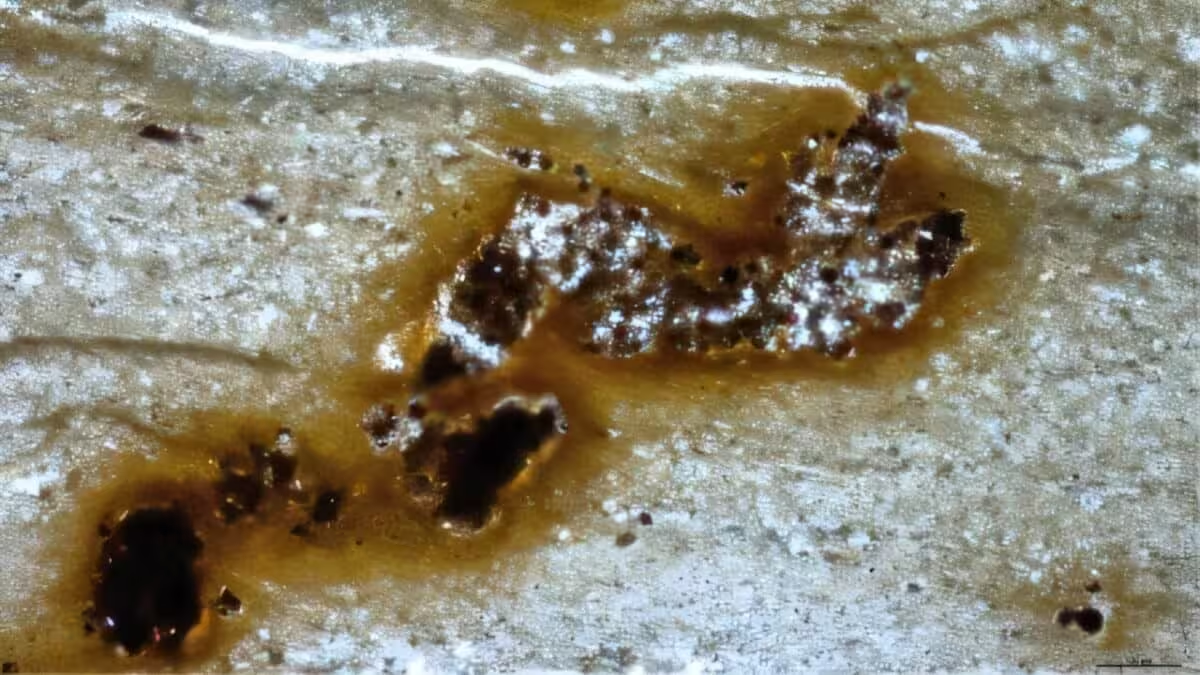
Had the structures truly represented burrows, they would have been the earliest indication of meiofaunal activity on the Ediacaran seafloor. The new analysis disputes that scenario. Instead of locomotion tracks, the fossils exhibit characteristics typical of preserved microorganisms—cell walls, division planes, organic residues, and filamentous forms.
The distinction is crucial because the Ediacaran sits just before the Cambrian explosion, a period when rising oxygen levels are thought to have fueled the emergence of more complex animal lineages.
The authors therefore conclude that the Brazilian specimens no longer support the presence of meiofaunal organisms in those Ediacaran environments; the earliest confirmed records of such animals remain confined to Cambrian deposits.
Diverse Microbial Community Revealed
Morphometric analysis grouped the fossils into three size categories, implying they may represent distinct members of a single microbial ecosystem. The largest forms resemble modern green or red algae, while the smaller entities could correspond to various algae, cyanobacteria, or sulfur‑oxidizing bacteria.
Some specimens contain pyrite, an iron‑sulfur mineral often associated with sulfur‑oxidizing microbes, suggesting that at least part of the community relied on sulfur metabolism.
“This bacterial group is remarkable. Some of the biggest specimens we know of belong to this category,” Becker‑Kerber noted. “Contrary to the typical view of microscopic bacteria, certain species can grow to diameters larger than a hair strand and become visible without magnification.”
Additional observations include coiled filaments, concave and convex partitions, and cells that retain organic material.
“These signatures align far more closely with bacterial or algal remains than with simple disturbance marks left by animals,” the authors state.
In sum, the fossils appear to capture a vibrant microbial ecosystem that thrived hundreds of millions of years ago, rather than documenting the earliest animal activity on Earth.
This article has been fact checked for accuracy, with information verified against reputable sources. Learn more about us and our editorial process.
Last reviewed on .
Article history
- Latest version
Reference(s)
- “Bruno B Kerber | Department of Organismic and Evolutionary Biology.” <https://www.oeb.harvard.edu/people/bruno-becker-kerber>.
- “Mogno – LNLS.” <https://lnls.cnpem.br/facilities/mogno-en/>.
- “Redirecting.” <https://linkinghub.elsevier.com/retrieve/pii/S1342937X26000420>.
Cite this page:
- Posted by Hassan Raza