Scientists Entered a New Zealand Cave and Uncovered 1 Million-Year-Old Fossils of Mysterious Species
Révélation archéologique dans une grotte scellée depuis des millénaires
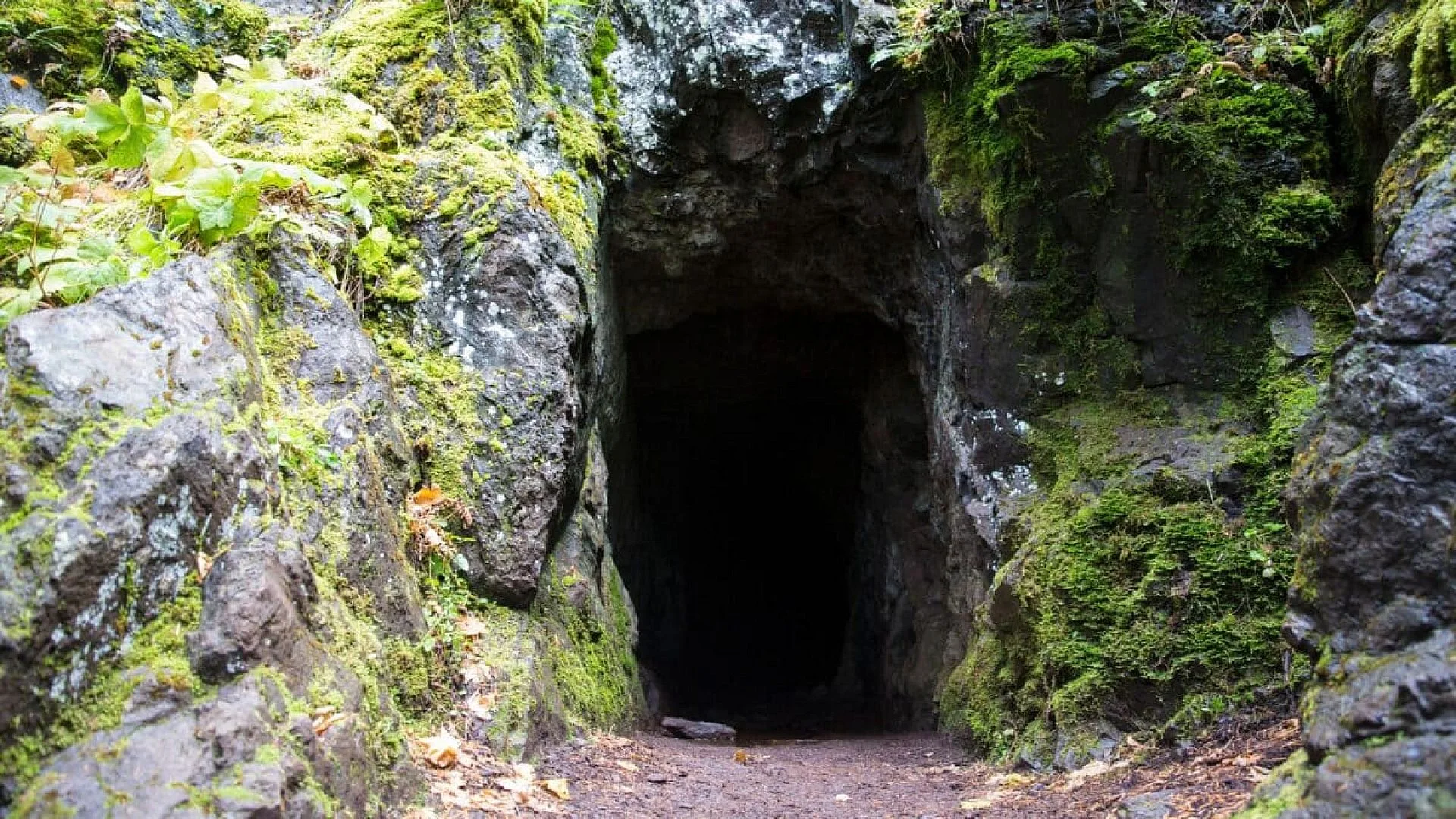
A newly uncovered cave on New Zealand’s North Island has produced a collection of bird and frog fossils that date back more than a million years, offering a rare window onto an ecosystem that existed long before humans arrived.
The remains were recovered from sediments trapped between two separate volcanic ash layers, providing the first direct evidence from a previously undocumented interval in the region’s fossil record.
Volcanic Deposits Capture a Lost New Zealand Forest
Researchers located the site inside a cave where a lower ash deposit has been dated to roughly 1.55 million years ago and an upper layer to about 1 million years ago. The sealed sediments contained the bones of twelve bird species and four frog species, several of which are new to science.
“This is a newly recognized avifauna for New Zealand, one that was replaced by the one humans encountered a million years later,” Worthy explianed in a statement published by the Canterbury Museum. “This remarkable find suggests our ancient forests were once home to a diverse group of birds that did not survive the next million years.”
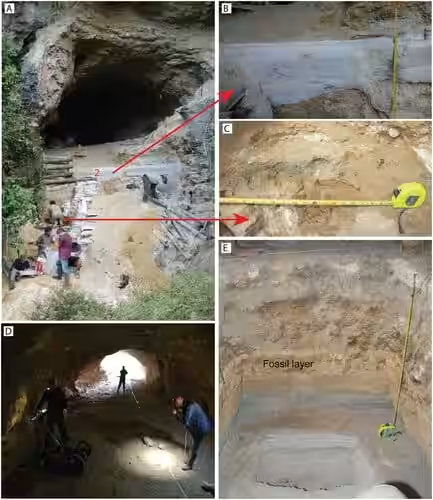
The fossil assemblage demonstrates that the early‑Pleistocene forest supported a blend of species unlike any seen in modern New Zealand ecosystems, filling a substantial chronological gap in our understanding of the country’s natural history.
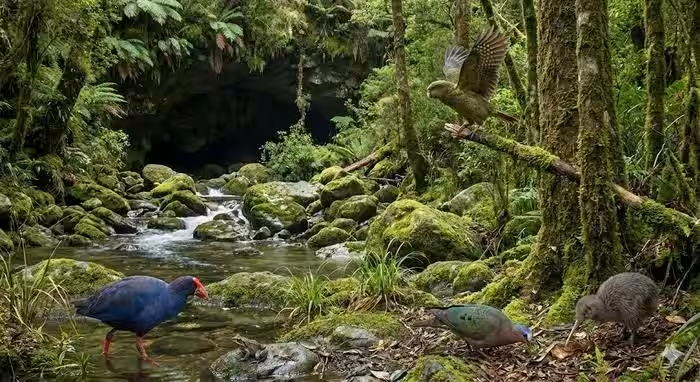
Natural Forces Reshaped North Island Ecosystems Millennia Ago
The study estimates that roughly 33 percent to 50 percent of the island’s species were lost during the million‑year span before human settlement, a turnover driven by climatic shifts and major volcanic eruptions.
“For decades, the extinction of New Zealand’s birds was viewed primarily through the lens of human arrival 750 years ago. This study proves that natural forces like super-volcanoes and dramatic climate shifts were already sculpting the unique identity of our wildlife over a million years ago.”
Ancient Bird and Frog Remains Extend the Evolutionary Record
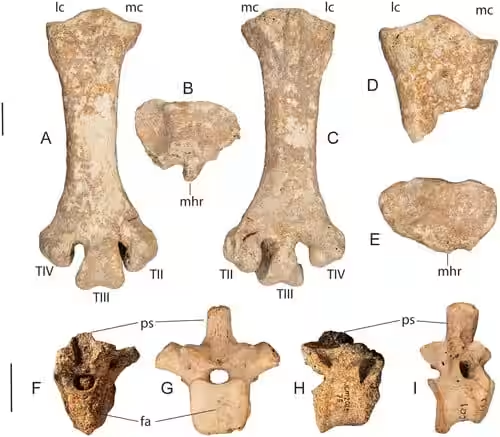
Among the discoveries is a new parrot species, Strigops insulaborealis, a distant relative of the modern kākāpō. Its relatively slender leg bones hint that the extinct bird may have retained some ability to fly, though further work is needed to confirm this possibility.
The cave also yielded fossils tied to an ancestor of the contemporary takahe and an extinct pigeon closely related to Australian bronzewing pigeons, underscoring the diverse avian fauna that once thrived in the region.
“The shifting forest and shrubland habitats forced a reset of the bird populations,” he said. “We believe this was a major driver for the evolutionary diversification of birds and other fauna in the North Island.”
Earlier investigations have documented New Zealand life from 20 to 16 million years ago, but the new material bridges the gap between 15 million and 1 million years ago, providing the first continuous record for that span of the country’s deep past.
This article has been fact checked for accuracy, with information verified against reputable sources. Learn more about us and our editorial process.
Last reviewed on .
Article history
- Latest version
Reference(s)
- “A Lost World Unearthed: Ancient cave reveals million-year-old kākāpō….” Canterbury Museum <https://www.canterburymuseum.com/explore/latest-news/a-lost-world-unearthed-ancient-cave-reveals-million-year-old-k%C4%81k%C4%81p%C5%8D-ancestor>.
Cite this page:
- Posted by Hassan Raza