Paleontologists Discovered a 43-Foot-Long Ocean Predator Hidden in Museum Collections
Meet the ancient predator lurking in museum vaults far grander than a great white
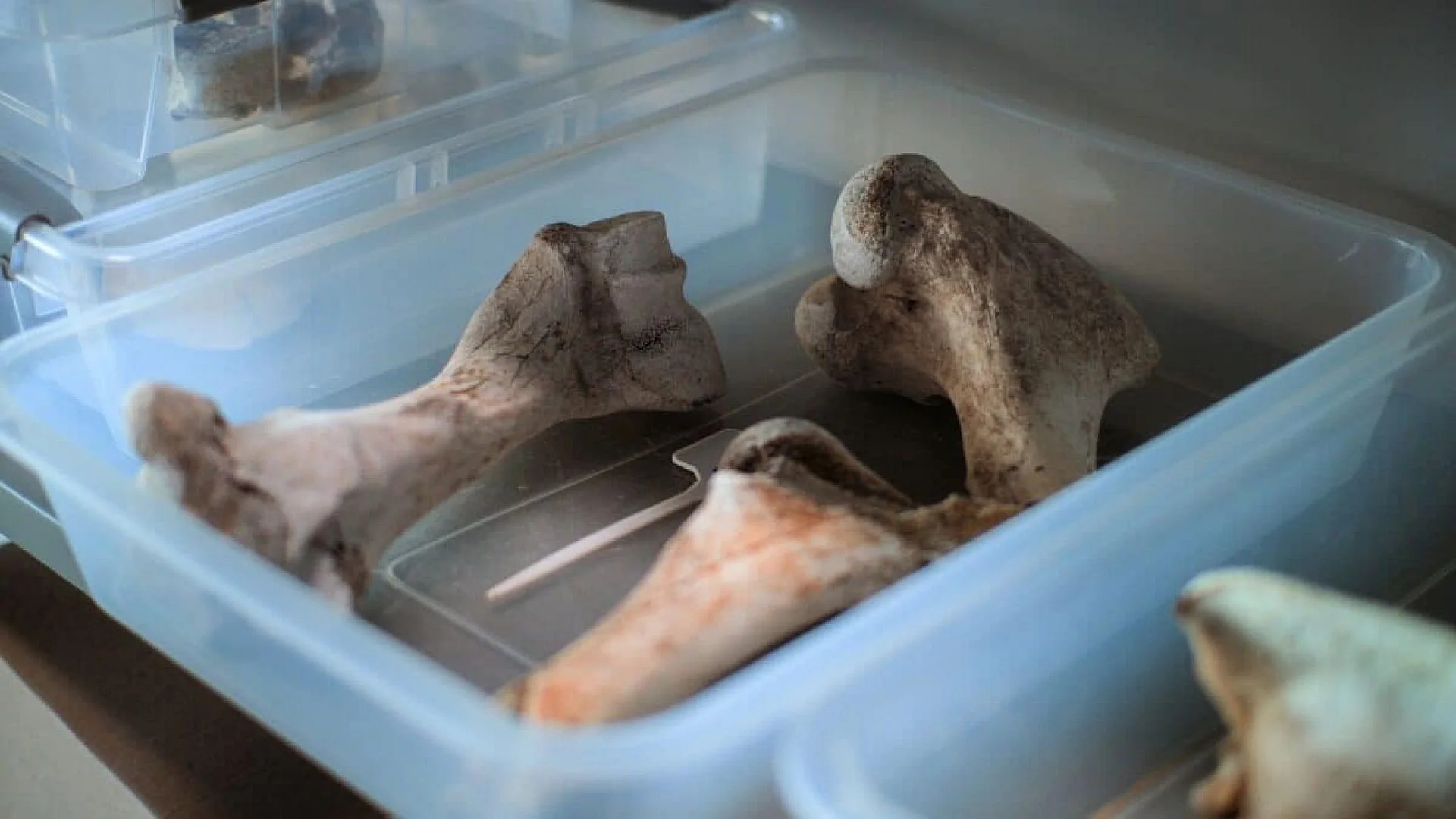
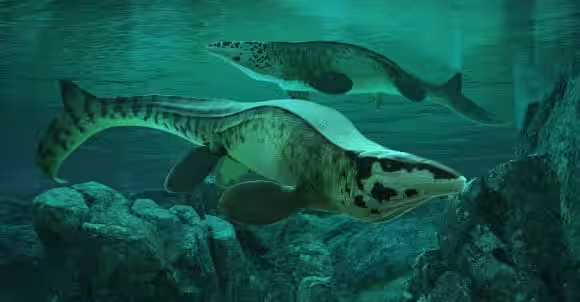
A colossal marine reptile that prowled the oceans roughly 80 million years ago has been officially described as a distinct species. The newly named Tylosaurus rex measured up to 13.2 meters (43 feet) and likely occupied the apex‑predator niche in Late Cretaceous seas.
The find emerged not from a fresh dig but from a careful re‑examination of specimens that have sat in museum drawers for decades. What curators once assigned to an established taxon turned out to represent an entirely separate lineage.
Mosasaurs were marine reptiles that thrived during the Late Cretaceous, roughly 100 to 66 million years ago. Though often lumped with dinosaurs in popular media, they are more closely allied with today’s monitor lizards and snakes.
Within the mosasaur clade, the tylosaurines stood out for their elongated, streamlined bodies and tooth‑less rostra. They were the first of their kind to achieve truly gigantic proportions, with some individuals surpassing 8 meters (26 feet). Their fossils appear on several continents, but the ancient Western Interior Seaway of North America remains a hotspot for these creatures.
Museum Specimens Yield a New Mosasaur Species
The investigation began when Dr. Amelia Zietlow of the American Museum of Natural History noticed an inconsistency in a cataloged fossil. The specimen had been labeled as Tylosaurus proriger, but a side‑by‑side comparison with the type material revealed striking differences.
Expanding the review, the team inspected more than a dozen comparable fossils housed in various institutions. All of them shared diagnostic traits that set them apart from T. proriger, prompting the authors to erect the new taxon Tylosaurus rex.
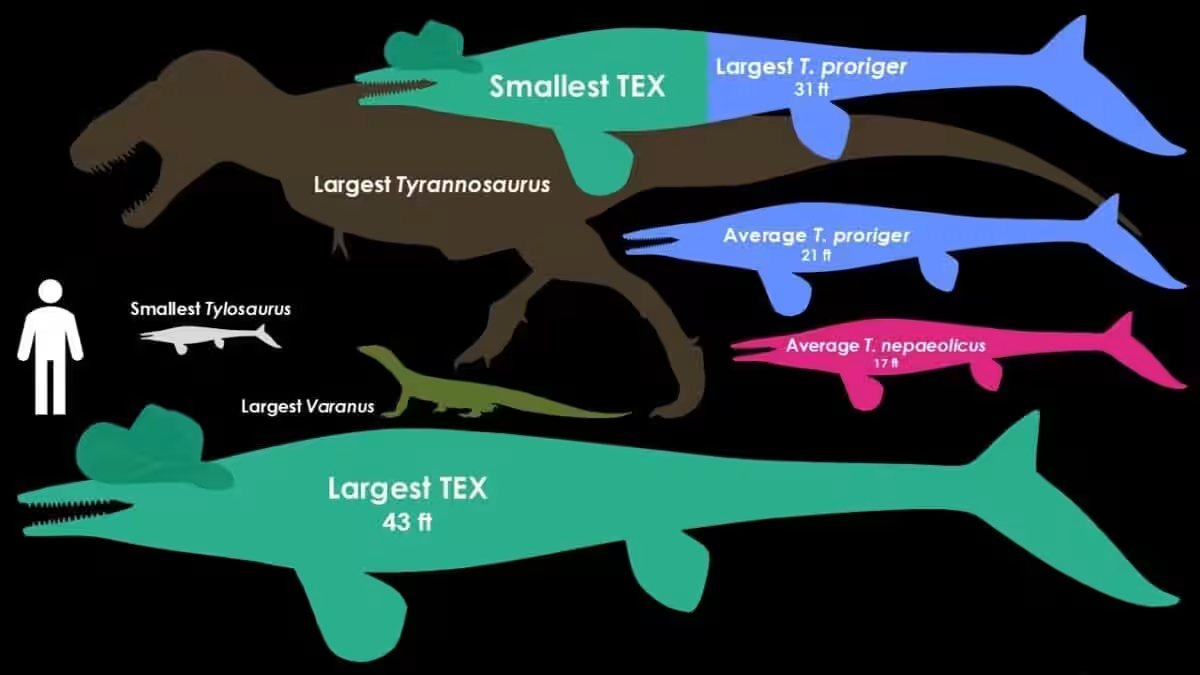
Key distinguishing features included a larger overall size, a finely serrated dentition, and a proportionally broader skull. As Dr. Zietlow summed up, “Everything is bigger in Texas and that includes the mosasaurs, apparently.”
Texas Finds Push the Mosasaur Timeline Forward
Geographic and chronological context helped separate the two species. The authors note in the Bulletin of the American Museum of Natural History that most Tylosaurus proriger specimens derive from present‑day Kansas and date to about 84 million years ago. In contrast, the fossils now assigned to T. rex originate primarily from Texas and are roughly four million years younger.
“The holotype for the newly described Tylosaurus rex is a giant specimen displayed at the Perot Museum that was first discovered in 1979 along an artificial reservoir near Dallas,” the paper states.
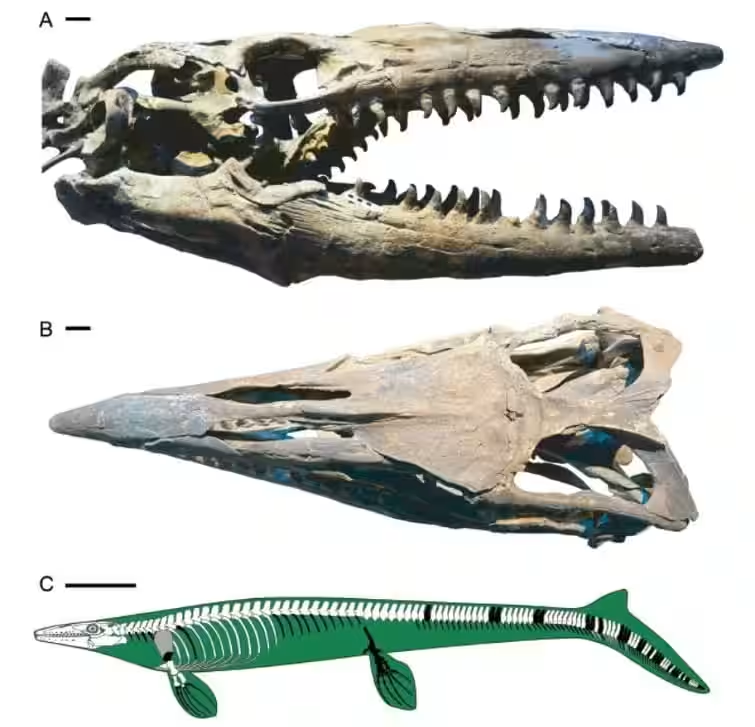
Based on the assembled material, researchers estimate that Tylosaurus rex could grow to about 13.2 meters. The anatomy suggests an exceptionally strong bite and robust neck musculature, traits that would have supported a powerful predatory lifestyle.
Evidence of Aggressive Interactions in the Fossil Record
Beyond sheer size, the specimens reveal clues about the animal’s behavior. Dr. Ron Tykoski, curator of vertebrate paleontology at the Perot Museum and co‑author of the study, highlighted several individuals bearing traumatic injuries that likely resulted from confrontations with conspecifics.
“Besides being huge, roughly twice the length of the largest great white sharks, Tylosaurus rex appeared to be a much meaner animal than other mosasaurs.”
One particularly damaged specimen, nicknamed “The Black Knight,” sports a missing rostral tip and a broken lower jaw—damage that the authors interpret as the result of an in‑traspecific bite.
The taxonomic revision also reassigns several well‑known museum displays. The specimen dubbed “Bunker” at the University of Kansas and the individual named “Sophie” in the Yale Peabody Museum will now be cataloged as Tylosaurus rex.
This article has been fact checked for accuracy, with information verified against reputable sources. Learn more about us and our editorial process.
Last reviewed on .
Article history
- Latest version
Cite this page:
- Posted by Hassan Raza